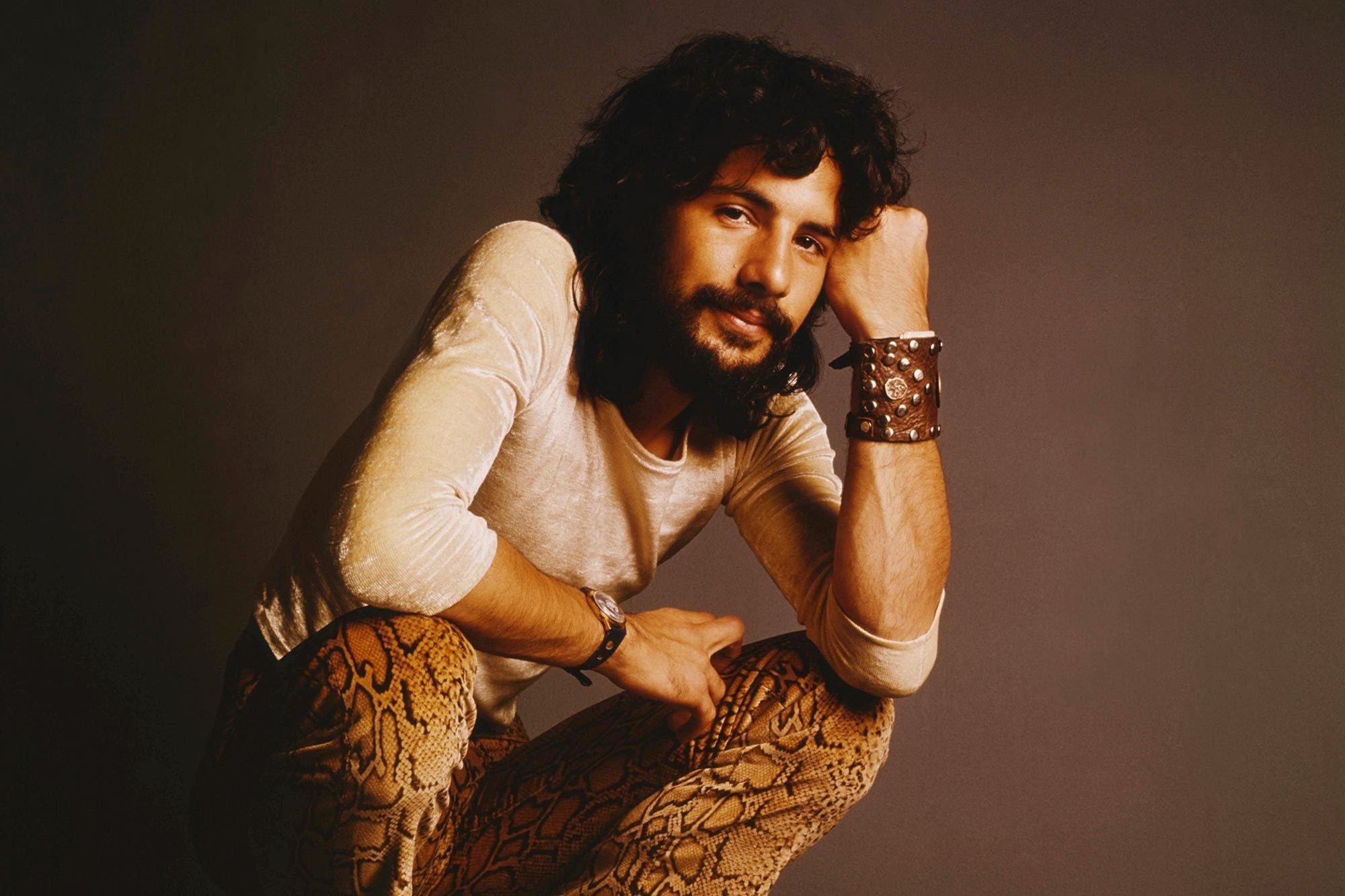
Few artists have managed to blend introspection, spirituality, and timeless melody quite like Cat Stevens. With a voice as warm as a campfire and lyrics that cut straight to the soul, Stevens—later known as Yusuf Islam—crafted some of the most enduring folk-rock songs of the 20th century. Rising to fame in the late 1960s and dominating the airwaves through the early ’70s, his music has left an indelible mark on generations of listeners. Whether you’re drawn to his poetic reflections on life and death, his calls for peace, or his tender tales of love and loss, Cat Stevens’ catalog is a treasure trove of emotional storytelling. In this article, we dive into the top 10 most popular Cat Stevens songs of all time—tracks that defined an era, inspired countless artists, and continue to resonate in today’s world of fast-paced change. From the wistful farewells of “Wild World” to the generational dialogue of “Father and Son,” each song on this list is a testament to Stevens’ genius. So tune in, turn up the volume, and rediscover the songs that made the world fall in love with one of music’s most thoughtful troubadours.
1. Wild World (1970)
Released in 1970 on the landmark album Tea for the Tillerman, “Wild World” is one of Cat Stevens’ most iconic tracks and a heartfelt anthem of parting. With its gentle reggae-inspired rhythm and bittersweet lyrics, the song speaks to the emotional tug-of-war of letting go while still caring deeply. Often thought to be inspired by Stevens’ breakup with actress Patti D’Arbanville, “Wild World” channels that personal heartbreak into something universally relatable. The lyrics are simple yet profound, offering both caution and love to someone stepping out into an unpredictable world. What makes the song resonate decades later is its balance of melancholy and tenderness—it doesn’t wallow in sadness but instead delivers its message with warmth and sincerity. Stevens’ voice carries both vulnerability and affection, perfectly matching the song’s emotional tone. “Wild World” is more than just a breakup song—it’s about the difficulty of releasing someone you love, even when you know it’s time. Its staying power lies in its ability to speak to the complexities of change, freedom, and emotional maturity, making it an enduring favorite for listeners navigating life’s turning points.
2. Father and Son (1970)
“Father and Son,” another standout from Tea for the Tillerman, is a masterclass in songwriting that captures a timeless conversation between two generations. Cat Stevens performs both roles: the traditional, cautious father urging his son to take a safer path, and the idealistic young man yearning to follow his dreams. The song’s structure is brilliant in its simplicity, moving fluidly between these two emotional voices, with subtle changes in pitch and tone that distinguish each perspective. Written during a time of generational conflict and social upheaval, the song resonated deeply with a world in flux. But beyond its era, “Father and Son” remains relevant for anyone who’s ever struggled to bridge the gap between tradition and change, between love and independence. The acoustic arrangement allows the story to unfold with intimacy and clarity, emphasizing the lyrical depth without distraction. Stevens doesn’t cast judgment on either side—instead, he presents both points of view with empathy. It’s this emotional honesty that makes “Father and Son” such a powerful and enduring piece of music. It’s not just a song; it’s a conversation every generation has, beautifully distilled into four minutes of acoustic poetry.
3. Peace Train (1971)
Released in 1971 as part of the Teaser and the Firecat album, “Peace Train” arrived like a hopeful beacon in a world torn by conflict and division. With its vibrant rhythm, catchy chorus, and uplifting lyrics, Cat Stevens crafted a spiritual anthem that called listeners to believe in the possibility of peace. At a time when the Vietnam War loomed large and the world seemed rife with unrest, “Peace Train” offered a unifying message that transcended politics. It wasn’t just a protest song—it was a heartfelt prayer for global harmony. Stevens’ delivery is passionate but gentle, his voice full of conviction yet always soothing. The track’s arrangement builds gradually, giving the song a sense of momentum, as if the “peace train” is actually gathering steam. It became his first Top 10 hit in the United States and remains one of his most beloved songs. “Peace Train” captures the idealism of the early ’70s while delivering a message that still resonates today. Decades later, it continues to be a stirring reminder that hope, unity, and compassion are worth striving for, even in the face of adversity.
4. Morning Has Broken (1971)
Cat Stevens’ rendition of “Morning Has Broken,” released in 1971 and featured on Teaser and the Firecat, brought a centuries-old hymn into the mainstream consciousness with grace and beauty. Based on a traditional Christian hymn first published in 1931, Stevens’ version adds a folk-pop sensibility without sacrificing its spiritual roots. What truly elevates the track is the stunning piano work by Rick Wakeman of the progressive rock band Yes, whose elegant arrangement perfectly complements Stevens’ soft, reverent vocals. The song celebrates the purity and promise of a new day, offering a moment of stillness and reflection in a fast-paced world. Unlike his more lyrically dense tracks, “Morning Has Broken” shines in its simplicity, allowing listeners to absorb its uplifting message and serene melody without distraction. It became a major hit in both the UK and the US, proving that spiritual songs could find a place on the pop charts. More than fifty years later, it’s still a favorite at weddings, religious gatherings, and peaceful morning playlists. Stevens’ version reminds us that beauty often lies in the simplest things—a sunrise, a piano chord, a voice full of gratitude.
5. Moonshadow (1971)
“Moonshadow,” released in 1971 on Teaser and the Firecat, is Cat Stevens at his most whimsical and philosophical. The song was inspired by a walk along the coast of Spain, where Stevens noticed his shadow in the moonlight for the first time. That seemingly small moment sparked a joyful meditation on light, darkness, and the things we might lose along the way. The lyrics, though playful, are deeply reflective: they ponder what it means to remain whole and hopeful even when parts of ourselves are stripped away. With a simple acoustic guitar and Stevens’ warm, expressive vocals, “Moonshadow” charms listeners while delivering a quietly profound message about resilience. It’s a song that encourages embracing change, finding beauty in imperfection, and recognizing the gifts that remain even in loss. Unlike more somber reflections on adversity, “Moonshadow” feels like a comforting smile, reminding us that joy can coexist with hardship. Its upbeat melody and sing-along chorus make it accessible to listeners of all ages, and its message feels as relevant today as ever. It’s no wonder that “Moonshadow” remains a treasured part of Stevens’ catalog—a light in the darkness with a touch of wonder.
6. Where Do the Children Play? (1970)
Opening Tea for the Tillerman with quiet intensity, “Where Do the Children Play?” is one of Cat Stevens’ most socially conscious and enduring songs. Released in 1970, it questions the cost of technological progress and industrialization at the expense of nature, community, and childhood innocence. In a world growing more complex and concrete, Stevens asks a simple but urgent question—what space remains for future generations to simply live, grow, and play? The acoustic arrangement is restrained, almost solemn, allowing the lyrics to take center stage. There’s no anger in Stevens’ voice, just a deep concern and poetic clarity. Long before climate change and sustainability became buzzwords, he was urging listeners to consider the broader implications of modernization. “Where Do the Children Play?” isn’t just a protest song; it’s a lament and a warning, expressed with thoughtfulness rather than condemnation. Its beauty lies in its subtlety—it doesn’t scream its message but rather invites reflection. More than five decades on, the song’s relevance has only deepened, speaking directly to ongoing environmental and societal concerns. It’s a testament to Stevens’ ability to blend gentle melodies with powerful, prescient themes.
7. The First Cut Is the Deepest (1967)
Cat Stevens wrote “The First Cut Is the Deepest” in 1967, just as he was beginning his career, and it remains one of his most enduring contributions to music. Featured on his second album New Masters, the song expresses the raw vulnerability of heartbreak with striking honesty. While later covers by Rod Stewart and Sheryl Crow became commercial hits, Stevens’ original recording carries a youthful fragility and emotional depth that’s hard to replicate. His tender vocals, paired with a sparse arrangement, make the song feel almost like a personal confession rather than a polished studio track. The lyrics speak to the pain of loving again after being hurt, a sentiment that resonates deeply with listeners of all ages. It’s a simple idea—that the first heartbreak leaves the deepest scar—but Stevens articulates it with poetic grace. The fact that he wrote it so early in his life makes it all the more impressive. “The First Cut Is the Deepest” has since become one of the most frequently covered love songs of all time, and Stevens’ original version remains a quiet masterpiece of emotional songwriting.
8. Oh Very Young (1974)
“Oh Very Young,” released in 1974 as part of Buddha and the Chocolate Box, is a tender meditation on the fleeting nature of youth and the impermanence of life. With its gentle melody and wistful lyrics, Cat Stevens captures the bittersweet beauty of growing up—and growing older. The song opens with a lullaby-like softness, drawing the listener into a reflective mood. Stevens asks poignant questions about legacy and the choices we make in our short time here, encouraging a life of purpose and kindness. The track’s arrangement is understated yet elegant, with light piano and acoustic guitar creating a warm, inviting atmosphere. “Oh Very Young” became a Top 10 hit in the U.S. and has remained one of Stevens’ most cherished songs. Its message isn’t overly sentimental or preachy—it simply urges us to be mindful of how we live and how we treat others, because none of us are here forever. It’s the kind of song that lingers long after it ends, like a gentle reminder to make each moment count. In just under three minutes, Stevens offers a lifetime of wisdom, wrapped in melody and grace.
9. If You Want to Sing Out, Sing Out (1971)
“If You Want to Sing Out, Sing Out” is Cat Stevens’ joyful anthem of self-expression, written in 1971 for the cult classic film Harold and Maude. Though it wasn’t widely released at the time, the song became synonymous with the film’s message of living authentically and on one’s own terms. With its breezy acoustic guitar and cheerful melody, it delivers a simple but powerful message: you are free to be whoever you want to be. Stevens’ vocal delivery is light, almost playful, reinforcing the song’s encouraging tone. It’s less about rebellion and more about personal empowerment—about choosing your own path, even if it means coloring outside the lines. The song has since been embraced as a beloved tune by free spirits, outsiders, and anyone seeking a little courage to live truthfully. Despite its simplicity, the lyrics carry deep meaning, reminding us that self-expression is a choice we can make every day. “If You Want to Sing Out, Sing Out” is timeless because its message never gets old. It’s a feel-good, heartwarming invitation to let go of fear and embrace your individuality with open arms.
10. Sitting (1972)
Opening the Catch Bull at Four album in 1972, “Sitting” is a powerful meditation on the search for meaning and the inner conflict between ambition and spiritual peace. Unlike Cat Stevens’ more straightforward folk-pop tunes, “Sitting” dives into deeper philosophical waters, pairing introspective lyrics with a bold, driving piano line. The song speaks to the experience of being caught between worldly desires and the yearning for a more profound purpose—a struggle Stevens himself would continue to explore throughout his life. His performance here is intense yet thoughtful, imbuing each word with a sense of urgency and questioning. “Sitting” feels like both a personal journal entry and a universal exploration of the human condition. It reflects a turning point in Stevens’ career, foreshadowing his eventual retreat from the spotlight and conversion to Islam. The song’s dynamic energy mirrors the tension it expresses, shifting between calm reflection and restless searching. It may not be his most radio-friendly hit, but for many fans, it’s one of his most meaningful. “Sitting” invites listeners to pause, look inward, and ask: what am I truly seeking—and at what cost? It’s Stevens at his most honest and thought-provoking.

Samuel Moore is a frequent contributor to Singers Room. Since 2005, Singersroom has been the voice of R&B around the world. Connect with us via social media below.









