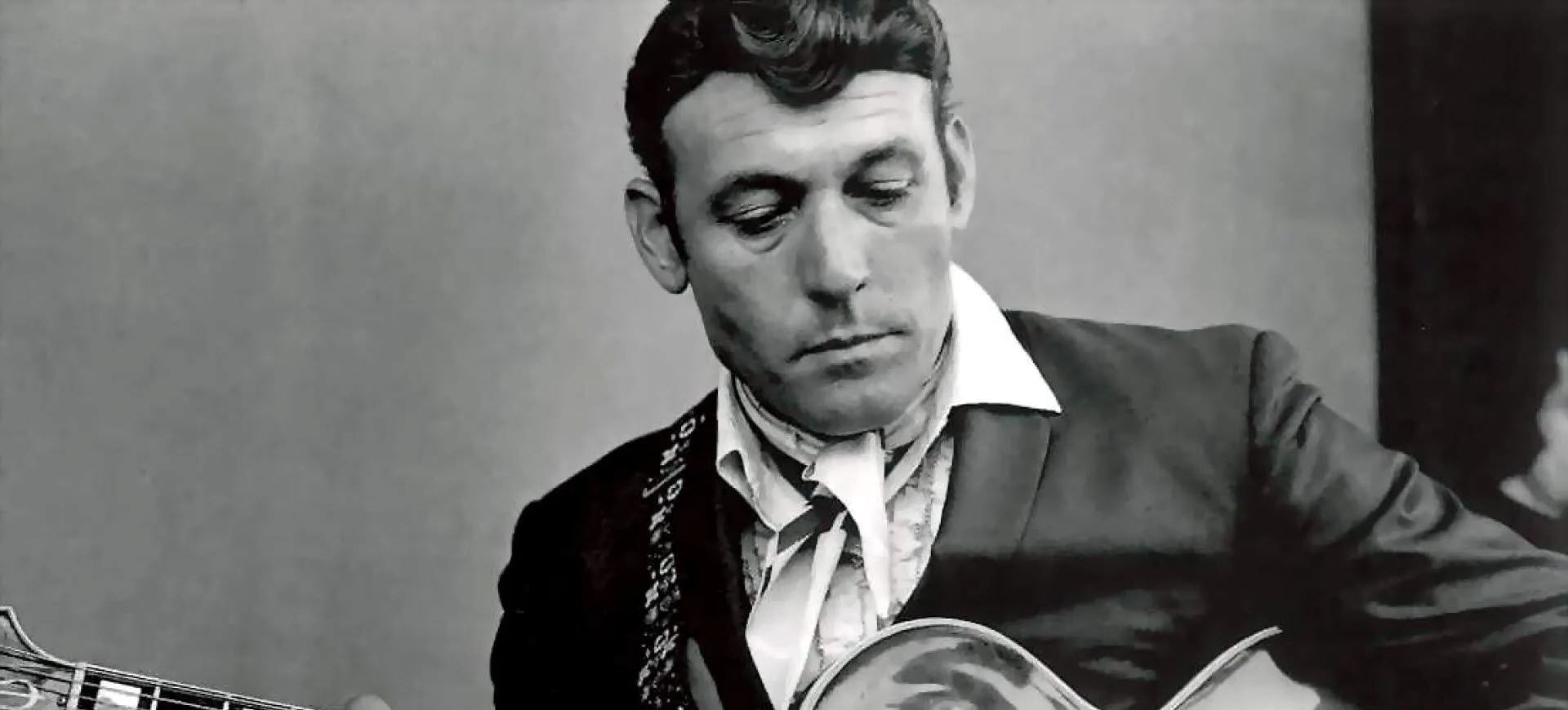
Carl Perkins, a true pioneer of rockabilly, left an indelible mark on the music world with his innovative sound and captivating lyrics. Often hailed as the “King of Rockabilly,” Perkins was not only a songwriter but also a trailblazer who influenced countless artists across genres. His fusion of country, blues, and rock ‘n’ roll created a dynamic musical style that resonated with audiences and laid the groundwork for future rock legends.
This article delves into the top 10 most popular songs of Carl Perkins, each a testament to his genius and creativity. From the electrifying rhythms of “Blue Suede Shoes” to the heartfelt storytelling in “Honey Don’t,” Perkins’s music captures a wide array of emotions and experiences. Whether you’re a lifelong fan or new to his catalog, these tracks showcase the essence of his artistry and the timeless appeal of his sound. Join us as we celebrate the legacy of Carl Perkins, exploring the songs that not only defined his career but also helped shape the landscape of American music. Get ready to tap your feet and sing along as we journey through his most beloved hits!
1. Blue Suede Shoes (1956)
“Blue Suede Shoes” is the song that put Carl Perkins on the map and helped ignite the rockabilly revolution of the 1950s. With its raw energy, punchy lyrics, and unforgettable hook — “Don’t step on my blue suede shoes!” — the song became an instant classic. Perkins blends blues grit, country twang, and rock ‘n’ roll swagger to create something fresh and rebellious. What makes the track so memorable isn’t just the catchy melody or the toe-tapping rhythm, but its attitude. It captured the defiant spirit of a generation that was ready to dance, break rules, and express itself. Perkins’ guitar work is sharp and rhythmic, pushing the song forward with effortless confidence. His vocal delivery strikes a perfect balance between playful and commanding, as if he’s daring you to even look at his prized footwear. “Blue Suede Shoes” is more than just a song about fashion — it’s a declaration of individuality and pride, a metaphor for protecting what makes you unique. As one of the first rockabilly hits to cross over to the mainstream, this track cemented Perkins’ legacy and set the tone for what rock and roll could be: bold, brash, and undeniably fun.
2. Honey Don’t (1956)
“Honey Don’t” is one of those Carl Perkins tracks that’s deceptively simple but endlessly satisfying. With its easygoing rhythm and clever back-and-forth lyrics, it captures the playful tension that can come with romance. Perkins takes on the role of a man negotiating with his sweetheart, and there’s a lighthearted charm in the way he pleads, questions, and ultimately yields to love’s quirks. The track straddles the line between country storytelling and early rock ‘n’ roll, with Perkins’ crisp guitar licks driving the song forward. There’s a groove here that feels natural and unforced — something that makes you want to tap your foot and maybe even grab a partner to swing around the dance floor. His vocal delivery is relaxed but expressive, giving the lyrics a relatable, down-to-earth tone. The Beatles famously covered the song later, but Perkins’ original version holds its own with timeless style. “Honey Don’t” is not just a catchy tune; it’s a snapshot of the way music could reflect everyday relationships, with all their push and pull. It proves that even a few well-placed words, paired with a good beat, can say a lot about love and life.
3. Boppin’ the Blues (1956)
“Boppin’ the Blues” is pure rockabilly joy — a song that captures the thrill of rhythm, rebellion, and good old-fashioned dancing. Carl Perkins delivers this track with an infectious energy that makes it nearly impossible to sit still. From the first beat, you can feel the pulse of the jukebox era: the clinking of soda bottles, the swing of ponytails, the electric hum of teenagers on the move. The lyrics are simple and celebratory, urging listeners to shake off their worries and lose themselves in the beat. Perkins’ guitar is at the forefront, offering crisp, rhythmic strumming and solos that dazzle without overwhelming. Vocally, he brings a spirited enthusiasm that matches the song’s title — he’s not just singing the blues, he’s boppin’ them, turning sorrow into movement. This song is a reminder of how rockabilly blurred lines between blues and country, and how Perkins was a master at walking that tightrope. “Boppin’ the Blues” is more than a dance number; it’s an anthem for youth, freedom, and music’s power to lift your spirits. Whether you’re at a sock hop or just need a pick-me-up, this track delivers the joy of rock ‘n’ roll in full swing.
4. Dixie Fried (1956)
“Dixie Fried” is Carl Perkins at his most Southern, playful, and full of swagger. Released in 1956, this rollicking track is a rowdy, good-time celebration of honky-tonk life, drenched in Southern flavor. The lyrics paint a vivid picture of raucous nights, dancing, and letting loose — all with a wink and a nod to the wilder side of town. Perkins’ storytelling is at its best here, taking listeners through a tale of carefree fun and backroad mischief. Musically, it’s got a driving beat and guitar work that’s sharp, clean, and totally irresistible. There’s a rustic charm to it — a foot-stomping, boot-scuffing kind of groove that feels like Saturday night in a packed roadhouse. Perkins’ vocal delivery is full of personality, playful and a little rebellious, perfectly matching the lyrical vibe. You can practically hear the clinking glasses and smell the fried food in the air. “Dixie Fried” is more than just a song; it’s a slice of Southern Americana that invites you to turn up the volume and live a little louder. For fans of rockabilly, it’s a gem — full of flavor, full of fun, and impossible to forget.
5. Everybody’s Trying to Be My Baby (1956)
With “Everybody’s Trying to Be My Baby,” Carl Perkins serves up a swaggering rockabilly hit that combines humor, rhythm, and a healthy dose of charm. Released in 1956, this track is a lighthearted romp through the life of a man who suddenly finds himself the center of attention — and loving every minute of it. The lyrics are playful and cheeky, reflecting the unexpected consequences of newfound fame. Perkins’ vocals are confident and sly, perfectly matching the song’s mischievous tone. The beat is upbeat and infectious, with guitar licks that sparkle with rockabilly energy. There’s a bounce in the rhythm that makes it an instant toe-tapper, and Perkins’ signature sound is front and center: a perfect blend of bluesy grit and country smoothness. While the Beatles would later make this tune famous all over again, Perkins’ original version stands tall with its raw authenticity and undeniable groove. It’s a song that doesn’t take itself too seriously, and that’s exactly where its charm lies. “Everybody’s Trying to Be My Baby” is rock ‘n’ roll fun at its finest — catchy, cool, and full of the confidence that made Carl Perkins a true pioneer.
6. Long Tall Sally (1956)
Carl Perkins’ version of “Long Tall Sally” brings a rockabilly edge to Little Richard’s already high-energy classic. Released in 1956, this rendition doesn’t try to outdo the wildness of the original — instead, Perkins makes the song his own by infusing it with the Southern twang and rhythmic bounce that define his signature style. His guitar work is tight and rhythmic, driving the track forward with a raw, infectious energy. Vocally, Perkins trades Little Richard’s shrieks for a more grounded, yet no less passionate, delivery. It’s a subtle shift, but it brings out the bluesy roots of the song, giving it a slightly different flavor while keeping the party vibe intact. “Long Tall Sally” tells the story of a bold, larger-than-life woman — and Perkins delivers it with a grin in his voice, letting the listener in on the fun. There’s something unmistakably joyful about the way he approaches the song, as if he’s having just as much fun playing it as we are hearing it. With his version, Perkins proves that rock and roll isn’t just about volume — it’s about rhythm, soul, and the ability to make a song jump off the record and into your bones.
7. Matchbox (1957)
“Matchbox” is a gritty, blues-soaked track that finds Carl Perkins channeling heartache through the language of rockabilly. Released in 1957, the song is steeped in emotion, with lyrics that paint a picture of someone left behind and trying to make sense of it. Inspired by a line from Blind Lemon Jefferson, the song carries deep blues roots but is elevated by Perkins’ distinctive rockabilly twist. The guitar riffs are crisp and bold, giving the song an edge that makes it feel both lonesome and defiant. Perkins’ vocals strike the perfect balance between resignation and resilience, making the heartbreak feel real without ever falling into despair. There’s a shuffle to the rhythm that gives the track movement — a sense that even in sorrow, life keeps rolling forward. “Matchbox” became one of Perkins’ signature songs and was famously covered by The Beatles, but the original holds a raw authenticity that’s hard to beat. It’s not just a breakup song — it’s a statement of identity, a reflection of the crossroads between blues and rock. With this track, Perkins once again proves that he could take a feeling, wrap it in rhythm, and make it unforgettable.
8. Your True Love (1957)
“Your True Love” is one of Carl Perkins’ most heartfelt tracks — a tender rockabilly ballad that wears its heart proudly on its sleeve. Released in 1957, the song showcases a softer side of Perkins, balancing his usual energy with a dose of emotional vulnerability. The melody flows with a sweet, easy rhythm, while Perkins’ vocals carry a warmth and sincerity that make the lyrics feel deeply personal. He’s not just singing about love; he’s laying it bare, celebrating the kind of romance that feels genuine and lasting. The instrumentation is relatively simple — a steady beat, clean guitar lines, and a melody that glides — but the beauty lies in that simplicity. It gives Perkins the space to let his voice shine and connect with the listener on a more intimate level. “Your True Love” has become a favorite not just for fans of rockabilly, but for anyone who appreciates a good love song that doesn’t rely on drama or flash. It’s honest, joyful, and utterly timeless. With this track, Perkins proves he didn’t just know how to rock — he also knew how to reach the heart.
9. Let the Good Times Roll (1958)
With “Let the Good Times Roll,” Carl Perkins invites listeners into a world of celebration, rhythm, and pure joy. Released in 1958, this track is all about shaking off the blues and leaning into life’s happier moments. From the first beat, the song pulses with upbeat energy — the kind of rhythm that makes you want to grab a partner and hit the dance floor. Perkins’ guitar is crisp and bright, driving the song with a sense of urgency that’s never frantic, just exhilarating. His vocals are full of life and personality, as he encourages everyone to kick back and enjoy the moment. The lyrics are simple and infectious, embodying a carefree spirit that defined much of the 1950s rock and roll scene. Whether it’s a party tune or just a pick-me-up on a tough day, “Let the Good Times Roll” delivers on its promise — it lifts the mood and reminds you to savor the good stuff. With this song, Perkins adds another classic to his collection, proving once again that his music was made not only to move your feet, but to brighten your spirit.
10. Travelin’ Man (1960)
“Travelin’ Man,” released in 1960, finds Carl Perkins reflecting on the road, freedom, and the bittersweet price of constantly being on the move. It’s a song that balances wanderlust with a hint of melancholy — the recognition that the thrill of travel often comes at the cost of connection. The melody rolls forward like a winding highway, steady and smooth, while Perkins’ vocals carry a laid-back sincerity that feels both wise and weathered. The lyrics speak to a life of passing through towns, faces, and fleeting romances — a kind of romanticized loneliness wrapped in rhythm and melody. His guitar work is subtle but effective, adding flourishes that echo the mood of the journey. There’s a country-rock feel to the track, and it marks a slightly more mature, introspective turn in Perkins’ style. “Travelin’ Man” isn’t about partying or heartbreak — it’s about the in-between spaces, the quiet reflections that come when you’re chasing something you can’t quite hold. It’s one of those songs that sneaks up on you, offering depth and emotional resonance with each listen. For anyone who’s ever felt the call of the open road, this song rings true.

Edward Tomlin is a frequent contributor to Singers Room. Since 2005, Singersroom has been the voice of R&B around the world. Connect with us via social media below.









