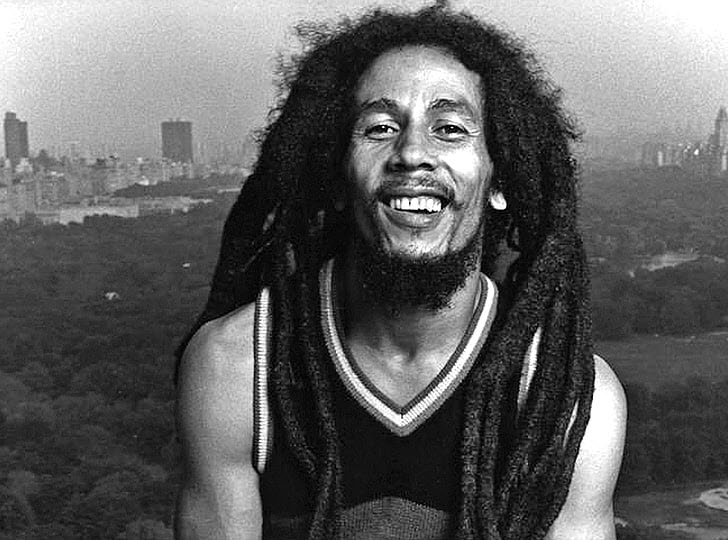
Few artists have left a mark on the world like Bob Marley, the global ambassador of reggae and a voice for peace, freedom, and unity. With his signature dreadlocks, soulful lyrics, and hypnotic rhythms, Marley didn’t just make music—he sparked a worldwide movement. From the streets of Kingston, Jamaica to stadiums packed with fans across continents, his songs continue to inspire generations with messages of love, resistance, and resilience. Whether you’re discovering him for the first time or revisiting the classics, there’s something timeless in every beat and every word he sang.
In this article, we’re counting down the Top 10 Most Popular Bob Marley Songs of All Time—the tracks that have defined his legacy and captured the hearts of millions. These aren’t just hits; they’re cultural anthems, protest cries, and lullabies for the soul. From the uplifting energy of “Three Little Birds” to the powerful call for justice in “Get Up, Stand Up,” each song tells a story, carries a message, and keeps Bob Marley’s spirit alive. So turn up the volume, feel the rhythm, and let’s dive into the sounds that made Bob Marley a legend—and reggae a global force.
1. “No Woman, No Cry” (1974)
Released in 1974 on Natty Dread, “No Woman, No Cry” became one of Bob Marley’s most enduring anthems—not just for its soothing melody but for the deep emotional comfort it offers. The song is a heartfelt tribute to resilience in the face of poverty and struggle, with vivid lyrics recalling life in Trenchtown, Kingston’s tough inner-city neighborhood. Marley’s voice carries a warm, almost paternal tone, offering reassurance amid hardship: “Everything’s gonna be alright.” Though the original version is moving, it was the 1975 live recording at London’s Lyceum Theatre that truly cemented the song’s status. The crowd’s participation and Marley’s emotional delivery elevated it from song to shared experience. The references to cooking cornmeal porridge and watching out for each other are as personal as they are universal, reminding us that community and compassion can exist even in the harshest of environments. It’s not a song of denial, but one of endurance—encouraging strength through empathy. “No Woman, No Cry” isn’t just about sadness or loss—it’s a lullaby of survival that continues to comfort listeners around the world.
2. “One Love / People Get Ready” (1977)
Blending reggae soul with spiritual longing, “One Love / People Get Ready” is Marley at his most unifying. Released in 1977 on the Exodus album, the song combines Marley’s own lyrics with a nod to Curtis Mayfield’s gospel-infused civil rights anthem, “People Get Ready.” The result is a bright, uplifting call for peace and togetherness in a divided world. With its breezy rhythm and singalong chorus, it feels joyful on the surface—but its message runs deep. Marley’s plea—“Let’s get together and feel all right”—isn’t just a feel-good slogan; it’s a vision for collective healing. The song encourages love over fear, community over conflict, and hope over despair. Even decades after its release, it remains a global favorite, often used in humanitarian campaigns, commercials, and public service messages. It transcends genre, borders, and generations. With “One Love,” Marley created more than just a hit—he offered a musical prayer for unity that’s as relevant now as it was then.
3. “Three Little Birds” (1977)
Sometimes the simplest songs carry the deepest comfort. Released in 1977 on Marley’s Exodus album, “Three Little Birds” is a sweet, reassuring tune built on a relaxed reggae beat and an instantly memorable chorus. “Don’t worry about a thing, ‘cause every little thing gonna be all right” has become a universal balm for anxiety and fear. The inspiration behind the title remains debated—some say it was based on the trio of backup singers known as the I Threes, while others believe Marley was moved by the birds that visited his windowsill in Jamaica. Either way, the message is unmistakable: in the chaos of life, peace can still be found in the smallest moments. The song is short, simple, and repetitive—but that’s part of its genius. It’s like a mantra, easy to remember and easier to love. Whether heard on a rainy day or played at a sunny backyard gathering, “Three Little Birds” is pure sonic optimism—a timeless reminder that hope often comes with a melody.
4. “Redemption Song” (1980)
“Redemption Song” is Bob Marley stripped down to his essence. Released in 1980 on the Uprising album, it’s unlike much of his other work—just Marley’s voice and an acoustic guitar, with no backing band, no reggae groove. The effect is hauntingly intimate. Written after he was diagnosed with cancer, the song finds Marley at his most reflective, exploring themes of mortality, freedom, and spiritual release. The now-famous line “Emancipate yourselves from mental slavery” comes from a speech by Pan-African leader Marcus Garvey and has since become a rallying cry for liberation movements worldwide. “Redemption Song” isn’t just a protest song—it’s a meditation on the human soul. Its sparse arrangement gives the lyrics room to breathe, allowing the listener to fully absorb every word. Marley’s voice, slightly weary yet still strong, carries both sorrow and strength. In a career full of anthems, this may be his most personal and enduring. It’s a farewell, a warning, and a prayer—all in one. This song continues to inspire listeners to rise above oppression, both external and internal.
5. “Buffalo Soldier” (1983)
“Buffalo Soldier,” released posthumously in 1983 on Confrontation, showcases Marley’s gift for using music to educate, enlighten, and energize. Though catchy and upbeat on the surface—with its famous “Woy yoy yoy” chorus—the song tackles the complex history of African American soldiers forced to fight in the American West after the Civil War. These soldiers, often stripped from their homelands, were used to subdue Native populations—adding layers of irony and injustice. Marley draws a poignant parallel between their struggle and the broader history of the African diaspora, telling a story rarely discussed in popular music. With its bouncy rhythm and melodic hooks, the song is deceptively cheerful, but its lyrics are loaded with commentary on displacement, survival, and resistance. Marley’s delivery is passionate, and the groove keeps it from feeling too heavy, making the song digestible without dulling its impact. “Buffalo Soldier” is not just a history lesson—it’s a celebration of endurance and a reminder that behind every cheerful rhythm lies a deeper truth.
6. “Jamming” (1977)
Few songs embody Bob Marley’s joyous spirit quite like “Jamming,” released in 1977 on the Exodus album. From the first beat, it feels like a celebration—an invitation to let go, move your body, and feel connected. The term “jamming” refers not just to playing music, but to living freely, expressing joy, and standing united. The infectious groove and vibrant chorus make it a perfect party anthem, but Marley, true to form, laces it with deeper meaning. Lines like “No bullet can stop us now” hint at the revolutionary resilience that underpins much of his work. “Jamming” becomes a metaphor for solidarity, perseverance, and defiance in the face of oppression. It’s reggae as resistance—and as release. Marley’s charisma bursts through every lyric, and the track has a timeless energy that still lights up dance floors and hearts alike. Whether heard in a club or on a beach, “Jamming” is a feel-good song with a fearless soul. It’s proof that protest and celebration can live in the same beat.
7. “Could You Be Loved” (1980)
“Could You Be Loved,” from Marley’s 1980 Uprising album, marked a bold step into more danceable territory, blending reggae’s roots with flavors of funk and disco. It’s one of his most accessible songs, radiating energy with its pulsing bassline, shimmering guitars, and layered vocal hooks. But beneath the groove, Marley offers something deeper: a message about self-respect, independence, and the power of love. “Don’t let them fool ya, or even try to school ya,” he warns, urging listeners to stay true to themselves in a world full of deception. The song’s call-and-response chorus brings a sense of communal spirit, making it a favorite for crowds and celebrations. Yet it also asks introspective questions—are you open to love? Can you give it, and accept it, without losing yourself? With “Could You Be Loved,” Marley proved that socially conscious messages didn’t have to sacrifice musical allure. It’s a track that grooves hard, but thinks harder—and it remains a staple of both parties and playlists with a conscience.
8. “Get Up, Stand Up” (1973)
A thunderous call to action, “Get Up, Stand Up” is one of Bob Marley’s most explicitly political songs. Co-written with Peter Tosh and released in 1973 on the Burnin’ album, it’s an urgent anthem that leaves no room for apathy. The song begins with a punchy rhythm and instantly hooks you into its message: don’t wait for justice—demand it. Marley and Tosh push back against the notion of passive faith and blind obedience with lines like, “Preacher man don’t tell me, heaven is under the earth.” It’s a song of awakening, challenging listeners to stand up for their rights and question authority. The rhythm is relentless, driving home the urgency of the message, while the vocal delivery is both fiery and empowering. Over the years, “Get Up, Stand Up” has been adopted by countless human rights organizations, becoming more than just a protest song—it’s a rallying cry. Marley’s ability to mix powerful social commentary with irresistible musicality is on full display here, making this track a cornerstone of conscious music.
9. “I Shot the Sheriff” (1973)
On the surface, “I Shot the Sheriff” might sound like a confessional tale of crime and punishment, but Marley weaves in layers of ambiguity and social commentary that make it far more complex. Released in 1973 on the Burnin’ album, the song tells the story of a man who admits to shooting the sheriff, but insists he didn’t kill the deputy. The vagueness of his guilt invites questions about justice, authority, and systemic oppression. Set against a smooth, rhythmic reggae backdrop, the narrative feels both cinematic and symbolic—like a Western reimagined in the Caribbean. When Eric Clapton covered the song in 1974, it became a mainstream hit and introduced Marley’s songwriting to a broader rock audience. But the original version carries a tension and authenticity that’s hard to match. It’s a story of defiance, of a man pushed to the edge, wrapped in Marley’s unmistakable sense of groove and conscience. “I Shot the Sheriff” remains a masterclass in storytelling, using music to blur the line between criminal and victim, and making us question the real meaning of justice.
10. “Stir It Up” (1973)
“Stir It Up” may be one of Bob Marley’s most tender and romantic tracks, but it still carries the warmth and rhythm that define his music. Originally penned in the 1960s for his wife Rita and later released in 1973 on Catch a Fire, the song simmers with affection and sensuality. The lyrics are playful yet heartfelt—“I’ll push the wood, I’ll blaze your fire”—conveying desire with poetic subtlety. The instrumentation is laid-back and breezy, with a soft rhythm guitar and a light, almost flirtatious beat that complements Marley’s smooth, inviting vocals. Unlike his political anthems, “Stir It Up” is about intimacy, connection, and the comfort of love. It’s the musical equivalent of a warm night shared with someone close, a slow dance under moonlight. But even here, Marley’s authenticity shines. There’s no forced sentimentality—just genuine emotion wrapped in melody. “Stir It Up” proves that Marley’s genius wasn’t limited to protest or philosophy; he could write a love song as effortlessly as a call to revolution, each with the same sincerity and soul.

Samuel Moore is a frequent contributor to Singers Room. Since 2005, Singersroom has been the voice of R&B around the world. Connect with us via social media below.









