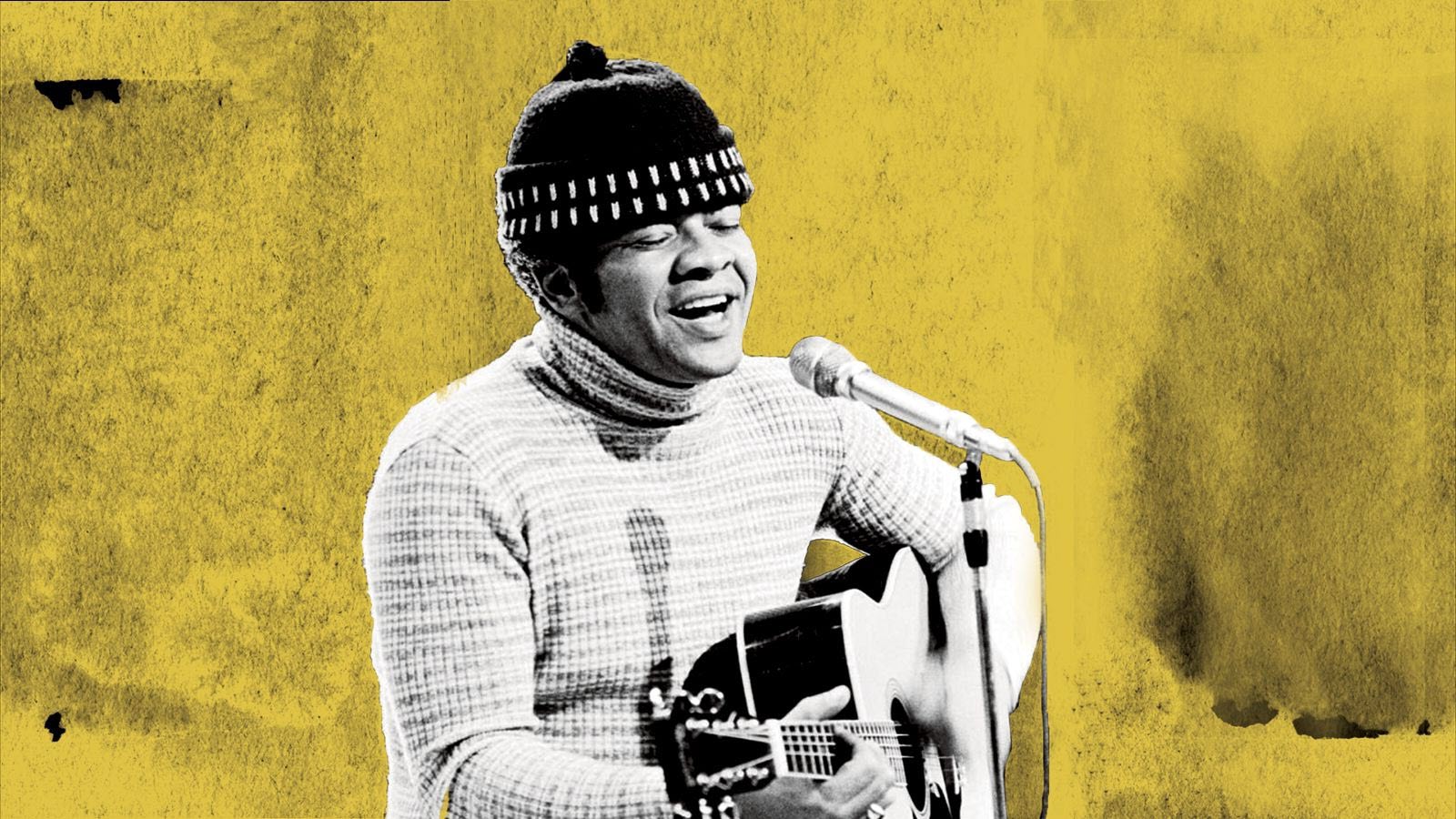
Bill Withers, the soulful maestro whose timeless melodies have etched themselves into the fabric of music history, continues to resonate with audiences worldwide. With a career that blossomed in the 1970s, Withers brought a unique blend of heartfelt lyrics and smooth grooves, creating songs that not only topped charts but also captured the essence of human experience. From love and heartbreak to hope and resilience, his music transcends generations, making it as relevant today as it was decades ago.
In this article, we dive into the top 10 most popular Bill Withers songs of all time, exploring the stories behind each track and the profound impact they’ve had on the music landscape. Whether you’re a lifelong fan or a newcomer to his work, these songs represent the very best of Withers’ artistry. Prepare to be transported through a journey of emotion and nostalgia as we celebrate the genius of a man whose voice and lyrics have become a soundtrack for countless lives. Join us as we pay homage to the enduring legacy of Bill Withers, a true legend whose songs will forever echo in our hearts.
1. Ain’t No Sunshine
Released in 1971, “Ain’t No Sunshine” remains one of Bill Withers’ most iconic songs—stripped down, emotionally charged, and unforgettable. The song taps into the universal ache of longing, with Withers pouring his heart out over the emptiness left behind when a loved one departs. What makes this song stand out is its minimalism: a somber string arrangement, a haunting bass line, and that famous repeated refrain—“I know”—which Withers says 26 times in a row. That repetition isn’t filler—it’s emotion building, echoing the obsessive nature of grief. His baritone voice doesn’t scream or wail, yet every word carries weight. You can feel the stillness, the sorrow, and the loneliness in every pause. Inspired by his own experiences and observations of relationships around him, the song has transcended generations, appearing in films, TV shows, and cover versions across genres. “Ain’t No Sunshine” isn’t just a song—it’s a mood, a feeling we’ve all faced when love goes missing. Withers’ gift was his ability to say something deeply personal in a way that felt universal. It’s no wonder this song became a timeless piece of American soul and one of his earliest chart-topping hits.
2. Lean on Me
“Lean on Me,” released in 1972, is more than just a hit—it’s a musical embrace. Withers wrote this song from a place of experience, having grown up in the close-knit community of Slab Fork, West Virginia, where neighbors supported each other through thick and thin. That sense of togetherness is woven into every lyric. The message is simple but powerful: we all need someone to lean on, and we all can be that someone for someone else. The piano-driven melody and gospel-tinged arrangement lift the song with a spiritual warmth, while Withers’ voice acts like a guiding hand through hardship. His vocals aren’t flashy, but they’re honest—and that sincerity is why “Lean on Me” has become a universal anthem for unity, friendship, and resilience. It’s been sung at school assemblies, funerals, protests, and celebrations, always meeting the moment. The beauty of the song lies in its clarity: “We all have pain, we all have sorrow.” In just a few lines, Withers delivers comfort that feels as relevant now as it did decades ago. It’s a lasting reminder that even in our weakest moments, we’re never truly alone.
3. Lovely Day
Released in 1977, “Lovely Day” is a ray of sunshine set to music. From the opening notes, the song wraps you in warmth, setting the tone for what feels like the soundtrack to a perfect morning. Withers’ smooth, optimistic delivery turns this song into a daily affirmation. The lyrics speak of facing the day with a hopeful heart—no matter what challenges lie ahead. One of the most iconic parts of the song is Withers’ sustained 18-second note near the end, holding the word “day” longer than most singers could manage, all while sounding effortless. The rhythm, provided by a breezy bassline and laid-back groove, turns the tune into something you can sway to without a care in the world. This track isn’t about escapism; it’s about choosing joy, choosing love, and finding beauty in everyday moments. Over the years, “Lovely Day” has been featured in commercials, films, and feel-good playlists across generations. It’s not just a love song—it’s a mindset. Withers once said the song was about the power of a single person to change your outlook, and that message still resonates every time the chorus rolls around.
4. Just the Two of Us
“Just the Two of Us,” released in 1981 as a collaboration between Bill Withers and saxophonist Grover Washington Jr., is a glowing celebration of love and partnership. The song captures that rare, quiet confidence in a relationship where both people are fully present, building something meaningful together. Withers’ silky vocals float effortlessly over Washington’s smooth jazz instrumentation, striking a perfect balance between romance and groove. The lyrics aren’t overly poetic or abstract—they’re plainspoken and sincere, which makes them hit even harder. “We can make it if we try,” Withers sings, and it feels like both a promise and a mantra. The track has become a wedding staple and is often used to represent genuine emotional intimacy. It’s about more than just romance; it’s about commitment, shared dreams, and the joy found in companionship. There’s a relaxed elegance to the whole arrangement, and the chemistry between Withers and Washington is palpable. Even decades later, the song still feels fresh—proof that the simplest sentiments, when expressed with honesty and artistry, never go out of style. “Just the Two of Us” remains one of the most enduring love songs in modern music history.
5. Use Me
Released in 1972, “Use Me” is a funky, provocative exploration of love, power, and vulnerability. From the first moments of the opening groove—led by a hypnotic bassline and sharp clavinet—you know you’re in for something different. Withers flips the traditional narrative of heartbreak by proudly embracing his position in a complicated relationship. “My friends feel it’s their appointed duty,” he sings, as they warn him he’s being taken advantage of. But Withers doesn’t shy away from it. In fact, he leans in, admitting that the emotional and physical connection is worth the turmoil. This bold honesty sets the song apart—it’s not about being a victim, but about acknowledging desire with no apologies. His vocal delivery is as confident as it is restrained, letting the raw truth in the lyrics carry the weight. The track builds with infectious energy, making it both a dance floor favorite and a deep emotional cut. “Use Me” challenges listeners to think differently about love and agency, while also being irresistibly catchy. It’s funky, bold, and introspective all at once—showcasing Bill Withers at his most daring and musically adventurous.
6. Grandma’s Hands
“Grandma’s Hands,” released in 1971, is a tender and deeply personal tribute to Bill Withers’ grandmother. Unlike many soul tracks of its time, this song doesn’t rely on sweeping instrumentation—instead, it strips everything down to Withers’ voice, a few guitar chords, and the quiet reverence of memory. In just a few verses, he paints a vivid picture of his grandmother’s loving presence, singing about how her hands comforted him, prayed for him, and protected him when others didn’t understand. The lyrics carry a warmth and spiritual depth that speak to the deep influence of family, especially matriarchs, in African-American communities. It’s a song of gratitude and remembrance, full of intimate details that make it relatable to anyone who’s ever felt anchored by a grandmother’s love. Though the track is short, it leaves a lasting impact. “Grandma’s Hands” is more than just a nostalgic reflection—it’s a quiet celebration of legacy, wisdom, and the simple gestures that shape our lives forever. Withers sings not from a distance but from a place of closeness, making this one of the most heartfelt songs in his catalog.
7. Who Is He (And What Is He to You)?
“Who Is He (And What Is He to You)?” from Withers’ 1972 album Still Bill is a simmering, funk-infused tale of suspicion and jealousy. Driven by a smoky groove and a tight rhythm section, the song unfolds like a private detective story in real time. Withers plays the role of a man slowly connecting the dots, as he becomes increasingly convinced that something isn’t right in his relationship. His calm but intense vocal delivery gives the track a smoldering quality—it’s less about rage and more about rising doubt. “You tell me men don’t have much intuition,” he sings, challenging that stereotype with a sharp eye and a sharper tongue. The arrangement complements the theme perfectly, keeping the tension steady and unrelenting. Unlike some of his gentler hits, this one dives into the darker, more complex corners of love, where trust is fraying and questions linger unanswered. “Who Is He” shows Withers’ storytelling skill at full force, using understated soul and funk elements to drive a narrative rich in emotion, suspicion, and the quiet unraveling of a relationship.
8. Harlem
“Harlem,” the opening track from Bill Withers’ debut album Just As I Am (1971), is a dynamic portrait of urban life wrapped in smooth soul and understated funk. Right from the start, it establishes Withers as not just a singer, but a storyteller. He paints Harlem with both affection and grit, capturing the rhythms of daily life—the heat, the hustle, and the human spirit that keeps everything moving. The song opens with a mellow vibe that quickly builds in energy, mirroring the way Harlem wakes up and comes alive throughout the day. “Summer night in Harlem, man it’s really hot,” he sings, setting the scene with vivid imagery and grounded realism. Withers’ voice doesn’t just narrate—it places you right there on the sidewalk, among the laughter, struggles, and resilience. The song is musically rich yet never overwhelming, combining funk grooves with subtle jazz undertones. “Harlem” showcases Withers’ ability to elevate everyday observations into something poetic and powerful. It’s a tribute not just to a place, but to a people and a culture, brought to life through soulful honesty and rhythmic finesse.
9. I Can’t Write Left-Handed
“I Can’t Write Left-Handed” is one of Bill Withers’ most gripping and emotionally charged songs, originally performed live in 1973. It tells the haunting story of a wounded Vietnam War veteran who can no longer write home after being shot in his right arm. Withers takes on the voice of this soldier, sharing his trauma and pain with heartbreaking detail. The song begins with a spoken introduction, setting a somber and reflective tone. When the music kicks in, it moves at a slow, bluesy pace, mirroring the weight of the subject matter. The lyrics are raw, honest, and unflinching—highlighting the horrors of war and the human cost often hidden behind patriotic slogans. Withers doesn’t preach; he simply tells a story that demands to be heard. His performance is both restrained and powerful, allowing the emotion to flow without needing dramatic flourishes. “I Can’t Write Left-Handed” is not just a protest song—it’s a deeply human lament. It reminds us that behind every political decision are individuals whose lives are changed forever. Few artists could deliver such a song with the compassion, depth, and truth that Withers brings to it.
10. Let Me Be the One You Need
“Let Me Be the One You Need” is a heartfelt plea for love and emotional connection, delivered with Bill Withers’ signature sincerity. Nestled in the Still Bill album from 1972, the song showcases Withers at his most vulnerable and tender. The arrangement is warm and soulful, with smooth harmonies and a subtle groove that doesn’t overshadow the lyrics. Withers sings from the depths of longing, asking to be the one his lover turns to—not for flashy romance, but for real, steady companionship. “When the night grows cold, and you’re all alone,” he offers himself as a source of comfort and strength. What sets the song apart is its balance between confidence and humility. Withers doesn’t beg—he offers. And in that offering is a quiet strength. His delivery is gentle but resolute, communicating care without desperation. This track may not be as well-known as some of his major hits, but it captures the depth of emotion and emotional intelligence that made his songwriting so special. It’s a love song not about possession, but about presence—a promise to simply be there, no matter what.

Edward Tomlin is a frequent contributor to Singers Room. Since 2005, Singersroom has been the voice of R&B around the world. Connect with us via social media below.







