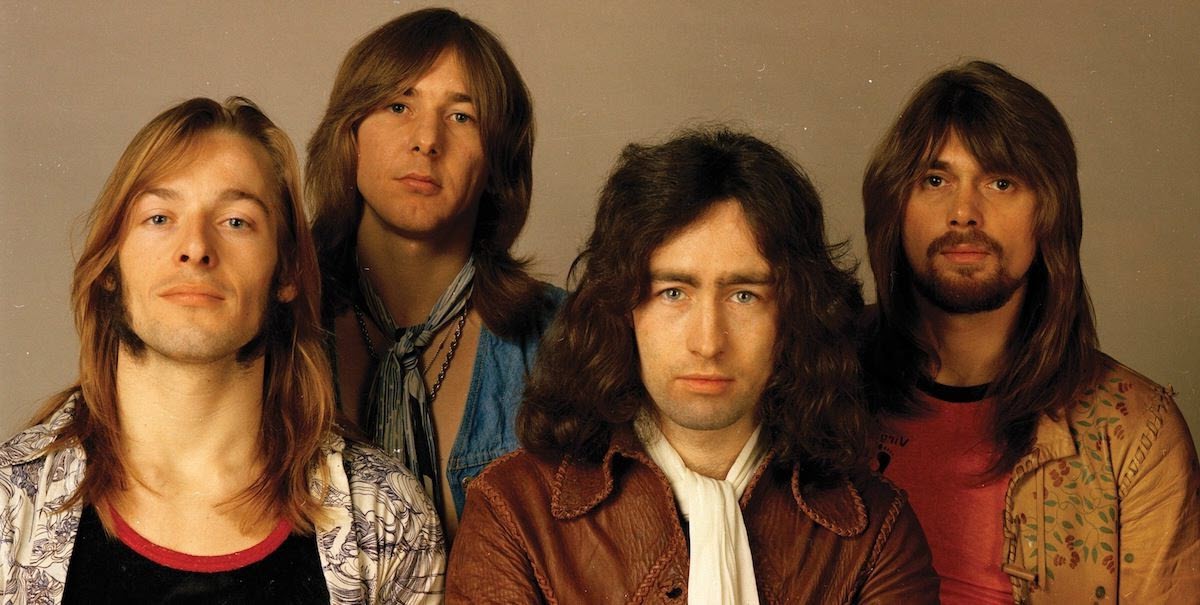
When it comes to classic rock, few bands have left as indelible a mark as Bad Company. Formed in 1973, this British supergroup took the music scene by storm with their gritty sound, powerful vocals, and unforgettable riffs. With timeless hits that blend hard rock with soulful melodies, Bad Company’s music has transcended generations, captivating fans both old and new.
From their anthemic choruses to the raw emotion in their lyrics, each song tells a story that resonates deeply with listeners. Whether you’re cranking up the volume on a summer road trip or reminiscing about a night out with friends, Bad Company’s tracks are guaranteed to ignite nostalgia and excitement.
In this article, we’ll take a thrilling ride through the top 10 most popular Bad Company songs of all time. Get ready to relive the magic of rock ‘n’ roll as we explore the tracks that not only defined a decade but also solidified Bad Company’s legacy in music history. From soulful ballads to hard-hitting rock anthems, join us as we celebrate the sound that continues to inspire countless artists and fans alike!
1. Feel Like Makin’ Love (1975)
“Feel Like Makin’ Love” is a quintessential rock ballad that captures the heady rush of passion and emotional vulnerability with effortless ease. Opening with a gentle acoustic guitar and Paul Rodgers’ soulful, restrained vocals, the track lulls the listener into an intimate atmosphere—before exploding into gritty, distorted guitar riffs that speak to the raw intensity of desire. It’s that contrast between soft and hard, tender and bold, that makes the song so memorable. The lyrics are straightforward yet deeply evocative, tapping into that universal moment when love, lust, and longing all converge. Bad Company walks a fine line between rock aggression and romantic sincerity, and they walk it brilliantly here. “Feel Like Makin’ Love” isn’t just a song about sex or romance—it’s about the full-bodied emotional experience that comes with falling for someone, with all the fire and uncertainty that entails. The song has aged gracefully, maintaining its status as a staple of classic rock radio and romantic playlists alike. Whether played loud in a car or quietly through headphones, it continues to stir listeners, decades after its release. This track firmly cemented Bad Company’s talent for crafting slow-burning anthems with heart and grit.
2. Bad Company (1974)
The self-titled track “Bad Company” isn’t just a song—it’s a statement of purpose. Opening with haunting piano chords and a slow-burning tension, the track builds into a dramatic tale of an outlaw spirit living on the edge of society. Paul Rodgers’ vocals are solemn and commanding, giving voice to a character that feels as mythic as any Old West antihero. The song carries a bluesy weight, mixing moody minimalism with explosive, soulful guitar lines from Mick Ralphs. Lyrically, it’s a meditation on identity, freedom, and fate—“Rebel souls, deserters we are called / Chose a gun and threw away the sun.” These are words that echo with a kind of romantic fatalism, making the track more than just a rock song—it’s an anthem for anyone who’s ever felt like they didn’t fit in. “Bad Company” defined the band’s image and ethos right out of the gate, casting them as rock’s wandering loners, equal parts danger and allure. It also helped shape the thematic edge of 1970s rock, influencing generations of bands with its brooding intensity. Even now, the song feels timeless—quietly menacing, emotionally honest, and undeniably iconic.
3. Shooting Star (1975)
“Shooting Star” is one of Bad Company’s most emotionally powerful tracks—a cautionary tale wrapped in rock ’n’ roll storytelling at its finest. The song tells the story of Johnny, a young dreamer who rises to fame only to be undone by its excesses. From the opening chords, there’s a sense of melancholy and inevitability that threads through every verse. Paul Rodgers delivers the vocals with understated sadness, capturing both the excitement of newfound fame and the tragedy of a life cut short. The arrangement is restrained and tasteful, letting the lyrics take center stage while subtle guitar lines and a steady rhythm keep the song grounded. “Shooting Star” isn’t just about rock stardom—it’s about the dangers of chasing dreams too fast and the emptiness that sometimes lies behind the spotlight. In a way, it’s a love letter to music and a warning all in one. The track resonates just as strongly today, especially in an age where artists burn out under public scrutiny. It’s more than a song—it’s a narrative ballad that digs deep into the soul, reminding listeners of the fragile humanity behind the glitz and glamour of fame.
4. Movin’ On (1974)
“Movin’ On” captures the essence of life on the road—restless, energized, and always chasing something new. Right from the first guitar riff, the track surges forward with a sense of momentum that mirrors the lyrics’ message of constant travel and reinvention. Paul Rodgers sings with a confident swagger, channeling the voice of a wanderer who refuses to be tied down. There’s a joyful defiance in lines like “I get up in the morning and it’s just another day,” celebrating the freedom that comes with letting go of roots and expectations. The instrumentation is classic Bad Company: tight, punchy, and rhythmically alive. It feels like a highway song—built for long drives, wind in your hair, and endless horizons. At its core, “Movin’ On” is about resilience: rolling with life’s changes and finding strength in motion. It speaks to anyone who’s ever had to start over, leave the past behind, or chase something uncertain. Over the years, it’s become a fan favorite not just because it rocks, but because it speaks to that deeply human desire to keep moving forward, no matter what.
5. Rock ‘n’ Roll Fantasy (1979)
“Rock ‘n’ Roll Fantasy” is a celebration of music as both an escape and a calling—a rousing anthem for dreamers, performers, and fans alike. Built around a hypnotic guitar riff and a steady, pulsing beat, the track immediately draws you into its world. Paul Rodgers delivers the vocals with a balance of cool detachment and quiet reverence, as if he’s letting you in on a secret: that rock and roll is more than sound—it’s salvation. The lyrics reflect on the emotional highs and lows of life in a band, capturing that magical moment when a song hits just right and the crowd is with you. “Here comes the jesters, one, two, three / It’s all part of my fantasy.” There’s a dreamy, surreal quality to the whole track, but it never loses its grounding in real feeling. Released toward the end of the ’70s, the song marked a reflective turn for Bad Company—still rocking, but also thinking deeply about what it all means. It’s a love letter to the power of performance and the bond between artist and audience, proving that sometimes, fantasy is the most real thing of all.
6. Can’t Get Enough (1974)
“Can’t Get Enough” is a pure rush—an anthem of desire and raw rock energy wrapped in a catchy three-minute package. From the first guitar riff, Bad Company grabs your attention, and Paul Rodgers’ powerful vocals make the emotion hit like a wave. This song isn’t subtle about longing: the lyrics ooze hunger, whether for adventure, love, or adrenaline. It’s the kind of tune that gets stuck in your head and begs to be turned up loud on the stereo. The band’s chemistry is effortless—tight drums, bold guitar solos, and a rhythm section that pulses with life. What stands out is Rodgers’ delivery: emotional yet controlled, singing of fierce yearning without slipping into melodrama. There’s something timeless about it; the music feels fresh even decades after its release. “Can’t Get Enough” solidified Bad Company’s place as masters of guitar-driven rock with heart. It’s the perfect song to fuel a road trip, elevate a moment, or remind you what it feels like when desire takes hold. Simply put, it captures the glorious simplicity of rock music at its best.
7. Seagull (1974)
“Seagull” is Bad Company at their most introspective—an acoustic ballad that feels like a late-night confession by the shore. With gentle guitar picking and spacious instrumentation, the song sets a reflective tone from the first note. Paul Rodgers adopts a softer vocal tone here, letting his voice quiver just enough to convey longing and restlessness. The lyrics paint a picture of a person watching a seagull flying free, wishing they could be so unbound. It’s a simple image, but one imbued with layers of nostalgia, hope, and quiet heartache. There are no flashy solos or pounding drums—only emotion carried on a melodic breeze. That restraint is its beauty: “Seagull” lets the listener fill the spaces with their own memories and dreams. It’s a reminder that sometimes, a bare melody and heartfelt vocals are all you need to tell a deep story. Over time, this song has become a favorite of longtime fans, noted not just for its musical beauty, but for its emotional honesty. In just a few minutes, Bad Company shows they can do more than rock—they can also touch the heart.
8. Run with the Pack (1976)
“Run with the Pack” is a rallying cry to live boldly and lean into your tribe, wherever your journey leads. The song kicks off with a driving guitar riff that sets the pace for what feels like an open-road anthem. Paul Rodgers sings with a sense of camaraderie and fierce loyalty: “Ain’t no disgrace, you come from my place”—it’s a statement of shared identity and unity. The rhythm section pumps confidently, making you feel like you’re moving forward at the wheel of your own destiny. Lyrically, it taps into that universal desire to belong—to belong with people who understand your dreams and struggles. The chorus swells with warmth, encouraging you to “run with the pack” and trust in the power of collective experience. It’s a song suited for long drives, late-night bonfires, or moments when you need a reminder that you don’t have to go it alone. Bad Company balances rock flair with deep emotional resonance here, proving they’re not just about riffs and hooks—they know how to write songs that stick in your soul.
9. Good Lovin’ Gone Bad (1975)
“Good Lovin’ Gone Bad” is Bad Company turning up the heat on heartbreak, blending lush rock production with raw emotion. The opening guitar line grips you instantly, but it’s Paul Rodgers’ vocal delivery that gives the song its emotional punch—equal parts regret and defiance. He sings of love turned toxic, of moments when affection becomes betrayal. The lyrics don’t shy away from messy truths—no romantic gloss, just the aching aftermath of something that once brought joy. Musically, the band layers dynamic guitar riffs and sturdy drum rhythms to mirror the tension between attraction and pain. Rodgers’ voice cuts through it all with a soulful intensity, making the heartbreak feel immediate and real. “Good Lovin’ Gone Bad” hits hard because it doesn’t abstract heartbreak—it lives it. It’s the kind of rock song that feels personal, like hearing someone you know confess their own wounds. That resonance makes it unforgettable and why it still holds a place on classic rock playlists today.
10. Electricland (1982)
“Electricland” feels like Bad Company’s entry into the neon-lit 1980s—a track that blends their classic rock sensibilities with a new wave sheen. From its synth-friendly opening to the pulsing rhythm and electric guitar interplay, the song captures the energy and uncertainty of modern life. Paul Rodgers delivers vocals that sound intrigued and introspective, grappling with the buzzing, fast-paced world around him. The lyrics evoke city lights, late nights, and the search for connection in a digital age: “Deliver us from evil eyes” feels like a plea for authenticity in an increasingly artificial world. The band holds onto its rock roots—guitar work is still melodic and tactile—but there’s an atmospheric depth here that nods to emerging ’80s styles. It’s both a departure and an evolution, showing they could adapt without losing their identity. “Electricland” may not be their most commercially celebrated song, but it stands out as a creative risk—and a successful one. It captures a moment of transition, both for the band and for rock music, making it a compelling and underrated gem in Bad Company’s catalog.

Edward Tomlin is a frequent contributor to Singers Room. Since 2005, Singersroom has been the voice of R&B around the world. Connect with us via social media below.









