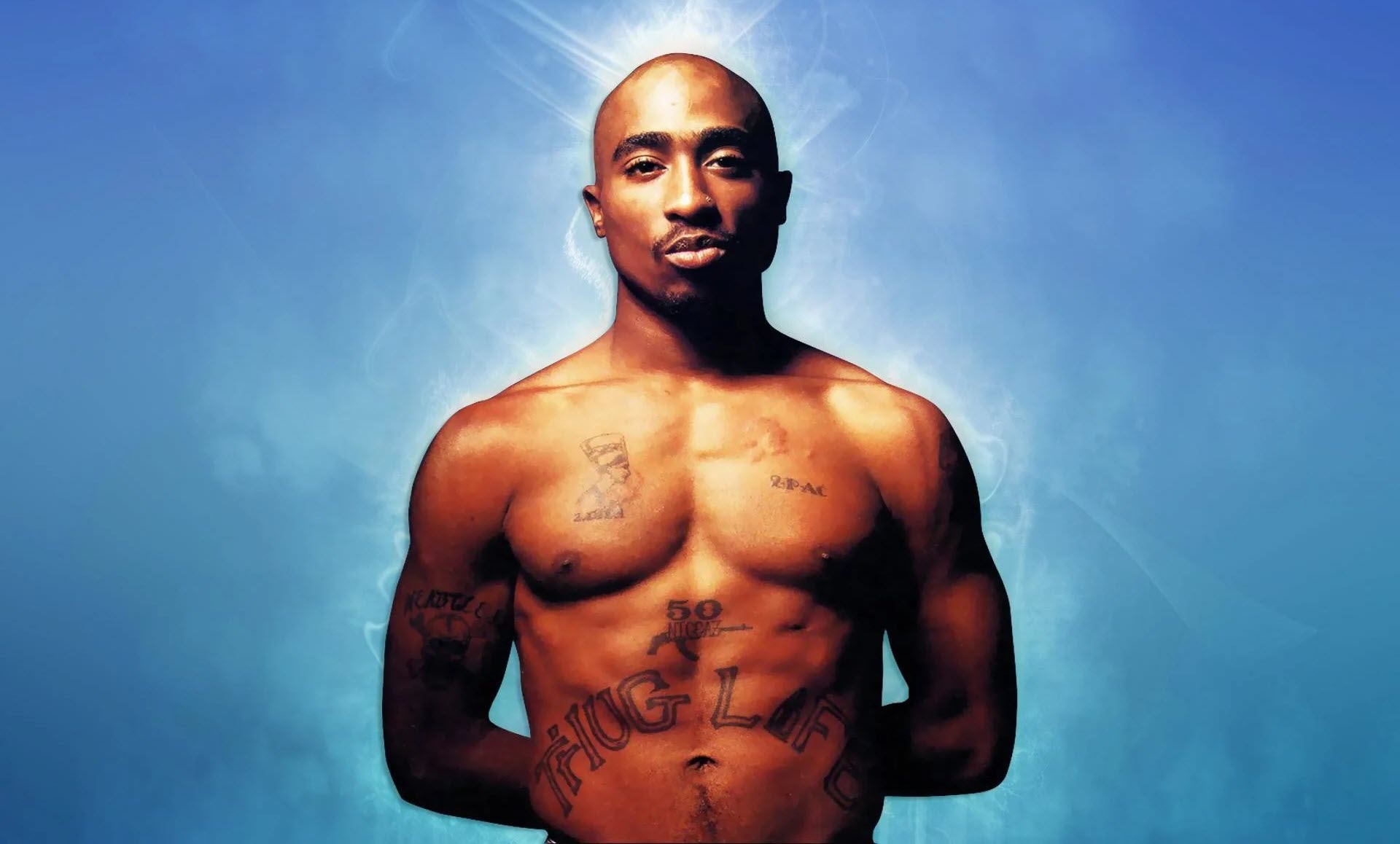
Few artists have left a mark on music and culture as deeply as Tupac Shakur, better known as 2Pac. More than just a rapper, 2Pac was a poet, activist, actor, and revolutionary voice of his generation. His music captured the raw reality of life in America’s inner cities—tackling themes of poverty, violence, systemic injustice, love, and resilience with unmatched passion and lyrical brilliance. Whether he was delivering fiery diss tracks, heartfelt tributes to women, or soul-searching reflections on mortality, 2Pac’s words spoke directly to millions, resonating far beyond the world of hip-hop. Even decades after his untimely death in 1996, his influence remains as strong as ever, with new fans discovering his music and longtime listeners keeping his legacy alive. In this article, we’re diving into the Top 10 Most Popular 2Pac Songs of All Time—tracks that not only defined his career but also helped shape the very foundation of rap music. From West Coast anthems to introspective ballads, these songs represent the essence of 2Pac’s genius. Whether you’re a lifelong fan or just beginning your journey through his discography, this list will take you through the unforgettable moments that made 2Pac a legend. Let’s begin.
1. California Love (1995)
When “California Love” hit the airwaves in 1995, it wasn’t just a comeback—it was a cultural earthquake. 2Pac had just been released from prison and signed with Death Row Records, and his return was anything but quiet. Produced by Dr. Dre, who also laid down a smooth, commanding verse, the song fused G-funk with a sample of Joe Cocker’s “Woman to Woman” and a talk box hook from Zapp frontman Roger Troutman. The result? A celebratory, synth-heavy banger that instantly became an anthem for the Golden State. Lyrically, Pac is full of swagger and pride, painting vivid scenes of West Coast life with lines that feel both personal and mythic. The Mad Max-inspired music video added another layer of spectacle, cementing the song’s place in pop culture. “California Love” peaked at No. 1 on the Billboard Hot 100 and became one of the defining tracks of ‘90s hip-hop. It symbolized a new chapter in Pac’s career—glossier, more mainstream, but still grounded in the streets. Decades later, it still brings the party wherever it’s played. More than just a comeback, “California Love” is one of the most iconic and celebratory rap tracks of all time.
2. Changes (1998)
“Changes,” released posthumously in 1998, is one of 2Pac’s most profound and socially resonant songs. Originally recorded in 1992, the track finds Pac laying bare his thoughts on racism, poverty, police brutality, and inequality in America. Sampling Bruce Hornsby’s “The Way It Is,” the instrumental provides a melancholic but hopeful backdrop that lets Pac’s words shine. His opening line—“I see no changes, wake up in the morning and I ask myself / Is life worth living, should I blast myself?”—is brutally honest and heartbreaking, immediately setting a tone of urgency and introspection. Unlike many posthumous releases, “Changes” retains the rawness and clarity of Pac’s original vision, untouched by overproduction. It’s a call for empathy, justice, and transformation, delivered through deeply personal storytelling. The song became a global hit and introduced new listeners to Pac’s activist spirit. He wasn’t just speaking for himself—he was amplifying the struggles of a community. “Changes” remains a timeless piece of commentary, still relevant in today’s sociopolitical climate. It’s a reminder of Pac’s depth as an artist and his enduring power as a voice for change.
3. Hit ’Em Up (1996)
“Hit ’Em Up” is 2Pac at his most vicious and confrontational. Released in 1996 as the B-side to “How Do U Want It,” this infamous diss track took direct aim at The Notorious B.I.G., Bad Boy Records, and anyone associated with them. From the very first line—“That’s why I fed your b**, you fat motherf***r”—Pac makes it clear that this isn’t a battle for sport; it’s personal warfare. The track is unrelenting, with Pac delivering venomous verses backed by the raw energy of the Outlawz. The funky, almost deceptively upbeat instrumental adds to the track’s disturbing intensity. More than just a diss track, “Hit ’Em Up” became a defining moment in the East Coast–West Coast rivalry, fueling tensions that would later have tragic consequences. Though controversial and criticized for escalating the feud, the song’s emotional rawness and unapologetic tone made it unforgettable. It showcased a side of Pac that was deeply wounded, angry, and determined to assert dominance. Love it or hate it, “Hit ’Em Up” remains one of the most iconic and explosive diss tracks in hip-hop history, a grim reminder of how real and dangerous rap beefs can become.
4. Hail Mary (1996)
Dark, moody, and haunting, “Hail Mary” stands as one of 2Pac’s most introspective and eerie songs. Released in 1996 under his alias Makaveli on The Don Killuminati: The 7 Day Theory, the track diverges from his more aggressive material and instead offers a slow-burning meditation on mortality, revenge, and the afterlife. Produced by Hurt-M-Badd, the beat is minimalist and haunting, driven by eerie bells and ominous bass, creating a chilling spiritual atmosphere. Pac’s delivery is subdued, almost ghostlike, as he weaves religious imagery and street wisdom into something that feels more like a prayer than a song. The repeated invocation of “Hail Mary” adds a ritualistic tone, suggesting a man haunted by guilt, prophecy, and paranoia. The Outlawz lend support, but it’s Pac’s presence that looms over the track. Though never a commercial single, “Hail Mary” became a fan favorite and is considered one of his most powerful posthumous releases. In light of his untimely death, the song feels almost prophetic, as if Pac was staring into the future and warning us all. “Hail Mary” is a gripping reminder of 2Pac’s complex mind—a poet, a prophet, and a man at war with the world and himself.
5. Dear Mama (1995)
Few rap songs are as heartfelt and universally loved as “Dear Mama.” Released in 1995, this tender tribute to 2Pac’s mother, Afeni Shakur, revealed a vulnerability that few rappers dared to show. Built around a warm, nostalgic sample of The Spinners’ “Sadie,” the song carries a mellow groove that perfectly matches Pac’s emotional delivery. He doesn’t shy away from hard truths—acknowledging his mother’s struggles with addiction and poverty—but balances that with deep gratitude and love. “Even as a crack fiend, mama, you always was a Black queen, mama,” he raps, summing up the song’s central message: unconditional love and forgiveness. “Dear Mama” was critically acclaimed and reached No. 9 on the Billboard Hot 100, eventually earning a place in the Library of Congress for its cultural significance. It resonated far beyond hip-hop circles, becoming a universal anthem for those who recognize the sacrifices of their mothers. It also gave the world a glimpse into the man behind the myth—a son grappling with his past, giving thanks through his art. “Dear Mama” remains one of the most touching songs ever recorded in hip-hop, and arguably one of Pac’s greatest legacies.
6. Keep Ya Head Up (1993)
Released in 1993, “Keep Ya Head Up” stands out as one of 2Pac’s most compassionate and empowering songs. At a time when misogyny was rampant in hip-hop, Pac flipped the script, delivering a heartfelt message of respect and encouragement to women—particularly Black women—who face systemic oppression, violence, and neglect. Built on a smooth sample from Zapp’s “Be Alright” and featuring a soulful hook by Dave Hollister, the song mixes warmth with gritty realism. Pac addresses issues like single motherhood, domestic abuse, and poverty without preaching, instead offering strength, solidarity, and hope. “You are appreciated,” he raps, in what would become one of his most enduring lines. The song’s social message is as relevant now as it was then, reflecting Pac’s role not just as an artist but as an activist and street poet. “Keep Ya Head Up” showed that hip-hop could be tough and tender, streetwise and socially conscious, all at once. It elevated Pac’s voice beyond gangster rap and cemented his place as someone who truly cared about his community. Even today, it’s regularly cited as one of the most uplifting and feminist tracks in hip-hop history—a powerful anthem of resilience.
7. Ambitionz Az a Ridah (1996)
“Ambitionz Az a Ridah” kicks off 2Pac’s All Eyez on Me with pure fire and focus. Released in 1996, the track is a bold declaration of identity—2Pac as the unshakable outlaw, untouchable and unapologetic. Produced by Daz Dillinger, the beat is instantly recognizable: a hypnotic piano loop, deep bass, and sharp snares that hit like warning shots. Pac enters with the now-iconic opening line, “I won’t deny it, I’m a straight ridah / You don’t wanna f*** with me,” and from there, it’s three minutes of unrelenting confidence and bravado. His flow is rapid, aggressive, yet perfectly controlled—riding the beat with an energy that commands attention. This track wasn’t released as a traditional single, but it became one of his most quoted and revered songs, particularly in hip-hop circles. It set the tone for All Eyez on Me, Pac’s first album after signing with Death Row Records, and marked his full transformation into a defiant icon. “Ambitionz Az a Ridah” is more than a street anthem—it’s a battle cry, a manifesto, and a masterclass in confidence under pressure. It remains a staple in rap playlists and a cornerstone of 2Pac’s legacy.
8. Ghetto Gospel (2005)
Released posthumously in 2005, “Ghetto Gospel” offers a spiritual and reflective side of 2Pac that’s both heartfelt and timeless. The track was originally recorded in 1992 but was later reworked for release by Eminem, who added modern production touches while keeping Pac’s original verses intact. Built around a powerful sample of Elton John’s “Indian Sunset,” the song carries an almost hymn-like quality. The orchestral instrumentation and Elton’s subtle background vocals give it an emotional weight that elevates Pac’s message. Unlike his more aggressive material, here he raps with a calm sincerity, urging peace, unity, and self-awareness. He speaks of the pain of inner-city life, the cycle of violence, and the need for redemption, not just for himself but for his community. What makes “Ghetto Gospel” special is how effortlessly Pac’s voice—recorded more than a decade earlier—blends with the updated production, a testament to the timeless nature of his words. The track became a major hit overseas, especially in the UK where it topped the charts, and introduced a new generation to Pac’s socially conscious artistry. “Ghetto Gospel” isn’t just a song—it’s a heartfelt sermon that still resonates with listeners around the world.
9. 2 of Amerikaz Most Wanted (1996)
“2 of Amerikaz Most Wanted” is a smooth, charismatic anthem that brings together two of West Coast rap’s most iconic voices—2Pac and Snoop Dogg. Released in 1996 on All Eyez on Me, the track blends slick production by Daz Dillinger with effortless lyrical chemistry. Pac and Snoop trade verses like old friends with a shared mission, telling tales of survival, street justice, and fame with swagger and wit. What makes the track shine is the sheer fun in its execution—despite the legal drama surrounding both rappers at the time, the song radiates confidence and camaraderie. The funky, G-funk-inspired beat gives the song a laid-back West Coast vibe, while the verses remind listeners of the pressure and pride that come with outlaw status. The music video, which parodies Scarface, adds humor and visual flair, making it a fan favorite. Though it didn’t dominate the charts, “2 of Amerikaz Most Wanted” became a defining moment in both artists’ careers and a staple of West Coast hip-hop. It’s the sound of two legends in sync, flipping off their critics with style, and making sure the world knows they’re not going anywhere.
10. I Ain’t Mad at Cha (1996)
“I Ain’t Mad at Cha,” released in 1996 shortly after 2Pac’s death, is one of his most introspective and bittersweet songs. Built around a soulful piano riff and a smooth hook sung by Danny Boy, the track offers a reflective meditation on friendship, personal growth, and the changing paths of life. 2Pac addresses a former friend who has chosen a different route—possibly moving away from the street life or finding religion—and while there’s a sense of distance, there’s no bitterness. Instead, Pac expresses understanding and respect. The lyrics are mature, thoughtful, and deeply personal, revealing a side of Pac that’s rarely associated with his more combative tracks. The accompanying music video, released posthumously, adds emotional depth, showing a dramatized version of his death and afterlife. It’s almost eerie in its timing, making the song feel like a final farewell. “I Ain’t Mad at Cha” captures 2Pac at his most human—reflecting on growth, forgiveness, and the need to move forward without hate. It’s a standout not only for its emotional resonance but for its proof that even a hardened outlaw can evolve. Decades later, the song still hits with its poignant honesty.

Samuel Moore is a frequent contributor to Singers Room. Since 2005, Singersroom has been the voice of R&B around the world. Connect with us via social media below.









