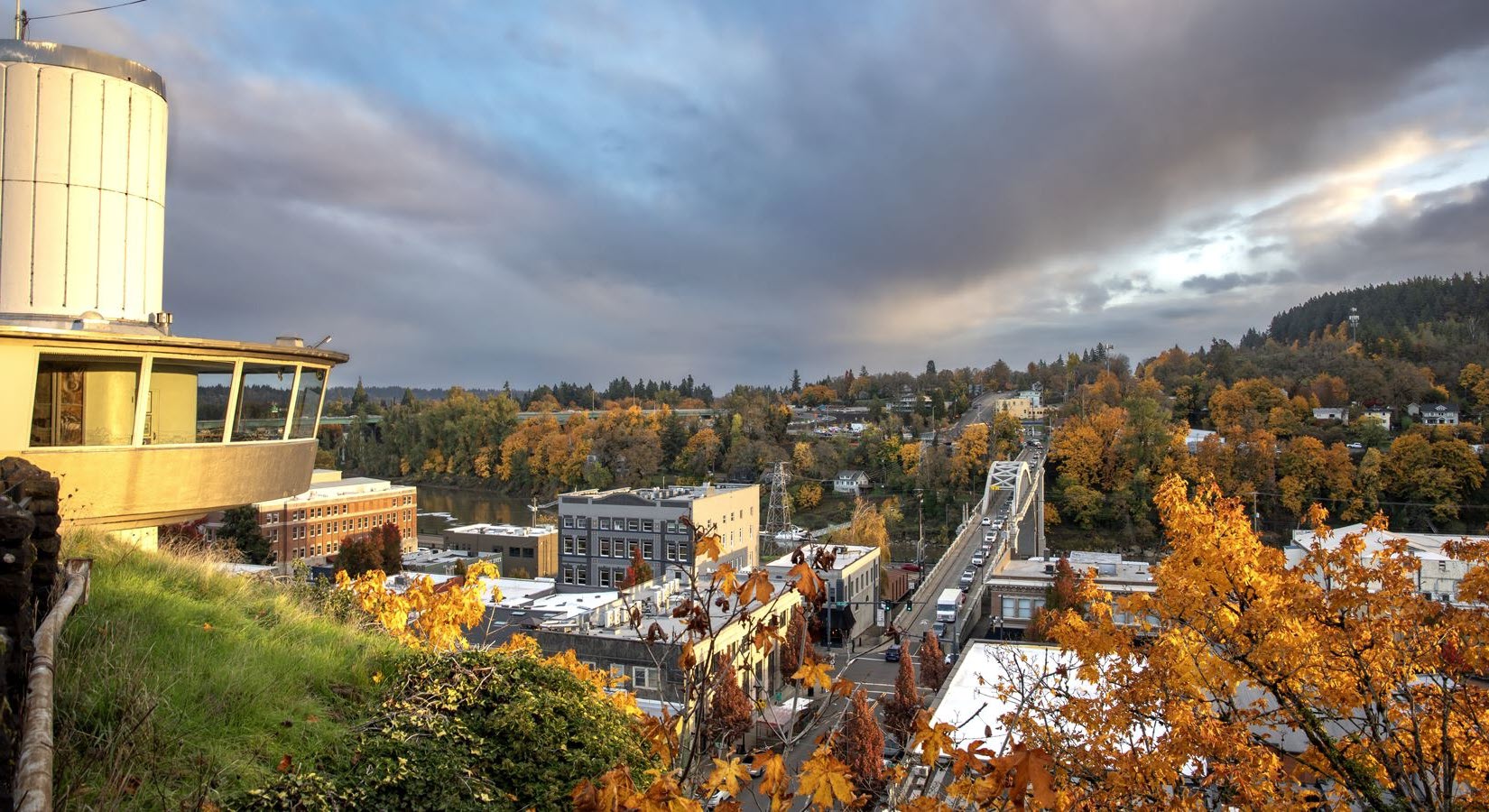
Oregon may be known for its misty forests, rugged coastlines, and hipster coffee shops—but it’s also a hidden goldmine of musical talent. From the indie streets of Portland to the college-town vibes of Eugene, the Beaver State has produced some of the most influential and genre-defying artists in modern music. Whether it’s the raw power of grunge, the smooth soul of jazz, or chart-topping pop hits, Oregon’s music scene is as diverse as its landscapes. In this countdown, we’re diving into the lives and legacies of the Top 10 Most Popular Famous Singers from Oregon—artists who not only made waves on the national stage but also carry the creative DNA of the Pacific Northwest in every note they sing. Some were born and raised here, others found their artistic voice in its rain-soaked studios and eclectic venues. But all of them have helped shape what Oregon sounds like to the world. So plug in your headphones, crank up the volume, and get ready to rediscover the voices that put Oregon on the musical map—one unforgettable track at a time.
1. Courtney Love
Courtney Love has never been easy to pin down—and that’s precisely what makes her such an unforgettable force in rock music. Born in California and raised in Portland, Oregon, Love emerged from the scrappy, subversive world of Pacific Northwest punk and grunge to become one of the most compelling—and controversial—figures of the 1990s. As the fierce frontwoman of Hole, her snarling vocals, explosive stage presence, and brutally honest lyrics gave voice to rage, vulnerability, and defiance in equal measure. Albums like Live Through This weren’t just hits—they were cultural lightning bolts, capturing the raw nerve of a generation. Love’s punk-glam aesthetic and refusal to play by the rules made her both a feminist icon and a media firestorm. While public fascination with her relationship to Kurt Cobain often overshadowed her artistry, Love stood firmly in her own spotlight. Her influence on alt-rock, fashion, and feminist expression remains undeniable. Oregon’s musical landscape wouldn’t be complete without her jagged brilliance and uncompromising spirit—Courtney Love didn’t just play the game, she rewrote the rulebook.
2. Esperanza Spalding
Esperanza Spalding isn’t just a jazz musician—she’s a boundary-breaking artist who reshaped what modern jazz can be. Raised in Portland’s King neighborhood, Spalding was a musical prodigy, mastering the double bass and developing a voice that’s equal parts velvet and fire. Her genre-defying approach fuses jazz with soul, classical, funk, and experimental sounds, creating music that’s as intellectually rich as it is emotionally resonant. When she won the Grammy for Best New Artist in 2011—beating pop juggernaut Justin Bieber—it wasn’t just a win for jazz; it was a statement that originality still matters. Albums like Emily’s D+Evolution and 12 Little Spells reveal her flair for conceptual storytelling and musical innovation, exploring themes of identity, healing, and the divine. Spalding’s independent spirit, shaped in part by Portland’s DIY ethos, shines through in everything she does—from her compositions to her collaborations with legends like Herbie Hancock and Wayne Shorter. Refusing to be boxed in, she challenges listeners to rethink what music is—and what it can be. With her fearless artistry, Spalding has become a beacon for the next generation of genre-fluid musicians.
3. Mat Kearney
Mat Kearney’s music lives at the crossroads of heart and groove. Raised in Eugene, Oregon, Kearney carved his own lane by blending acoustic songwriting with subtle hip-hop rhythms, poetic lyrics, and pop sensibility. His breakout album, Nothing Left to Lose, arrived like a breath of fresh air in the mid-2000s, striking a perfect balance between vulnerability and accessibility. Songs like “Breathe In Breathe Out” and “Closer to Love” revealed a storyteller with a knack for pairing emotional honesty with radio-ready hooks. Kearney’s work often reflects the quiet introspection and natural beauty of his Oregon upbringing—there’s a sense of open sky and quiet roads in his melodies. Over the years, he’s built a loyal following through extensive touring and a string of thoughtful, consistently strong albums. Whether playing an intimate acoustic set or a packed festival stage, Kearney’s sincerity and craft shine through. He may not chase trends, but he’s built something far more enduring: a sound that feels both timeless and deeply personal. In a fast-moving industry, Mat Kearney stands out by staying grounded.
4. Elliott Smith
Few artists have captured the ache of the human condition quite like Elliott Smith. Though born in Nebraska, Smith grew up in Portland, Oregon—a city whose rainy melancholy seemed to seep into his music. With his whispery vocals and intricate, fingerpicked guitar work, Smith carved out a space all his own in the indie world. Albums like Either/Or, XO, and Figure 8 brim with emotional nuance, exploring themes of longing, addiction, isolation, and fleeting beauty. His Oscar-nominated track “Miss Misery,” featured in Good Will Hunting, introduced his delicate sound to a wider audience without compromising its intimacy. Smith had a gift for transforming personal pain into songs of quiet, devastating power. His Portland years were formative—playing in small clubs, recording on modest equipment, and building a devoted following through sheer authenticity. Even in his most haunting lyrics, there’s a thread of grace and honesty that lingers long after the last chord. Elliott Smith left us too soon, but his influence continues to ripple through generations of songwriters who seek to balance fragility with fearless expression.
5. Amelia Meath (Sylvan Esso)
Amelia Meath’s voice doesn’t just sing—it floats, cuts, and glows with intention. Best known as one half of the electro-pop duo Sylvan Esso, Meath spent her early years in Oregon, where she soaked up the creative energy of a region that celebrates originality. With roots in folk (she first gained recognition with the trio Mountain Man), Meath eventually teamed up with producer Nick Sanborn to form Sylvan Esso, launching a sound that fuses warm vocals with glitchy synths and irresistible beats. Tracks like “Coffee” and “Die Young” are emblematic of her ability to craft pop that’s both experimental and deeply human. Her Oregon upbringing is evident in her fearless approach to music-making—unconcerned with genre boundaries, she leans into whatever feels true. Whether she’s performing on major stages or collaborating with indie legends, Meath brings an emotional clarity and authenticity that’s hard to ignore. While now based in North Carolina, her artistic DNA remains intertwined with the West Coast’s spirit of independence. In an age of overproduction, Amelia Meath is a reminder that the human voice, when used with purpose, still has the power to move mountains.
6. Tommy Thayer
Tommy Thayer is the kind of rock guitarist who proves that dreams born in garage bands can lead to global stages. Born and raised in Portland, Oregon, Thayer cut his teeth in the Pacific Northwest’s hard rock scene, eventually co-founding the glam-metal band Black ‘n Blue in the 1980s. His talent and work ethic caught the attention of KISS, and in 2002, he officially stepped into the iconic role of “The Spaceman,” succeeding founding guitarist Ace Frehley. With his signature face paint and flashy solos, Thayer embraced the spectacle of KISS without losing sight of the musicianship at its core. Behind the explosive pyrotechnics and towering boots is a seasoned, technically gifted guitarist who’s spent decades honing his craft. Despite his global fame, Thayer has remained closely tied to his Portland roots, often supporting local music education initiatives and charitable causes. His story is one of persistence, professionalism, and passion—an Oregon kid who went from local stages to playing anthems like “Detroit Rock City” in sold-out arenas. For all the theatrics, what truly stands out about Thayer is his enduring commitment to rock ‘n’ roll.
7. Gus Van Sant
While Gus Van Sant may be best known as a visionary filmmaker, his influence on Oregon’s music culture is too significant to ignore. Based in Portland for much of his career, Van Sant has long been a champion of local artists, often integrating their music into his moody, deeply human films. His work helped elevate the songs of Elliott Smith, whose haunting melodies became synonymous with Van Sant’s acclaimed film Good Will Hunting. He continued that collaboration in Paranoid Park, cementing a shared aesthetic of introspective, lo-fi melancholy that feels distinctly Portland. Van Sant’s films often function like extended music videos—carefully curated soundscapes that highlight both emerging and established musicians. In doing so, he helped put Portland’s indie music scene on the map, drawing national attention to a city teeming with talent. Though he doesn’t perform music himself, Van Sant’s keen ear and creative vision have amplified countless Oregon artists, blending the lines between film and sound. His role in nurturing the city’s cultural ecosystem makes him more than an observer—he’s a quiet architect of Portland’s creative identity.
8. Portugal. The Man
Portugal. The Man may have originated in the icy expanse of Wasilla, Alaska, but Portland, Oregon is where the band truly found its creative rhythm. Fronted by the enigmatic John Gourley, the group has made Portland their home base for over a decade, feeding off its eclectic energy to craft a sound that defies categorization. Their breakout hit “Feel It Still” brought a retro-soul swagger to modern pop and earned them a Grammy, but their discography is filled with genre-hopping, politically conscious music that draws from psychedelia, punk, funk, and hip-hop. Gourley’s high-register vocals and surreal lyrics set the tone for a band that’s as fearless as it is fun. In Portland, they found the freedom to push boundaries, collaborate with local creatives, and champion progressive causes—from climate action to Indigenous rights. More than just a band, Portugal. The Man has become a cultural force, using their platform to inspire change and celebrate weirdness. Their success reflects Portland’s best musical qualities: fearless experimentation, social engagement, and a refusal to color inside the lines.
9. Linda Perry
Linda Perry is the kind of artist who doesn’t just write hits—she writes the kind that define eras. Though born in Massachusetts, Perry spent formative time in Oregon’s underground music scene, soaking up the punk and alt-rock energy that would fuel her own breakout. As the powerhouse frontwoman of 4 Non Blondes, Perry made a lasting impression with her raspy voice and the defiant anthem “What’s Up?”—a song that became a global shout of frustration, empowerment, and weird, wonderful angst. But Perry didn’t stop at stardom—she evolved into one of the most successful behind-the-scenes forces in modern pop. As a songwriter and producer, she’s helped shape the careers of artists like Pink, Gwen Stefani, and Christina Aguilera, penning tracks like “Beautiful” and “Get the Party Started.” Her time in Oregon gave her an edge—a sense of musical independence and grit that continues to define her work. Perry’s career is proof that authenticity and rebellion can co-exist with commercial success. Whether behind the mic or behind the scenes, she remains one of music’s fiercest creative minds.
10. Nu Shooz (Valerie Day)
In the neon-hued explosion of 1980s pop, Nu Shooz stood out with a slick, irresistible sound that was both ahead of its time and unmistakably of its time. Led by the radiant vocals of Portland native Valerie Day, the group broke through with their 1986 hit “I Can’t Wait”—a dance-floor juggernaut that blended freestyle beats, electronic funk, and polished R&B into one infectious groove. Nu Shooz, formed by Day and her husband John Smith, emerged from Portland’s local scene, gaining traction first on regional radio before catapulting to national charts and international acclaim. The duo’s savvy use of synths, combined with Day’s silky, confident delivery, made them staples of the MTV era. But their legacy isn’t just about nostalgia—they paved the way for Portland artists to think big, proving that a DIY ethos and chart success weren’t mutually exclusive. Decades later, their music remains a beloved part of retro playlists, and their influence continues to echo in the work of today’s electro-pop and dance artists. Valerie Day’s voice helped put Oregon on the pop map—and it still sounds timeless.

Samuel Moore is a frequent contributor to Singers Room. Since 2005, Singersroom has been the voice of R&B around the world. Connect with us via social media below.