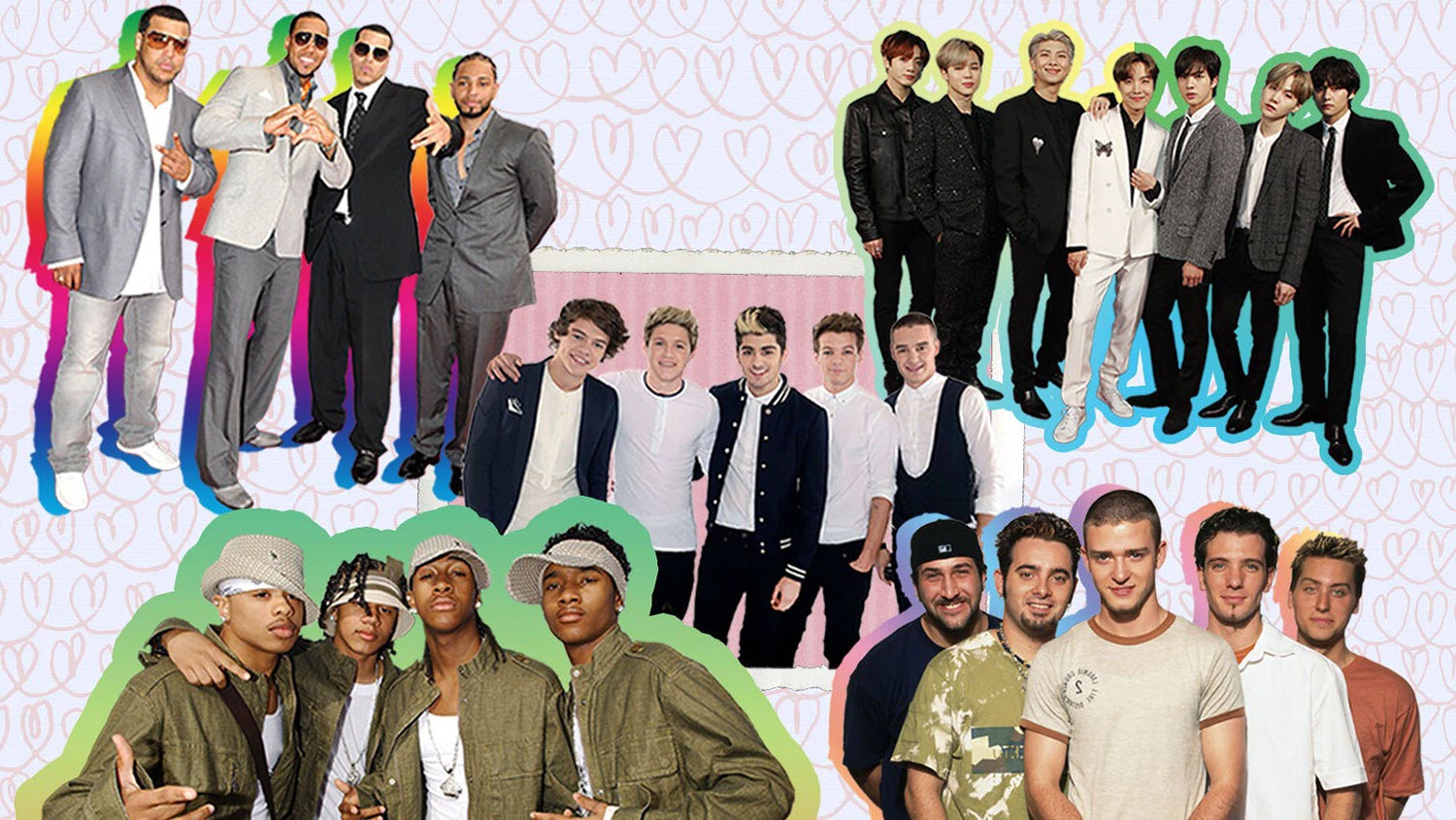
In the world of music, boy bands have carved out an indelible niche, captivating hearts and setting trends across generations. From the infectious harmonies of the ’90s to the electrifying performances of today, these groups have not only defined pop culture but have also influenced fashion, dance, and even social movements. Whether you were a teen swooning over the likes of Backstreet Boys or are now jamming to BTS’s groundbreaking hits, boy bands have the uncanny ability to unite fans with their catchy tunes and captivating personas.
In this article, we dive into the top 15 best boy bands of all time, exploring their impact on the music industry and their lasting legacy. Each band brought something unique to the table—be it unforgettable melodies, innovative choreography, or magnetic stage presence. From the sweet serenades of the Jackson 5 to the genre-blending mastery of One Direction, these groups have shaped the soundscape of their eras. Join us as we celebrate the rise, reign, and resonance of these iconic ensembles, and discover which bands truly deserve a spot in the pantheon of pop history. Get ready to relive the magic and see who made the cut!
1. Backstreet Boys
The Backstreet Boys are often regarded as the ultimate boy band, defining pop culture in the late ’90s and early 2000s. Bursting onto the scene with polished harmonies, infectious melodies, and slick choreography, they quickly captured the hearts of millions worldwide. Songs like “I Want It That Way,” “Quit Playing Games (With My Heart),” and “Everybody (Backstreet’s Back)” became massive hits, showcasing their ability to blend emotional ballads with upbeat dance tracks. What set them apart was their undeniable chemistry and vocal blend, which gave their music a timeless quality. Beyond the studio, their electrifying performances and synchronized dance moves helped set a new standard for live pop shows. Despite changes in the music industry, the Backstreet Boys never lost their momentum. Over the decades, they evolved with the times while staying true to their sound, continuing to tour and release new music to loyal fans. Their longevity speaks volumes—not just about their talent, but also about the deep connection they’ve formed with audiences across generations. More than just teen heartthrobs, the Backstreet Boys have become pop icons whose legacy continues to shape the landscape of boy bands today.
2. NSYNC
NSYNC exploded onto the pop scene in the late 1990s, bringing a fresh wave of high-energy music, sharp choreography, and vocal perfection. With Justin Timberlake as the standout star, the group also featured a strong ensemble of singers who delivered powerful harmonies and dynamic performances. Hits like “Bye Bye Bye,” “It’s Gonna Be Me,” and “Tearin’ Up My Heart” became instant anthems, firmly cementing NSYNC as one of the biggest boy bands of their era. Their catchy hooks and meticulously produced tracks showcased a mastery of pop, R&B, and dance elements. NSYNC’s music videos and award show performances were often highlights of the time, filled with cutting-edge visuals and signature dance routines that fans could memorize and perform themselves. Their popularity soared globally, leading to sold-out tours and multi-platinum albums. Though their time together was relatively short-lived, their impact was massive. Even decades later, fans still clamor for a reunion, and their songs remain essential throwbacks on any 2000s playlist. NSYNC helped define a generation of pop music and set a new standard for boy bands, influencing the direction of the genre for years to come.
3. One Direction
One Direction emerged from the British reality show The X Factor and quickly rose to global superstardom. What began as five solo hopefuls became a powerhouse group that redefined modern boy bands. Their debut single “What Makes You Beautiful” became a cultural sensation, and it was only the beginning. With each subsequent album, from Up All Night to Made in the A.M., they evolved musically, moving from bubblegum pop to more mature, rock-tinged sounds. Their personalities—Harry, Zayn, Liam, Louis, and Niall—shined individually, creating a strong connection with fans who related to their charm and chemistry. Touring relentlessly, One Direction built one of the most passionate fanbases in pop history. They didn’t just sell records; they created moments—singalong choruses, heartfelt lyrics, and concerts that felt like events. After Zayn’s departure and the group’s hiatus, each member went on to successful solo careers, but the magic they shared as a group remains unmatched. Their influence on fashion, fandom culture, and pop music as a whole is enormous. One Direction wasn’t just a boy band—they were a global movement that captured the hopes and excitement of a generation.
4. Boyz II Men
Boyz II Men brought a smooth, soulful sound to the boy band genre, setting themselves apart with their rich harmonies and heartfelt ballads. Hailing from Philadelphia, the group fused classic R&B with pop, creating unforgettable songs that topped charts and won hearts. Tracks like “End of the Road,” “I’ll Make Love to You,” and “On Bended Knee” showcased their vocal mastery—each note carefully crafted, each harmony effortlessly layered. Unlike many of their contemporaries, Boyz II Men leaned into mature themes of love, heartbreak, and devotion, resonating deeply with a wide audience. Their emotional depth, combined with sleek production, helped them dominate the ’90s, winning Grammy Awards and breaking Billboard records. They proved that a boy band could be both mainstream and artistically credible. Even decades later, their influence remains visible in modern R&B and pop groups. Beyond their studio work, their live performances continued to impress with flawless vocal execution and polished stage presence. Boyz II Men didn’t just entertain—they elevated the entire boy band format, merging genre boundaries and redefining what vocal groups could achieve.
5. New Kids on the Block
New Kids on the Block were the original blueprint for the modern boy band, storming onto the music scene in the late ’80s with a mix of pop swagger, dance-floor-ready beats, and youthful charm. Created by producer Maurice Starr, the group—made up of Donnie, Joey, Jordan, Jonathan, and Danny—became a cultural phenomenon almost overnight. Hits like “Step by Step,” “Hangin’ Tough,” and “You Got It (The Right Stuff)” were everywhere, from radio airwaves to teen bedrooms, solidifying NKOTB as teen idols of their time. Their appeal wasn’t just in the music—it was in their synchronized dance routines, colorful fashion, and relatable personalities that gave each member a unique fanbase. At their peak, they were selling out arenas, launching merchandise empires, and dominating the charts. After taking a break in the ’90s, their reunion in the 2000s was met with nostalgic enthusiasm from longtime fans and admiration from new ones. They’ve since continued touring and recording, proving their enduring appeal. NKOTB paved the way for every boy band that followed, laying the foundation for groups like Backstreet Boys and NSYNC. Their legacy is one of innovation, charisma, and lasting pop influence.
6. Simon & Garfunkel
Simon & Garfunkel were masters of harmony and introspection, capturing the soul of the 1960s with a poetic, thoughtful style that still resonates today. Paul Simon’s songwriting paired with Art Garfunkel’s angelic voice created a duo unlike any other in folk music. Their songs often wrestled with alienation, love, and the search for meaning in a rapidly changing world. Hits like “The Sound of Silence,” “Bridge Over Troubled Water,” and “America” are more than just beautiful tunes—they’re emotional time capsules reflecting both personal and societal struggles. Their music had a quiet power, often stripped down yet profoundly moving. Simon & Garfunkel also brought folk music to a wider pop audience without compromising the genre’s thoughtful essence. Though their partnership was famously tumultuous, the tension seemed to bring out deeper layers in their music. Their ability to blend poetic lyrics, rich harmonies, and modern production helped set a new standard for folk-pop. Even after their split, their influence continues, inspiring generations of songwriters and folk artists. Simon & Garfunkel proved that folk could be both intimate and universal, turning deeply personal reflections into anthems for anyone who’s ever felt lost, searching, or hopeful.
7. Odetta
Odetta was a commanding force in folk music—an artist whose powerful voice carried the weight of centuries of struggle and hope. Known as “The Voice of the Civil Rights Movement,” she blended traditional folk, blues, gospel, and spirituals into something deeply personal and politically charged. Her performances weren’t just concerts—they were declarations of dignity, identity, and resistance. When Odetta sang songs like “Oh, Freedom” or “Take This Hammer,” she was not just preserving old melodies—she was giving voice to the voiceless. Her influence was profound, inspiring everyone from Bob Dylan to Joan Baez and Martin Luther King Jr., who once said she sang “with the voice of the Lord.” Odetta’s artistry wasn’t flashy—it was grounded, raw, and truthful. Her stage presence radiated strength and wisdom, and her commitment to justice was evident in every note. She reminded audiences that folk music had roots deep in the African American experience and that it could still be a tool for protest and healing. In a genre often dominated by white voices, Odetta’s legacy stands as a crucial reminder of the Black origins and power within American folk traditions.
8. Bob Dylan
Bob Dylan revolutionized folk music by infusing it with poetry, grit, and political fire. Emerging from the Greenwich Village scene in the early 1960s, Dylan quickly became the voice of a generation disillusioned by war, injustice, and social upheaval. Songs like “Blowin’ in the Wind,” “The Times They Are A-Changin’,” and “Masters of War” weren’t just songs—they were anthems of a movement. Dylan didn’t just reflect the world around him; he challenged it. His lyrics were complex, filled with metaphors, biblical imagery, and biting wit. He took the simplicity of folk music and stretched its boundaries, eventually blending it with rock, blues, and country. Though controversial at times—especially when he “went electric”—Dylan remained fearless in his artistic choices. He reshaped what folk could be, proving that protest songs could be poetic, and poetry could be revolutionary. Winning the Nobel Prize in Literature in 2016 was a fitting recognition of his lyrical brilliance. Bob Dylan isn’t just a folk musician—he’s a cultural force who taught us that words matter, songs can spark change, and that truth, no matter how cryptic or uncomfortable, deserves to be sung.
9. Joan Baez
Joan Baez brought elegance, purity, and fierce conviction to the folk revival of the 1960s. With her unmistakable soprano and unwavering commitment to social justice, she became one of the most prominent voices of her era—both literally and figuratively. Baez didn’t just sing about peace and civil rights; she lived them. She marched with Martin Luther King Jr., stood with draft resisters, and performed at countless protests. Her renditions of songs like “We Shall Overcome” and “Diamonds & Rust” carried both emotional grace and moral authority. Baez helped introduce Bob Dylan to a wider audience and continued to support emerging voices in folk and protest music. Her performances often felt sacred, combining classical vocal training with the raw storytelling of traditional folk. Baez’s activism never took a backseat to her music—it was part of it. Her ability to maintain artistic integrity while standing boldly for human rights inspired countless musicians and listeners alike. Even decades into her career, she remains a relevant and respected figure in both music and activism. Joan Baez showed the world that beauty and bravery could exist in the same voice—and that voice could help change the world.
10. Peter, Paul and Mary
Peter, Paul and Mary brought folk music to the forefront of popular culture in the 1960s with their heartfelt harmonies and unwavering idealism. Composed of Peter Yarrow, Paul Stookey, and Mary Travers, the trio became synonymous with peace, civil rights, and compassionate storytelling. Their interpretations of songs like “If I Had a Hammer,” “Where Have All the Flowers Gone,” and “Blowin’ in the Wind” helped bring the messages of the folk movement to mainstream audiences. What set them apart was their blend of activism and accessibility. They didn’t just perform at festivals—they sang at rallies, protests, and marches, using their music to amplify calls for justice. Their sound was clean, harmonious, and approachable, making complex social issues feel personal and immediate. Mary’s warm, strong voice anchored the group, while Peter and Paul added sincerity and wit. Together, they created a musical chemistry that resonated with people of all ages. They played a vital role in the success of many songwriters, including Bob Dylan, and helped build a bridge between folk ideals and the public conscience. Peter, Paul and Mary didn’t just sing about a better world—they helped build one through music.
11. Simon & Garfunkel
Simon & Garfunkel were one of the most iconic folk duos of the 20th century. Known for their seamless harmonies and introspective lyrics, Paul Simon and Art Garfunkel captured the spirit of a changing America in the 1960s. Their songs like “The Sound of Silence,” “Bridge Over Troubled Water,” and “America” combined poetic reflection with simple, elegant melodies that resonated deeply with audiences. Their music often explored themes of alienation, love, and social unrest, striking a chord with listeners across generations. Paul Simon’s songwriting brought depth and nuance to each track, while Garfunkel’s soaring vocals added a haunting beauty. Together, they crafted songs that felt both deeply personal and universally relevant. Despite creative tensions that eventually led to their breakup, their collaborations remain timeless. Their work on the Graduate soundtrack brought folk music to the forefront of popular culture. Even after parting ways, both pursued successful solo careers, but the magic of their partnership is still celebrated in countless compilations and reunions. Simon & Garfunkel proved that folk music could be both artful and accessible, making lasting contributions to music history.
12. Richard & Mimi Fariña
Richard & Mimi Fariña were a dynamic folk duo who brought literary sophistication and bohemian spirit to the 1960s folk revival. Richard, a gifted writer and political thinker, paired his poetic lyrics with Mimi’s graceful voice and guitar playing. The couple’s music reflected the cultural turbulence of their time, filled with subtle political commentary, irony, and romantic melancholy. Their debut album Celebrations for a Grey Day remains a cult classic, brimming with originality and charm. Songs like “Pack Up Your Sorrows” and “Reno, Nevada” highlight their unique blend of folk tradition and modern sensibility. Mimi, the younger sister of Joan Baez, carried a serene yet powerful presence that balanced Richard’s edgy intellect. Tragically, Richard died in a motorcycle accident in 1966, just as his literary and musical careers were taking off. Though their time together was brief, the Fariñas left a lasting legacy in American folk music. Their artistry remains admired by fans and fellow musicians for its depth, wit, and authenticity. They were a couple ahead of their time, using folk not just to entertain but to question, reflect, and challenge.
13. Judy Collins
Judy Collins is a towering figure in folk music, celebrated for her crystalline soprano voice and thoughtful song selections. Emerging during the 1960s folk boom, she quickly gained recognition for her ability to breathe new life into traditional ballads while also championing contemporary songwriters. Collins was instrumental in bringing attention to artists like Leonard Cohen and Joni Mitchell—her renditions of Cohen’s “Suzanne” and Mitchell’s “Both Sides Now” became definitive versions. With a background in classical piano and voice, she brought a sense of precision and grace to folk music, elevating it with her artistry. Her 1975 hit “Send in the Clowns” broadened her appeal beyond the folk scene and solidified her place in American pop culture. Beyond her musical achievements, Collins has been an outspoken activist and humanitarian, using her platform to advocate for social justice, mental health awareness, and environmental issues. Her career has spanned decades, with numerous Grammy nominations and accolades, yet she remains grounded in the folk tradition that first inspired her. Judy Collins is not just a singer but a storyteller, an interpreter, and a voice of conscience in American music.
14. The Kingston Trio
The Kingston Trio helped bring folk music into the mainstream during the late 1950s and early 1960s. With their clean-cut image, infectious melodies, and tight harmonies, they made traditional folk accessible to a broad audience. Songs like “Tom Dooley,” “M.T.A.,” and “Where Have All the Flowers Gone?” became radio staples and helped spark a national folk revival. The original lineup—Dave Guard, Bob Shane, and Nick Reynolds—blended American folk traditions with a pop sensibility that appealed to both young and old. While purists sometimes criticized them for commercializing the genre, there’s no denying the impact they had on making folk popular again. The Kingston Trio laid the groundwork for the protest singers and singer-songwriters who followed in the 1960s. Their success opened doors for artists like Bob Dylan and Joan Baez by proving that there was a mass audience for acoustic music with thoughtful lyrics. Even after changes in lineup over the years, the group’s legacy has endured, with many crediting them for reigniting interest in American folk songs. The Kingston Trio brought folk out of the coffeehouses and into the living rooms of everyday Americans.
15. The Weavers
The Weavers were pioneers of the American folk revival, blending traditional songs with progressive ideals in a way that resonated with post-war audiences. Formed in the late 1940s by Pete Seeger, Lee Hays, Ronnie Gilbert, and Fred Hellerman, the group became known for their rich vocal harmonies and socially conscious repertoire. Songs like “Goodnight, Irene,” “If I Had a Hammer,” and “Wimoweh” brought folk music to the top of the charts, even as the group faced political persecution during the McCarthy era. Blacklisted for their leftist views, The Weavers were banned from radio and television, but their influence never waned. Their music championed peace, workers’ rights, and racial equality long before these became mainstream issues. Pete Seeger’s activism and songwriting later inspired generations of musicians, but The Weavers as a group had already laid the foundation for folk as a voice of the people. Their ability to combine entertainment with moral conviction helped define what folk music could be in America. The Weavers showed that simple melodies could carry powerful messages, and their courage in the face of censorship gave their music even greater resonance.

Edward Tomlin is a frequent contributor to Singers Room. Since 2005, Singersroom has been the voice of R&B around the world. Connect with us via social media below.