Hip-hop has long been a genre defined by its rhythm, wordplay, and cultural significance, often celebrated for its roots in African American communities. Yet, throughout its evolution, a diverse array of artists has emerged, challenging norms and pushing boundaries. Among them, white rappers have carved out their own unique space, bringing fresh perspectives and innovative sounds that have left an indelible mark on the music industry.
From early pioneers who faced skepticism to contemporary stars dominating the charts, these artists have not only showcased their lyrical prowess but also highlighted the genre’s universal appeal. In this article, we’ll explore the top 15 best white rappers of all time, celebrating their contributions, impact, and the diverse paths they’ve taken to stardom. Whether they’re known for their clever wordplay, infectious beats, or trailblazing styles, each of these artists has shaped the landscape of hip-hop in remarkable ways. Get ready to dive into a world of unforgettable tracks, groundbreaking albums, and the stories behind the legends who have redefined what it means to be a rapper. Join us as we pay homage to those who have boldly navigated the vibrant tapestry of hip-hop culture!
1. Eminem
Eminem, born Marshall Mathers, isn’t just one of the greatest white rappers—he’s one of the most influential artists in hip-hop history. From the moment “The Slim Shady LP” dropped in 1999, he changed the game. His intense, rapid-fire delivery, jaw-dropping rhyme schemes, and emotionally raw storytelling struck a chord with millions. Songs like “Lose Yourself” became cultural touchstones, capturing the struggle of seizing opportunity while battling inner demons. “Stan,” meanwhile, introduced a narrative complexity rarely seen in mainstream rap. Eminem’s lyrics often reflected his turbulent upbringing, personal battles with addiction, and complicated family relationships, making his music feel brutally honest and deeply human. But he also brought dark humor and biting satire into the mix, balancing vulnerability with bravado. Beyond the mic, he shattered racial expectations in a genre where authenticity is everything—earning respect from legends like Dr. Dre and carving out a space all his own. His impact transcends rap: from movie soundtracks to global activism, he’s used his platform to speak up and challenge norms. Even decades into his career, Eminem continues to evolve, proving that his voice is as sharp, urgent, and relevant as ever.
2. Beastie Boys
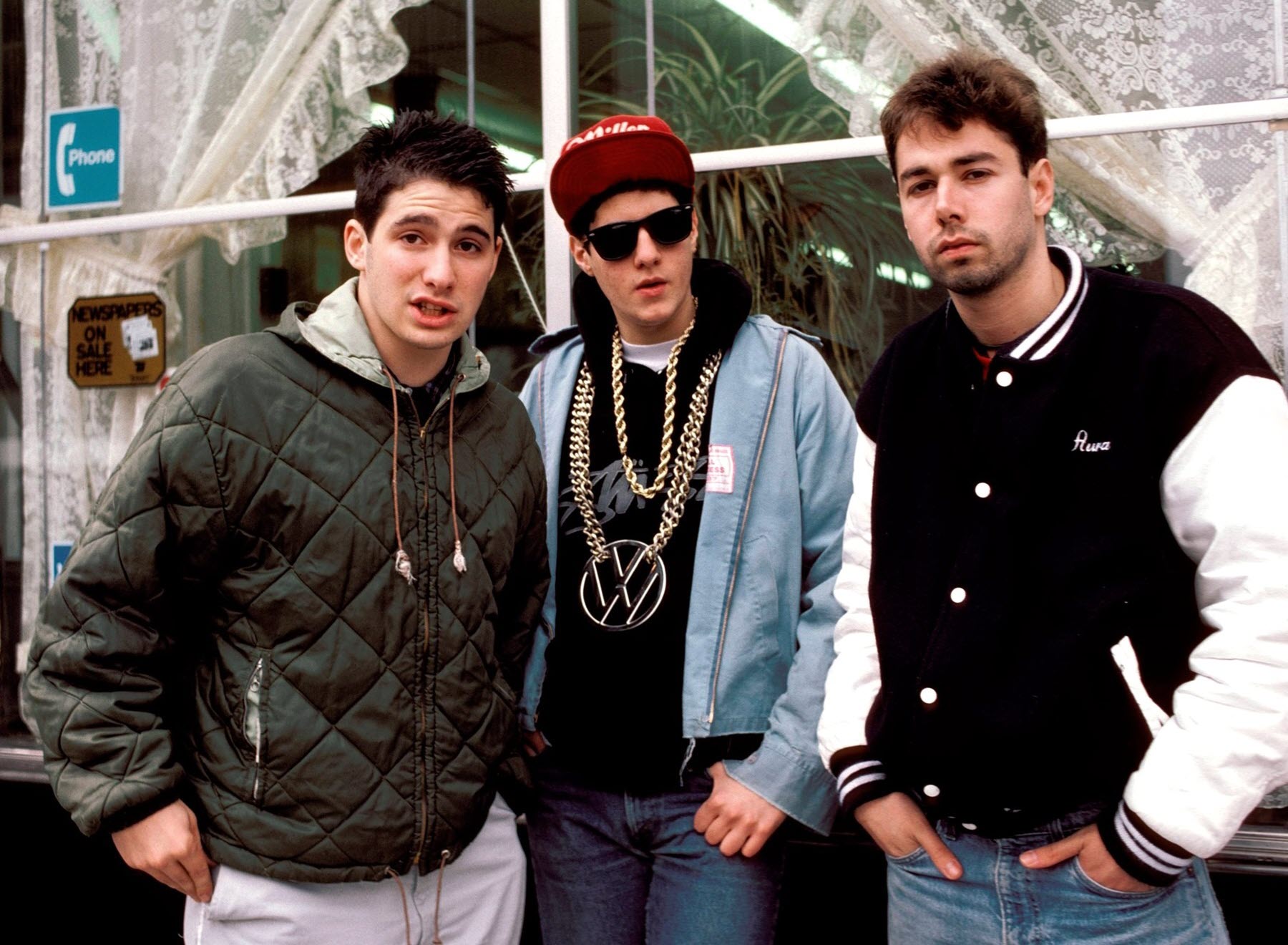
The Beastie Boys were true trailblazers—three white kids from New York who didn’t just dip into hip-hop; they helped shape its sound. Originally a punk band, the trio—Mike D, MCA, and Ad-Rock—pivoted into rap in the early ’80s and brought an entirely new flavor to the genre. Their 1986 debut album, *Licensed to Ill*, was a game-changer, with rebellious, anthemic tracks like “Fight For Your Right” and “No Sleep Till Brooklyn” fusing hard rock riffs with infectious rap hooks. But they didn’t stop there. Albums like *Paul’s Boutique* and *Ill Communication* showcased their evolution as artists, layering samples, experimental beats, and witty, often offbeat lyrics into complex sonic collages that critics and fans alike came to admire.
What made the Beastie Boys so special wasn’t just their sound—it was their attitude. They brought humor, wild energy, and a punk ethos into hip-hop at a time when few acts were crossing such boundaries. They were unapologetically themselves, and their creativity knew no bounds. Over time, they also matured both musically and socially, using their platform for activism and artistic expression. Their influence continues to echo across genres, reminding the world that innovation and authenticity always rise to the top.
3. Mac Miller
Mac Miller was an artist whose evolution spoke volumes. Starting off as a cheerful, party-loving rapper with infectious charm, he quickly proved he was much more than a one-hit wonder. Early tracks like “Donald Trump” showed his playful side, but over time, Mac’s music grew deeper, more introspective, and emotionally rich. Albums like *Swimming* and *Circles* revealed a thoughtful, soul-searching musician who wasn’t afraid to be vulnerable. His exploration of mental health, love, self-worth, and mortality resonated with fans navigating similar struggles. Mac’s ability to shift from upbeat, jazzy grooves to melancholic, heartfelt ballads made his discography feel like a journey—a reflection of someone truly trying to find peace within himself. Beyond the music, Mac was known for his warm personality, kindness, and love for collaboration, working with artists across genres. His untimely passing in 2018 left the music world grieving, but his art continues to offer comfort and connection. Mac Miller wasn’t just a rapper; he was a deeply human storyteller who poured his heart into every note, and his legacy endures through the healing power of his music.
4. Vanilla Ice
Vanilla Ice made music history when “Ice Ice Baby” became the first hip-hop single to top the Billboard Hot 100 chart. In an era when rap was still pushing into the mainstream, his success brought hip-hop into suburban living rooms and helped spark a cultural conversation. While he was often criticized for his image and for benefiting from a genre rooted in Black culture, there’s no denying the song’s massive impact. Its catchy hook, driven by the iconic sample from Queen and David Bowie’s “Under Pressure,” turned Vanilla Ice into a household name almost overnight. Despite the initial fame, his career faced backlash and parody, making it difficult for him to sustain musical credibility. Still, Vanilla Ice adapted, leaning into his pop culture persona and branching out into reality TV and home renovation. He remains a symbol of early ’90s nostalgia and one of the most talked-about figures in the crossover of rap and pop. While his musical output may have been limited, his presence in the conversation about hip-hop’s growth is significant. “Ice Ice Baby” still gets crowds hyped—and that lasting recognition is a legacy in itself.
5. Lil Dicky
Lil Dicky, known for his comedic flair and offbeat charm, brings something rare to hip-hop: clever satire mixed with real talent. From the moment he released “Ex-Boyfriend” and went viral, it was clear that his humor wasn’t just for laughs—it was part of a larger storytelling skill set. His breakout track “Freaky Friday,” featuring Chris Brown, combined a funny concept with catchy production, showing that Dicky could craft a hit without losing his comedic edge. But underneath the jokes lies a sharp writer with a knack for wordplay, wit, and self-awareness. His debut album *Professional Rapper* offered everything from funny skits to surprisingly thoughtful introspection about fame and insecurity. Off the mic, his semi-autobiographical TV show *Dave* showcases the internal tug-of-war between art and ambition, laughter and vulnerability. Lil Dicky doesn’t pretend to be something he’s not—he leans into his outsider status and uses it to his advantage. In a genre often defined by bravado, Lil Dicky’s refreshing honesty and absurdist creativity carve out a space all his own.
6. G-Eazy
G-Eazy blends cool, confident swagger with a hint of melancholy, creating a sound that feels both mainstream and personal. With his slicked-back hair and old-school aesthetic, he looks like a rockabilly rebel, but his music is all modern hip-hop. He broke into the spotlight with hits like “Me, Myself & I” and “No Limit,” which showcased his knack for catchy hooks and radio-ready beats. But beyond the glitz, G-Eazy’s music often explores the darker side of fame, relationships, and ambition. His album *When It’s Dark Out* offers glimpses into his internal struggles, contrasting his public persona with real emotional depth. He’s a skilled storyteller who knows how to balance style and substance. G-Eazy has also been a collaborative powerhouse, working with artists across genres—from rap to pop to indie. He navigates the space between underground credibility and commercial appeal with surprising grace. While his confidence can border on cocky, it’s clear that beneath the surface lies a thoughtful artist constantly evolving and pushing for more.
7. Post Malone
Post Malone has carved a unique space in modern music by effortlessly blending hip-hop, rock, pop, and even country into a sound that’s entirely his own. With breakout hits like “Congratulations,” “Rockstar,” and the deeply melodic “Circles,” he quickly rose from SoundCloud newcomer to global superstar. Post’s laid-back demeanor and face tattoos might draw attention, but it’s his ability to craft emotionally resonant, catchy songs that keeps fans coming back. His music often explores themes of loneliness, fame, heartbreak, and resilience, delivered in a voice that’s both gritty and melodic. Post Malone doesn’t fit into a single genre—he defies categorization, and that’s exactly what makes him stand out. Whether he’s crooning a melancholy hook or diving into a trap beat, his authenticity always shines through. As one of the few artists equally embraced by pop, rap, and rock audiences, Post represents the genre-bending future of popular music.
8. Action Bronson
Action Bronson is a whirlwind of creativity—part chef, part rapper, part TV host—and 100% larger-than-life. His music is steeped in colorful imagery, rich with references to fine cuisine, wrestling, sports, and street life. With a baritone delivery that recalls the golden era of ’90s hip-hop, Bronson brings classic East Coast rap flavor into a contemporary context. Tracks like “Baby Blue” and “Easy Rider” showcase his witty storytelling and off-the-cuff charisma. Beyond the mic, he’s built a media presence through his cooking shows and personality-driven content that perfectly complements his artistic identity. But make no mistake—Action Bronson is more than a novelty. His rhyme schemes are sharp, his beats are top-tier, and his love for the craft is evident in every project. Whether you’re nodding along to his tracks or watching him whip up gourmet meals, Bronson is always entertaining, always authentic, and always unapologetically himself.
9. Machine Gun Kelly
Machine Gun Kelly (MGK) is a bold and unpredictable force in the music world, known for his fiery attitude, rapid-fire flow, and genre-hopping talents. He initially built his reputation in the hip-hop scene with tracks like “Wild Boy” and “Till I Die,” earning a devoted following for his raw, confessional lyrics and relentless energy. But MGK didn’t stop there. In a bold reinvention, he shifted into pop-punk with the release of “Tickets to My Downfall,” embracing electric guitars, angst-ridden hooks, and punk-rock vulnerability. This leap not only revitalized his career but also opened doors for a new generation of crossover artists. Whether he’s rapping about his past struggles or belting out anthems of heartbreak and rebellion, MGK brings an intense, almost chaotic authenticity that resonates with fans. He’s not afraid to stir the pot, push genre boundaries, or bare his soul—and that’s what makes him a compelling artist.
10. Yelawolf
Yelawolf is a Southern hip-hop maverick with a flair for storytelling and an unmistakable voice. Hailing from Alabama, he brings a rugged, rootsy edge to his music, often blending elements of country, rock, and blues with traditional rap. His breakout single “Pop the Trunk” introduced listeners to his gritty world of small-town struggles and vivid street tales. Yelawolf’s music is full of character—it’s cinematic, raw, and intensely personal. His albums, especially “Love Story” and “Trunk Muzik,” showcase his ability to shift from hard-hitting verses to introspective, soulful hooks with ease. He’s a versatile lyricist who wears his heart and heritage on his sleeve, never shying away from his Appalachian background. With a rebellious spirit and sharp lyrical instincts, Yelawolf has created a sound that’s entirely his own, earning respect across rap and rock circles alike.
11. Riff Raff
Riff Raff is a walking, rapping neon sign—flamboyant, eccentric, and entirely original. Known as much for his outlandish appearance and internet antics as for his music, he’s become a cult icon in the hip-hop world. But beneath the wild hairstyles and colorful grills lies a rapper with real skill and an uncanny knack for turning absurdity into entertainment. Tracks like “Tip Toe Wing In My Jawwdinz” and “Dolce & Gabbana” are playful, off-the-wall, and weirdly catchy. Riff Raff’s style is intentionally exaggerated, a kind of rap performance art that challenges traditional expectations of the genre. He thrives in unpredictability, and his over-the-top persona is all part of the package. While some critics might dismiss him as a novelty, his fanbase appreciates the freedom and fun he brings to hip-hop—a genre that, at times, takes itself too seriously. Love him or not, Riff Raff is unforgettable.
12. Kid Rock
Kid Rock is a musical chameleon who has dabbled in everything from rap and rock to country and southern blues. Bursting onto the scene with the explosive “Bawitdaba,” he brought rap-rock to mainstream audiences and built a reputation as a rebel with a loud voice and a lot to say. Over the years, Kid Rock evolved from the flashy, devil-may-care persona of his early days into a more reflective artist, weaving Americana and classic rock into his sound. Tracks like “Cowboy” and “Only God Knows Why” show his versatility and depth. Whether he’s roaring on stage or telling heartfelt stories through his lyrics, Kid Rock commands attention. His brand of patriotism, outspokenness, and genre-bending music have made him a divisive yet undeniably influential figure in American pop culture.
13. NF
NF, born Nathan Feuerstein, brings raw emotion and soul-baring honesty to every verse. Unlike many rappers, NF doesn’t boast about wealth or fame—he raps about anxiety, pain, insecurity, and the fight to find peace. His breakout hit “Let You Down” introduced millions to his cinematic, emotionally charged sound. With booming orchestral beats and poetic introspection, albums like “Perception” and “The Search” have resonated with fans struggling with mental health and personal demons. NF’s flow is crisp, his delivery powerful, and his messages deeply human. Often compared to Eminem for his intensity and technical skill, NF has carved his own lane by prioritizing vulnerability and narrative over bravado. His music feels like therapy—both for himself and his listeners—and that authenticity is what sets him apart in a genre often defined by bravado.
14. 3LAU
3LAU, born Justin Blau, is better known for his work in electronic dance music, but his contributions often spill into hip-hop territory. As a DJ and producer, he’s collaborated with rappers and pop vocalists to create genre-blending tracks that sit comfortably between clubs and headphones. His remixes and original productions are known for their infectious melodies and high-energy drops, but beneath the surface lies a producer who deeply understands song structure and emotional payoff. Tracks like “How You Love Me” showcase his ability to fuse EDM with heartfelt lyrics and rhythm-driven vocals. 3LAU’s work doesn’t always follow the traditional hip-hop mold, but his creative use of rap verses and beats make him a figure worth watching for fans who love genre mashups and experimental soundscapes.
15. Dizzee Rascal
Dizzee Rascal is one of the founding fathers of UK grime—a gritty, high-energy genre that blends rapid-fire rap with electronic beats and street realism. Bursting onto the scene with his Mercury Prize-winning debut “Boy in da Corner,” Dizzee brought a new voice and raw edge to hip-hop on the other side of the Atlantic. Tracks like “Fix Up, Look Sharp” and “Bonkers” became anthems not just in the UK, but globally. His style is fierce, urgent, and unapologetically British, showcasing his East London roots through every syllable. Over time, Dizzee has evolved, dabbling in pop and dance but never losing the fire that made him a pioneer. He paved the way for artists like Stormzy, Skepta, and Dave, helping turn grime from an underground movement into a global phenomenon. Dizzee’s fearless innovation and cultural impact make him a true icon of international rap.

Edward Tomlin is a frequent contributor to Singers Room. Since 2005, Singersroom has been the voice of R&B around the world. Connect with us via social media below.