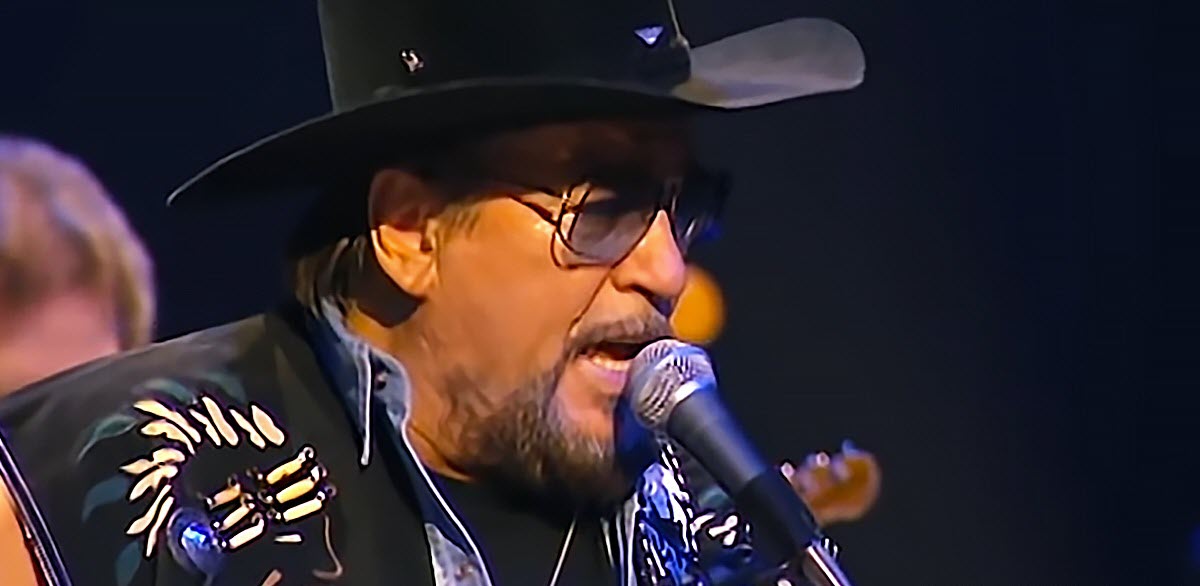
Few artists have left a mark on country music quite like Waylon Jennings. A true pioneer of the Outlaw Country movement, Jennings wasn’t just a singer—he was a rebel with a guitar, a poet of the plains, and a voice for those who never quite fit the mold. With a sound that fused grit, honesty, and a whole lot of attitude, Waylon carved out a legacy that still echoes across honky-tonks, highways, and heartaches today. Whether he was crooning about lost love, questioning the Nashville machine, or teaming up with legends like Willie Nelson, his music always felt real—raw, unfiltered, and unforgettable.
In this countdown of the Top 10 Most Popular Waylon Jennings Songs of All Time, we’re diving deep into the tracks that defined a generation and helped shape the soul of country music. These aren’t just songs—they’re stories, anthems, and declarations from a man who lived every word he sang. From chart-topping hits to outlaw anthems, each tune on this list captures a different side of Waylon’s genius. So dust off your boots, crank up the volume, and get ready to revisit the songs that made Waylon Jennings a true American original.
1. “Luckenbach, Texas (Back to the Basics of Love)” – 1977
Released in 1977, “Luckenbach, Texas” is one of Waylon Jennings’ most beloved songs and a cornerstone of the outlaw country movement. Written by Chips Moman and Bobby Emmons, it’s more than just a song—it’s a gentle rebellion against the materialism and pressures of modern life. The track invites listeners to let go of the rat race and return to a simpler existence filled with love, music, and authenticity. Jennings’ smooth baritone floats effortlessly over a laid-back groove, delivering lyrics that long for a place where life slows down and hearts beat a little easier. The song reached No. 1 on the country charts and became an anthem for those weary of societal expectations. When Jennings references legends like Hank Williams and Mickey Newbury, he’s not just tipping his hat—he’s placing himself among those who shaped country music with honesty and grit. With its warm pedal steel, easy rhythm, and wistful charm, “Luckenbach, Texas” captures the spirit of a generation longing to reconnect with what really matters. It’s not just a nostalgic tune—it’s a reminder that sometimes, the best way forward is by going back to your roots.
2. “Mammas Don’t Let Your Babies Grow Up to Be Cowboys” – 1978
In 1978, Waylon Jennings and Willie Nelson came together for a duet that would go on to define a generation of country music. “Mammas Don’t Let Your Babies Grow Up to Be Cowboys,” originally penned by Ed Bruce, took on new life in their capable hands. With Waylon’s deep, rugged delivery and Willie’s smooth, laid-back tone, the two legends spun a tale that was equal parts cautionary and celebratory. The song reflects the loneliness, restlessness, and emotional distance often romanticized in cowboy life. Yet, behind the humor and twang, there’s a real sense of longing—for connection, for understanding, for a place to call home. It topped the country charts and earned a Grammy, but more importantly, it became a symbol of the outlaw country movement’s depth and staying power. Its success wasn’t just about catchy lyrics or melody; it was the honesty and chemistry between two artists who lived what they sang. The song continues to resonate because it speaks a truth we all recognize: the lives we choose often come with a cost. And sometimes, the wild ones are the ones who need love the most.
3. “Good Hearted Woman” – 1972
Originally released in 1972, “Good Hearted Woman” quickly became one of Waylon Jennings’ signature songs. Co-written with Willie Nelson, the song was inspired by an offhand comment about Tina Turner, calling her a “good-hearted woman loving a two-timing man.” That idea blossomed into a heartfelt tribute to loyal, compassionate women who stand by flawed men. The song’s original solo version was a success, but it was the 1976 duet—featuring a clever blend of live and studio recordings—that truly cemented its legacy. The lyrics are honest, portraying the push-and-pull dynamic of love, especially when paired with a free-spirited partner. Jennings sings with equal parts gratitude and regret, while the melody’s smooth, waltzing rhythm gives it an air of timelessness. It’s a song that feels lived-in, like it was pulled straight from the heart rather than written on paper. Whether as a solo or duet, “Good Hearted Woman” remains a cornerstone of the outlaw country canon. It’s not just about enduring love—it’s about recognizing the strength and grace it takes to offer that love in the first place. Real, unvarnished, and moving, it’s Jennings at his most emotionally resonant.
4. “Are You Sure Hank Done It This Way” – 1975
In 1975, Waylon Jennings used “Are You Sure Hank Done It This Way” to fire a shot across the bow of the country music establishment. Frustrated with Nashville’s growing obsession with slick production and commercial polish, Jennings channeled that discontent into a song that questions whether the genre’s pioneers—like Hank Williams—would recognize what country had become. The song opens with a gritty, pulsing guitar riff, setting a no-nonsense tone that perfectly complements Jennings’ rebellious message. It’s both a tribute to Hank’s raw authenticity and a critique of country music’s loss of soul. With lyrics like “Rhinestone suits and new shiny cars,” Jennings calls out the industry’s shift toward flash over substance. The track hit No. 1 on the country charts and became a defining anthem of the outlaw movement. More than a song, it’s a mission statement—one that asserts that true country music is about truth, not image. Jennings wasn’t asking permission to change the rules; he was reminding everyone why the rules mattered in the first place. “Are You Sure Hank Done It This Way” is as bold today as it was then—a timeless reminder that integrity never goes out of style.
5. “I’ve Always Been Crazy” – 1978
Released in 1978, “I’ve Always Been Crazy” is Waylon Jennings at his most introspective and unapologetic. It’s a soul-baring anthem that doesn’t ask for forgiveness—it demands understanding. Over a bluesy, driving rhythm, Jennings delivers a confessional packed with self-awareness, defiance, and just the right touch of humor. “I’ve always been crazy but it’s kept me from going insane,” he sings, a line that sums up the paradox of his life: wild, yet grounded in truth. Rather than glamorizing his past, Jennings owns his flaws with a refreshing candor that resonates with anyone who’s ever felt like an outsider. The song hit No. 1 on the Billboard country chart and helped solidify his image as a rebel philosopher, someone who walked his own path without apology. What sets this song apart is its emotional honesty. It’s not a cry for help—it’s a declaration of survival. For fans and newcomers alike, “I’ve Always Been Crazy” is more than a hit—it’s a badge of honor for the misunderstood. And for Jennings, it’s a deeply personal track that showcases the vulnerability behind the outlaw persona.
6. “Theme from The Dukes of Hazzard (Good Ol’ Boys)” – 1980
Waylon Jennings took his outlaw persona mainstream in 1980 with “Theme from The Dukes of Hazzard (Good Ol’ Boys),” the opening song for the hit TV series The Dukes of Hazzard. Written and performed by Jennings himself, the tune is catchy, straightforward, and brimming with charm—exactly what the show needed to capture its fun-loving, rebellious spirit. With its twangy guitars and sing-along chorus, the track became a cultural touchstone, resonating with fans well beyond the television screen. “Just good ol’ boys, never meanin’ no harm” isn’t just a lyric—it’s a philosophy that mirrored Jennings’ own public image: a good man walking the line between troublemaker and hero. The song soared to No. 1 on the Billboard country chart and helped further solidify Jennings’ place in American pop culture. He also served as the show’s narrator, making his voice inseparable from the world of Hazzard County. Even today, the song is instantly recognizable, proof of its lasting appeal. Whether you were a fan of the show or not, this theme song stands as a classic moment in Jennings’ career—where TV, music, and outlaw charisma collided in perfect harmony.
7. “Amanda” – 1974
“Amanda” is the tender side of Waylon Jennings that fans don’t always expect—but deeply appreciate. Originally recorded in 1974 for his The Ramblin’ Man album, it wasn’t until 1979 that the song was released as a single and finally received the recognition it deserved. Written by Bob McDill, “Amanda” is a gentle, heartfelt ode to the woman who brings balance to a restless, wandering man. Unlike Jennings’ more defiant songs, this one is stripped down and quietly powerful, allowing his sincere vocals to shine through. The emotional resonance lies in its simplicity—there’s no bravado, just an honest admission of love and gratitude. When it finally hit the airwaves, it quickly climbed the charts, proving that fans connected just as strongly with Jennings’ vulnerable moments as his rowdy ones. “Amanda” became one of the most cherished songs in his catalog, celebrated for its intimacy and authenticity. It’s a love song, yes, but more than that, it’s a moment of reflection—a quiet acknowledgment that even the most independent spirits sometimes long for something, or someone, to come home to.
8. “Only Daddy That’ll Walk the Line” – 1968
In 1968, Waylon Jennings made it clear he wasn’t just another voice in Nashville with “Only Daddy That’ll Walk the Line.” Bold, brash, and bursting with swagger, the track was a standout from his Only the Greatest album and became his first major hit. Anchored by twangy guitar licks and Jennings’ commanding vocals, the song is a fierce declaration of independence. Its lyrics—warning a lover not to try and change him—set the tone for what would become the outlaw country movement. Jennings wasn’t content to follow the crowd; he was forging a new path, one where artistic freedom and personal authenticity mattered more than radio polish. The song peaked at No. 2 on the country charts and helped define the edge and grit that would become his trademark. Musically, it’s sharp and tight, with a groove that demands attention. But what truly makes it unforgettable is its attitude. “Only Daddy That’ll Walk the Line” is Jennings telling the world exactly who he is—and daring anyone to try and make him be anything else.
9. “Lonesome, On’ry and Mean” – 1973
“Lonesome, On’ry and Mean” marked a pivotal moment in Waylon Jennings’ career when it was released in 1973. It was the first major track he recorded after gaining long-sought creative control from the Nashville establishment, and the result was a raw, emotionally charged anthem for the misfits and drifters. Written by Steve Young, the song begins with a mournful guitar riff that sets the mood for Jennings’ gravelly voice to recount a life of hardship and solitude. It’s not a cry for sympathy—it’s a statement of identity. The production is stripped-down and unpolished, perfectly matching the song’s gritty, honest tone. Although it wasn’t a chart-topping hit, it became one of Jennings’ most defining songs and a fan favorite. “Lonesome, On’ry and Mean” wasn’t just a song—it was a mission statement, a way of telling the world that country music didn’t have to fit into a box. It’s Jennings embracing his own scars and sharing them with no apology. In doing so, he helped pave the way for a new kind of country music—one that didn’t ask permission to be real.
10. “Rose in Paradise” – 1987
“Rose in Paradise,” released in 1987, showed that Waylon Jennings still had storytelling magic in him, even as the outlaw movement began to fade. Written by Jim McBride and Stewart Harris, the song is a haunting Southern Gothic tale of mystery and jealousy. It follows a rich, powerful man who keeps his beautiful young wife hidden away, only for her to one day vanish without a trace. The narrative is dark and eerie, and Jennings brings it to life with a brooding, restrained vocal performance that oozes suspense. Musically, it’s understated yet rich, with moody guitar work and subtle percussion that enhance the song’s cinematic quality. “Rose in Paradise” reached No. 1 on the country charts, marking a late-career resurgence for Jennings. What makes this track stand out is its atmosphere—it’s less of a traditional country song and more of a short story set to music. It reminds listeners that Jennings was not only a rebel but also a master storyteller. “Rose in Paradise” is a chilling, compelling piece that proves great country music doesn’t always shout—it sometimes whispers secrets you can’t forget.

Samuel Moore is a frequent contributor to Singers Room. Since 2005, Singersroom has been the voice of R&B around the world. Connect with us via social media below.









