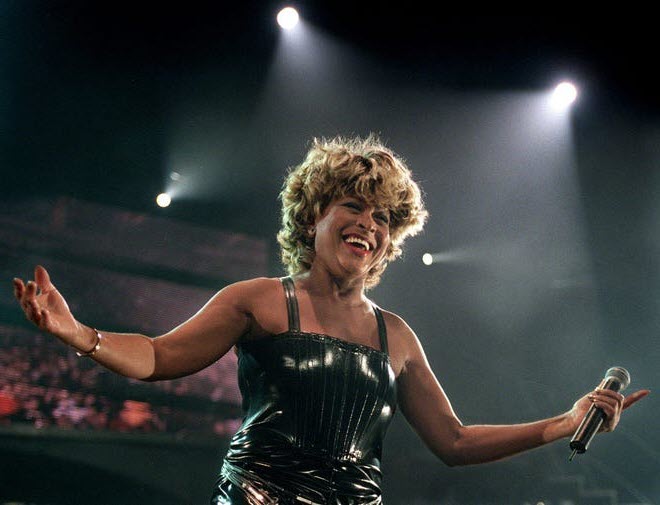
Few artists have reshaped the landscape of music with the sheer force of will, talent, and resilience quite like Tina Turner. Known as the Queen of Rock ‘n’ Roll, she blazed a trail through soul, R&B, pop, and rock with unmatched energy and fierce charisma. From her electrifying early days with Ike Turner to her record-breaking solo career, Tina’s voice became a symbol of power, survival, and freedom. Her songs weren’t just hits—they were anthems of empowerment, heartbreak, and triumph, delivered with a raspy growl and a stage presence that could ignite an arena. With a career spanning over five decades, Turner left behind a catalogue of unforgettable tracks that continue to inspire generations. In this article, we’re diving into the Top 10 Most Popular Tina Turner Songs of All Time—the timeless anthems that defined her legacy, topped charts around the world, and captured the very essence of her fearless spirit. Whether you’re a lifelong fan or just discovering her magic, get ready to relive the greatest moments of an icon who turned pain into power and rhythm into revolution. Turn it up—because Tina never did anything “nice and easy.”
1. “What’s Love Got to Do with It” (1984)
Tina Turner’s “What’s Love Got to Do with It” isn’t just a hit—it’s a landmark. Released in 1984, the song heralded her stunning comeback and firmly established her as a solo powerhouse. Departing from the raw rock and soul that had defined much of her earlier work, this smooth, synth-laden track embraced the sound of the ’80s without losing Tina’s trademark edge. Her voice, rich with grit and experience, delivers biting lines like “What’s love but a second-hand emotion?” with both defiance and vulnerability. It’s that emotional contradiction—tough yet tender—that made the song unforgettable. “What’s Love Got to Do with It” soared to No. 1 on the Billboard Hot 100, making Turner, then 44, the oldest female solo artist to top the chart at the time. The song won three Grammys and inspired the title of her acclaimed 1993 biopic. More than a chart success, it was a moment of reinvention—proof that Turner wasn’t just surviving, she was dominating. Wrapped in sleek pop production but driven by raw emotion, the song remains one of the defining tracks of the decade and a shining symbol of Turner’s resilience, artistry, and second act brilliance.
2. “Proud Mary” (1971)
Tina Turner’s explosive 1971 rendition of “Proud Mary,” recorded with then-husband Ike Turner, didn’t just cover the Creedence Clearwater Revival original—it completely transformed it. What began as a swampy rock tune was reborn as a fiery soul-and-funk anthem, stamped with Tina’s signature electricity. The track famously opens with her spoken-word tease: “We never do nothing nice and easy,” setting the stage for a wild, thrilling ride. From the slow, smoldering intro to the full-throttle tempo change, “Proud Mary” becomes a masterclass in dynamic performance. Tina’s vocals are ferocious and unrelenting, matched by the kinetic energy of the Ike & Tina Turner Revue’s live shows, complete with high-octane choreography. The single peaked at No. 4 on the Billboard Hot 100 and quickly became one of their biggest hits. More importantly, it cemented Tina’s reputation as a powerhouse performer who could take any song and make it her own. Over time, “Proud Mary” grew into a cultural touchstone—one of the most celebrated covers in music history and a live staple for Tina well into her solo career. It remains a blazing reminder of her unmatched energy, passion, and stage presence.
3. “The Best” (1989)
When Tina Turner recorded “The Best” in 1989, she wasn’t just covering a Bonnie Tyler song—she was claiming it, transforming it into a bold, empowering anthem. Released as part of her Foreign Affair album, this track became synonymous with confidence, resilience, and excellence. From the first triumphant synth stabs to the soaring chorus, “The Best” is pure adrenaline, lifted even higher by Turner’s commanding, gravelly vocals. It feels like a victory lap—an ode to someone who has stood by her through thick and thin, sung with both gratitude and unshakable strength. Though it only reached No. 15 in the U.S., the song became a massive hit in Europe and Australia, and it’s since become a pop culture staple—adopted by sports teams, advertisements, and celebratory moments across the globe. Few songs channel such unfiltered joy and unwavering self-worth. Tina doesn’t just sing that someone is “simply the best”—she means it. Her delivery turns the lyrics into a declaration. Over time, “The Best” has taken on a life of its own, and Tina’s voice remains at the center of it all—a rallying cry for triumph, love, and unapologetic greatness.
4. “Private Dancer” (1984)
“Private Dancer,” released in 1984, showcased a quieter, more introspective side of Tina Turner. Written by Dire Straits’ Mark Knopfler, the track tells the haunting story of a woman performing for money—numbed, detached, and trapped in a world of transactional affection. Its slow, sultry rhythm, paired with moody synths and Knopfler’s understated guitar work, creates a darkly elegant atmosphere. But it’s Turner’s voice that gives the song its emotional weight. She sings with a weary resolve, fully embodying the character’s vulnerability and isolation. The song was controversial for its subject matter, but it resonated deeply, highlighting Turner’s ability to deliver layered, complex storytelling through song. “Private Dancer” wasn’t just a ballad—it was a character study, and one that hit close to home for many who had felt objectified or unseen. The track became a standout on her Private Dancer album, earning critical praise and expanding Turner’s artistic range beyond powerhouse vocals into deeper emotional territory. It remains a poignant reminder of her talent not just as a singer, but as a true interpreter of the human condition.
5. “We Don’t Need Another Hero (Thunderdome)” (1985)
Tina Turner took on a new role in 1985—not just as a singer, but as a warrior queen. “We Don’t Need Another Hero (Thunderdome),” the anthemic theme for Mad Max Beyond Thunderdome, paired her commanding voice with sweeping orchestration and cinematic synth-pop production. As Aunty Entity, Turner ruled the screen in full post-apocalyptic armor, but it was her performance on this song that truly resonated. With lyrics that search for meaning in a world of chaos, she belts out a plea not for another savior, but for strength, unity, and survival. The track reached No. 2 on the Billboard Hot 100 and became a global hit, earning a Golden Globe nomination and cementing Turner’s status as both a pop and pop culture icon. The song’s dramatic flair, combined with its emotional gravity, made it unforgettable. More than just a movie theme, “We Don’t Need Another Hero” stands on its own as a timeless anthem about resilience, community, and hope amid ruin. Tina didn’t just sing about surviving the wasteland—she did it, in music and in life, with power and grace.
6. “River Deep – Mountain High” (1966)
Released in 1966, “River Deep – Mountain High” was a bold experiment that became a legend. Produced by Phil Spector and showcasing his famous “Wall of Sound,” the track paired massive orchestration with Tina Turner’s volcanic vocals. Though it was credited to Ike & Tina Turner, the recording was essentially Tina alone—her voice rising above a tidal wave of strings, horns, and percussion. The song explores love in its most epic form—passionate, boundless, and all-consuming. While it surprisingly flopped in the U.S. at first, it was a smash in the UK and Europe, later earning critical acclaim and a spot in the Rock and Roll Hall of Fame. Tina’s performance is nothing short of electric, capturing both vulnerability and ferocity in every note. “River Deep – Mountain High” would go on to influence generations of artists and producers, hailed as one of the greatest pop songs of all time. It marked a turning point for Turner, setting the stage for her evolution from soulful singer to unstoppable vocal force, and remains a towering achievement in her remarkable career.
7. “Better Be Good to Me” (1984)
“Better Be Good to Me” roared onto the scene in 1984 as part of Tina Turner’s career-defining Private Dancer album. Fueled by rock guitar, driving drums, and an urgent synth line, the track was a fiery demand for respect and truth in a relationship. Turner’s voice—gritty, passionate, unyielding—channels frustration, power, and ultimate independence. She doesn’t plead; she commands. The song’s lyrics are a bold ultimatum: be honest, be real, or get out. Its punchy chorus and gritty sound made it a standout hit, climbing to No. 5 on the Billboard Hot 100 and earning her a Grammy for Best Female Rock Vocal Performance. Blending elements of pop, rock, and soul, “Better Be Good to Me” captured Turner at her most assertive and helped redefine the image of the female rock star. It wasn’t just a song—it was a declaration of self-worth. Decades later, it still resonates with listeners who see it as an anthem of strength and agency. In Turner’s hands, the message was crystal clear: love is a privilege, not a guarantee, and it had better come correct.
8. “Nutbush City Limits” (1973)
“Nutbush City Limits,” released in 1973, is one of Tina Turner’s most personal tracks. Written by Tina herself, the song offers a vibrant snapshot of her hometown—Nutbush, Tennessee. Through punchy lyrics and funky instrumentation, she paints a picture of rural Southern life, complete with church on Sundays, strict rules, and simple pleasures. But there’s a rebellious undertone too—a sense of pride mixed with the urge to break free. Backed by a gritty funk groove and energetic guitar licks, the song has an irresistible rhythm that later inspired a popular line dance in Australia and Europe. The track was a hit on both sides of the Atlantic and showcased Tina’s talent as not just a performer but a songwriter. It’s autobiographical without being sentimental—playful, gritty, and bursting with attitude. “Nutbush City Limits” stands as a celebration of where she came from and a subtle nod to how far she’d go. It remains one of her most enduring classics and a high-energy reminder of her roots and resilience.
9. “I Don’t Wanna Fight” (1993)
“I Don’t Wanna Fight,” released in 1993, finds Tina Turner in a reflective, emotionally rich space. The song served as the centerpiece for What’s Love Got to Do with It, the biopic chronicling her life, and it captures the essence of a woman who has survived heartache and come out wiser. Co-written by Lulu, the track is a mid-tempo ballad filled with longing, peace-seeking, and quiet strength. Tina’s voice, weathered and soulful, carries the weight of the lyrics as she sings of laying down her emotional weapons in favor of healing. It’s not about surrender—it’s about choosing dignity over destruction. The song climbed to No. 9 on the Billboard Hot 100, proving that Tina still had the power to captivate listeners well into the ’90s. With its smooth production, introspective tone, and heartfelt delivery, “I Don’t Wanna Fight” became more than a soundtrack hit—it was a mature, powerful anthem about finding grace amid turmoil. It stands as a testament to Tina’s journey, showing that even in letting go, there is strength.
10. “GoldenEye” (1995)
In 1995, Tina Turner lent her powerhouse voice to the James Bond franchise with “GoldenEye,” delivering one of the most memorable Bond themes in modern film. Written by Bono and The Edge of U2, the track perfectly blends danger, allure, and sophistication. With sweeping strings, dramatic brass, and a slow-burning beat, “GoldenEye” conjures up the sleek, shadowy world of espionage. Tina’s sultry vocals drape over the melody like velvet, adding an extra layer of intrigue and menace. Though it wasn’t a major chart-topper in the U.S., it performed well internationally and has since earned its place as a fan favorite among Bond themes. More than just a movie song, “GoldenEye” is a showcase of Turner’s chameleon-like ability to adapt to any genre—and dominate it. Her performance was seductive, powerful, and cinematic, making her one of the few artists who could match the grandeur of the Bond legacy. The song reaffirmed what fans already knew: Tina Turner wasn’t just “the best”—she was unstoppable.

Samuel Moore is a frequent contributor to Singers Room. Since 2005, Singersroom has been the voice of R&B around the world. Connect with us via social media below.









