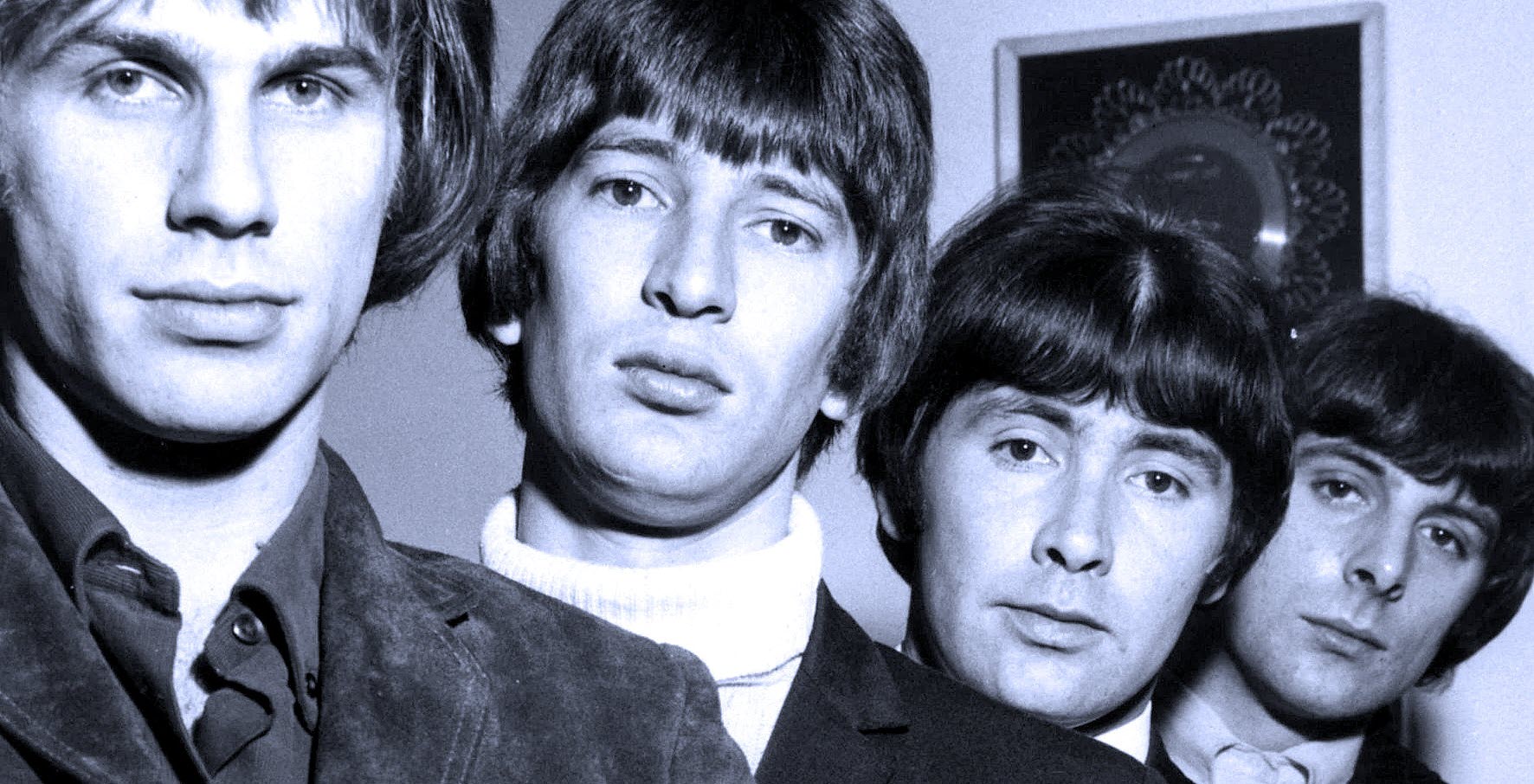
The Troggs, iconic purveyors of rock and roll, burst onto the music scene in the 1960s, leaving an indelible mark with their raw sound and unforgettable melodies. Hailing from Andover, England, this legendary band, fronted by the charismatic Reg Presley, became synonymous with the garage rock movement, influencing countless artists across genres. Their music, characterized by gritty guitar riffs and catchy hooks, captured the essence of youthful rebellion and carefree spirit.
As we delve into the top 10 most popular Troggs songs of all time, prepare to relive the magic of their anthems that transcended generations. From the timeless classic “Wild Thing,” which became a cultural phenomenon, to the irresistible charm of “Love Is All Around,” these tracks showcase the band’s knack for crafting songs that resonate deeply with listeners. Each selection on our list not only reflects the Troggs’ unique sound but also highlights their lasting influence on rock music. Join us on this nostalgic journey as we celebrate the unforgettable hits that continue to inspire and energize fans around the world!
1. Wild Thing (1966)
“Wild Thing” is the song that shot The Troggs into rock ‘n’ roll legend. Released in 1966, this raw, explosive track is all about primal emotion and reckless passion. From the opening guitar riff—a fuzzed-out, jagged hook—you’re instantly drawn into its magnetic simplicity. The lyrics are sparse and direct, but that’s exactly what makes them effective. Reg Presley’s gravelly vocals deliver each line with a kind of teasing swagger, capturing the heat of sudden, overwhelming desire. There’s a cheeky charm to it too, a sense that love—and lust—don’t need to be overcomplicated. “Wild Thing” feels like it was written in the middle of a lightning bolt—spontaneous, electric, and unforgettable. It has been covered and referenced by countless artists, from Jimi Hendrix’s iconic version to pop culture appearances in movies and commercials. Despite its unpolished sound, or maybe because of it, “Wild Thing” remains a rock anthem that embodies the untamed spirit of the 1960s. It’s short, gritty, and impossible to ignore—everything a garage rock hit should be. Even decades later, when that opening riff kicks in, you know exactly what’s coming: a blast of rock history that still makes you want to turn up the volume.
2. With a Girl Like You (1966)
Released just months after “Wild Thing,” “With a Girl Like You” showed that The Troggs weren’t just a one-hit wonder—they had a talent for crafting catchy, romantic rock tunes with mass appeal. The song opens with a sharp drum snap and quickly unfolds into an infectious, feel-good melody. It’s a light-hearted celebration of falling head over heels for someone, with a chorus so memorable that it practically demands you sing along. Reg Presley’s vocals are more restrained here, but still full of character, capturing the sincerity of someone genuinely smitten. The Troggs’ simple yet effective instrumentation—jangly guitar, steady rhythm, and charming backing vocals—makes the track effortlessly fun. There’s an innocence to it too, a kind of wide-eyed admiration that feels refreshingly unfiltered. “With a Girl Like You” is a perfect example of how the band could balance grit with sweetness, bringing raw energy into a love song without losing its charm. It quickly climbed the charts and remains one of their most beloved hits. It’s the kind of tune you can play on a sunny day and smile the whole way through—romantic, classic, and timeless.
3. I Can’t Control Myself (1966)
“I Can’t Control Myself” takes the romantic longing of earlier Troggs tracks and turns the heat up several notches. Released in 1966, the song dives deep into raw, unfiltered desire—and doesn’t hold back. With its bold lyrics and tense rhythm, it was considered quite provocative for its time, and it’s easy to see why. Reg Presley sings like a man on the edge, his voice dripping with urgency and obsession. The opening lines are strikingly blunt, and the instrumentation follows suit: heavy guitar strums, pounding drums, and a driving beat that builds with intensity. It’s less about subtlety and more about emotional overload. There’s a sexual energy pulsing through the track that was daring and even controversial, giving it a rebellious edge that rock fans loved. “I Can’t Control Myself” is The Troggs at their most primal—embracing the chaotic, messy side of love and lust. It’s gritty, emotional, and unrelenting, showing a band willing to push boundaries and stir things up. That boldness paid off, as the track became another hit and helped solidify their image as purveyors of garage rock with attitude. It still packs a punch today.
4. Love Is All Around (1967)
“Love Is All Around” is a beautiful departure from The Troggs’ grittier hits, showing a softer, more reflective side of the band. Released in 1967, this heartfelt ballad highlights the emotional range of Reg Presley’s voice as he tenderly expresses the omnipresence of love. The melody is soothing and slow, carried by gentle guitar strums and understated percussion. It’s the kind of song that feels like a warm hug—comfortable, genuine, and full of hope. The lyrics are simple but sincere: “Love is all around me, and so the feeling grows.” That sense of love quietly expanding is what makes the song so enduring. It became a hit on release but found new life decades later through Wet Wet Wet’s famous cover, especially after it was featured in Four Weddings and a Funeral. Still, The Troggs’ original version retains a raw charm that can’t be replicated. It doesn’t try to be flashy—it just tells the truth in a sweet, unassuming way. This song showed that The Troggs weren’t just about youthful lust—they could write tender, timeless love songs too. It remains a cherished favorite for fans of romance in all its forms.
5. Any Way That You Want Me (1968)
“Any Way That You Want Me,” released in 1968, is one of The Troggs’ most emotionally vulnerable tracks. It’s a soft, earnest ballad that showcases the band’s ability to channel deep devotion and introspection through music. Reg Presley delivers a restrained yet touching performance, capturing the kind of love that’s willing to adapt, sacrifice, and yield completely. There’s a bittersweet quality to the lyrics—lines like “I’ll be strong as a mountain or weak as a willow tree” show the depth of the narrator’s feelings and the lengths he’s willing to go for someone he adores. The instrumentation is lush and understated, relying on gentle guitar and warm harmonies that let the vocals shine through. It feels more personal than some of their earlier hits, as if it’s being whispered rather than shouted. This song marked a noticeable evolution in their style—less garage rock, more folk-rock or soft pop, with a deeper emotional undercurrent. It’s the kind of track that may not make as much noise as “Wild Thing,” but it leaves just as strong an impression. For listeners who appreciate heartfelt, stripped-down sincerity, “Any Way That You Want Me” is a hidden gem in The Troggs’ catalog.
6. Give It to Me (1969)
Released in 1969, “Give It to Me” is a high-octane burst of rock and roll attitude. This track leans heavily into The Troggs’ signature raw sound—gritty guitars, pounding drums, and swaggering vocals from Reg Presley. The lyrics are brimming with suggestive energy, playfully toeing the line between flirtation and bold demand. What makes the song shine is its sheer liveliness—it feels like it was made to be blasted from a jukebox in a smoky, late-night bar. The chorus is instantly memorable, with a call-and-response structure that practically begs the audience to join in. Musically, it’s simple, direct, and unrelenting—hallmarks of garage rock at its best. There’s a looseness to the arrangement that gives it charm, as if the band just jumped into the studio and captured lightning in a bottle. While not as commercially massive as some of their earlier hits, “Give It to Me” remains a cult favorite among fans who love the band’s wilder, more unfiltered side. It’s proof that The Troggs knew how to make music that wasn’t just catchy—it was alive. It still sounds like a party waiting to happen, and that energy has helped it stand the test of time.
7. Hi Hi Hazel (1967)
“Hi Hi Hazel,” released in 1967, is one of The Troggs’ most upbeat and playful tracks—a bouncy, feel-good tune that captures the carefree vibe of the era. The lyrics paint a picture of youthful affection, centered around a girl named Hazel who clearly left an impression. There’s a sense of nostalgia woven into the track, as if it’s looking back on a sweet summer romance or the thrill of high school crushes. The melody is instantly catchy, driven by jangly guitars and a toe-tapping rhythm that’s impossible to ignore. Reg Presley delivers the lyrics with a grin you can almost hear, giving the song a cheeky personality that’s hard not to love. While it didn’t chart as high as their biggest hits, “Hi Hi Hazel” remains a favorite among fans who appreciate The Troggs’ more lighthearted side. It’s the kind of song you can imagine spinning on a vinyl record while hanging out with friends on a sunny afternoon. Fun, simple, and full of charm, this track is a reminder that sometimes rock and roll is at its best when it doesn’t take itself too seriously.
8. You Can’t Beat It (1968)
“You Can’t Beat It,” released in 1968, is a gritty, driving track that reflects The Troggs’ love for no-frills, hard-hitting rock. From the opening beat, the song grabs your attention with its pulsing rhythm and punchy guitars. There’s a rebellious energy at its core—like a musical declaration that life is meant to be lived boldly and loudly. The lyrics are confident and defiant, championing the idea that some experiences—especially the wild ones—are simply unbeatable. Reg Presley’s vocals are full of attitude, straddling the line between rock swagger and raw emotion. It’s the kind of song that gets your foot tapping and your head nodding, even if you’ve never heard it before. While it may not have reached the iconic status of “Wild Thing” or “Love Is All Around,” this track captures the essence of The Troggs’ appeal: straightforward, honest rock with a good dose of edge. “You Can’t Beat It” doesn’t try to be polished or complex—it’s rough, real, and refreshingly direct. And in that raw simplicity lies its power. It remains a testament to the band’s ability to make infectious, energetic music that still resonates with fans of classic rock today.
9. The Last Time (1968)
“The Last Time,” released in 1968, takes a more serious, emotional turn in The Troggs’ catalog. This powerful ballad dives into the pain and finality of heartbreak. With lyrics that speak of endings and goodbyes, the song offers a glimpse into a more vulnerable side of the band. Reg Presley delivers the vocals with a sense of weariness and regret, painting a picture of someone who’s gone through the ups and downs of love and is now facing the end of a relationship. The melody is slower and more reflective than many of their other songs, supported by melancholic chords and a moody atmosphere. It’s not a song about anger or blame—it’s about resignation, and the quiet sadness that comes with accepting that something once beautiful is over. This track reveals The Troggs’ emotional depth and their ability to tackle more complex themes beyond youthful infatuation and desire. “The Last Time” may not be their most well-known hit, but it’s an underrated gem that showcases their growth as songwriters and musicians. It resonates with anyone who’s ever had to walk away from someone they loved, making it a timeless entry in their discography.
10. Nights in White Satin (1967)
Originally written and recorded by The Moody Blues, “Nights in White Satin” is a haunting, poetic song that explores themes of longing, time, and lost love. When The Troggs took on the track in 1967, they added their own gritty spin to it, trading the original’s lush orchestral arrangements for a more stripped-down, rock-forward interpretation. The result is a version that feels rawer and more grounded—less dreamlike and more emotionally exposed. Reg Presley brings a different kind of vulnerability to the vocals, adding a gravelly, human edge to the song’s romantic melancholy. The band keeps the pace steady and somber, letting the lyrics take the spotlight: words about letters never sent, feelings never shared, and nights filled with quiet yearning. Though their cover didn’t reach the iconic heights of the original, it stands out as a bold and thoughtful reinterpretation. It shows The Troggs weren’t afraid to take risks or try their hand at material outside their typical garage rock sound. “Nights in White Satin” in their hands becomes something more intimate and stripped back—a reminder that even raw rock bands can reach for poetic heights and emotional honesty.

Edward Tomlin is a frequent contributor to Singers Room. Since 2005, Singersroom has been the voice of R&B around the world. Connect with us via social media below.









