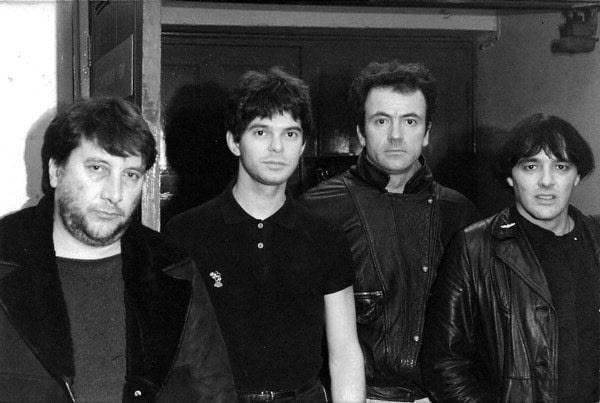
Since their formation in the mid-1970s, The Stranglers have carved out a unique niche in the music world, blending punk rock energy with melodic sensibilities and dark, thought-provoking lyrics. Known for their distinctive sound, marked by gritty basslines and powerful keyboard riffs, this British band has left an indelible mark on the music scene. With a career spanning decades, The Stranglers have produced numerous hits that resonate with fans old and new, showcasing their ability to evolve while staying true to their roots.
In this article, we take a deep dive into the top 10 most popular songs by The Stranglers, exploring the tracks that define their legacy and capture the essence of their artistry. From raw anthems that echo the spirit of rebellion to haunting melodies that linger long after the last note fades, each song tells a story and offers a glimpse into the band’s evolution. Whether you’re a lifelong fan or discovering their music for the first time, this countdown promises to celebrate the sound that has enthralled generations and continues to inspire artists today. Get ready to revisit some of the most unforgettable moments in rock history!
1. “Golden Brown” (1981)
“Golden Brown” is one of The Stranglers’ most mesmerizing and mysterious songs, known for its harpsichord-driven melody and cryptic lyrics. Released in 1981, it marked a stylistic shift from their earlier punk sound, embracing a more refined, baroque-pop feel. The song is often interpreted on multiple levels—some hear it as an ode to heroin, others as a love song, or even a poetic musing on time and fleeting beauty. Its distinctive time signatures—alternating between 6/8 and 7/8—give it an unsettling yet hypnotic rhythm, setting it apart from typical pop or rock songs. What truly makes “Golden Brown” unforgettable is the way it immerses listeners in a dreamlike state. From the swirling instrumentation to Hugh Cornwell’s smooth, understated vocals, everything about the track feels timeless and alluring. It broke the mold of what a punk band could sound like and reached a broader audience, becoming one of their biggest commercial hits. Even decades later, “Golden Brown” continues to fascinate fans and musicians alike with its haunting elegance and layered meaning, proving that The Stranglers could defy expectations without losing their edge.
2. “Peaches” (1976)
“Peaches,” released in 1976, is brash, cheeky, and loaded with attitude—a track that sums up The Stranglers’ rebellious early days. Driven by a deep, funky bassline and a stripped-down rhythm, the song drips with sarcasm and subversion. The lyrics, which sparked controversy upon release, reflect a street-level perspective filled with lewd observations and gritty urban realism. But under the surface, “Peaches” is more than just a provocative tune—it’s a clever critique of objectification and the male gaze, done with a wink and a snarl. The band’s deadpan delivery and minimalist punk-funk sound give it an edge that still feels fresh. At the time, the song shocked many and was even banned by the BBC, but it quickly found a home among fans of the emerging punk scene. It captures the swagger of a band unafraid to stir things up, both musically and lyrically. Over time, “Peaches” has become a symbol of The Stranglers’ fearless spirit and their ability to provoke thought while getting people to dance. It’s raw, it’s rude, and it’s unforgettable—everything a great punk track should be.
3. “No More Heroes” (1977)
Released in 1977, “No More Heroes” is one of The Stranglers’ most iconic and biting songs, offering a powerful commentary on society’s fallen idols. With its gritty guitars and pounding rhythm, the track channels punk rock’s restless energy into a sarcastic elegy for the great figures of the past. The lyrics name-drop revolutionary thinkers and cultural figures like Leon Trotsky and Shakespeare, only to question their relevance in the modern world. It’s a song drenched in disillusionment—reflecting a time when many young people felt betrayed by the promises of the past and saw their heroes fall short. But even with that cynicism, there’s an undeniable thrill in the music itself. The chorus is anthemic, demanding to be shouted, and the instrumentation is tight and relentless. “No More Heroes” became an anthem for a generation tired of hypocrisy and false idols. It helped cement The Stranglers’ reputation as a band with something to say—unafraid to mix intelligence with attitude. Decades later, the message still resonates, reminding us that the search for real integrity and leadership is an ongoing, sometimes frustrating journey.
4. “Always the Sun” (1986)
“Always the Sun,” released in 1986, marked a more melodic and reflective phase in The Stranglers’ career. It’s a beautifully layered track that contemplates the balance between hardship and hope. With its shimmering synth textures, jangly guitar lines, and a soothing vocal performance by Jean-Jacques Burnel, the song creates a warm, contemplative soundscape that contrasts with the band’s punk roots. Lyrically, “Always the Sun” wrestles with questions about fate, justice, and resilience. It wonders why bad things happen to good people, yet it ultimately offers comfort in the metaphor of the sun—an eternal presence that remains even when obscured by clouds. The song’s emotional honesty struck a chord with listeners, and it became one of their most enduring radio hits. Unlike their more aggressive earlier work, “Always the Sun” reveals the band’s growth and musical maturity. It’s a song you don’t just hear—you feel it. Whether you’re going through a personal trial or simply reflecting on life’s ups and downs, this track offers a quiet reassurance. It shows that even a band known for its defiance can create something genuinely tender and uplifting.
5. “Duchess” (1979)
“Duchess,” released in 1979, captures a striking balance between sharp social commentary and melodic pop charm. It’s one of The Stranglers’ more refined tracks, blending jangly guitars, layered keys, and an infectious chorus that makes it immediately memorable. At first listen, it sounds like a lighthearted love song, but the lyrics tell a more cynical tale of a woman caught between adoration and societal scrutiny. The “duchess” in question may represent more than just a person—possibly symbolizing fame, temptation, or the public’s fickle affection. The band’s knack for blending accessible melodies with deeper meaning is on full display here. While not as confrontational as some of their earlier punk anthems, “Duchess” still carries an undercurrent of rebellion, hidden beneath its polished surface. Its sing-along chorus and crisp arrangement helped it become a chart success and a favorite among fans of the band’s late ’70s evolution. What truly makes it stand out is how effortlessly it walks the line between cynicism and sentiment. “Duchess” is smart, catchy, and sly—a song that invites repeated listening, each time revealing a little more beneath the surface.
6. “Skin Deep” (1984)
https://www.youtube.com/watch?v=aw9mEFn38to&pp=ygUSIlNraW4gRGVlcCIgKDE5ODQp
8. “Nice ‘n’ Sleazy” (1978)
“Nice ‘n’ Sleazy,” released in 1978, is The Stranglers at their most provocatively playful. The track oozes mischief, with a slinky bassline and an unmistakably cheeky tone that sets it apart from their more aggressive punk peers. The lyrics dive into the seedy underbelly of nightlife, painting a vivid picture of hedonism, temptation, and blurred moral boundaries. But there’s more going on beneath the surface—like much of their work, the song walks a fine line between satire and commentary. Musically, it’s hypnotic and minimal, letting the bass and drums take center stage while the vocals deliver their sly lines with a wink. There’s something theatrical about “Nice ‘n’ Sleazy,” almost like a cabaret act turned punk. It’s danceable yet dark, catchy but subversive—making it one of their most enduring and uniquely styled songs. The title alone became iconic, perfectly summing up the band’s ability to balance grit with groove. “Nice ‘n’ Sleazy” invites listeners into a world that’s equal parts shadowy and seductive, and it remains a favorite for fans who appreciate The Stranglers’ talent for wrapping sharp observations in irresistibly cool music.
7. “Something Better Change” (1977)
“Something Better Change,” released in 1977, is a fierce call-to-action and a true embodiment of punk’s raw energy. From its very first notes, the track charges forward with a sense of urgency, driven by pounding drums, snarling guitar riffs, and Hugh Cornwell’s intense vocal delivery. The song reflects the growing frustration of a generation disillusioned by political stagnation and social inequality. It’s a direct challenge to the status quo—a demand that things can’t stay the way they are. The refrain “something better change” becomes both a warning and a rallying cry, echoing the sentiments of countless youth in the late ‘70s who felt unheard and angry. But what makes the song enduring isn’t just its rage—it’s the way that rage is channeled into a tight, compelling musical experience. The arrangement is punchy and efficient, with no wasted moments, and the lyrics are as relevant today as they were back then. “Something Better Change” captures the very essence of rebellion without losing its grip on melody or purpose. It’s a song that doesn’t just ask for change—it demands it—and reminds us that music can be a powerful force for both resistance and reflection.
8. “Nice ‘n’ Sleazy” (1978)
“Nice ‘n’ Sleazy,” released in 1978, is The Stranglers at their most provocatively playful. The track oozes mischief, with a slinky bassline and an unmistakably cheeky tone that sets it apart from their more aggressive punk peers. The lyrics dive into the seedy underbelly of nightlife, painting a vivid picture of hedonism, temptation, and blurred moral boundaries. But there’s more going on beneath the surface—like much of their work, the song walks a fine line between satire and commentary. Musically, it’s hypnotic and minimal, letting the bass and drums take center stage while the vocals deliver their sly lines with a wink. There’s something theatrical about “Nice ‘n’ Sleazy,” almost like a cabaret act turned punk. It’s danceable yet dark, catchy but subversive—making it one of their most enduring and uniquely styled songs. The title alone became iconic, perfectly summing up the band’s ability to balance grit with groove. “Nice ‘n’ Sleazy” invites listeners into a world that’s equal parts shadowy and seductive, and it remains a favorite for fans who appreciate The Stranglers’ talent for wrapping sharp observations in irresistibly cool music.
9. “Get a Grip on Yourself” (1977)
“Get a Grip on Yourself,” released in 1977, is a defiant anthem that delivers a hard-hitting message wrapped in gritty guitar riffs and a relentless rhythm. It was one of The Stranglers’ earliest singles, and it captures their essence perfectly—unfiltered, unapologetic, and full of attitude. The lyrics are a wake-up call, urging people to take control of their lives and stop playing the victim. It’s confrontational in the best way, with lines that punch as hard as the drums behind them. Musically, the track combines punk rock aggression with unexpected elements like saxophone flourishes, giving it a unique sonic edge. It’s aggressive without being chaotic—structured rebellion with a memorable hook. The song set the tone for the band’s fearless approach to music and lyrics, refusing to conform to anyone’s expectations. Whether you’re feeling beaten down or simply need a jolt of motivation, “Get a Grip on Yourself” serves as both a warning and a pep talk. It’s a raw, raucous reminder that sometimes, the first step to change is shaking yourself awake—and no one delivers that message quite like The Stranglers.
10. “European Female” (1983)
“European Female,” released in 1983, is a hypnotic, slow-burning track that shows The Stranglers’ more experimental and sensual side. Built around a steady, pulsing rhythm and lush, echo-laden instrumentation, the song departs from the raw punk of their earlier years and dives into something darker and more atmospheric. Jean-Jacques Burnel’s baritone vocals give the track a seductive, almost mysterious quality as he sings about a woman who represents both fascination and elusiveness. Lyrically, it’s a dreamy meditation on beauty, distance, and desire—less literal than their previous work, and more poetic in tone. The song feels like it’s drifting through a foggy European night, full of longing and intrigue. Musically, “European Female” is minimalist but effective, using repetition and restraint to build mood rather than energy. It’s a testament to the band’s versatility and willingness to push boundaries. While it may not carry the same rebellious punch as some of their earlier songs, it shows a different kind of power—a cool confidence and artistic maturity that reveals just how multifaceted The Stranglers had become. It’s a track that lingers in your mind long after it ends, haunting and beautiful in equal measure.
=

Edward Tomlin is a frequent contributor to Singers Room. Since 2005, Singersroom has been the voice of R&B around the world. Connect with us via social media below.









