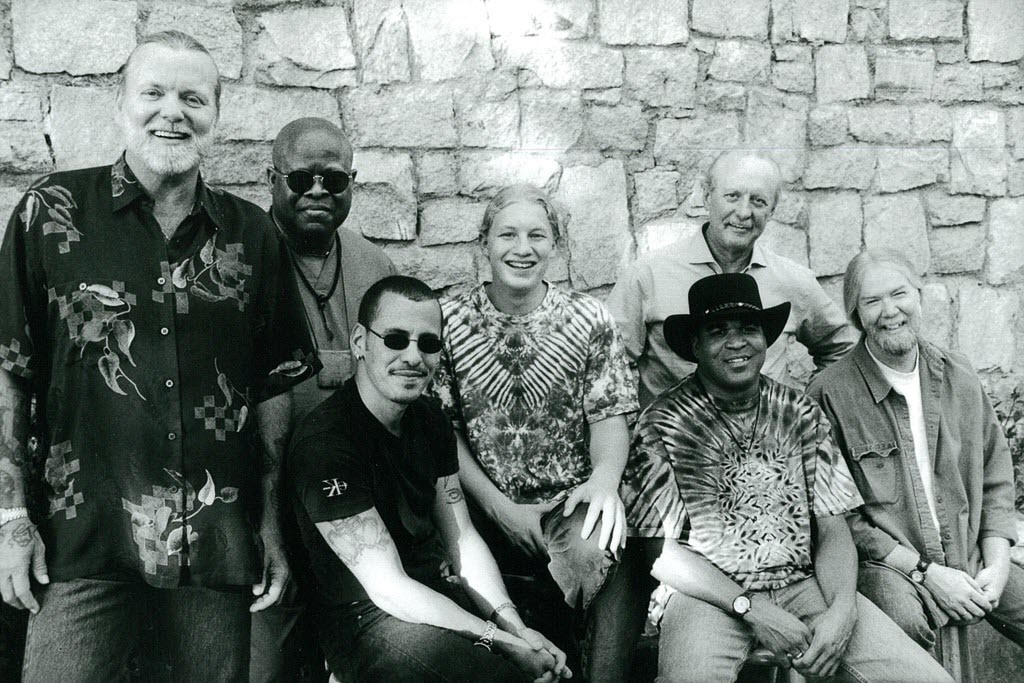
For over five decades, The Allman Brothers Band has captivated audiences with their unique blend of Southern rock, blues, and jazz. Formed in 1969, this legendary group not only pioneered the jam band scene but also crafted anthems that resonate with generations of music lovers. Their rich harmonies, intricate guitar solos, and heartfelt lyrics have solidified their place in rock history. In this article, we delve into the top 10 most popular Allman Brothers songs of all time, each a testament to the band’s enduring legacy and artistic evolution. From the soulful strains of “Whipping Post” to the toe-tapping grooves of “Ramblin’ Man,” these tracks showcase the band’s remarkable ability to fuse emotion with technical prowess. Whether you’re a lifelong fan or a newcomer eager to explore their discography, this list offers a perfect entry point into the world of The Allman Brothers Band. Join us as we celebrate the songs that not only defined a genre but also captured the spirit of a generation, reminding us why this iconic band continues to inspire musicians and fans alike. Get ready to relive the magic and discover why these songs remain timeless classics!
1. Whipping Post (1969)
“Whipping Post” is a storm of emotion and musicianship that cemented The Allman Brothers Band’s place in rock history. Featured on their 1969 self-titled debut album, this powerful track blends searing blues, Southern rock, and jazz-influenced improvisation. Gregg Allman’s anguished vocals channel heartbreak and betrayal, likening emotional turmoil to being tied to a whipping post—a metaphor that hits like a gut punch. Duane Allman’s blazing guitar work creates tension and release, winding through extended solos that feel both spontaneous and masterfully controlled. The 11-minute studio version became a launchpad for epic live renditions, some lasting over 20 minutes, transforming each performance into a cathartic journey for both band and audience. The shifting time signatures, especially the unusual 11/8 intro, set the song apart as a bold experiment in rock dynamics. It became a centerpiece of their legendary live shows, particularly during the At Fillmore East recordings, where it took on near-mythic status. “Whipping Post” isn’t just a song—it’s a force. It captures the raw, unfiltered emotion that defined the Allman Brothers’ style and Southern rock itself. Decades later, it still hits with the same fiery impact, leaving listeners in awe of its emotional and musical depth.
2. Ramblin’ Man (1973)
“Ramblin’ Man,” released in 1973 on Brothers and Sisters, became The Allman Brothers Band’s highest-charting single and a signature song that brought their Southern sound to the mainstream. Written and sung by Dickey Betts, the track tells the story of a restless soul destined to keep moving, chasing open roads and freedom instead of settling down. With its upbeat tempo, smooth country-rock groove, and instantly recognizable guitar lines, “Ramblin’ Man” captured the spirit of the American South in a way that felt both personal and universal. Betts’ warm vocals, backed by tight harmonies and fluid guitar interplay, evoke images of long highways, wide skies, and the bittersweet reality of living life on the move. The song’s catchy chorus—“Lord, I was born a ramblin’ man”—resonated with anyone who’s ever felt the pull of the unknown. It marked a sonic shift for the band, leaning more into country influences while maintaining their blues-rock roots. Despite its radio-friendly vibe, “Ramblin’ Man” stays true to the band’s musicianship, featuring nuanced guitar work and a rhythm section that keeps everything grounded. It’s a timeless anthem that continues to inspire wanderers and dreamers alike.
3. Midnight Rider (1970)
“Midnight Rider” is a haunting, soulful journey that showcases Gregg Allman’s gift for storytelling and mood-setting. Released in 1970 on Idlewild South, the song captures the voice of a man on the run—figuratively and literally—clinging to freedom at all costs. From the first hypnotic guitar riff, there’s a sense of motion and tension, as if the music itself is galloping down a moonlit road. Allman’s vocals are weary yet determined, layered with grit and vulnerability. His lyrics speak of a rugged individual who’s lost much but refuses to be caught or broken: “I’ve gone past the point of caring / Some old bed I’ll soon be sharing.” The song’s stripped-down instrumentation—anchored by acoustic guitar, subtle percussion, and a steady bassline—creates an atmosphere that’s both intimate and cinematic. “Midnight Rider” became one of the band’s most beloved tracks, covered by multiple artists but always most powerful in its original form. It captures the weary resilience of a soul in flight, making it one of the most emotionally resonant pieces in their catalog. It’s not just a song about running—it’s about holding onto one’s last shred of freedom in a world full of consequences.
4. Jessica (1973)
“Jessica,” an instrumental masterpiece from the 1973 album Brothers and Sisters, radiates joy, energy, and technical brilliance. Composed by guitarist Dickey Betts and named after his daughter, the song is an exuberant celebration of life, wrapped in flowing guitar melodies and intricate rhythms. From the moment the first guitar lick kicks in, “Jessica” unfolds like a road trip soundtrack—sun-drenched, open-hearted, and endlessly dynamic. It blends elements of Southern rock, jazz, and country in a way that feels effortless but is full of complexity beneath the surface. The interplay between Betts’ lead guitar and Chuck Leavell’s spirited piano creates a lively, conversational back-and-forth that elevates the track into something magical. Clocking in at over seven minutes, the song evolves through joyful peaks and reflective valleys, all without a single lyric. It’s a rare instrumental that tells a complete story, relying on emotion and musicianship alone. “Jessica” became a fan favorite and a staple of their live performances, often stretching into extended jams that showcased the band’s improvisational skills. It’s a shining example of The Allman Brothers Band’s ability to communicate volumes without saying a word—and it never fails to uplift.
5. Statesboro Blues (1971)
“Statesboro Blues” is a fiery reinterpretation of Blind Willie McTell’s Delta blues classic, transformed into a Southern rock powerhouse by The Allman Brothers Band. Featured on their landmark 1971 live album At Fillmore East, this version is a tour de force of slide guitar, swagger, and soul. Duane Allman’s slide work on this track is legendary—his opening riff cuts like a lightning bolt, setting the stage for a raw, electrifying performance. Gregg Allman’s vocals are equal parts grit and groove, delivering the lyrics with a sly, confident charm that brings the old blues tale to life. The band’s tight rhythm section, anchored by Berry Oakley’s bass and the twin drummers Jaimoe and Butch Trucks, propels the song with unstoppable energy. This isn’t just a cover—it’s a resurrection. The Allmans honored McTell’s legacy while injecting the song with a bold new energy that made it feel entirely their own. “Statesboro Blues” became a live favorite and a touchstone for aspiring blues-rock musicians. It captured everything great about the band: technical prowess, deep roots, and the ability to ignite a crowd with nothing but feeling and fire.
6. In Memory of Elizabeth Reed (1970)
“In Memory of Elizabeth Reed” is a hauntingly beautiful instrumental that showcases The Allman Brothers Band at their most experimental and improvisational. First appearing on their 1970 album Idlewild South, the track is named after a headstone Dickey Betts saw in a Macon, Georgia cemetery—though the music tells an entirely different, wordless story. Built around a Latin-inflected rhythm and jazzy guitar phrasings, the composition is mysterious, moody, and endlessly open to interpretation. The dual guitar harmonies between Duane Allman and Betts create a lush tapestry of sound, weaving through sections that feel alternately brooding, urgent, and transcendent. On stage, “Elizabeth Reed” was transformed into an extended jam session, often running well over ten minutes and allowing each band member space to explore their own musical path. It became a centerpiece of their live shows, especially on At Fillmore East, where the performance captured their improvisational magic at its peak. The song is a showcase not just of technical skill, but of emotional range and musical conversation. It remains a standout in their catalog, a fusion of jazz, blues, and rock that underscores the band’s status as one of the most innovative groups in American music.
7. Melissa (1972)
“Melissa” is one of the most tender and emotionally rich songs in The Allman Brothers Band’s repertoire. Released in 1972 on the album Eat a Peach, the ballad reveals a softer, more introspective side of the group. Written by Gregg Allman, the song had been in his personal archive for years before he finally brought it to life with the band. With its delicate acoustic guitar intro, subdued rhythm, and gentle organ backing, “Melissa” creates an atmosphere of heartfelt nostalgia and longing. Allman’s vocals are warm and plaintive, conveying a deep affection and quiet sorrow as he sings of a traveling man who finds peace only in thoughts of a woman named Melissa. The lyrics speak of restlessness and romantic devotion with poetic grace, creating a timeless story that resonates deeply with listeners. “Melissa” stood in contrast to the band’s more fiery material, proving they could master subtlety as well as power. It quickly became a fan favorite and a concert staple, especially during acoustic sets. The song endures as one of their most beloved ballads—a simple, elegant reflection on love, distance, and the quiet places where our hearts find rest.
8. One Way Out (1972)
“One Way Out” is an electrifying blues-rock barnburner that captures The Allman Brothers Band in full flight. Originally written by Elmore James and Sonny Boy Williamson, the band’s high-energy version, released in 1972 on Eat a Peach, became one of their most iconic live staples. The recording, taken from a blistering Fillmore East performance, crackles with urgency and swagger. From the opening guitar licks to the foot-stomping rhythm, the song hits the ground running and never lets up. Gregg Allman’s vocals are full of character, spinning a classic blues tale of a man caught in a sticky situation—trapped between his lover, her husband, and a narrow escape route. Duane Allman and Dickey Betts trade fiery guitar solos, layering the track with blues grit and rock bravado. The rhythm section drives the momentum with tight, kinetic energy, creating a sense of danger and exhilaration. “One Way Out” thrives on tension and release, capturing the excitement of a band at their peak. It became a crowd favorite for good reason—its mix of humor, blues tradition, and rock intensity made it irresistible. Even decades later, the song still sounds like a chase you can’t help but join.
9. Ain’t Wastin’ Time No More (1972)
“Ain’t Wastin’ Time No More,” the opening track from 1972’s Eat a Peach, is both a personal and artistic turning point for The Allman Brothers Band. Written by Gregg Allman in the aftermath of his brother Duane’s tragic death, the song carries a message of resilience and renewal. Rather than drowning in grief, it calls listeners to move forward with purpose and hope. The lyrics are reflective but forward-looking—“Time goes by like pouring rain, and much faster things”—a line that feels deeply personal and universally relatable. Gregg’s vocals are filled with determination, while Dickey Betts’ guitar work adds color and warmth without overwhelming the song’s meditative tone. The rhythm section keeps things driving with a laid-back yet insistent groove, giving the track a sense of motion and quiet optimism. “Ain’t Wastin’ Time No More” became a rallying cry for healing and growth, both for the band and for fans who were mourning along with them. It marked a new chapter in their journey, proving that even after profound loss, the music—and life—must go on. It remains one of their most meaningful and uplifting compositions.
10. Dreams (1970)
“Dreams,” from The Allman Brothers Band’s 1969 debut album, is a lush, meditative track that captures the heart of the band’s blues-rock fusion. Slow, spacious, and emotionally immersive, the song creates a dreamlike ambiance that lives up to its title. Gregg Allman’s lyrics are poetic and introspective, exploring the longing for purpose, truth, and something greater—“I’ve been trying to find my way back home.” His soulful voice carries both pain and hope, inviting listeners into a deeply personal reflection on life’s uncertainties. The music, anchored by Duane Allman’s hypnotic guitar work, unfolds like a slow-moving river, with solos that swell and recede with quiet intensity. Unlike many of the band’s more explosive tracks, “Dreams” relies on subtlety, space, and atmosphere. It became a live showpiece, often extended into long improvisational explorations that showcased the band’s jazz influences and emotional range. The song stands as a testament to the Allmans’ ability to create music that’s not just heard, but felt. “Dreams” is more than a ballad—it’s a meditation, a prayer, a soul-searching journey that remains one of the most moving and enduring pieces in their catalog.

Edward Tomlin is a frequent contributor to Singers Room. Since 2005, Singersroom has been the voice of R&B around the world. Connect with us via social media below.









