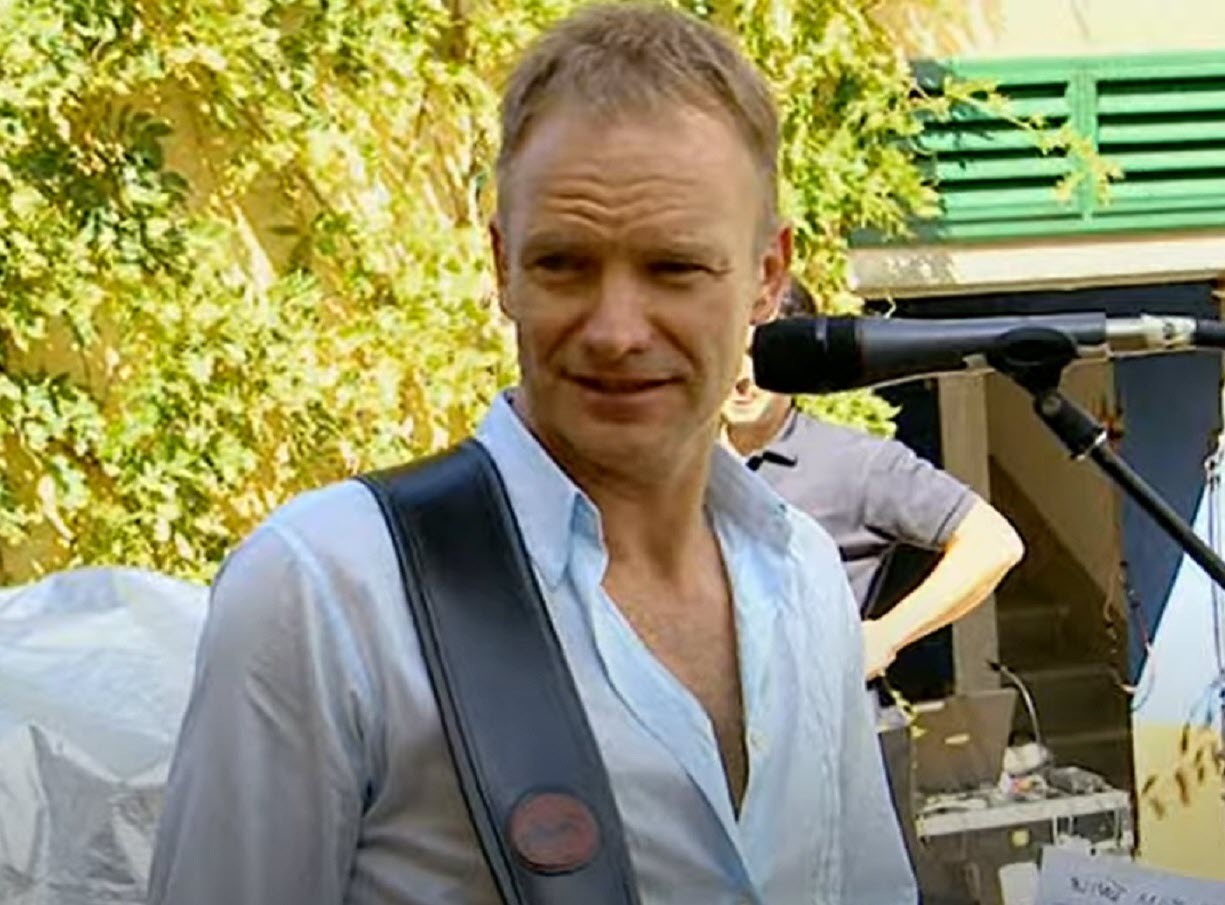
Sting, the legendary British musician and former frontman of The Police, has captivated audiences for decades with his distinctive voice, poetic lyrics, and innovative sound. From the pulsating rhythms of the late ’70s to his introspective solo ballads, Sting’s music transcends genres, weaving together elements of rock, jazz, and classical influences. As we dive into the top 10 most popular Sting songs of all time, prepare to journey through a rich tapestry of emotions and stories that resonate with listeners across generations.
These tracks not only showcase Sting’s remarkable ability to blend thought-provoking themes with unforgettable melodies but also highlight his evolution as an artist. Whether you’re a lifelong fan or a newcomer to his discography, this countdown will unveil the anthems that have defined his career and left an indelible mark on the music landscape. From chart-topping hits to timeless classics, each song tells a unique story, inviting you to explore the depths of love, loss, and the human experience. So, turn up the volume and get ready to relive the magic of Sting’s most beloved songs, as we celebrate the artistry and legacy of one of music’s greatest icons.
1. Every Breath You Take (1983)
“Every Breath You Take” is one of the most iconic and misinterpreted love songs of the 1980s. Released in 1983 by The Police, it’s often seen as a romantic ballad, but beneath its smooth melody lies something much darker. Sting’s haunting lyrics speak from the perspective of someone watching a former lover with obsessive intensity. The calm, clean guitar line and steady drumbeat give it a deceptively serene tone, while the words paint a picture of heartbreak, jealousy, and control. Sting’s voice floats between tender and chilling, making the track emotionally complex and deeply memorable. What makes this song so compelling is how it balances vulnerability with possessiveness, capturing the raw aftermath of a breakup. Its universal themes—loss, longing, and the ache of watching someone move on—strike a chord with anyone who’s loved and lost. It became a global hit, topping charts for weeks, and earned a Grammy for Song of the Year. Decades later, it still sparks discussion and resonates across generations. “Every Breath You Take” endures not because it’s a traditional love song, but because it dares to explore the shadow side of love with poetic finesse.
2. Fields of Gold (1993)
“Fields of Gold” is one of Sting’s most tender and poetic songs, released in 1993 as part of his Ten Summoner’s Tales album. With its soft acoustic guitar and gentle melody, the song feels like a warm breeze on a summer afternoon. Sting’s voice, calm and wistful, invites the listener into a world of quiet reflection and enduring love. The imagery of walking through golden barley fields serves as a metaphor for the passage of time, shared memories, and promises made. It’s a song about looking back with gratitude and hope, not regret. The lyrics are simple, but their emotional resonance is profound—they capture the feeling of cherishing fleeting moments and recognizing their beauty only in hindsight. “Fields of Gold” is frequently played at weddings and memorials alike because it speaks so sincerely to both love’s beginning and its lasting impact. Its gentle, timeless nature has made it one of Sting’s most beloved songs. It’s not showy or dramatic—it’s honest, grounded, and full of heart. In just a few verses, it reminds us why memories matter and why love, in all its seasons, is worth holding on to.
3. Shape of My Heart (1993)
“Shape of My Heart,” released in 1993, is a hauntingly introspective track that stands out as one of Sting’s most poetic and philosophical works. Co-written with guitarist Dominic Miller, the song pairs Sting’s soulful voice with delicate acoustic guitar lines and soft string arrangements, creating a contemplative, almost hypnotic mood. The lyrics revolve around a card player who isn’t in it for the money or thrill, but for something deeper—understanding fate, chance, and the meaning behind every hand dealt. It’s not just about poker; it’s a metaphor for life itself. Through this mysterious character, Sting explores themes of vulnerability, identity, and the quiet search for truth. There’s a melancholy beauty in how the song accepts life’s unpredictability while still yearning for clarity. “Shape of My Heart” gained even more recognition after being featured in the film Léon: The Professional, further cementing its legacy. Its slow, thoughtful pace and rich symbolism make it the kind of song you return to when you need to think, feel, or simply sit in silence with something profound. It’s a rare track that doesn’t just entertain—it lingers in your mind and heart long after it ends.
4. Roxanne (1978)
Released in 1978, “Roxanne” was the breakthrough single that put The Police—and Sting—on the musical map. Mixing reggae rhythms with rock intensity, the song tells the story of a man begging a woman, presumably a sex worker, to leave behind her life on the streets because he’s fallen in love with her. It’s passionate, pleading, and raw. Sting’s voice moves from soft vulnerability to emotional outburst, capturing the desperation and longing in the lyrics. The now-iconic moment where he shouts “Roxanne!” and accidentally leans on the piano, letting it chime in the recording, gives the track its human edge—imperfect and spontaneous. Musically, it was ahead of its time, blending genres and challenging conventional pop themes. What makes “Roxanne” so compelling is its emotional honesty and how boldly it addressed taboo topics without judgment. Over the years, it’s become one of The Police’s most recognizable songs and a staple of Sting’s career. Whether it’s performed with a full band or stripped-down acoustic, “Roxanne” holds its power. It’s a love song, yes—but one wrapped in pain, conflict, and hope, making it all the more real and unforgettable.
5. Englishman in New York (1987)
“Englishman in New York,” released in 1987, is Sting’s charming tribute to eccentricity, identity, and the art of standing out. Inspired by his friend, British writer and openly gay icon Quentin Crisp, the song paints the portrait of someone who moves through life on their own terms—even when that means not fitting in. The jazzy, playful saxophone riff—performed by the legendary Branford Marsalis—gives the track its signature flair. Sting sings with a wink and a nod, embracing cultural quirks and the gentle awkwardness of being a fish out of water. Lines like “It takes a man to suffer ignorance and smile” are both witty and profound, reflecting a quiet kind of bravery. This isn’t a protest song, but a celebration of self-assurance and authenticity. Musically, the blend of jazz and pop creates a sophisticated groove that mirrors the elegance and wit of its subject. “Englishman in New York” has become an anthem for outsiders everywhere, reminding us that there’s dignity in being different. It’s stylish, clever, and warmly humorous—one of those rare songs that manages to feel both light-hearted and deeply meaningful at the same time.
6. Desert Rose (1999)
“Desert Rose,” released in 1999, is one of Sting’s most unique and adventurous tracks, blending Western pop with Arabic influences in a mesmerizing collaboration with Algerian singer Cheb Mami. The song opens with an atmospheric arrangement that immediately feels otherworldly—like stepping into a dream that floats between cultures. Cheb Mami’s haunting vocals in Arabic soar beside Sting’s yearning English verses, creating a contrast that’s both beautiful and deeply emotional. At its heart, “Desert Rose” is a song about longing—about desiring something just out of reach, whether it be love, purpose, or a spiritual connection. The production is rich, layered, and textured with synths, traditional instruments, and rhythmic percussion, giving it a cinematic quality that transports listeners. The accompanying music video, set in the Mojave Desert, only heightened its mystique and appeal. The song became a global hit, proving that music can transcend borders when artists are bold enough to blend styles and stories. “Desert Rose” stands as a testament to Sting’s fearlessness as a musician—someone who continuously explores, evolves, and finds common ground in sound. It’s not just a song; it’s an experience that bridges East and West, tradition and modernity.
7. If I Ever Lose My Faith in You (1993)
Released in 1993, “If I Ever Lose My Faith in You” is Sting’s introspective look at disillusionment and trust in uncertain times. Opening with a mysterious and almost medieval melody, the song slowly builds into a powerful chorus that grapples with losing faith in systems—politics, religion, the media—yet still holding onto one deeply personal source of hope: another person. Sting never explicitly says who “you” is, allowing the listener to interpret it as a lover, a friend, or even a spiritual constant. This ambiguity gives the song its universal appeal. The lyrics reflect a kind of world-weary wisdom—someone who’s seen too much but hasn’t given up. Musically, it’s a fusion of pop, rock, and a touch of world music flair, marked by its unusual chord progressions and Sting’s distinctive vocal phrasing. The song won a Grammy for Best Male Pop Vocal Performance and remains a fan favorite for its layered meaning and emotional clarity. “If I Ever Lose My Faith in You” doesn’t offer all the answers, but it offers comfort in holding onto the few things that still make sense when everything else feels like it’s falling apart.
8. Message in a Bottle (1979)
“Message in a Bottle” was released in 1979 and quickly became one of The Police’s signature hits. Driven by Andy Summers’ iconic guitar riff and Stewart Copeland’s crisp drumming, the song combines tight musicianship with a narrative that captures the deep human need for connection. The lyrics tell the story of a castaway who sends out a message in a bottle, hoping someone will find it and understand his loneliness. Days pass, then years—and just when all hope seems lost, he discovers countless other bottles washed ashore, each from someone else also crying out for connection. That realization—that we’re never truly alone in our loneliness—is what makes the song so powerful. Sting’s vocals move between isolation and revelation, giving emotional weight to every word. Despite its upbeat tempo and driving rhythm, the song touches on existential themes that resonate on a universal level. Whether you’re feeling misunderstood, lost, or just reaching out, “Message in a Bottle” is a reminder that someone, somewhere, feels the same. Decades later, it still hits home with the same clarity and urgency it had on the day it was released.
9. Brand New Day (1999)
“Brand New Day,” the title track of Sting’s 1999 album, is an exuberant and hopeful anthem that celebrates the possibility of renewal. From the first few notes, there’s a vibrant optimism in the air—a sense that no matter what’s come before, today can be different. The song features Stevie Wonder on harmonica, adding a soulful, joyful layer that elevates the entire piece. Sting’s lyrics reflect on letting go of old regrets and starting fresh: “Turn the clock to zero, honey / We’re starting up a brand new day.” It’s an invitation to forgive, to change, and to open your heart again. Musically, it blends upbeat pop with jazz and R&B elements, creating a sound that feels both fresh and timeless. The groove is infectious, and the chorus feels like a musical sunrise—radiant and full of promise. “Brand New Day” isn’t just about personal change; it’s about collective hope, too. It’s a feel-good track with real substance, encouraging us to seize each day with renewed purpose and grace. Whether you’re moving on from heartbreak or stepping into a new chapter, this song is the perfect soundtrack for starting over.
10. Fragile (1987)
“Fragile,” released in 1987, is one of Sting’s most tender and moving songs—a meditation on the delicate nature of life, peace, and human connection. Inspired by the death of an American engineer who was killed in Nicaragua, the song touches on the tragedy of violence and the heartbreaking impermanence of life. Sting’s soft acoustic guitar and hushed vocals create a solemn, almost sacred atmosphere. “Nothing comes from violence, and nothing ever could,” he sings, summing up the futility of conflict with heartbreaking clarity. The beauty of “Fragile” lies in its simplicity—there’s no grand production, no big chorus—just the quiet voice of someone trying to make sense of a broken world. It has since become an anthem for peace and remembrance, often performed at benefit concerts and memorials. The song transcends language and culture, with Sting even recording versions in Spanish and Portuguese. “Fragile” is more than just a song—it’s a prayer, a lament, and a call to cherish the fragile beauty of every moment we’re given. Its emotional weight and timeless message ensure it will continue to touch hearts for generations to come.

Edward Tomlin is a frequent contributor to Singers Room. Since 2005, Singersroom has been the voice of R&B around the world. Connect with us via social media below.