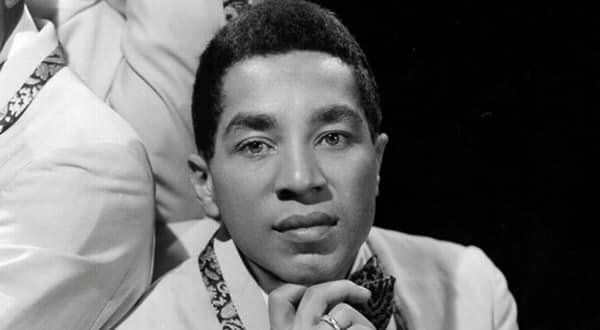
Few voices in music history have been as smooth, soulful, and unmistakable as Smokey Robinson’s. As the poetic heart of Motown, Robinson crafted a sound that defined a generation—one built on tender falsettos, irresistible melodies, and lyrics that could melt the coldest heart. Whether fronting The Miracles or dazzling in his solo career, Smokey consistently delivered songs that were more than hits—they were emotional experiences. From love-struck ballads to bittersweet reflections, his music has touched millions and continues to inspire artists across genres and decades.
In this countdown, we’re diving into the top 10 most popular Smokey Robinson songs of all time—the timeless tracks that have stood the test of time, climbed the charts, and etched their way into pop culture. These are the songs that made hearts race, brought tears to eyes, and turned everyday moments into memories. Whether you’re a lifelong fan or just discovering the magic of Smokey for the first time, this list will take you on a soulful journey through the best of one of music’s greatest legends. So turn the volume up, press play, and let’s celebrate the genius of Smokey Robinson—one unforgettable song at a time.
1. “The Tracks of My Tears” (1965)
Few soul songs cut to the core like “The Tracks of My Tears,” released in 1965 by Smokey Robinson and the Miracles. From its haunting guitar intro by Marv Tarplin to Smokey’s fragile falsetto, this ballad is a heartbreaking portrait of someone who wears a smile in public while privately drowning in sorrow. Co-written by Robinson, Tarplin, and fellow Miracle Pete Moore, the lyrics speak to anyone who’s ever hidden pain behind a mask of composure. “So take a good look at my face,” Robinson pleads, “you’ll see my smile looks out of place.” That line alone became iconic. The song showcases the Miracles’ uncanny ability to fuse poetic lyrics with rich, tender harmonies. It struck a chord with listeners immediately, becoming one of their most enduring hits and earning induction into the Grammy Hall of Fame. What sets it apart is its vulnerability—Robinson’s voice doesn’t just sing the words; it aches with them. The song’s emotional resonance has kept it relevant across generations, covered by artists from Linda Ronstadt to Dolly Parton. More than a hit, it’s a timeless anthem of heartbreak that cements Smokey’s reputation as one of music’s most sensitive and masterful storytellers.
2. “The Tears of a Clown” (1970)
“The Tears of a Clown” is a brilliant contradiction—a buoyant, circus-like melody disguising some of the saddest lyrics Smokey Robinson ever sang. Though it first appeared on the Miracles’ 1967 album Make It Happen, the song didn’t become a single until 1970. When it finally hit radio, it exploded, topping the charts in both the U.S. and UK. Co-written by Smokey, Stevie Wonder, and Hank Cosby, the song marries Wonder’s whimsical musical arrangement—complete with a calliope-like motif—to a poignant narrative about emotional isolation. The lyrics explore the universal experience of hiding pain behind a smile, a theme that resonates as strongly today as it did then. “Don’t let my glad expression give you the wrong impression,” Smokey sings, his voice light but loaded with feeling. This duality is what makes the song unforgettable. It became one of Robinson’s final hits with the Miracles before he went solo, marking the end of an era with poetic flair. As catchy as it is complex, “The Tears of a Clown” captures Smokey’s unmatched ability to blend pop accessibility with deep emotional insight. It’s Motown brilliance wrapped in melancholy and joy.
3. “Cruisin’” (1979)
With “Cruisin’,” Smokey Robinson redefined sensuality in soul music. Released in 1979 as part of his solo career, the song embraced the smooth, romantic essence of the emerging quiet storm genre—a sound Smokey himself helped pioneer. Co-written with longtime collaborator Marv Tarplin, “Cruisin’” isn’t just a love song—it’s an experience. Its mellow groove, gentle instrumentation, and tender lyrics create an atmosphere of intimacy, making it perfect for a slow dance or a midnight drive. Robinson’s vocals are effortless and rich, gliding across the track with a sense of ease and warmth that’s simply hypnotic. The song’s theme of enjoying the journey—both literally and emotionally—struck a chord with listeners, helping it become a top 10 hit on the Billboard charts. “Cruisin’” proved that Smokey didn’t need to chase trends to stay relevant; instead, he carved out his own lane of sophisticated, heartfelt soul. Its lasting appeal has led to numerous covers, most famously by D’Angelo and later Huey Lewis and Gwyneth Paltrow. Yet nothing matches the laid-back intimacy of the original. “Cruisin’” is pure Smokey: subtle, seductive, and timeless.
4. “Being with You” (1981)
By 1981, Smokey Robinson had already spent over two decades crafting some of soul music’s most romantic gems—and “Being with You” was proof he hadn’t lost his touch. Written solely by Robinson, the song is a heartfelt expression of love’s determination, built around the idea that true affection can defy outside judgment and societal pressure. Against a backdrop of sleek early ’80s production, complete with warm keyboard textures and drum machines, Smokey’s voice remains the focal point: soft, persuasive, and brimming with emotional clarity. “I don’t care about anything else but being with you,” he sings, and it’s impossible not to believe him. The song became a major hit, peaking at No. 2 on the Billboard Hot 100 and reaching No. 1 in the UK, making it one of his most successful solo releases. Its universal message and romantic sincerity continue to make it a staple at weddings and anniversaries. “Being with You” stands as a testament to Smokey’s enduring gift for turning love into song—simple, pure, and deeply resonant.
5. “I Second That Emotion” (1967)
Witty, romantic, and instantly catchy, “I Second That Emotion” is Smokey Robinson at his most playful. Released in 1967 with the Miracles, the song takes its title from a happy accident—co-writer Al Cleveland meant to say “I second that motion” but flubbed the phrase, giving Robinson lyrical gold. What followed was a clever love song wrapped in a bright Motown groove. The track boasts a vibrant bassline, punchy percussion, and the Miracles’ trademark vocal harmonies, creating a feel-good sound that helped it reach the top 10 in both the U.S. and UK. At its core, the song is about emotional honesty in love, but it’s delivered with a wink and a smile. Smokey’s vocal performance is flirtatious and smooth, perfectly matching the upbeat tempo. The chorus is unforgettable—sing-along friendly and radio-perfect. Its charm lies in its balance of substance and style: beneath the catchy melody lies a message about not settling for anything less than genuine emotion. Over 50 years later, “I Second That Emotion” still feels fresh, a shining example of Motown magic and Smokey Robinson’s lyrical genius.
6. “You’ve Really Got a Hold on Me” (1962)
Released in 1962, “You’ve Really Got a Hold on Me” was a turning point—not just for Smokey Robinson and the Miracles, but for Motown as a whole. Inspired by Sam Cooke’s “Bring It On Home to Me,” Robinson wrote the song during a trip to New York. What emerged was a soul classic built on emotional contradiction. “I don’t like you, but I love you,” he sings, capturing the confusing push-and-pull of romantic entanglement. Smokey’s vocal delivery is raw and conflicted, supported by the Miracles’ lush harmonies and a restrained, slow-burning arrangement that emphasizes the lyrics’ tension. The song climbed to No. 8 on the Billboard Hot 100 and became one of Motown’s first true crossover successes. Its impact only grew when the Beatles covered it, introducing Robinson’s genius to a global audience. “You’ve Really Got a Hold on Me” set a new standard for emotional depth in pop music and remains a definitive moment in the history of soul—a song that proves vulnerability can be powerful.
7. “Ooo Baby Baby” (1965)
“Ooo Baby Baby” is one of Smokey Robinson’s most emotionally devastating songs—and also one of his most beautiful. Released in 1965, this slow-burning ballad is the very definition of soul, showcasing Smokey’s falsetto at its most fragile and sincere. Co-written with fellow Miracle Pete Moore, the song is a humble confession of regret. Its lyrics are simple but deeply heartfelt: “I did you wrong, my heart went out to play.” There’s no anger here—just sorrow and a longing to make things right. The arrangement is minimal, letting the vocal harmonies take center stage while the music gently sways beneath. Robinson’s voice glides over the melody like silk, imbuing every note with aching tenderness. The song was a modest chart success upon release, reaching the top 20, but over time, it became a soul standard. Artists like Linda Ronstadt, Aretha Franklin, and Ella Fitzgerald have all covered it, drawn to its timeless vulnerability. “Ooo Baby Baby” endures because it speaks directly to the human heart, a quiet masterpiece of apology and yearning that only Smokey could deliver.
8. “Shop Around” (1960)
“Shop Around” wasn’t just a song—it was a seismic shift in the music industry. Released in 1960, it became Motown’s first million-selling single, catapulting Smokey Robinson and the Miracles into stardom and putting Berry Gordy’s young label on the national map. The song cleverly delivers a mother’s advice to her son, urging him to explore his options before settling down. But behind the playful lyrics lies a driving shuffle rhythm, tight harmonies, and Smokey’s charismatic vocal delivery, which captures both the innocence and the growing pains of young love. The original version was more laid-back, but Gordy famously reworked it into a punchier, faster-paced track that was tailor-made for radio—and it worked. The song climbed to No. 2 on the Billboard Hot 100 and became a touchstone of early ’60s soul. “Shop Around” isn’t just notable for its commercial success; it established Smokey as a leading voice in pop songwriting and proved that Motown could compete with the biggest names in music. Decades later, its charm hasn’t faded—it still grooves, it still teaches, and it still feels like a fresh start.
9. “Baby, Baby Don’t Cry” (1969)
“Baby, Baby Don’t Cry” is a deeply moving ballad that stands out in the Miracles’ late-’60s catalog. Released in 1969, the track opens with a spoken-word intro from Smokey Robinson that sets a poignant, empathetic tone. Co-written with Al Cleveland and Terry Johnson, the song offers a message of hope and reassurance in the face of emotional despair. Its lush production—featuring strings, harmonies, and a slow, dramatic build—enhances the sense of heartfelt consolation. Robinson’s vocals are warm and soothing, providing a gentle shoulder for the listener to lean on. “Baby, baby, don’t cry,” he sings, “I’m gonna wipe your tears away.” It’s simple, but deeply human. The track became a top 10 hit on the R&B charts and crossed over to the pop charts as well, further proof that Smokey’s sensitive approach to songwriting resonated with a wide audience. “Baby, Baby Don’t Cry” may not be as frequently cited as his biggest hits, but its emotional honesty and compassionate spirit make it one of Smokey’s most enduringly comforting songs.
10. “Just to See Her” (1987)
By 1987, Smokey Robinson had already achieved legendary status—but “Just to See Her” reminded the world that his voice still carried timeless magic. Released as part of the album One Heartbeat, the song blends ’80s pop-soul production with the tender lyrical style that made Robinson famous. Written by Jimmy George and Lou Pardini, it’s a wistful ballad about longing to reconnect with a lost love—just one more glimpse, one more moment. The track’s shimmering instrumentation and slow, romantic tempo set a dreamy mood, but it’s Smokey’s performance that elevates it. His voice, as smooth and expressive as ever, conveys a mature vulnerability that adds depth to the song’s yearning sentiment. “Just to See Her” reached No. 8 on the Billboard Hot 100 and earned Smokey his first Grammy Award—for Best Male R&B Vocal Performance—solidifying a stunning late-career resurgence. The song remains a testament to the enduring power of memory, love, and the kind of emotional storytelling that only Smokey Robinson can deliver.

Samuel Moore is a frequent contributor to Singers Room. Since 2005, Singersroom has been the voice of R&B around the world. Connect with us via social media below.









