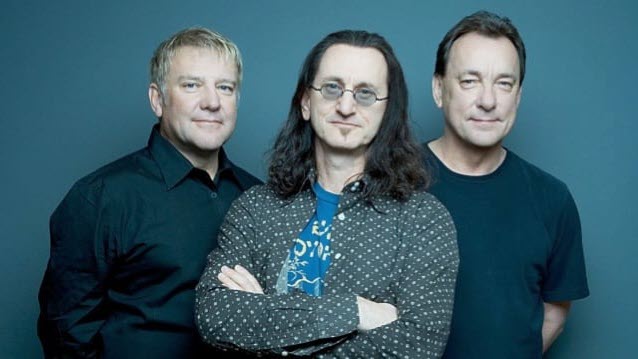
Few bands in rock history have achieved the legendary status of Rush—a power trio that defied convention, pushed musical boundaries, and built an uncompromising legacy over four decades. With Geddy Lee’s soaring vocals and virtuosic bass, Alex Lifeson’s inventive guitar work, and Neil Peart’s poetic lyrics and intricate drumming, Rush carved a unique path through the worlds of hard rock, progressive experimentation, and philosophical introspection. Their music wasn’t just complex—it was alive with meaning, emotion, and technical brilliance.
From sprawling sci-fi epics to radio-friendly anthems, Rush’s discography is a treasure trove of innovation and influence. But among their vast catalog, some songs have risen above the rest—becoming fan favorites, cultural touchstones, and live show centerpieces. Whether you’re a lifelong devotee or a curious newcomer ready to dive in, this list celebrates the Top 10 Most Popular Rush Songs of All Time—each one a masterpiece in its own right.
These tracks capture the essence of what made Rush not just a great band, but a musical phenomenon. So crank up the volume, prepare for odd time signatures, philosophical lyrics, and jaw-dropping solos—because you’re about to journey through the very best of Rush. Let the countdown begin!
1. “Tom Sawyer” (1981)
“Tom Sawyer” isn’t just a song—it’s a seismic moment in rock history. As the opening track of Moving Pictures, it set the tone for what would become Rush’s most iconic album. Right from the opening synth line, the track hits with a mix of power, precision, and attitude that few bands have ever matched. Lyrically, Neil Peart reimagines Twain’s rebellious character as a modern individualist, a symbol of independence and resistance to conformity. Geddy Lee’s vocal delivery is commanding, soaring over a sonic landscape carved by Alex Lifeson’s razor-sharp guitar riffs and Peart’s thunderous, intricate drumming. Despite its complexity and progressive structure, “Tom Sawyer” managed to cross into mainstream consciousness, becoming the band’s signature anthem. It’s the perfect fusion of intelligence and intensity, distilling Rush’s musical identity into four tight, dynamic minutes. The song not only became a radio staple but also introduced generations of new fans to the band’s unique blend of prog rock and hard rock muscle. Decades later, “Tom Sawyer” remains a defining anthem—not just for Rush, but for rock music itself.
2. “Limelight” (1981)
“Limelight” is Rush at their most personal and poignant. Featured on Moving Pictures, this song is Neil Peart’s introspective take on the alienation that often accompanies fame. As one of rock’s most famously private figures, Peart explores the discomfort of public life with lines like, “I can’t pretend a stranger is a long-awaited friend,” capturing the disconnect between public admiration and private identity. Musically, the song is both powerful and elegant. Alex Lifeson’s guitar riff swirls with emotional depth, creating a sonic atmosphere that complements Geddy Lee’s expressive vocals. The rhythm section—anchored by Peart’s meticulous drumming—drives the track with subtle force. Lifeson’s solo here is widely regarded as one of his finest, weaving melody and emotion into something unforgettable. While accessible enough for radio play, “Limelight” doesn’t sacrifice the band’s signature complexity. It’s a fan favorite not just because it sounds great, but because it reveals something deeper about the band’s inner world. As Rush’s fame grew, this track stood as both a celebration of success and a meditation on its cost.
3. “The Spirit of Radio” (1980)
“The Spirit of Radio” is a joyous, whirlwind celebration of music’s transformative power—and a warning against its commodification. Opening Rush’s 1980 album Permanent Waves, the song kicks off with an instantly recognizable guitar riff from Alex Lifeson that bursts into intricate rhythms and unexpected stylistic shifts, including a brief reggae interlude that still surprises. Inspired by Toronto’s CFNY radio station, the track praises the unifying force of authentic radio while lamenting the way commercial interests can dilute artistic intent. Neil Peart’s lyrics are both philosophical and poetic, as he grapples with the shifting role of radio in the music world. Geddy Lee’s energetic vocal performance, coupled with his nimble bass playing, propels the song forward, while Peart’s drumming is as dynamic and tight as ever. “The Spirit of Radio” signaled a pivotal moment in Rush’s evolution, showcasing a tighter, more accessible sound without losing their progressive edge. It became a staple on rock radio and one of the band’s most enduring hits, illustrating their ability to blend intellect, emotion, and technical prowess into one electrifying track.
4. “Closer to the Heart” (1977)
“Closer to the Heart” stands out as one of Rush’s most heartfelt and universally resonant songs. Released in 1977 on A Farewell to Kings, the track is a concise, under-three-minute anthem that speaks volumes. Co-written by Neil Peart and poet Peter Talbot, the lyrics advocate for empathy, cooperation, and a better world—an idealistic message wrapped in a graceful melody. It begins with a delicate acoustic intro before swelling into a powerful crescendo, driven by Geddy Lee’s emotive vocals and Alex Lifeson’s fluid guitar work. Unlike many of their epic compositions, “Closer to the Heart” proved that Rush could channel their complexity into something radio-friendly without compromising substance. The song became a fan favorite at concerts, where audiences would passionately sing along to every word, often turning it into a communal experience. Its emotional clarity, lyrical wisdom, and musical elegance give it an enduring charm that transcends eras. For many fans, it remains the gateway into Rush’s deeper catalog, and for the band, it represents one of their most successful attempts to connect head and heart in one soaring piece of music.
5. “YYZ” (1981)
“YYZ” is a shining example of musical virtuosity and Rush’s technical brilliance, all packed into an instrumental with no need for words. Released on 1981’s Moving Pictures, the track gets its name—and rhythmic motif—from the Morse code for Toronto Pearson International Airport’s call letters: YYZ. That clever introduction sets the tone for what follows: an exhilarating blend of odd time signatures, jaw-dropping precision, and musical conversation between bass, drums, and guitar. Geddy Lee’s bass playing is particularly dazzling, locking into complex patterns with Neil Peart’s masterful drumming. Alex Lifeson’s guitar lines add color and momentum, weaving through the composition with energy and grace. Despite its complexity, “YYZ” feels cohesive and alive, full of character and excitement. It’s become a rite of passage for musicians trying to test their chops, a fan favorite in live shows, and a pure display of Rush’s uncanny chemistry. Even without lyrics, the track tells a story—of motion, adventure, and genius in sync. “YYZ” stands tall among rock instrumentals as a showcase of just how thrilling music can be when pushed to its technical and creative limits.
6. “Subdivisions” (1982)
“Subdivisions,” released in 1982 on Signals, is Rush’s haunting reflection on growing up in the suburban sprawl. The track marks a shift in the band’s sound, leaning more heavily into synthesizers and electronic textures without abandoning their progressive core. Driven by Geddy Lee’s layered synths and Neil Peart’s poignant lyrics, the song paints a stark portrait of teenage alienation and the pressure to conform. The chorus—“Subdivisions / In the high school halls”—resonates with anyone who’s ever felt like an outsider in a world that demands uniformity. Alex Lifeson’s shimmering guitar tones provide a poignant contrast to the cold, mechanical setting, and Peart’s drumming—both intricate and emotionally precise—drives the narrative forward. “Subdivisions” is more than just a great song; it’s a statement. It captures a very specific but universal feeling: the struggle to find one’s place in a world that feels pre-designed. The track quickly became a staple of Rush’s catalog and a touchstone for fans who saw themselves reflected in its themes. It remains one of the band’s most relatable and emotionally resonant pieces.
7. “2112 (Overture/The Temples of Syrinx)” (1976)
The opening salvo of Rush’s epic “2112” is a thunderous declaration of creative freedom and resistance to oppression. Released in 1976, 2112 saved the band from being dropped by their label and became a cornerstone of their identity. The “Overture” and “The Temples of Syrinx” introduce a dystopian future where individualism is suppressed, and music is banned by authoritarian priests. Geddy Lee’s fierce vocals embody the rebellion, while the music unfolds with sweeping intensity—Alex Lifeson’s roaring guitar riffs meet Neil Peart’s bombastic drumming in a firestorm of sound. Musically, it’s progressive rock at its most theatrical and adventurous, but the message is just as powerful. At a time when Rush faced commercial uncertainty, this defiant piece doubled down on their artistic vision, and fans embraced it wholeheartedly. It wasn’t just a song—it was a statement: Rush would not be tamed. The blend of narrative storytelling, dynamic instrumentation, and sci-fi flair turned “2112” into a mythic saga. It’s an essential listen for understanding the band’s ethos and a breathtaking live experience for those lucky enough to witness it.
8. “Red Barchetta” (1981)
“Red Barchetta” is Rush’s cinematic masterpiece—a short story in song form that takes listeners on a thrilling ride through a dystopian future. Inspired by a 1973 piece by Richard S. Foster, the song, from Moving Pictures, imagines a time when individual car ownership is banned. The narrator escapes to the countryside to drive his uncle’s forbidden vintage sports car—the titular Red Barchetta—leading to a high-speed chase and triumphant getaway. Musically, the track mirrors this journey: it begins gently, evoking rural tranquility, then accelerates into heart-pounding action. Alex Lifeson’s guitar work is vivid and expressive, painting landscapes and roadways with every chord. Geddy Lee’s vocals bring urgency and awe, while Neil Peart’s drumming captures every turn and thrill of the ride. “Red Barchetta” isn’t just a song—it’s a sensory experience. Its ability to conjure vivid images and tell a compelling story in under seven minutes is a testament to Rush’s storytelling and compositional genius. It remains a fan favorite and a powerful example of how rock music can transcend boundaries to become something cinematic and timeless.
9. “La Villa Strangiato” (1978)
“La Villa Strangiato,” from 1978’s Hemispheres, is the ultimate prog-rock playground—a nine-and-a-half-minute instrumental tour de force that Rush cheekily subtitled “An Exercise in Self-Indulgence.” And indulgent it is, but gloriously so. Inspired by Alex Lifeson’s vivid dreams, the piece is divided into twelve distinct sections, each a dazzling display of technical mastery and stylistic experimentation. From jazz fusion interludes to complex time shifts and blistering solos, it’s a musical rollercoaster. Lifeson’s guitar is front and center, bending notes and genres with fluidity, while Geddy Lee’s bass weaves through impossible grooves and Neil Peart’s drumming anchors it all with surgical precision. Despite its complexity, “La Villa Strangiato” pulses with wit and personality—it never feels like a soulless display of chops. Instead, it’s alive with humor, imagination, and camaraderie. For musicians, it’s a benchmark of skill; for fans, it’s a beloved journey into the band’s wildest creative impulses. The track stands as one of the greatest instrumentals in rock history, proving once again that Rush could push boundaries and still keep listeners utterly engaged.
10. “Fly by Night” (1975)
“Fly by Night” is more than just the title track of Rush’s 1975 album—it’s a declaration of transformation. With the arrival of Neil Peart, the band’s sound and lyrical depth shifted dramatically, and this song marks the beginning of that evolution. The upbeat tempo and catchy chorus give it a sense of youthful energy and optimism, but underneath the surface lies a thoughtful meditation on change, independence, and chasing one’s destiny. Geddy Lee’s vocals brim with enthusiasm, while Alex Lifeson’s bright guitar lines give the song an infectious spark. Peart’s drumming adds both power and nuance, already signaling his future brilliance. Lyrically, it’s autobiographical, reflecting Peart’s own journey of leaving home and embracing the unknown—a theme that would echo throughout Rush’s future work. “Fly by Night” was a breakthrough for the band, introducing a more ambitious, articulate side while retaining the raw energy of their hard rock roots. It may not be as complex as later tracks, but its significance in Rush’s story is undeniable. It’s the sound of a band taking flight—literally and figuratively.

Samuel Moore is a frequent contributor to Singers Room. Since 2005, Singersroom has been the voice of R&B around the world. Connect with us via social media below.









