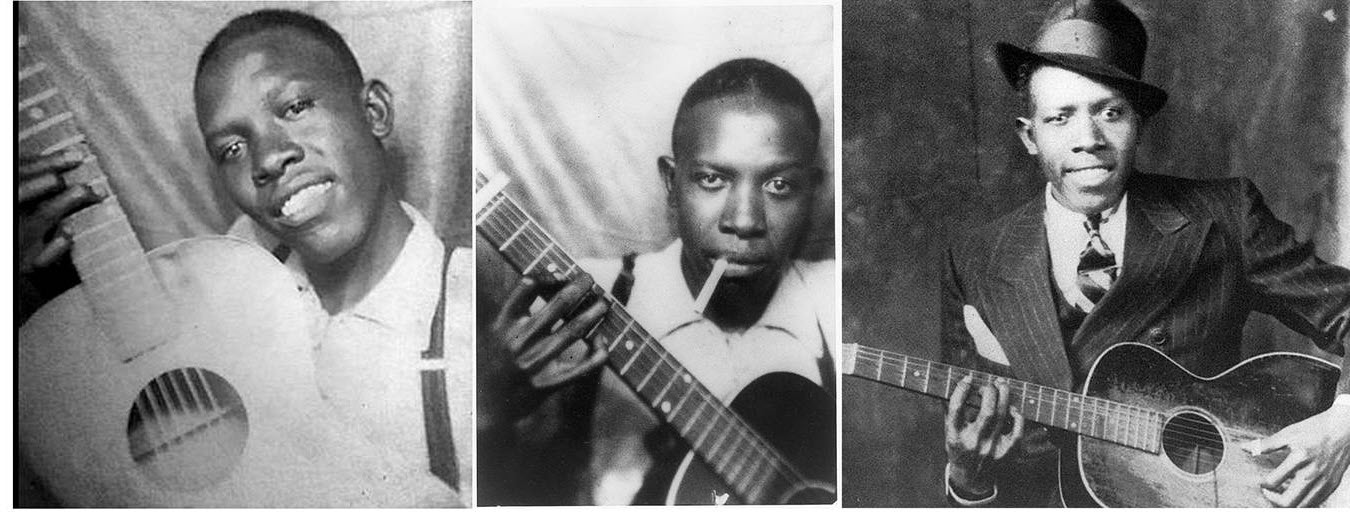
Step into the haunting world of Delta blues, where the legendary Robert Johnson reigns supreme as one of the most influential musicians in American history. Born in 1911, Johnson’s life was shrouded in mystery, but his music has left an indelible mark on the genre and beyond. Known for his soulful voice and masterful guitar work, he captured the essence of pain, love, and the human experience in a way that resonates even today.
In this article, we dive deep into the top 10 most popular Robert Johnson songs of all time. Each track is a testament to his genius, blending intricate melodies with poignant lyrics that tell stories of heartache and hope. From the iconic “Cross Road Blues,” which explores the crossroads of fate, to the seductive strains of “Love in Vain,” Johnson’s music transcends time and continues to inspire countless artists across genres.
Join us as we explore the songs that defined a genre, shaped the future of rock and roll, and solidified Robert Johnson’s legacy as a true musical pioneer. Whether you’re a long-time fan or a newcomer to his work, these timeless classics will captivate your heart and soul.
1. Cross Road Blues (1936)
“Cross Road Blues” is one of Robert Johnson’s most iconic and mysterious songs, steeped in myth and emotional intensity. Released in 1936, the track tells the story of a man stranded at a crossroads, both literally and metaphorically—pleading for help, wrestling with choices, and desperate for direction. Some have interpreted the song as a spiritual cry for salvation, while others see it as a metaphor for personal crisis and societal oppression. Johnson’s urgent voice and masterful bottleneck guitar playing create a sense of haunting vulnerability, immersing listeners in a moment of profound emotional tension.
The legend surrounding Johnson—especially the tale that he sold his soul to the devil at a crossroads—only deepens the song’s mystique, though the lyrics themselves reveal a more human story of fear, uncertainty, and longing for deliverance. The open-tuned guitar and sliding notes add to the eerie, otherworldly quality of the track. Over the decades, “Cross Road Blues” has become a cornerstone of blues and rock, covered by countless artists including Eric Clapton and Cream. Its simplicity, raw honesty, and unforgettable imagery make it not just a song, but a defining piece of American musical folklore.
2. Hellhound on My Trail (1937)
Few blues songs evoke dread and despair as vividly as Robert Johnson’s “Hellhound on My Trail.” Released in 1937, this chilling masterpiece feels like a cry from the edge of sanity. Johnson sings with desperation about a supernatural hound chasing him—an allegory that speaks to fear, guilt, and the weight of spiritual doom. The imagery is unforgettable: beds made in the cold, the smell of hot foot powder, and a life constantly on the run. It’s as if the devil himself is only a few steps behind.
The song is underscored by Johnson’s ethereal slide guitar, tuned in an open E minor, which gives it a ghostly resonance. His voice cracks with real pain, making it more than just a blues track—it’s a confession. Some listeners interpret it as a metaphor for internal torment, while others see it as a commentary on racial and social fear. Regardless, the song’s emotional power is undeniable. “Hellhound on My Trail” remains a cornerstone of Delta blues, inspiring musicians from Howlin’ Wolf to modern artists like Lucinda Williams. It’s a song that doesn’t just describe fear—it makes you feel it.
3. Sweet Home Chicago (1936)
“Sweet Home Chicago” is one of the most beloved and enduring blues songs ever recorded. Robert Johnson’s 1936 version gave the tune a life that far outlived its humble Delta roots. With its upbeat tempo, cheerful slide guitar, and singalong-style verses, it feels like a joyful anthem—yet there’s a longing underneath, a yearning to escape and find belonging. Chicago, in this context, represents a promised land for African Americans migrating north during the Great Migration, a place of hope and opportunity beyond the Jim Crow South.
Johnson’s performance is infectious, capturing the restlessness and optimism that defined an era. The chorus—“Come on, baby, don’t you wanna go”—is so catchy and universal that it’s been adopted across genres, from blues to rock to jazz. Countless artists, including Eric Clapton, The Blues Brothers, and Stevie Ray Vaughan, have paid tribute to it, but Johnson’s original remains unmatched in charm and spirit. “Sweet Home Chicago” transcends its blues roots; it’s become part of the American musical DNA. Whether played on a street corner or a stadium stage, it brings people together, offering a moment of joy and connection.
4. Love in Vain (1937)
“Love in Vain” is one of Robert Johnson’s most heartbreaking ballads, recorded in 1937 and etched with emotional pain and quiet sorrow. The song is a lament for a lost lover who has left on a train, and the imagery—of her waving goodbye and the train fading into the distance—is as poignant as it is cinematic. Johnson’s understated guitar work, delicate yet haunting, provides the perfect backdrop for his aching voice, which cracks with vulnerability as he sings of love slipping away.
There’s a remarkable restraint in this song. Unlike some blues tracks that rail against heartbreak with fury, “Love in Vain” accepts loss with a resigned sadness. That makes it all the more powerful. When The Rolling Stones covered it decades later, they added polish and instrumentation, but it’s Johnson’s sparse, raw version that truly stirs the soul.
This song isn’t just about romance—it’s about the ache of being left behind, of watching something you love disappear beyond your reach. It’s a deeply human feeling, delivered with unmatched simplicity and emotional depth. “Love in Vain” continues to speak across generations, reminding us that the pain of love lost is something we all understand.
5. Ramblin’ on My Mind (1936)
“Ramblin’ on My Mind” captures the restless spirit at the heart of the blues. Recorded in 1936, it’s one of Robert Johnson’s earliest songs and showcases both his nimble guitar playing and his emotional honesty. The song tells the story of a man driven to keep moving, haunted by love, doubt, and a deep need to escape. Johnson’s lyrics are deceptively simple, yet they strike a universal chord: “I got ramblin’, I got ramblin’ all on my mind.”
Musically, the track features intricate fingerpicking and slide techniques that were ahead of their time. Johnson’s voice conveys both weariness and defiance—a man caught between wanting to stay and needing to go. There’s no clear destination in this journey; it’s the act of moving that matters, that soothes the soul.
Many artists have drawn inspiration from this theme, from Bob Dylan to Bonnie Raitt. “Ramblin’ on My Mind” laid the foundation for a rich tradition of wandering bluesmen and free spirits in American music. It’s a song that speaks to anyone who’s ever felt the need to get in a car, hop on a train, or simply walk away from pain. It’s freedom wrapped in six strings and a broken heart.
6. Dust My Broom (1936)
“Dust My Broom” is Robert Johnson at his most sly, spirited, and rhythmically infectious. Recorded in 1936, this track walks the line between heartbreak and defiance. The phrase “I’m gonna dust my broom” was slang at the time—essentially meaning, “I’m done here; I’m moving on.” Johnson sings of betrayal, disappointment, and love gone sour, but he doesn’t wallow—he packs his bags and hits the road. The upbeat tempo and driving slide guitar give the song a feeling of motion, as if he’s already walking out the door while singing.
Johnson’s guitar work here is particularly sharp. His use of bottleneck slide adds urgency and swagger to the groove, turning what could be a sad goodbye into something empowering. Vocally, he sounds almost amused—he’s hurting, but he’s not defeated.
This song later gained massive fame when Elmore James turned it into a searing electric blues hit in the 1950s, cementing it as a blues standard. But the original Johnson recording has a rawness and charm all its own. “Dust My Broom” is a declaration of independence—an anthem for anyone who’s ever decided to walk away with dignity and a little fire in their step.
7. Stop Breakin’ Down Blues (1937)
“Stop Breakin’ Down Blues” is a full-on blues burner, packed with attitude, swagger, and frustration. In this 1937 track, Robert Johnson channels his energy into a direct message for a lover who’s causing him serious emotional trouble. It’s raw, it’s passionate, and it’s rhythmically irresistible. The phrase “stop breakin’ down” becomes a kind of plea—but it also sounds like a warning. Johnson isn’t just venting—he’s reaching his breaking point.
The guitar work is classic Johnson—slippery, driving, and full of rhythmic bounce. His vocal delivery carries a palpable mix of anger and desire, which makes the song relatable for anyone who’s ever been tangled in a messy, love-hate kind of relationship. There’s something electric in the simplicity of the arrangement—it doesn’t need bells or whistles because every word and every note hits where it counts.
Many years later, the Rolling Stones gave this song a rock revival, and countless blues artists have covered it since. But Johnson’s original has a gritty intensity that’s hard to beat. “Stop Breakin’ Down Blues” feels like someone trying to hold it together in the face of chaos—and doing it with style, rhythm, and soul.
8. Traveling Riverside Blues (1937)
“Traveling Riverside Blues” is a sly, swaggering track that gives listeners a taste of Robert Johnson’s wilder side. Released in 1937, this song pulses with movement, lust, and the thrill of freedom. It’s blues storytelling at its best—part confession, part brag, part road diary. Johnson sings of women, riverside towns, and restless adventures, all set to a hypnotic slide guitar riff that’s become one of the genre’s most recognizable motifs.
The guitar here is a standout. Johnson uses a rhythmic, open-tuned slide style that flows like the river he’s singing about. The beat rocks gently but insistently, mimicking the lapping current of the Mississippi. Lyrically, the song is filled with double meanings and cheeky wordplay—Johnson’s not just traveling in geography; he’s navigating love, lust, and everything in between.
Though it wasn’t one of his most famous songs at the time, “Traveling Riverside Blues” gained major attention when Led Zeppelin used lyrics and ideas from it in their own music. But the original remains a thrilling snapshot of blues life—one that celebrates movement, risk, and the sweet danger of living without a plan. It’s one of the best examples of Johnson turning a guitar and voice into pure, rolling momentum.
9. Me and the Devil Blues (1937)
“Me and the Devil Blues” is chilling, mesmerizing, and unforgettable. In this 1937 recording, Robert Johnson dives deep into the mythic side of the blues, telling a story of a man who wakes up one morning to find the devil knocking at his door. What follows is a grim, poetic meditation on death, fate, and the darker corners of the soul.
Musically, the song is sparse but ominous. Johnson’s guitar playing has a steady, tense rhythm, and his vocals are delivered with eerie calm—like a man resigned to the deal he’s made. The lyrics are some of his most evocative and mysterious, filled with religious imagery and ghostly metaphors. When he sings about walking side by side with the devil, you believe him.
This song has helped fuel the legend of Johnson’s alleged “deal with the devil,” a tale that has followed him for decades. But beyond the folklore, what really makes “Me and the Devil Blues” so powerful is its emotional honesty. Johnson captures what it feels like to be haunted—not just by the supernatural, but by guilt, fear, and the things we can’t outrun. It’s one of his darkest—and most brilliant—works.
10. If I Had Possession Over Judgement Day (1936)
“If I Had Possession Over Judgement Day” is Robert Johnson at his most intense and philosophical. Recorded in 1936, this track reflects on themes of power, redemption, and spiritual justice—but from a deeply personal and human angle. Johnson imagines what it would be like to have control over the day of judgment, flipping the script on life’s injustices and giving himself the power to set things right.
The song’s structure is raw and relentless. Johnson’s guitar playing is fiery and rhythmic, pushing the tempo forward with urgency. His vocals are commanding, even defiant. There’s a sermon-like quality to the way he delivers each line—he’s not just fantasizing about judgment; he’s warning, preaching, maybe even begging.
This song resonates because it’s about yearning—for control, for fairness, for escape from the things that bind us. Whether read as a cry against social inequality or a metaphor for personal betrayal, the emotion is real and biting. It also reveals Johnson’s deep awareness of spiritual imagery, even as he bends it to his will.
“If I Had Possession Over Judgement Day” closes out his legendary recordings with fire and fury—proof that blues can be both deeply human and nearly biblical in its scope.

Edward Tomlin is a frequent contributor to Singers Room. Since 2005, Singersroom has been the voice of R&B around the world. Connect with us via social media below.









