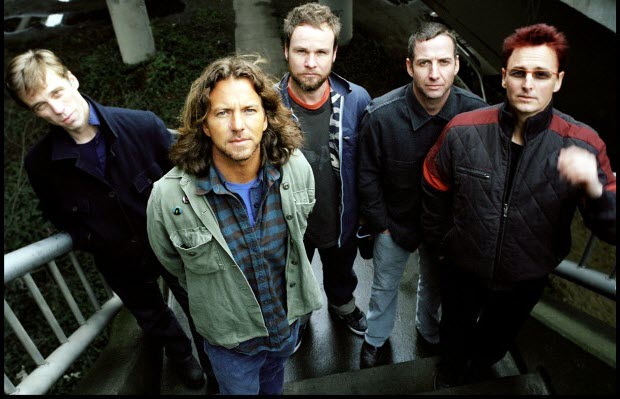
In the realm of rock music, few bands have left an indelible mark quite like Pearl Jam. Emerging from the grunge explosion of the early ’90s, this Seattle-based powerhouse not only defined a generation but also redefined the boundaries of rock. With their unique blend of raw emotion, powerful lyrics, and electrifying performances, Pearl Jam has captivated audiences worldwide for over three decades. From anthems of rebellion to heartfelt ballads, their discography is a treasure trove of musical brilliance.
In this article, we dive into the top 10 most popular Pearl Jam songs of all time, exploring the tracks that have not only topped charts but also resonated deeply with fans. Whether you’re a die-hard follower or a curious newcomer, this list showcases the essence of Pearl Jam’s artistry. Each song tells a story, reflecting the band’s evolution and the poignant themes that have shaped their music. Join us on this sonic journey as we celebrate the iconic tracks that continue to echo through concert halls and playlists, reminding us why Pearl Jam remains a cornerstone of rock history. Get ready to relive the magic, one note at a time!
1. Alive (1991)
“Alive” is a thunderous, soul-stirring anthem that kicked off Pearl Jam’s remarkable debut album, Ten, and helped define the sound of early ’90s grunge. At first listen, the song radiates energy and strength, driven by soaring guitar riffs and Eddie Vedder’s unmistakable, growling vocals. But underneath its powerful rock arrangement lies a deeply personal and complex story. Vedder wrote the lyrics based on his own life, unveiling a narrative about family secrets, personal identity, and emotional survival. The iconic chorus, “I’m still alive,” isn’t just a defiant cry—it’s a question of what it means to keep going when the world feels heavy. Guitarist Mike McCready’s extended solo toward the end has become legendary, lifting the song into a near-spiritual experience during live shows. “Alive” is more than just an introduction to Pearl Jam—it’s a rite of passage for fans. Over the years, what began as a song about inner turmoil has transformed into a triumphant declaration of resilience. In concert, when thousands of fans chant along with the chorus, it feels like a shared exhale, a cathartic reminder that despite pain and confusion, we endure. That’s the enduring power of “Alive.”
2. Jeremy (1991)
https://www.youtube.com/watch?v=MS91knuzoOA&pp=ygUOIEplcmVteSAoMTk5MSk%3D
“Jeremy” is one of Pearl Jam’s most haunting and unforgettable tracks, drawn from a true and tragic event. Inspired by a 15-year-old boy named Jeremy Delle, who took his own life in front of his classmates, the song pulls no punches in its portrayal of adolescent isolation and anguish. Vedder’s lyrics, delivered with raw urgency, give voice to a young man struggling to be heard, surrounded by a world that doesn’t understand him. The contrast between the song’s quiet verses and explosive choruses mirrors the emotional volatility of its subject, while the eerie bassline and haunting guitar melodies only deepen the sense of despair. When paired with its now-iconic music video—marked by dark, symbolic visuals and an unforgettable final image—“Jeremy” became a stark and sobering statement about mental health, bullying, and youth violence. Even decades later, it still resonates with listeners who see parts of themselves in Jeremy’s silence. “Jeremy” wasn’t just a hit—it became a cultural wake-up call, cementing Pearl Jam’s reputation for tackling heavy themes with honesty and compassion. It’s a song that demands to be remembered and one that continues to start important conversations.
3. Black (1991)
“Black” stands as one of Pearl Jam’s most achingly beautiful songs—a raw, unfiltered expression of heartbreak and love lost. Released on Ten in 1991, the track doesn’t follow a traditional pop structure, but rather unfolds like a confession, full of poetic longing and unresolved emotion. Eddie Vedder’s voice carries the weight of the lyrics with remarkable vulnerability, building slowly from a gentle whisper to an impassioned cry. The song captures the deep pain of letting go of someone you once loved completely, even when you know they’ve moved on. Guitarist Stone Gossard’s chord progression lays a soft, moody foundation, while Mike McCready’s melodic flourishes echo the ache in Vedder’s voice. What makes “Black” so special is its emotional restraint—there’s no big chorus or flashy climax, just a slow, burning sadness that stays with you. Over time, it has become a live staple, often greeted with hushed reverence from fans who feel every word. “Black” is a reminder that some wounds don’t close cleanly, and that’s okay. It’s a song that understands the complexity of love and loss and offers comfort simply by putting those feelings into words.
4. Even Flow (1991)
“Even Flow” bursts with the kinetic energy of early ’90s grunge—gritty, unpredictable, and totally electric. One of the standout tracks from Ten, the song explores the life of a homeless man navigating the chaos of the world. Its lyrics paint vivid images of urban struggle and mental unrest, highlighting the fragility and resilience of people living on society’s margins. What truly propels the track, though, is its unstoppable groove. Jeff Ament’s basslines pulse like a heartbeat, while Mike McCready’s guitar work dances between bluesy licks and explosive riffs. Vedder’s vocals are fierce and unrelenting, capturing both frustration and empathy in equal measure. “Even Flow” feels almost improvised at times, a controlled chaos that mirrors its subject matter. In live performances, it becomes a jam session, often stretching well beyond its studio length, giving the band space to explore and connect with the crowd. The song’s raw edge and infectious rhythm make it an enduring crowd-pleaser. But beyond the sound, “Even Flow” asks listeners to see the unseen and hear the unheard—reminding us of the stories that unfold on every corner, beneath every overpass, in every “even flow” of life.
5. Better Man (1994)
“Better Man” is one of Pearl Jam’s most emotionally resonant songs—a bittersweet portrait of love, resignation, and the quiet battles waged in the corners of the heart. Released on their 1994 album Vitalogy, the track tells the story of a woman trapped in a loveless relationship. She knows she deserves more, longs for something deeper, but can’t seem to walk away. It’s a theme that struck a chord with countless listeners, particularly women, who saw their own struggles mirrored in Vedder’s poignant lyrics. The song’s restrained opening—a simple guitar arpeggio and Vedder’s soft, reflective voice—slowly swells into a full-bodied chorus filled with longing and quiet desperation. Despite its emotional weight, “Better Man” is also an anthem of self-awareness and inner strength. It’s not just a sad song—it’s a powerful reflection on the choices we make and the lives we settle for. During live performances, it becomes a communal experience, with fans singing along, often with tears in their eyes. What makes “Better Man” so impactful is its ability to say what so many feel but struggle to express. It’s not just about heartbreak—it’s about the courage to recognize it.
6. Daughter (1993)
“Daughter” is one of Pearl Jam’s most poignant and emotionally layered tracks. Released in 1993 on the Vs. album, it explores the quiet pain and frustration of a young girl misunderstood by those closest to her—particularly her parents. With its gentle acoustic guitar riff and steady rhythm, the song starts delicately, allowing Vedder’s voice to carry the weight of the story. His lyrics are intentionally vague, leaving room for interpretation, but the emotion is unmistakable. The song hints at learning difficulties or neurodivergence, and the lack of support and understanding from adults, highlighting how damaging misplaced expectations can be. As the song progresses, it builds in intensity, culminating in an impassioned chorus that feels both sorrowful and defiant. In live performances, “Daughter” often morphs into something even more powerful, as Vedder adds improvised lyrics or tag songs that deepen the track’s emotional resonance. It’s a song about hurt, but also about resilience—the quiet strength of someone learning to find their own voice in a world that doesn’t always listen. “Daughter” reminds us of the importance of empathy and understanding, especially when dealing with those who don’t fit neatly into society’s expectations.
7. Corduroy (1994)
“Corduroy,” from 1994’s Vitalogy, is a pulsing, defiant anthem that perfectly captures the tension between fame and authenticity. The song reflects Eddie Vedder’s discomfort with the commodification of identity—how even something as personal as a simple corduroy jacket became a symbol of celebrity he never asked for. But beyond its critique of fame, “Corduroy” speaks more broadly to anyone who’s ever felt misunderstood or consumed by the expectations of others. From the moment the song launches with its churning guitar riff, it’s clear this is Pearl Jam at their most raw and unfiltered. The lyrics, delivered with a mix of fury and sadness, reflect a deep desire to retain one’s sense of self in a world eager to define you. The track builds to an explosive chorus, where Vedder belts, “Everything has changed, absolutely nothing’s changed,” summing up the contradictions of sudden success. Live, “Corduroy” becomes a charged, communal moment—an emotional release for both the band and their fans. It’s a song that reminds us of the value of staying grounded, of holding on to our true selves, no matter how much the world tries to reshape us.
8. Last Kiss (1999)
“Last Kiss” is a beautiful and heartbreaking ballad that became an unexpected hit for Pearl Jam in 1999. Originally written and performed by Wayne Cochran in the early 1960s, the song tells the tragic story of a car accident that takes the life of a young woman, leaving her partner devastated. Pearl Jam’s cover strips the song down to its emotional core, with Eddie Vedder’s somber, plaintive vocals driving the narrative. The arrangement is simple—just gentle guitar, light percussion, and a haunting sense of loss that lingers through every verse. What makes this version so powerful is its sincerity; there’s no irony or flashy production—just raw emotion. Despite its grim subject matter, “Last Kiss” found a massive audience, reaching new fans and radio listeners around the world. It became one of the band’s most commercially successful singles and a staple in their live performances. During concerts, the crowd often sings along with reverent intensity, transforming the tragedy into a collective act of remembrance. “Last Kiss” is a timeless story of love and grief, a reminder of how quickly life can change, and how music helps us process the pain.
9. Given to Fly (1997)
“Given to Fly,” released in 1997 as part of the Yield album, is one of Pearl Jam’s most uplifting and soaring tracks. The song follows a poetic narrative of a man who overcomes adversity, learns to rise above the constraints of the world, and ultimately finds freedom. From the very first chord, the track carries a sense of lift, as if it’s preparing to take flight. The music—anchored by Mike McCready’s wave-like guitar riff—builds steadily, mirroring the journey of its central character. Vedder’s vocals begin with quiet determination and grow into a triumphant crescendo, making the listener feel the protagonist’s evolution. There’s something spiritual in the way the song unfolds, speaking to the universal desire for liberation and transcendence. Many fans see “Given to Fly” as a metaphor for personal growth, healing, or even salvation. Live, it becomes an anthem of release and empowerment, with crowds raising their hands and voices in unison. “Given to Fly” proves that Pearl Jam isn’t just about angst and rebellion—they’re just as capable of delivering hope, beauty, and light when the world needs it most.
10. I Am Mine (2002)
“I Am Mine,” released in 2002 on Riot Act, is a deeply introspective song that confronts questions of existence, purpose, and personal agency. Written in the wake of the tragic events at the 2000 Roskilde Festival, where nine fans lost their lives during Pearl Jam’s performance, the song feels like a quiet but firm declaration of ownership over one’s self and one’s life. Eddie Vedder’s lyrics are reflective, acknowledging the chaos and uncertainty of the world while affirming that there are still things we can control—most importantly, our sense of identity. The melody is both calming and haunting, supported by layered guitars that ebb and flow like waves. Vedder sings with a steady resolve, “I know I was born and I know that I’ll die, the in-between is mine,” capturing a profound truth in just a few words. “I Am Mine” encourages listeners to cherish the agency they have in their lives, no matter how turbulent the world may be. It’s a song of quiet strength, of reclaiming what’s sacred in an uncertain world. Thoughtful and stirring, it stands as one of Pearl Jam’s most philosophical and moving tracks.

Edward Tomlin is a frequent contributor to Singers Room. Since 2005, Singersroom has been the voice of R&B around the world. Connect with us via social media below.









