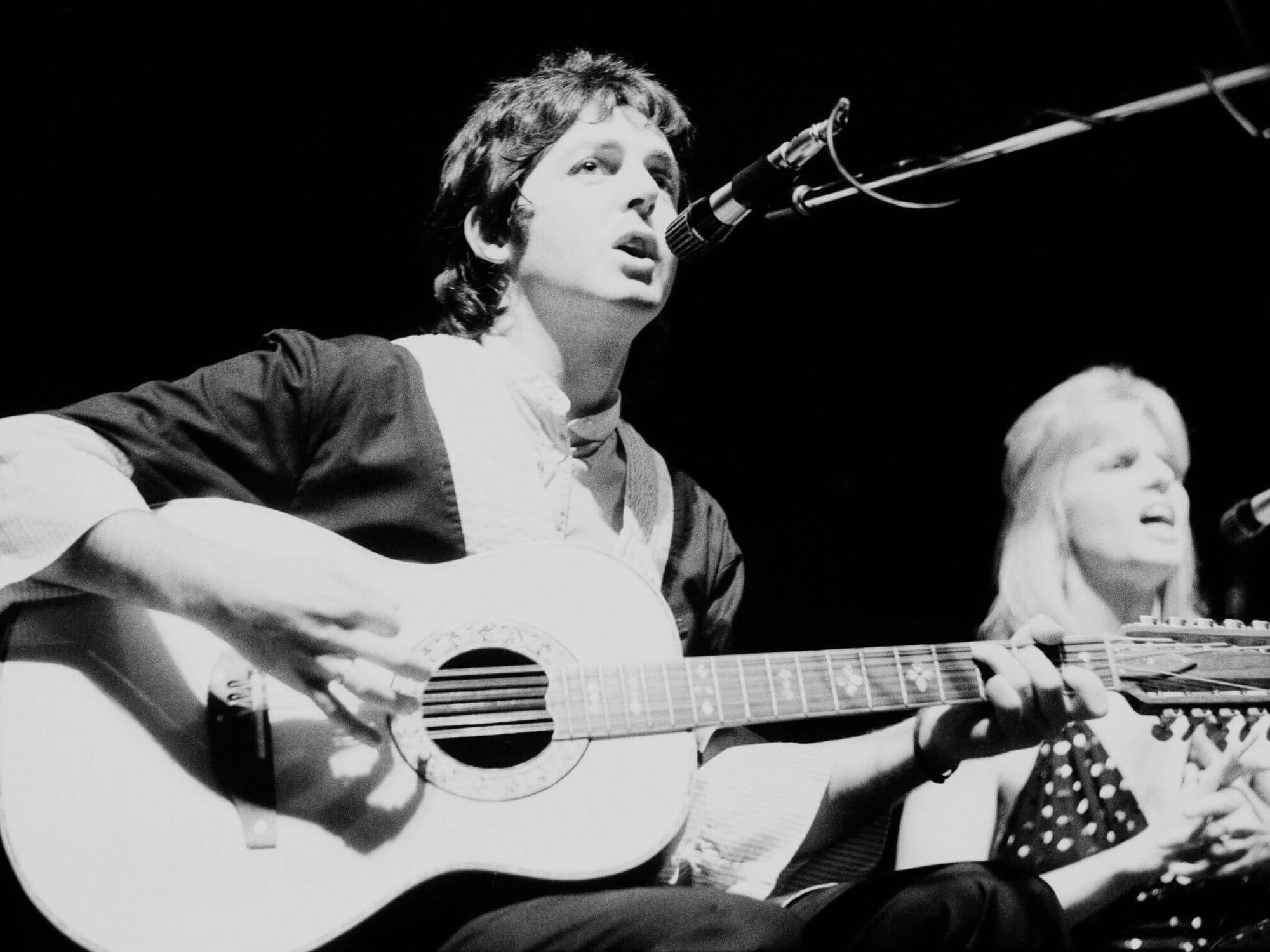
When it comes to musical legends, few can rival the brilliance of Paul McCartney. From his early days with The Beatles to his innovative work with Wings, McCartney has consistently captivated audiences with his melodic genius and lyrical storytelling. With a career spanning over five decades, he has penned countless hits that have become timeless classics. In this article, we dive into the top 10 most popular Paul McCartney and Wings songs of all time, exploring the tracks that not only defined an era but also showcased McCartney’s extraordinary versatility as an artist.
From soaring anthems to heartfelt ballads, each song on our list has left an indelible mark on the music landscape. Whether you’re a lifelong fan or new to his music, these tracks highlight the creative spirit and emotional depth that McCartney brings to every note. Join us as we celebrate the iconic sound of Paul McCartney and Wings, a journey through unforgettable melodies that have resonated with generations. Get ready to relive the magic and perhaps discover a few hidden gems along the way!
1. Band on the Run (1973)
“Band on the Run” isn’t just a song—it’s a three-part musical journey packed into a single track. Released in 1973 as the title track of Wings’ most successful album, it begins slowly and mysteriously, painting the picture of confinement and longing. Then, in a brilliant shift, the tempo picks up, and we’re off—running, escaping, breaking free. Paul McCartney uses this dynamic structure to tell a story about liberation, both metaphorical and literal. Inspired by the band’s frustrations with record labels and legal troubles, the song captures the spirit of rebellion with layered instrumentation and soaring vocals. Its legendary chorus—“Band on the run!”—has become a rallying cry for freedom-seekers, artists, and dreamers. The production is lush, yet never overbearing, blending acoustic guitar, synthesizers, and rock-solid drums with cinematic precision. It’s no wonder this track became a staple in McCartney’s live sets; its sweeping transitions and emotional highs make it unforgettable. “Band on the Run” is more than just a highlight from Wings’ catalog—it’s a defining moment in McCartney’s solo career, proving his ability to turn frustration into something beautiful, universal, and undeniably powerful.
2. Live and Let Die (1973)
Few rock songs have the flair, drama, and lasting impact of “Live and Let Die.” Written for the 1973 James Bond film of the same name, it marked the first time a former Beatle had composed a Bond theme—and Paul McCartney didn’t disappoint. The track begins with a sweeping orchestral flourish, luring listeners into a sense of grandeur, before suddenly erupting into crashing guitars and explosive horns. It’s a sonic rollercoaster, mirroring the danger, glamour, and intrigue of the Bond universe. McCartney’s vocal delivery is urgent and commanding, pushing the boundaries of pop into symphonic rock territory. Producer George Martin, who also worked on many Beatles classics, crafted the orchestration with boldness and precision, helping turn “Live and Let Die” into more than just a movie theme—it became a rock anthem. Its ability to seamlessly switch between moods—from quiet contemplation to chaotic action—makes it one of McCartney’s most exciting and cinematic works. The song remains a fan favorite in concert, where pyrotechnics often accompany its bombastic chorus. Decades later, “Live and Let Die” continues to electrify audiences, proving that a great song can transcend its original purpose and become a cultural phenomenon.
3. Jet (1974)
“Jet,” released in 1974, is a blast of rock ’n’ roll energy that hits the ground running and never lets up. From its punchy guitar intro to the instantly recognizable chorus, the song is a masterclass in how to craft a rock anthem. While the lyrics are famously cryptic—some say they’re about a dog, others think it’s a metaphor for freedom—what really matters is the way Paul McCartney delivers them. His vocals are urgent and exhilarating, riding the waves of the powerful arrangement like a jet engine in full throttle. Wings was firing on all cylinders at this point, and “Jet” became one of their most beloved tracks, blending glam rock swagger with classic pop hooks. The layers of instrumentation—fuzzy guitars, rich harmonies, driving piano—create a vibrant, full-bodied sound that defined 1970s rock. It’s both polished and raw, a song that invites you to crank the volume and sing along at the top of your lungs. “Jet” isn’t just about a name—it’s about movement, passion, and taking off toward something wild and untamed. It remains a staple in McCartney’s live sets for good reason: it still soars.
4. Maybe I’m Amazed (1970)
“Maybe I’m Amazed” is Paul McCartney at his most vulnerable and sincere. Released in 1970 on his debut solo album, the song was written for his wife, Linda, as a thank-you for her unwavering support during the Beatles’ tumultuous breakup. It begins quietly, with a simple piano motif that sets the emotional tone, before building into a cathartic release of gratitude and love. McCartney’s vocal performance is raw and full of emotion, veering from tender to desperate to elated—all within minutes. The guitar solo, also played by McCartney, adds a layer of intensity that perfectly complements the song’s emotional arc. There’s something deeply human about the lyrics: “Maybe I’m amazed at the way you love me all the time.” It’s not a declaration of perfection, but of wonder and awe at being truly loved. Though never released as a single at the time, “Maybe I’m Amazed” became one of his most enduring tracks, often cited as a fan favorite. It’s a song that doesn’t just express love—it captures the complicated, overwhelming feeling of being rescued by it. For many, it remains one of McCartney’s finest solo achievements.
5. Silly Love Songs (1976)
When Paul McCartney released “Silly Love Songs” in 1976, he wasn’t just writing a chart-topping hit—he was responding to his critics. Some had accused him of being too sentimental post-Beatles, but instead of shying away, McCartney leaned in with a cheeky wink and created one of his most irresistible songs. The track is both a playful jab and a full embrace of romantic pop, complete with layered harmonies, infectious melodies, and a bass line that grooves with effortless charm. The lyrics, “Some people want to fill the world with silly love songs—what’s wrong with that?” act as both a question and a statement. McCartney turns what could have been a defensive moment into a joyous celebration of love, connection, and melody. The arrangement is lush but tight, blending disco-era bounce with classic Wings polish. It topped the Billboard Hot 100 and became one of the best-selling singles of the decade. What makes “Silly Love Songs” endure is that it doesn’t take itself too seriously—but still delivers serious pop craftsmanship. It’s proof that sometimes, the simplest things—like a good love song—can carry the most truth.
6. My Love (1973)
“My Love” is one of Paul McCartney’s most intimate and enduring ballads, written as a tribute to his wife, Linda. Released in 1973 on the Wings album Red Rose Speedway, the song stands out for its emotional honesty and elegant simplicity. McCartney’s vocal performance is tender and vulnerable, capturing the quiet devotion and affection that defined his relationship. The lyrics are straightforward yet deeply touching: “And when I go away, I know my heart can stay with my love.” What sets the song apart musically is the orchestral arrangement and a beautifully expressive guitar solo by Wings guitarist Henry McCullough, which was improvised in the studio and has since become iconic in its own right. “My Love” was a commercial success, reaching number one in the U.S., and remains a favorite at weddings and special occasions. More than a romantic gesture, it’s a testament to McCartney’s ability to translate personal emotions into universal language. The song doesn’t shout—it whispers. And in doing so, it reminds us that love doesn’t always need fireworks to be powerful; sometimes all it needs is honesty, a gentle melody, and a voice like McCartney’s.
7. Listen to What the Man Said (1975)
“Listen to What the Man Said,” released in 1975, is a bright, upbeat track that radiates joy and optimism. Built around a smooth, melodic groove, the song blends soft rock with elements of jazz, thanks in part to a standout soprano saxophone solo by Tom Scott. McCartney’s vocals are relaxed and confident, and the song’s message—about love being the answer—is delivered without pretense. The lyrics don’t delve into complexity, but they don’t need to. “Love is fine for all we know, for all we know our love will grow”—it’s simple, yet disarming in its sincerity. The track became a number one hit in the U.S., marking another commercial success for Wings. What makes it special is its effortless charm; it doesn’t try to be groundbreaking but succeeds by being completely engaging. With its catchy chorus, polished production, and undeniable groove, “Listen to What the Man Said” became a staple of mid-70s radio and remains a high point in Wings’ catalog. It’s a song that lifts your spirits and reminds you to listen—not just to the man, but to the heart.
8. Coming Up (1980)
“Coming Up” marked a new phase in Paul McCartney’s career, showcasing his embrace of modern sounds and studio experimentation in the post-Wings era. Released in 1980 as the lead single from McCartney II, the song is vibrant, funky, and full of energy. Built around a looping guitar riff, electronic textures, and layered vocals, it has a futuristic feel compared to his earlier work—yet it still carries his unmistakable melodic fingerprint. The lyrics are simple but uplifting, with a message about renewal, progress, and emotional momentum: “Coming up like a flower, coming up through the cracks.” What made the song especially notable was the contrast between the quirky studio version (with McCartney playing most of the instruments himself) and the more straight-ahead rock version performed live with Wings, which gained major airplay in the U.S. Either version, though, delivers a fresh, catchy tune that stood out in a changing musical landscape. The music video—with McCartney playing all the band members—added to the song’s quirky appeal. “Coming Up” demonstrated McCartney’s willingness to evolve and experiment, proving he could still surprise and engage listeners well into the 1980s.
9. Uncle Albert/Admiral Halsey (1971)
“Uncle Albert/Admiral Halsey” is perhaps one of Paul McCartney’s most whimsical and creatively daring solo efforts. Released in 1971 on his Ram album, the track is essentially a mini-suite—a collage of melodies and moods stitched together into one song. The “Uncle Albert” section opens gently, with McCartney’s soft vocals expressing regret and apology, supposedly inspired by a real-life uncle. Then, in classic McCartney fashion, the tone shifts dramatically into the raucous “Admiral Halsey” portion, full of horns, playful lyrics, and unexpected turns. The contrast between the two parts is jarring but delightful, reflecting McCartney’s Beatles-era flair for musical pastiche. The song became his first solo U.S. number one hit, and its blend of humor, melody, and technical ambition made it stand out in an era of more straightforward pop songs. It’s McCartney unfiltered—playful, emotional, and endlessly inventive. With studio effects like rainstorms and telephone voices, “Uncle Albert/Admiral Halsey” feels almost like a short musical film. It’s one of those songs that rewards repeated listens, as you discover new details each time. Above all, it showcases McCartney’s gift for storytelling through song—even when the story is slightly surreal.
10. Let ‘Em In (1976)
“Let ‘Em In,” released in 1976 on the Wings at the Speed of Sound album, is McCartney at his most inviting and laid-back. Built around a simple piano riff and a steady marching rhythm, the song feels like a casual call to inclusion and openness. The lyrics consist largely of McCartney name-dropping family and friends—“Sister Suzie, Brother John, Martin Luther, Phil and Don”—and the gentle repetition of “someone’s knockin’ at the door” gives it a hypnotic charm. It’s a song that feels like a warm summer evening with the windows open, welcoming in the people you love. Musically, it’s sparse but rich, with touches of flute, brass, and subtle percussion adding color to the arrangement. The song’s relaxed vibe makes it a favorite in McCartney’s catalog—not for its complexity, but for its ability to make listeners feel comfortable and at home. “Let ‘Em In” isn’t just a tune; it’s an attitude. It says: don’t close yourself off—open your heart, your door, and your mind. That kind of message never goes out of style, which is why this track continues to resonate with fans today.

Edward Tomlin is a frequent contributor to Singers Room. Since 2005, Singersroom has been the voice of R&B around the world. Connect with us via social media below.









