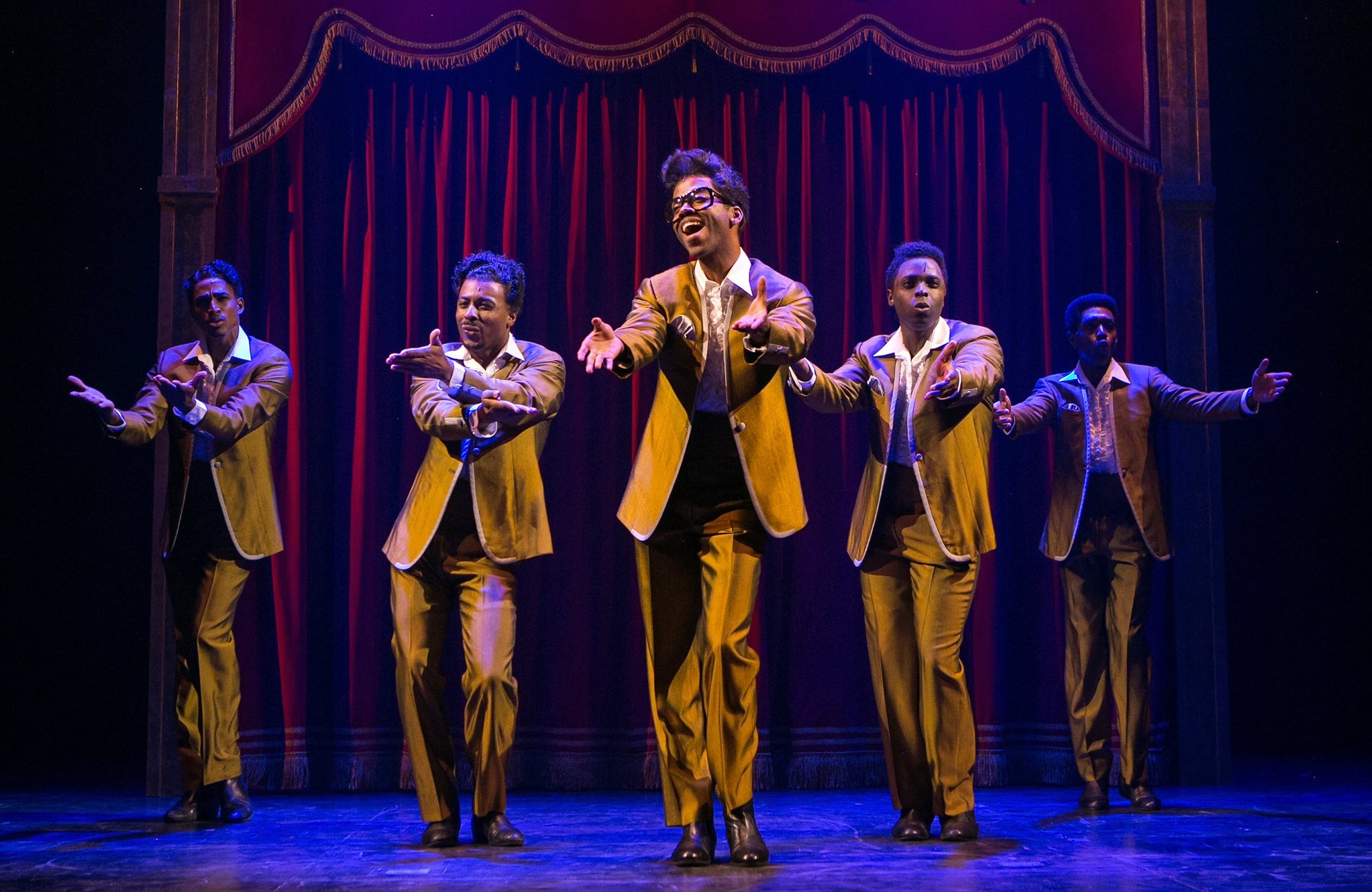
There are few sounds as instantly recognizable—and universally beloved—as the soulful rhythms of Motown. Born in Detroit in 1959, Motown Records didn’t just create music; it ignited a cultural revolution that broke racial barriers and redefined popular music forever. With a powerhouse roster that included legends like Marvin Gaye, The Supremes, Stevie Wonder, and The Temptations, Motown produced hit after hit, each one dripping with passion, melody, and unmistakable groove. These weren’t just chart-toppers—they were the soundtrack of a generation and the heartbeat of the civil rights era.
In this article, we’re counting down the Top 15 Most Popular Best Motown Songs of All Time—tracks that didn’t just dominate radio waves, but left an indelible mark on music history. From anthems of love and heartbreak to powerful social commentary, each song on this list captures the magic that made Motown a movement. Whether you’re a lifelong fan or a newcomer to the sound of young America, buckle up. These songs aren’t just classics—they’re timeless masterpieces that continue to inspire, uplift, and move listeners around the world.
Ready to feel the soul? Let’s dive into the unforgettable tracks that made Motown a musical legend.
1. “My Girl” – The Temptations (1964)
Released in December 1964, “My Girl” is more than just a love song—it’s a cornerstone of American soul music. Written by Smokey Robinson and Ronald White specifically for David Ruffin, the song was crafted to highlight his velvety, expressive voice, and it delivered in every way imaginable. The opening bassline is instantly recognizable—just a few notes and you know what’s coming. From there, Ruffin’s vocals glide effortlessly over lush strings and sweet harmonies, turning simple lyrics into something timeless. “My Girl” was the Temptations’ first number-one hit on the Billboard Hot 100 and marked a major turning point in their career. It wasn’t just a success—it was a cultural moment that helped define the Motown sound. The song’s blend of innocence, romance, and musical sophistication has made it a go-to for weddings, movies, and family playlists for decades. Its enduring popularity lies in its ability to make listeners feel good—really good—every time it plays. Whether you’re hearing it for the first or the hundredth time, “My Girl” feels like a warm hug from the past. It’s a celebration of love, plain and simple, and that’s why it still resonates so powerfully today.
2. “What’s Going On” – Marvin Gaye (1971)
Marvin Gaye’s “What’s Going On,” released in January 1971, was a seismic shift for Motown and for soul music as a whole. Up until then, Motown had largely avoided politics, favoring polished love songs and dance hits. But Gaye changed the game. Inspired by the turbulence of the times—Vietnam, civil unrest, and the growing cries for social justice—he crafted a song that asked deep, pressing questions about the state of the world. With its lush, jazz-inflected instrumentation, multilayered vocals, and smooth, introspective delivery, “What’s Going On” wasn’t just a protest song—it was a spiritual plea for unity, empathy, and peace. Berry Gordy initially resisted releasing it, fearing it was too controversial. But the track’s impact was undeniable: it became a commercial success and a critical milestone, paving the way for more socially conscious music in the mainstream. Gaye’s courage to speak out, wrapped in one of the most beautiful melodies ever recorded, set a new standard for what soul music could accomplish. Decades later, the song still feels urgently relevant. Its message of compassion and its haunting beauty continue to echo, making it a timeless anthem for anyone asking, even now, “What’s going on?”
3. “I Heard It Through the Grapevine” – Marvin Gaye (1968)
Although it was first recorded by Gladys Knight & The Pips, Marvin Gaye’s 1968 rendition of “I Heard It Through the Grapevine” is widely considered the definitive version—and for good reason. Released in October of that year, the song struck a deep emotional chord with listeners and quickly became Motown’s biggest-selling single at the time. Gaye’s interpretation transformed the track into a brooding, soul-soaked tale of betrayal. His voice, drenched in heartbreak and disbelief, makes every lyric sting, turning gossip into gospel. The moody, slow-burning arrangement—crafted by producer Norman Whitfield and performed by the legendary Funk Brothers—adds a sense of tension that simmers just beneath the surface. There’s an almost cinematic quality to the production, with every note reinforcing the pain of love lost and trust broken. Gaye’s vocal performance is a masterclass in emotional restraint—haunted but never hysterical, sorrowful yet dignified. It elevated a simple storyline into something universal, resonating with anyone who’s ever felt blindsided by love. “I Heard It Through the Grapevine” isn’t just a great Motown song—it’s one of the greatest heartbreak songs of all time, and its influence still ripples through music today.
4. “Ain’t No Mountain High Enough” – Marvin Gaye & Tammi Terrell (1967)
“Ain’t No Mountain High Enough,” released in April 1967, is pure joy bottled in song form. The first duet between Marvin Gaye and Tammi Terrell, it set an impossibly high bar for chemistry and connection in soul music. Written by the talented duo of Nickolas Ashford and Valerie Simpson, the song delivers a powerful message of unwavering commitment and love that knows no bounds. With its bouncing rhythm, gospel-inspired call-and-response vocals, and lush orchestration, it radiates hope and optimism from the very first note. Gaye and Terrell’s voices blend effortlessly—his smooth, controlled tone perfectly complementing her bright, spirited delivery. The synergy between them makes the lyrics feel real, as if they’re speaking directly to each other and to us. While Diana Ross would later score a solo hit with a more dramatic version in 1970, the original remains unmatched in energy and emotional warmth. It’s a song about devotion, resilience, and showing up for the people you love no matter what. More than just a romantic anthem, “Ain’t No Mountain High Enough” is a timeless declaration of loyalty and perseverance that still inspires listeners over 50 years later.
5. “Stop! In the Name of Love” – The Supremes (1965)
When “Stop! In the Name of Love” hit the airwaves in February 1965, it wasn’t just a hit—it was a cultural phenomenon. The Supremes were already on a roll with a string of chart-toppers, but this song elevated them to iconic status. Written and produced by the powerhouse trio Holland–Dozier–Holland, the track has everything: a dramatic title, unforgettable melody, and a performance brimming with emotion. Diana Ross’s commanding vocals are front and center, pleading with grace and urgency for a love slipping away. The choreography, especially the now-famous “stop” hand gesture, became a signature move and helped make the song a visual and sonic staple of 1960s pop culture. Beneath the catchy hooks and danceable beat lies a poignant message about heartbreak and desperation. The Funk Brothers’ crisp instrumentation adds just the right amount of soul polish, making the song as suitable for a dance floor as it is for a heartbreak playlist. “Stop! In the Name of Love” is more than a classic Motown tune—it’s an enduring piece of music history that blends theatrical flair with real emotional depth, and its influence continues to echo through pop and soul music alike.
6. “Dancing in the Street” – Martha and the Vandellas (1964)
Released in July 1964, “Dancing in the Street” by Martha and the Vandellas was a joyful explosion of rhythm, soul, and social energy. Co-written by Marvin Gaye, Mickey Stevenson, and Ivy Jo Hunter, the song was initially intended as a simple party anthem. But it quickly took on deeper meaning during a time of political unrest and civil rights protests. Martha Reeves delivers the lyrics with unshakable confidence and passion, calling people from every city to join in a celebration of togetherness. Behind her, the brass-driven arrangement charges forward like a parade, impossible to ignore. The infectious beat and jubilant tone made it an instant hit, and its underlying message—whether intentional or not—resonated with a country in the midst of change. It became a soundtrack not just for dance floors but also for demonstrations, making it one of the most important crossover hits of the era. “Dancing in the Street” encapsulates the power of music to bring people together, to uplift, and to energize. Whether you’re fighting for justice or just dancing for joy, this song reminds us that the streets belong to the people, and music has the power to move them.
7. “I Want You Back” – The Jackson 5 (1969)
“I Want You Back,” released in October 1969, was the dazzling debut of the Jackson 5—and of Michael Jackson, who was only 11 years old at the time. Right out of the gate, the song explodes with youthful energy and irresistible charm. Produced by The Corporation, Motown’s elite team of songwriters and producers, the track is a masterclass in pop-soul perfection. The funky bass line, crisp piano chords, and bright strings create a vibrant musical playground for young Michael’s voice to soar. And soar it does—his vocals, filled with urgency and heartbreak, belie his age and hint at the superstar he would become. The song’s narrative of regret and longing is made all the more compelling by Michael’s emotive delivery. It hit number one on the Billboard Hot 100 and announced the Jackson 5 as a force to be reckoned with. More than five decades later, “I Want You Back” still feels fresh, fun, and completely irresistible. It’s the kind of song that makes you want to dance, sing, and maybe even call an old flame. A timeless blend of talent, melody, and soul, it’s one of Motown’s most joyful masterpieces.
8. “Superstition” – Stevie Wonder (1972)
“Superstition,” released in October 1972, marked a turning point for Stevie Wonder and for the sound of Motown. No longer confined to the label’s traditional hit-making formula, Wonder had taken full creative control—and it paid off. Built around one of the most iconic riffs in music history, played on a Hohner clavinet, the track is a firestorm of funk, soul, and rhythmic innovation. Wonder played almost every instrument on the track himself, showcasing his unmatched musical genius. Lyrically, “Superstition” is a cautionary tale about the dangers of irrational beliefs, delivered with a knowing swagger that only Wonder could pull off. The song’s groove is infectious—drums, horns, and that gritty clavinet line all working in perfect sync to create a track that feels alive and electric. It shot to the top of the Billboard Hot 100 and cemented Wonder’s status as not just a performer, but a visionary artist. “Superstition” didn’t just define a new sound for the ’70s—it helped redefine what a soul artist could be. Decades later, it remains a staple of funk playlists and a highlight of any live performance. It’s bold, brilliant, and endlessly replayable.
9. “Reach Out I’ll Be There” – Four Tops (1966)
When “Reach Out I’ll Be There” hit the airwaves in August 1966, it became an instant soul classic and the Four Tops’ signature anthem. Powered by Levi Stubbs’s raw, almost pleading vocal performance, the song delivers a message of unwavering support and emotional rescue. Stubbs sings like a man on a mission, infusing every line with gospel-inspired urgency. Behind him, the iconic songwriting and production team Holland–Dozier–Holland created a sonic landscape that’s both dramatic and uplifting, complete with galloping drums, urgent strings, and that unforgettable flute. It was a bold, theatrical sound—Motown with the volume turned all the way up. The track topped both U.S. and UK charts, cementing the Four Tops as one of Motown’s most powerful vocal groups. What makes the song endure is its emotional intensity. It’s not just about love; it’s about showing up for someone when they’re at their lowest, a soul anthem of compassion and resilience. Over the years, “Reach Out I’ll Be There” has remained a go-to for films, commercials, and covers, a testament to its enduring impact. It’s a heartfelt promise set to a pulsating beat—grand, emotional, and unforgettable.
10. “You Can’t Hurry Love” – The Supremes (1966)
Released in July 1966, “You Can’t Hurry Love” is one of The Supremes’ most enduring and beloved hits—a perfect blend of pop wisdom and irresistible Motown bounce. Written by the legendary trio Holland–Dozier–Holland, the song is rooted in gospel traditions, with a message that echoes the advice of a loving mother: patience is key in matters of the heart. Diana Ross delivers the lyrics with a mix of earnestness and poise, turning simple guidance into an anthem for anyone waiting for the real thing. The rhythm is upbeat and buoyant, driven by the Funk Brothers’ signature instrumentation—steady bass, clapping snares, and perky piano lines. It’s the kind of track that makes you want to move even while it’s teaching you something profound. “You Can’t Hurry Love” became a number-one hit and a staple of The Supremes’ catalog, later revived by artists like Phil Collins and Beyoncé. But it’s the original version that captures a unique moment in pop history: a song that feels both timeless and timely, packaged in a sound that was polished, passionate, and pure Motown. It’s advice we all need, wrapped in a melody we’ll never forget.
11. “Ain’t Too Proud to Beg” – The Temptations (1966)
With “Ain’t Too Proud to Beg,” released in May 1966, the Temptations turned desperation into a full-blown groove. David Ruffin’s gravelly, impassioned vocals are the soul of the track—pleading, defiant, and absolutely unforgettable. You can hear the urgency in every word as he begs for love not to be lost. It’s a raw performance, matched by Norman Whitfield’s dynamic production that leans heavier into funk and rhythm than previous Temptations hits. Punchy horns, a driving bassline, and crisp percussion make the song move fast, giving Ruffin’s plea an almost frantic heartbeat. This was the beginning of a shift for the Temptations—from smooth, romantic crooners to gritty, emotionally charged powerhouses. The song hit number 13 on the Billboard Hot 100, but its influence extends far beyond its chart position. It’s become one of their most recognizable and covered songs, embodying the intense vulnerability that made soul music so relatable and powerful. “Ain’t Too Proud to Beg” is Motown stripped of gloss—still polished, but unafraid to get messy. It’s heartbreak you can dance to, and that’s part of what makes it such a lasting classic.
12. “Signed, Sealed, Delivered I’m Yours” – Stevie Wonder (1970)
When Stevie Wonder released “Signed, Sealed, Delivered I’m Yours” in June 1970, he was only 20—but already announcing a new level of artistic independence. This track wasn’t just a catchy hit; it was the sound of a young genius taking the reins. Wonder wrote and produced the song himself, marking the beginning of a new creative era. The opening horn blast grabs your attention, and the energy never lets up. Funky guitar riffs, handclaps, and joyous backing vocals (featuring Syreeta Wright, his future wife) give the track a celebratory vibe. Lyrically, it’s about redemption—coming back from mistakes and declaring love with conviction and charm. Stevie’s voice dances through the melody with charisma and soul, balancing playfulness with sincerity. It was a top ten hit and quickly became one of his most recognizable songs. Beyond the charts, “Signed, Sealed, Delivered” has had a lasting cultural impact, frequently used in films, political campaigns, and cover versions. It’s a song that radiates confidence and joy—a signature Stevie Wonder blend of pop sensibility and deep soul. More than a love song, it’s a declaration of musical freedom and creative fire.
13. “I’ll Be There” – The Jackson 5 (1970)
Released in August 1970, “I’ll Be There” showed a whole new side of the Jackson 5. Known for their high-energy dance hits, the group slowed things down with this tender ballad—and it struck a chord with millions. The track became their fourth consecutive number-one hit, and it remains one of the most heartfelt songs in the Motown catalog. Co-written by Berry Gordy, the song was crafted to showcase not just the group’s talent, but especially young Michael Jackson’s emotional depth. At just 12 years old, Michael delivers a performance filled with maturity, warmth, and genuine sincerity. His voice, innocent yet deeply expressive, carries the song’s promise of unwavering support and loyalty. The lush orchestration and the group’s harmonious backing vocals create a gentle, comforting atmosphere. “I’ll Be There” wasn’t just a success for the Jackson 5—it was a moment that proved they were more than teen sensations. They had the range, the depth, and the heart to connect with audiences on a deeper level. Over time, the song has become a timeless classic of devotion and love, performed by countless artists but never quite as moving as the original.
14. “Baby Love” – The Supremes (1964)
Released in September 1964, “Baby Love” was the Supremes’ second number-one hit and the song that catapulted them to international fame. Written and produced by Holland–Dozier–Holland, the track is a pristine example of the Motown Sound—polished, catchy, and emotionally resonant. Diana Ross’s lead vocal is soft yet aching, filled with youthful vulnerability that perfectly matches the song’s theme of longing and heartbreak. The harmonies from Mary Wilson and Florence Ballard add a gentle layer of sweetness, while the backing from the Funk Brothers gives the track a shuffling, danceable rhythm. “Baby Love” captures the innocence of early love, the ache of being left behind, and the desperate hope that love will return. Its clean production and universal theme helped it become not only a chart-topper but a cultural touchstone. It solidified the Supremes as Motown’s premiere girl group and helped define 1960s pop. Even decades later, “Baby Love” still charms listeners with its simple message and timeless sound. It’s the kind of song that brings back memories, whether you first heard it on a jukebox or a retro playlist.
15. “Just My Imagination (Running Away with Me)” – The Temptations (1971)
“Just My Imagination (Running Away with Me),” released in January 1971, is a dreamy, melancholic ballad that reveals the introspective side of The Temptations. At a time when the group was known for socially conscious and funk-heavy hits, this song marked a return to classic romance, wrapped in poetic lyrics and gentle orchestration. Eddie Kendricks leads the vocals with a soft, wistful tone, perfectly capturing the feeling of longing for a love that only exists in the mind. Paul Williams provides delicate harmonies, adding emotional texture to an already heart-tugging performance. The arrangement is elegant, with strings and subtle horns that swell as the fantasy unfolds. It became the group’s third number-one on the Billboard Hot 100 and one of their most beloved tracks. “Just My Imagination” is a song of quiet yearning, the kind that sneaks up on you and lingers long after the last note. It marked the end of an era, as Kendricks and Williams would soon leave the group, making this ballad feel like a bittersweet farewell. It’s a gentle, beautiful reminder of how powerful imagination—and unspoken love—can be.

Samuel Moore is a frequent contributor to Singers Room. Since 2005, Singersroom has been the voice of R&B around the world. Connect with us via social media below.









