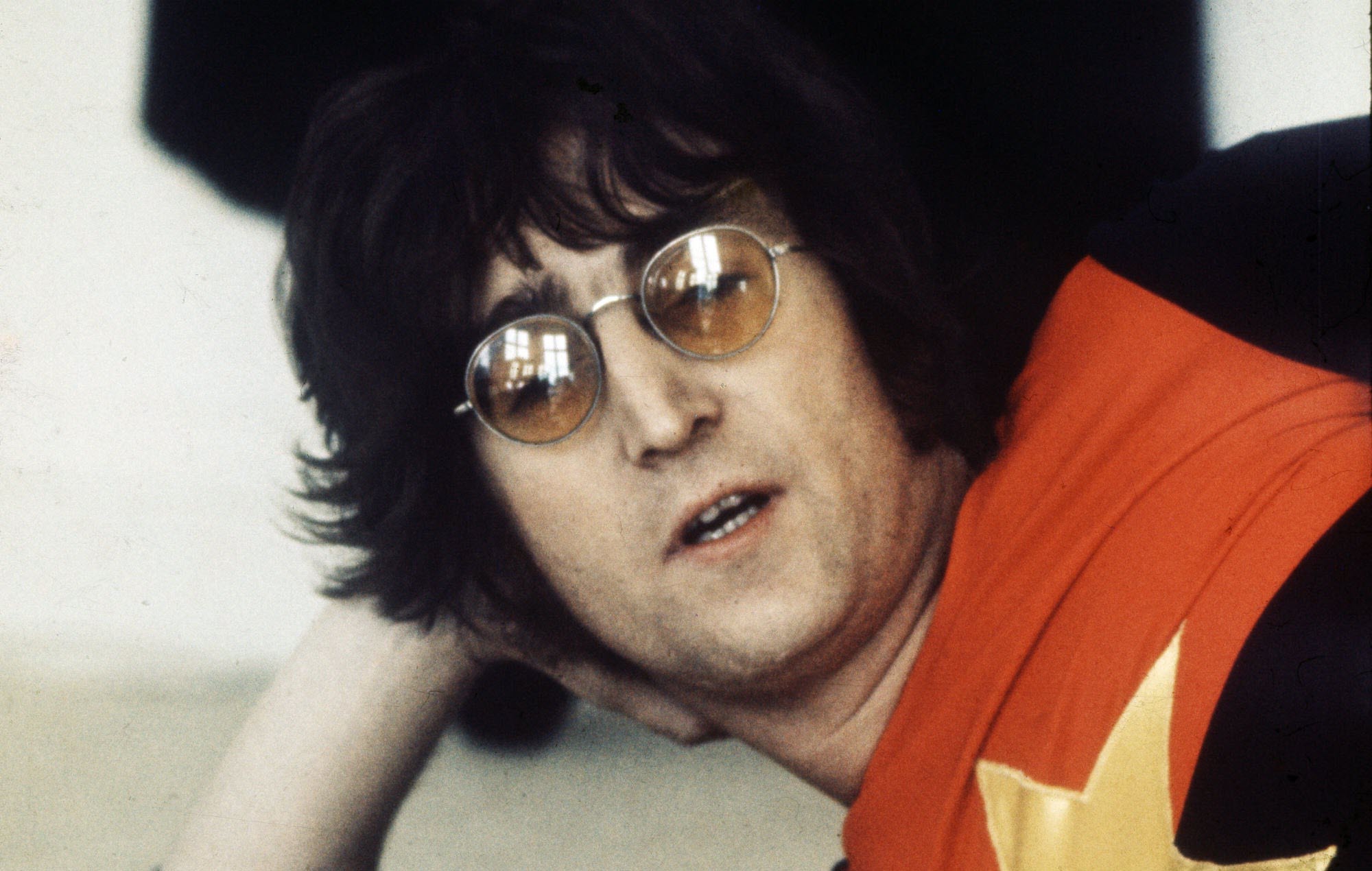
John Lennon, a name synonymous with innovation and artistry, forever transformed the landscape of music and culture. As a founding member of The Beatles, his contributions shaped the sound of a generation, blending rock, pop, and poignant social commentary. Even after the band’s legendary break-up, Lennon’s solo career blossomed, showcasing his fearless exploration of themes like love, peace, and personal introspection.
In this article, we delve into the top 10 most popular John Lennon songs of all time, celebrating the tracks that resonate with millions around the globe. From the stirring anthems that sparked a movement to the tender ballads that tug at the heartstrings, each song is a testament to Lennon’s profound impact. Whether you’re a lifelong fan or new to his music, this curated list captures the essence of a true musical icon whose voice continues to echo through the ages. Join us as we explore the melodies and messages that define John Lennon’s extraordinary legacy, reminding us why his songs remain timeless and relevant in today’s world. Get ready to rediscover the magic of Lennon’s music and the stories behind these unforgettable hits!
1. Imagine (1971)
“Imagine” is more than a song—it’s a timeless vision of a better world. Released in 1971, this iconic ballad invites listeners to picture a life beyond the divisions of religion, nationalism, and materialism. With only a gentle piano, minimal instrumentation, and John Lennon’s calm, earnest voice, the song delivers its radical message with disarming simplicity. Lennon wasn’t just dreaming—he was challenging the world to consider peace as a practical alternative.
The brilliance of “Imagine” lies in how its utopian ideals feel both revolutionary and deeply human. Each line pulls at the heart, asking us to pause and consider what really separates us, and what could happen if those boundaries disappeared. It has been used in countless protests, vigils, and humanitarian events, becoming an anthem not just of the ‘70s but for all time.
Even decades later, “Imagine” remains hauntingly relevant. Its quiet strength continues to inspire new generations, reminding us that change begins with belief—and that hope, in its purest form, can be just as powerful as any force on earth. It’s more than a melody; it’s a legacy of peace, etched into music history.
2. Instant Karma! (1970)
“Instant Karma!” explodes from the speakers like a shot of adrenaline, showcasing a fiery side of John Lennon that’s both urgent and empowering. Released in 1970 and recorded in just one day, it captures the raw spontaneity Lennon was chasing in his solo work. With its thunderous piano chords, stomping drums (thanks to producer Phil Spector), and a shout-along chorus, this song is rock and roll with a spiritual punch.
At its heart, “Instant Karma!” delivers a message about accountability—we all reap what we sow, sometimes faster than we expect. “We all shine on, like the moon and the stars and the sun,” Lennon declares, urging listeners to recognize their inner power while also warning of consequences.
This track doesn’t preach—it commands. It calls on us to wake up, take charge of our destiny, and stop blaming others. The fusion of soul, gospel, and rock elements builds a sense of community, like a collective call to action.
More than just a hit, “Instant Karma!” is Lennon at his most electrifying—bold, confrontational, and bursting with conviction. It remains one of his most explosive and enduring solo statements, reminding us that change begins with us, right now.
3. Jealous Guy (1971)
“Jealous Guy” is John Lennon at his most vulnerable and human. Released in 1971 on the *Imagine* album, it’s a heartfelt apology wrapped in beautiful melody and delicate instrumentation. Lennon opens up about his flaws—particularly the destructive jealousy that often accompanies love.
Originally conceived during the Beatles’ trip to India and titled “Child of Nature,” the lyrics evolved into a candid confession. With each line, Lennon peels back the layers of defensiveness to expose insecurity and regret: “I didn’t mean to hurt you / I’m sorry that I made you cry.” His vocal performance is aching and sincere, elevated by sweeping strings and soft piano that give the song its emotional weight.
What makes “Jealous Guy” so special is its universality. It speaks to the guilt that often comes after hurting someone you love, and the difficulty of owning your mistakes. It’s not dramatic or self-pitying—it’s honest.
Over the years, countless artists have covered it, but none capture the raw emotional truth quite like Lennon. It stands as a testament to the power of vulnerability in music—how a simple, honest admission can connect deeply across time, cultures, and personal experience.
4. Woman (1980)
“Woman” is John Lennon’s gentle, heartfelt tribute to love, equality, and gratitude. Released in 1980 shortly before his tragic death, the song became even more poignant as a parting gift to the world. Lennon described it as a “grown-up version of ‘Girl,’” reflecting a deeper understanding of love and partnership.
With a lilting melody and soft, shimmering production, “Woman” is more than just a love song—it’s an acknowledgment of the emotional labor, strength, and grace that women offer in relationships and life. “Woman, I can hardly express / My mixed emotions at my thoughtlessness,” he sings, offering an open apology and heartfelt praise in the same breath.
The sincerity in Lennon’s voice is striking. It feels like he’s speaking directly to Yoko Ono, but also to every woman who’s ever been overlooked or unappreciated. The track flows with tenderness, and the backing vocals create a soothing ambiance that wraps around the listener.
As one of his final recordings, “Woman” feels like a closing chapter in Lennon’s journey—marked by reflection, humility, and love. It’s a timeless reminder to cherish those we love and to express that love with sincerity, respect, and gratitude.
5. Working Class Hero (1970)
“Working Class Hero” is one of John Lennon’s boldest, most unflinching songs. Released in 1970 on his *Plastic Ono Band* album, the track is stripped down to its bare bones: just Lennon, his acoustic guitar, and raw truth. There’s no sugarcoating here—this is Lennon’s indictment of the societal systems that condition people into conformity and despair.
“Keep you doped with religion and sex and TV / And you think you’re so clever and classless and free,” he sings, with biting irony. Lennon challenges the illusion of freedom and exposes the psychological manipulation faced by the working class. It’s both deeply personal and broadly political, echoing his own feelings of alienation and rebellion.
Though minimalist in form, the song’s emotional impact is massive. Lennon’s voice is tired but resolute, conveying both outrage and weary empathy. The explicit lyrics stirred controversy, but they also captured a generation’s frustration with inequality, exploitation, and false promises.
“Working Class Hero” is not an easy listen—but that’s the point. It’s a wake-up call, a protest, and a personal confession rolled into one. Over 50 years later, it remains as relevant and powerful as ever, daring listeners to open their eyes.
6. Happy Xmas (War Is Over) (1971)
“Happy Xmas (War Is Over)” is a holiday song like no other—joyful on the surface, yet rich with meaning underneath. Released in 1971 amid the Vietnam War, John Lennon and Yoko Ono crafted it as both a Christmas greeting and a protest song. Its message is clear: peace isn’t just a dream—it’s something we can choose, if only we dare to believe it’s possible.
With gentle acoustic guitar, children’s choir, and Lennon’s hopeful voice, the song begins like a classic carol. But then the lyrics strike deeper: “And so this is Christmas / And what have you done?” It’s a call for reflection, accountability, and change. The chorus—“War is over, if you want it”—becomes a chant of empowerment, urging listeners to take personal responsibility for peace.
What makes the song truly remarkable is how seamlessly it blends seasonal warmth with activism. It invites families to sing along during the holidays, even as it nudges them to think beyond their living rooms.
“Happy Xmas (War Is Over)” remains one of Lennon’s most enduring songs, a testament to his belief that love, awareness, and unity—not apathy—can change the world. Every December, its message still rings out with hopeful urgency.
7. Give Peace a Chance (1969)
“Give Peace a Chance” isn’t just a song—it’s a movement. Released in 1969 during a time of war and political unrest, John Lennon recorded this anthem during his famous “Bed-In for Peace” with Yoko Ono in Montreal. With only a few chords and a roomful of voices, he created one of the most enduring protest songs in modern history.
The lyrics are simple, almost chant-like, and that’s exactly what made them powerful. “All we are saying is give peace a chance”—repeated again and again—invited people of every background to sing along. It was more than music; it was a rally cry that brought together students, activists, and ordinary people tired of violence and war.
Lennon intentionally kept the production raw and inclusive. You can hear the crowd clapping, laughing, and adding to the spirit. It feels spontaneous because it was—it’s a live moment captured forever.
The song’s influence stretched far beyond the ‘60s. It became an anthem at marches, protests, and vigils across decades. Even today, its message feels painfully relevant. “Give Peace a Chance” proves that even the simplest words, when sung with purpose and unity, can echo through generations and shift the cultural tide.
8. Mind Games (1973)
“Mind Games” is one of John Lennon’s most introspective and spiritually curious works. Released in 1973, the song explores the power of the mind, human connection, and the quest for peace. Musically, it blends dreamy melodies with a laid-back rhythm, creating an atmosphere that feels both cosmic and grounded.
At first listen, the lyrics seem abstract—“Playing those mind guerrilla / Chanting the mantra / Peace on Earth.” But behind those poetic phrases is a deeply personal and philosophical message. Lennon was embracing ideas from Eastern spirituality and human potential movements, and he was encouraging listeners to elevate their consciousness—not just for personal gain, but for the collective good.
The track reflects a period of emotional transition for Lennon, following his separation from Yoko Ono. That blend of longing and hope is embedded in the song’s DNA. His voice sounds gentle but urgent, as if he’s coaxing us to wake up to something bigger.
“Mind Games” isn’t a protest anthem or a love ballad—it’s something more ethereal. It encourages transformation through thought, intention, and unity. Over time, it’s become one of Lennon’s most underrated gems, quietly urging us to “make love, not war” from the inside out.
9. (Just Like) Starting Over (1980)
“(Just Like) Starting Over” is a song filled with joy, nostalgia, and hope. Released in 1980 after a five-year break from music, it marked John Lennon’s return to recording—and tragically, it became one of his last hits before his untimely death. Still, the song radiates positivity and renewal, like a deep breath of fresh air after a long pause.
Stylistically, it pays homage to the early days of rock ‘n’ roll. Lennon was clearly inspired by Elvis Presley and Roy Orbison, and the production—with its chiming bells and vintage tones—captures that retro vibe. Lyrically, it’s a sweet reflection on rekindling love and connection. “Let’s take a chance and fly away somewhere alone”—it’s as if Lennon is urging not just Yoko, but all of us, to remember the beauty of beginning again.
There’s something deeply touching about the innocence of this song. It doesn’t dwell in the past or wallow in sadness—it celebrates what’s ahead.
In hindsight, “Starting Over” feels especially poignant. It was a musical rebirth that hinted at a new chapter we’d sadly never get to see. But its message lives on, reminding us that it’s never too late to start again—with love, courage, and open hearts.
10. Cold Turkey (1969)
“Cold Turkey” is one of John Lennon’s most visceral and haunting tracks. Released in 1969, it dives headfirst into the agonizing experience of withdrawal—both physical and emotional. With piercing guitar riffs, jagged rhythm, and Lennon’s tortured vocal delivery, the song captures the rawness of pain like few others ever have.
It was inspired by Lennon’s own struggle with heroin, making it intensely personal. The lyrics are blunt and unapologetic: “My eyes are wide open / Can’t get to sleep.” There’s no metaphor, no gloss—just the unfiltered, physical reality of suffering. The accompanying screams, guitar wails, and the chaotic buildup echo that internal torment.
Musically, “Cold Turkey” marked a shift in Lennon’s solo work toward darker, grittier themes. It didn’t climb the charts like “Imagine,” but it left a powerful imprint. It’s the sound of someone ripping the curtain down and saying, “This is real. This is what I’m going through.”
Over time, the song has been recognized for its boldness. In an era of peace anthems and psychedelic escape, “Cold Turkey” was a confrontation. It’s Lennon as truth-teller—stripped of pretense and asking listeners not for sympathy, but for understanding. It’s brutal, brilliant, and unforgettable.

Edward Tomlin is a frequent contributor to Singers Room. Since 2005, Singersroom has been the voice of R&B around the world. Connect with us via social media below.









