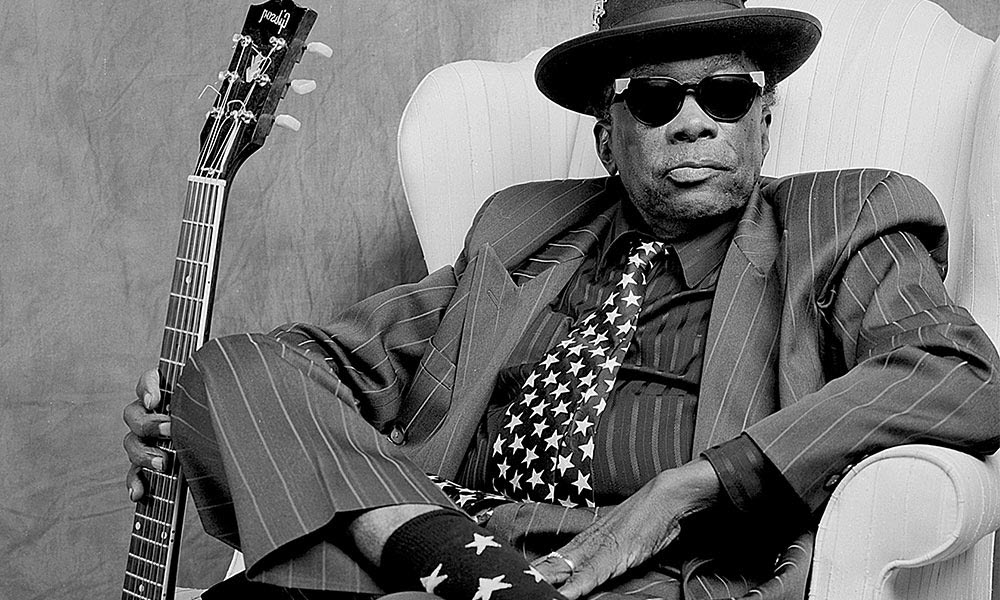
John Lee Hooker, the legendary bluesman, left an indelible mark on the music world with his raw, electrifying sound and powerful storytelling. Emerging from the Mississippi Delta, Hooker fused traditional blues with a unique style that captivated audiences worldwide. His deep, gravelly voice and hypnotic guitar riffs not only defined the genre but also influenced countless musicians across rock, jazz, and beyond.
In this article, we delve into the top 10 most popular John Lee Hooker songs of all time, celebrating the tracks that have become timeless classics. From the hauntingly soulful “Boom Boom” to the gritty, narrative-driven “One Bourbon, One Scotch, One Beer,” each song showcases Hooker’s masterful ability to convey emotion and experience through music. Whether you’re a lifelong fan or a newcomer eager to explore the roots of the blues, these tracks offer a compelling glimpse into Hooker’s musical genius. Join us as we journey through the sounds that shaped not only Hooker’s career but also the very fabric of American music. Get ready to discover why these songs remain relevant and revered, echoing through the ages with their enduring rhythm and soul!
1. Boom Boom (1962)
“Boom Boom” isn’t just a blues song—it’s a firecracker of rhythm and swagger that helped define John Lee Hooker’s legacy. Released in 1962, this track kicks off with a beat that grabs you by the collar and doesn’t let go. It’s blues, yes—but it’s also a precursor to rock and roll, wrapped in a groove that’s impossible to ignore. Hooker’s guitar licks are raw and insistent, driving the track forward with a pulsing energy that mirrors the song’s flirty, almost mischievous tone. The lyrics are straightforward but bold, painting a scene of magnetic attraction in a smoky room. “Boom boom boom boom / I’m gonna shoot you right down” may sound like trouble, but Hooker delivers it with such cool charisma that it becomes a bluesy pick-up line—equal parts menace and charm. What makes “Boom Boom” truly timeless is its simplicity: it’s stripped-down blues at its best, yet loaded with personality. It’s a staple not just of Hooker’s catalog, but of American music history. From jukeboxes to movie soundtracks, the song has remained a go-to for anyone wanting to feel that deep, driving groove that gets under your skin and stays there.
2. One Bourbon, One Scotch, One Beer (1966)
“One Bourbon, One Scotch, One Beer” is more than a blues song—it’s a mini movie set to music. Released in 1966, this track showcases John Lee Hooker’s storytelling genius in all its gritty glory. With his trademark laid-back delivery, Hooker spins a tale of a man down on his luck, kicked out by his woman, and seeking solace in the bottom of a glass—or three. The title becomes a refrain, a kind of blues mantra that captures the mood of a lonely night and a heavy heart. But there’s humor in the heartbreak, and Hooker walks that line perfectly. You can picture him at a bar, sliding onto a stool and letting the words pour out like whiskey. The guitar is steady and unhurried, setting the pace for a story that feels more like a conversation than a song. What makes this track so iconic is its relatability—everyone’s had a rough day, a broken heart, or a moment when nothing made sense except a drink and a blues record. Hooker delivers that universal feeling with a wink and a groove, proving once again that blues is as much about survival as it is about sorrow.
3. I’m in the Mood (1951)
“I’m in the Mood” is one of those songs that doesn’t just play in your ears—it seeps into your skin. Released in 1951, this slow-burning classic became one of John Lee Hooker’s biggest hits for a reason: it captures sensuality in its rawest, most honest form. From the opening notes, the song sets a smoky, late-night tone. Hooker’s voice is deep and deliberate, barely rising above a whisper, but full of tension and emotion. His guitar work is minimal and hypnotic, creating a kind of sonic trance that pulls listeners in close. The repetition of the line “I’m in the mood, baby” is both seductive and haunting—it’s not just desire, it’s a confession. What makes this track so unforgettable is its atmosphere. You can almost feel the sweat and heat in the room. It’s blues stripped down to its bones, full of longing, vulnerability, and restrained power. Hooker doesn’t need a full band or flashy solos—just his voice, his guitar, and the truth. “I’m in the Mood” remains a masterclass in how to say so much with so little. It’s a timeless reminder that some of the most powerful emotions are the ones barely spoken aloud.
4. Crawling King Snake (1949)
“Crawling King Snake,” released in 1949, slithers through the speakers with an eerie kind of confidence. This John Lee Hooker classic is a powerful expression of primal blues—stripped-down, raw, and full of gritty energy. The title itself is unforgettable, and the metaphor of the king snake speaks to dominance, mystery, and survival. Hooker’s vocal delivery is low and almost growling, giving the lyrics an ominous edge. “I’m a crawlin’ king snake, and I rule my den,” he sings, drawing the listener into a world of unfiltered masculinity and backroom swagger. His guitar riff repeats like a hypnotic chant, building tension with every measure. There’s no flash, just power—pure blues power. This track is all about atmosphere. You can feel the sweat, the smoke, and the danger in every note. What’s brilliant is how Hooker takes a simple lyrical idea and stretches it into a statement of personal force. It’s the blues at its most elemental: storytelling, attitude, and raw musicality. “Crawling King Snake” became a standard, covered by many, but no one delivers it with the same dark charm as Hooker. It’s dirty, it’s bold, and it absolutely demands your attention.
5. Dimples (1956)
“Dimples,” released in 1956, is John Lee Hooker at his most charming and playful. This track captures that electric spark of attraction—the kind that turns a glance into a story and a smile into a song. The guitar hook is instantly memorable, a chugging rhythm that mimics the forward motion of a man who just spotted someone unforgettable. Hooker’s vocals are lighthearted and full of swagger as he sings about a woman with dimples that stop him in his tracks. “I love the way you walk, I love the way you talk”—it’s simple, direct, and utterly disarming. The energy of “Dimples” feels like a spontaneous burst of affection, the kind of moment when infatuation turns into obsession before you even know what hit you. Hooker’s performance isn’t about overthinking—it’s about pure feeling, and he captures that giddy rush of desire with infectious enthusiasm. It became one of his most enduring songs, covered by British Invasion bands like The Animals, proving its universal appeal. “Dimples” shows that blues doesn’t always have to be heavy—it can flirt, grin, and dance too. With this track, Hooker reminds us that love songs can still have a serious groove.
6. It Serves Me Right to Suffer (1966)
“It Serves Me Right to Suffer” is John Lee Hooker at his most vulnerable and reflective. Released in 1966, this song dives into the emotional wreckage left by love gone wrong. But unlike songs that beg for sympathy, Hooker turns the lens inward, accepting the pain as something earned. His voice, raw and weary, lays bare the toll of heartbreak with a haunting kind of acceptance. The slow, mournful guitar drips with sorrow, perfectly matching the weight of his words. “It serves me right to suffer,” he repeats, as though the phrase itself is both punishment and absolution. This isn’t a man wallowing—he’s reckoning. The tempo is unhurried, giving space for every note and lyric to sink in. It’s blues as personal testimony. Hooker transforms regret into a lesson, showing that suffering isn’t just pain—it’s part of the human condition. The song resonates with anyone who’s ever looked back at a broken relationship and realized their own hand in its unraveling. Quietly powerful and deeply human, “It Serves Me Right to Suffer” doesn’t ask for pity—it offers truth. And in that honesty, it finds strength. It’s one of Hooker’s most soul-baring performances, and it hits you right in the gut.
7. Hobo Blues (1941)
“Hobo Blues,” recorded in 1941, is a poignant portrait of life on the road—free in one sense, but burdened in another. In this early gem, John Lee Hooker embodies the soul of the wandering man, the hobo who has no place to call home but finds meaning in movement. The song is stripped down to its essence: Hooker’s voice, his guitar, and the steady, rhythmic heartbeat of the blues. It’s conversational, almost like he’s sitting across from you on a train platform, telling his story with worn eyes and a knowing grin. There’s a quiet loneliness here, but also resilience. “When I first started to hobo, hoboing,” he sings, it’s clear that this isn’t just a lifestyle—it’s a survival tactic. The song’s steady pulse mirrors the clack of train tracks and the slow march of time. It’s both romantic and heartbreaking, full of a longing that feels timeless. “Hobo Blues” captures the blues in its rawest form—not just music, but life lived outside the margins. With just a few chords and an honest voice, Hooker paints a vivid picture of isolation, grit, and the endless road ahead. It’s blues storytelling at its finest.
8. Baby Please Don’t Go (1935)
Though “Baby Please Don’t Go” was originally written and recorded by Big Joe Williams in 1935, John Lee Hooker’s version gave it a new kind of depth—emotional, raw, and unmistakably his. Hooker’s take strips the song to its bones, exposing the ache at its core. His voice carries a desperate edge, as if he’s not just singing, but pleading with someone who’s already halfway out the door. The hypnotic rhythm of his guitar creates a relentless, almost trance-like loop that mimics the feeling of being stuck in a moment of heartbreak. There’s no dramatic swell or explosive chorus—just that steady repetition, like the ticking of a clock that won’t let you forget. What makes Hooker’s version so powerful is how deeply personal it feels. He doesn’t need to belt or shout. Every word, every note feels lived-in. This isn’t about performance—it’s about survival. The universality of the plea—“baby, please don’t go”—hits hard because it’s something we’ve all felt: the fear of being left, the pain of love unraveling. With this song, Hooker doesn’t just cover a blues standard—he claims it as his own, infusing it with a haunting realism that lingers long after the last note fades.
9. The Healer (1989)
“The Healer,” released in 1989, was more than just a song—it was a comeback, a reintroduction, and a reminder that John Lee Hooker’s voice still had the power to move mountains. Featuring Carlos Santana on guitar, the track blends Hooker’s traditional blues roots with a smooth, almost spiritual fusion of Latin rock and soul. It’s a collaboration that feels both unexpected and totally natural. The groove is hypnotic and warm, like a balm for the weary. Hooker’s vocals are soft, steady, and full of lived experience. When he sings “music is the healer,” it’s not just a lyric—it’s a declaration. This isn’t just about music making you feel good; it’s about music pulling you out of darkness. The track marked a new chapter in Hooker’s long career, earning him renewed acclaim and connecting him to a new generation of fans. “The Healer” stands as a testament to the timeless power of the blues—not just as a genre, but as a force. It’s not angry or mournful—it’s wise, reassuring, and full of quiet strength. This song doesn’t shout to be heard—it simply speaks the truth. And that’s what makes it unforgettable.
10. Want Ad Blues (1954)
“Want Ad Blues,” released in 1954, finds John Lee Hooker at his most clever and tongue-in-cheek. The concept is simple, but brilliant: a man flips through the want ads looking for love like he’s shopping for furniture. With each line, Hooker shows his knack for turning everyday observations into blues gold. His delivery is playful but laid-back, like he’s letting you in on an inside joke. The guitar groove is steady and infectious, giving the song an almost conversational flow. What makes it so enjoyable is the way Hooker blends humor with sincerity. He might be poking fun at modern romance, but underneath the chuckles is a man genuinely searching for connection. “If you got love in your heart, I’m lookin’ for you,” he sings—not with desperation, but with a wink. It’s a lighter side of the blues, proving that the genre can laugh at itself while still speaking truth. “Want Ad Blues” is one of those tracks that reminds us that the blues isn’t just about heartbreak—it’s also about life, in all its messy, ridiculous, and lovable glory. Hooker was a master of that balance, and this song is pure proof.

Edward Tomlin is a frequent contributor to Singers Room. Since 2005, Singersroom has been the voice of R&B around the world. Connect with us via social media below.









