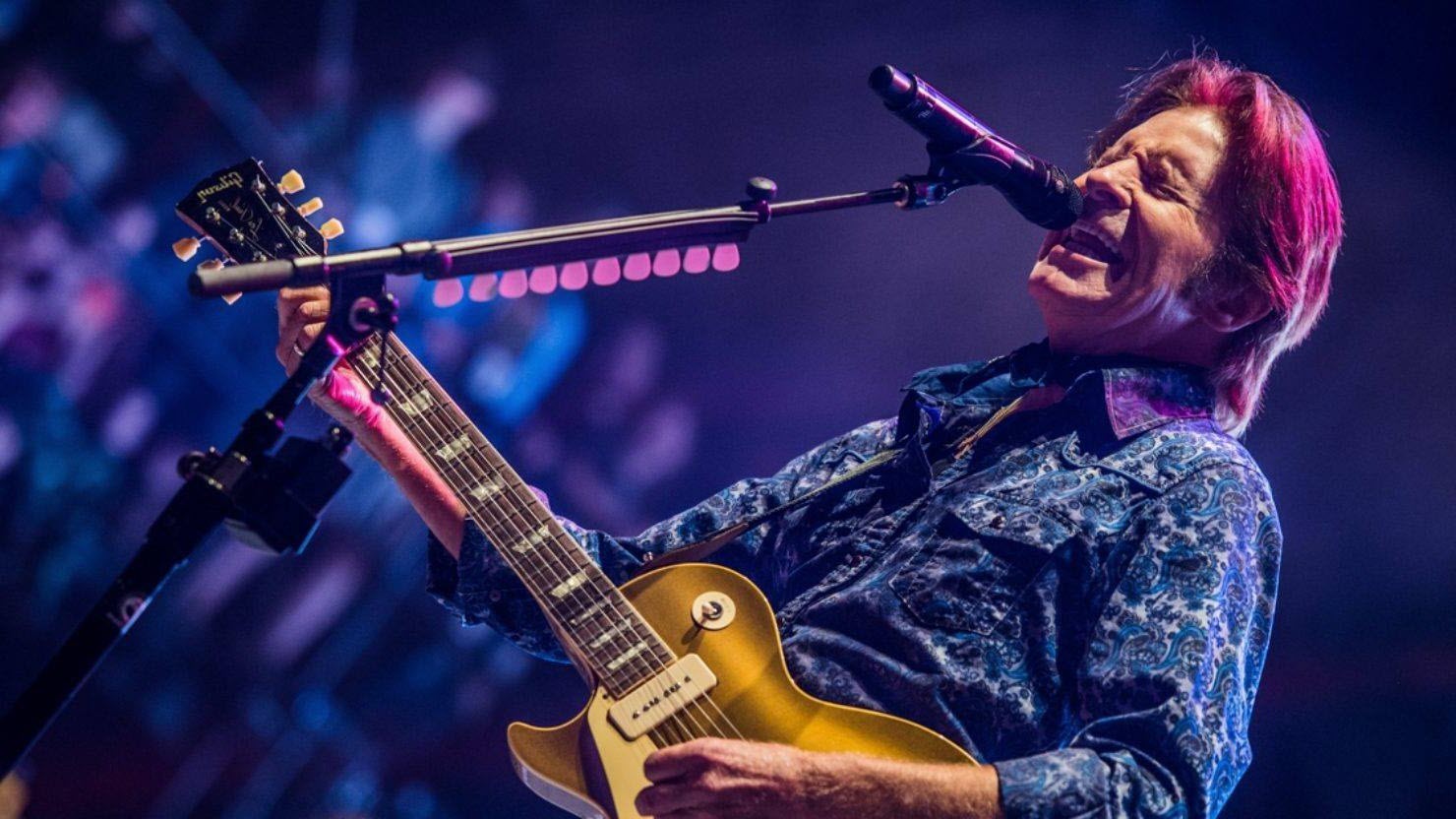
Few voices in rock history are as instantly recognizable—or as deeply rooted in American storytelling—as John Fogerty. As the powerhouse behind Creedence Clearwater Revival and a formidable solo artist in his own right, Fogerty has crafted some of the most iconic songs to ever hit the airwaves. With a gritty growl, swampy guitar riffs, and a knack for capturing both the soul of the South and the spirit of rebellion, his music transcends generations and genres. Whether it’s a hard-hitting protest anthem or a nostalgic ode to simpler times, Fogerty’s songs are timeless soundtracks to American life.
In this article, we’re counting down the top 10 most popular John Fogerty songs of all time—the tracks that defined an era, moved millions, and still ignite crowds today. From the bayous of Louisiana to the bleachers of baseball stadiums, these songs have become cultural cornerstones. Whether you’re a lifelong fan or just discovering his music, this list will take you on a journey through the heart of rock ‘n’ roll—where storytelling meets soul, and every riff tells a story. So crank up the volume and get ready to revisit the thunderous legacy of one of rock’s greatest legends.
1. Proud Mary (1969)
“Proud Mary” wasn’t just Creedence Clearwater Revival’s breakout—it was a cultural milestone that rolled the band straight into rock and roll legend. Released in January 1969, the song was written by John Fogerty shortly after leaving the Army Reserve. Its fusion of swamp rock, soulful rhythm-and-blues, and vivid Southern imagery made it instantly unforgettable. From the opening line—“Left a good job in the city”—to the steady, churning groove that mirrors the movement of a riverboat, the song captures the essence of escape and reinvention. It tells the story of someone shedding the drudgery of city life for something freer and more elemental—working on the river, drifting with the tide, chasing a simpler existence. Fogerty’s raspy voice and tight guitar work give the track its propulsive energy, and while countless covers followed—most famously the fiery rendition by Ike & Tina Turner—nothing matches the gritty authenticity of the original. “Proud Mary” isn’t just a CCR anthem—it’s a cornerstone of American rock music, the kind of song that instantly evokes an era, a feeling, and a wide-open road. More than 50 years later, it still rolls on with unstoppable momentum.
2. Bad Moon Rising (1969)
Don’t let the upbeat tempo fool you—“Bad Moon Rising” is one of the most eerily prophetic rock songs ever written. Released in April 1969, the song sounds cheerful on the surface, with its bouncy rockabilly rhythm and bright guitar licks. But listen closer, and you’ll hear warnings of natural disasters, social unrest, and looming chaos. Inspired by a stormy scene in the 1941 film The Devil and Daniel Webster, Fogerty wove apocalyptic imagery into deceptively catchy lyrics like “I see trouble on the way” and “don’t go around tonight.” The contrast between melody and message creates a tension that gives the song its enduring power. Despite its dark theme, the tune became a massive hit, reaching No. 2 on the Billboard Hot 100 and topping the charts in the UK. Its brevity—just over two minutes—only amplifies its punch, and its enduring presence in movie soundtracks and TV shows speaks to its cultural resonance. “Bad Moon Rising” remains a masterclass in musical contradiction: joyful yet dire, catchy yet ominous. It’s the perfect storm of songwriting and proof that John Fogerty could craft pop gold from the darkest of visions.
3. Fortunate Son (1969)
“Fortunate Son” roared onto the scene in October 1969 like a battle cry from the working class. Written and performed by John Fogerty at the height of the Vietnam War, the song channels raw anger at the injustice of the draft system—a system where the wealthy and well-connected could dodge service while the poor were sent to fight. With its signature opening riff and the searing lyric “It ain’t me, I ain’t no senator’s son,” the track delivers a no-holds-barred indictment of privilege and hypocrisy. Its stripped-down rock energy, powered by snarling guitars and Fogerty’s urgent vocals, makes the song hit hard and fast. Though it wasn’t released as a standalone U.S. single, it became one of CCR’s most iconic tracks and a defining song of the protest era. Over the decades, “Fortunate Son” has retained its potency, resurfacing in political campaigns, war films, and public demonstrations. It’s one of those rare rock songs that transcends its era, remaining just as relevant—and damning—today. Unapologetic, powerful, and defiant, “Fortunate Son” is a testament to Fogerty’s fearless songwriting and enduring voice for the underdog.
4. Have You Ever Seen the Rain? (1971)
On the surface, “Have You Ever Seen the Rain?” feels like a simple, melancholic ballad. But beneath its calm, melodic exterior lies a deeper tale of disillusionment and internal strife. Released in January 1971, just as Creedence Clearwater Revival was beginning to unravel, the song reflected the growing tensions within the band—and within Fogerty himself. The “rain” here is a metaphor for unexpected sadness amid supposed success. Fogerty’s gentle acoustic strumming and the understated organ create a wistful atmosphere, while his plaintive vocals ask a deceptively heavy question: can you spot the sorrow when everything seems fine on the surface? Unlike the band’s earlier swampy, rollicking hits, this track is introspective and emotionally layered. It struck a chord globally, becoming one of CCR’s biggest international hits and one of Fogerty’s most enduring compositions. Over the years, it’s taken on new meanings for listeners facing personal storms. “Have You Ever Seen the Rain?” doesn’t shout to be heard—it quietly resonates, proving that sometimes the softest songs leave the deepest marks.
5. Centerfield (1985)
After nearly a decade of silence, lawsuits, and creative frustration, John Fogerty made a thunderous solo comeback in 1985 with “Centerfield.” Released as the title track of his third solo album, the song is both a celebration of baseball and a metaphor for personal redemption. From its iconic handclap opening to the irresistible chorus—“Put me in, coach! I’m ready to play today!”—the track feels tailor-made for stadiums and summer days. But beyond its sports imagery lies the story of a musician itching to return to the game after being benched by legal entanglements. Fogerty played every instrument on the song himself, underscoring his renewed independence and determination. “Centerfield” became a hit and a staple at ballparks across America, embodying the spirit of second chances and resilience. It’s playful, catchy, and triumphant—a song that celebrates not just baseball but the thrill of stepping back into the spotlight after years in the shadows. Fogerty may have been out of the game, but with “Centerfield,” he proved he was more than ready to play.
6. Green River (1969)
With “Green River,” released in July 1969, John Fogerty taps into the pure essence of childhood nostalgia and Americana. Drawing from his memories of summers spent at Putah Creek in California, Fogerty turns personal moments into a vivid, sonic daydream. The track opens with one of his most recognizable guitar riffs—earthy, swampy, and alive with the spirit of escape. Lyrically, it’s a peaceful break from the heavier themes that often filled CCR’s catalog. You can almost smell the water and feel the summer heat as he sings about skipping rocks and fishing in a secluded paradise. But don’t be fooled by the gentle imagery—this song still rocks hard, driven by a tight groove and Fogerty’s energized vocals. “Green River” became one of CCR’s biggest hits, peaking at No. 2 on the Billboard Hot 100, and remains a fan favorite. It’s a reminder that sometimes the most powerful songs are rooted not in protest or heartbreak, but in joy, memory, and the simple pleasures of youth. “Green River” is CCR at their sun-drenched best—timeless, evocative, and irresistibly catchy.
7. Born on the Bayou (1969)
“Born on the Bayou” kicks off CCR’s Bayou Country album with a slow, sultry burn that immediately sets the tone for the band’s Southern-rock storytelling. Released in January 1969, the song transports listeners to a steamy, moss-draped landscape filled with mystery and grit. It’s a remarkable feat, considering Fogerty himself was a California native. Through haunting tremolo guitar, smoky vocals, and a murky rhythm, he conjures a believable world of backwoods life and swamp-side reveries. The track doesn’t follow a typical pop song structure—it simmers rather than erupts, unfolding like a humid Southern night. Though it never charted as a single, “Born on the Bayou” became a fan favorite and a live staple, often serving as a dramatic opener in CCR’s concerts. It’s storytelling through sound—atmospheric and immersive. Fogerty’s ability to create a vivid, musical landscape here is unmatched. You don’t just hear the song—you feel it, smell it, and see it. It’s one of his most authentic performances, a swampy anthem that helped define CCR’s unique, genre-blurring style.
8. Down on the Corner (1969)
“Down on the Corner,” released in October 1969, is one of Creedence Clearwater Revival’s most joyful and whimsical tracks. It tells the tale of Willy and the Poor Boys, a fictional jug band bringing cheer to the neighborhood through street music. It’s a celebration of music’s ability to connect people, uplift spirits, and create community—no matter where you are. Built on a lively rhythm and sing-along chorus, the song radiates good vibes from start to finish. Fogerty added playful touches, including washboard percussion and maracas, to enhance the song’s makeshift, homespun charm. Paired with “Fortunate Son” as a double A-side, the single showcased CCR’s versatility—capable of delivering both powerful protest and unfiltered fun. “Down on the Corner” peaked at No. 3 on the Billboard Hot 100 and remains a staple of classic rock radio. It’s the kind of song that instantly lifts your mood, a timeless reminder that sometimes all it takes is a catchy tune on a street corner to bring people together. Simple, warm, and infectious—it’s one of Fogerty’s finest feel-good moments.
9. Run Through the Jungle (1970)
Dark, mysterious, and full of menace, “Run Through the Jungle” is one of John Fogerty’s most chilling creations. Released in April 1970, the song is often mistaken for a Vietnam War commentary, but Fogerty has clarified it’s really about America’s obsession with firearms. The eerie harmonica wail that opens the track sets a sinister tone, and from there, the music slinks forward like something dangerous hiding in the tall grass. The lyrics are vague but ominous, warning of a world where chaos is always just around the corner. Fogerty’s vocals are measured and foreboding, giving the impression of a man who’s seen too much and knows what’s coming. The song’s dense production—with reverb-heavy guitars and layered textures—adds to its claustrophobic atmosphere. It wasn’t a major chart hit, but its haunting vibe made it a favorite in war films and thrillers. “Run Through the Jungle” proves that you don’t need to shout to be powerful. Sometimes, the quietest warnings are the most terrifying. It’s a masterclass in mood and restraint, showcasing Fogerty’s ability to tackle serious issues with artistic nuance.
10. Rock and Roll Girls (1985)
“Rock and Roll Girls,” released in February 1985 as part of Centerfield, is a breezy, feel-good tune that celebrates the simple joys of youth, music, and nostalgia. After years of silence, Fogerty was back and clearly having fun. Inspired by watching his daughters and their friends dancing to music on the radio, the song captures a sense of carefree happiness that feels both genuine and contagious. With its toe-tapping rhythm, jangly guitar, and laid-back melody, the track recalls the sunny spirit of early rock and roll. The chorus is instantly memorable—easy to sing along with, easy to love. It reached No. 5 on the Billboard Hot 100, marking another solo success for Fogerty and reaffirming his status as a master hitmaker. Unlike his more intense or political songs, “Rock and Roll Girls” reminds us that not every great tune has to carry a heavy message. Sometimes, a catchy hook and a good vibe are all you need. It’s a love letter to the power of music to uplift, connect, and bring joy—timeless themes that never go out of style.

Samuel Moore is a frequent contributor to Singers Room. Since 2005, Singersroom has been the voice of R&B around the world. Connect with us via social media below.









