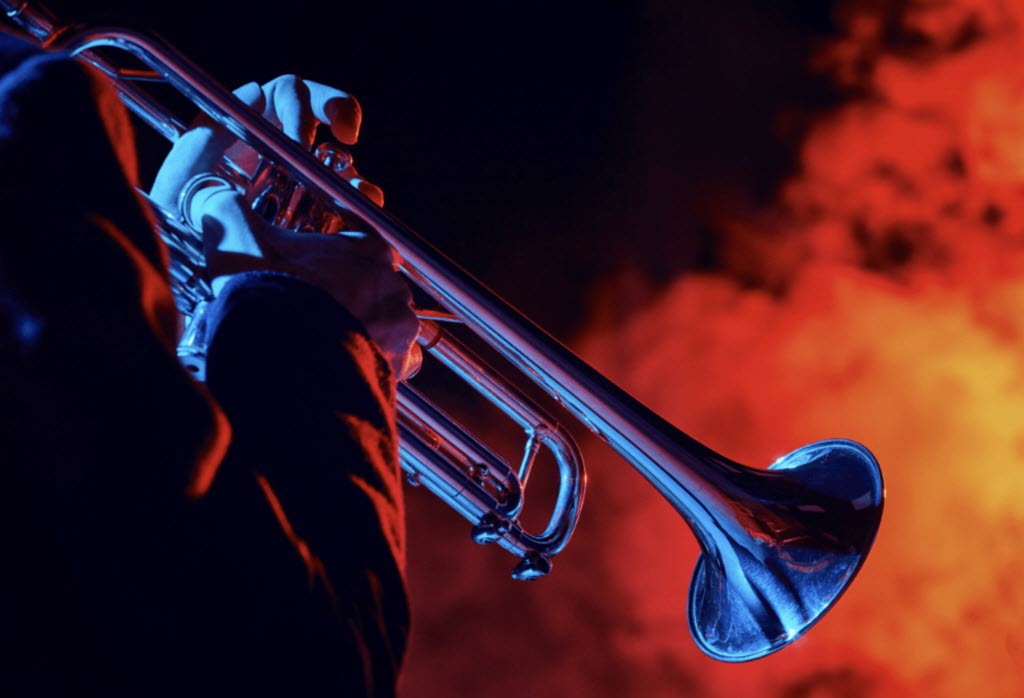
Jazz isn’t just a genre—it’s a heartbeat, a conversation, a legacy that has shaped music across the globe for over a century. Born from the soul of New Orleans and carried on the backs of improvisers and innovators, jazz is as much about feeling as it is about sound. Its melodies have the power to lift spirits, stir emotion, and freeze time in a single note. From smoky clubs to grand concert halls, jazz has told the stories of generations—raw, honest, and unforgettable.
In this article, we’re diving into the Top 15 Most Popular Best Jazz Songs of All Time—a curated journey through the tracks that have defined the genre and stood the test of time. These aren’t just songs; they’re milestones. Each one has left an indelible mark on music history, blending technical brilliance with emotional depth. Whether it’s the cool swing of a big band classic or the modal explorations of a boundary-breaking solo, these jazz masterpieces continue to inspire listeners and musicians alike.
So, sit back, press play in your mind, and let the rhythm take over. From Miles to Monk, from swing to soul—this is jazz at its finest. Let’s explore the legends.
1. Take Five – Dave Brubeck Quartet (1959)
“Take Five” didn’t just break the mold—it redefined what was possible in jazz. Released in 1959 on the Dave Brubeck Quartet’s seminal album Time Out, this track, composed by saxophonist Paul Desmond, became a global phenomenon largely thanks to its unconventional 5/4 time signature. At a time when most jazz leaned heavily on standard rhythms and swing grooves, “Take Five” took a bold detour, blending rhythmic sophistication with cool, effortless charm. The piece opens with a catchy piano vamp from Brubeck, followed by Desmond’s silky smooth sax melody that dances over Joe Morello’s intricate drum patterns. Morello’s solo in particular is a masterclass in control and creativity. Despite its experimental nature, “Take Five” resonated with a mainstream audience, becoming the first jazz single to sell over a million copies. It bridged the gap between avant-garde artistry and radio-friendly accessibility. Its cool, hypnotic groove and innovative time signature not only challenged musicians but also intrigued listeners around the world. More than six decades later, it remains one of the most recognizable and influential jazz compositions ever recorded—a timeless blend of intellect, groove, and style.
2. So What – Miles Davis (1959)
When Miles Davis released “So What” in 1959 as the opening track of Kind of Blue, he wasn’t just debuting a song—he was ushering in a new era of jazz. This piece is often credited with sparking the modal jazz movement, a shift away from complex chord progressions to a more spacious, tonal approach. Built around just two chords, “So What” is deceptively simple but endlessly expressive. The tune begins with a cool, call-and-response dialogue between the bass and piano, setting a calm, introspective tone. Davis’s muted trumpet introduces the main theme with an elegant minimalism that speaks volumes through restraint. What follows are brilliant solos by John Coltrane and Cannonball Adderley, who explore the modal landscape with unique voices—Coltrane’s intense and searching, Adderley’s warm and fluid. The beauty of “So What” lies in its space—it invites players to breathe, to stretch out, and to focus on mood and tone rather than flash. The result is a piece that’s both meditative and groundbreaking. More than a jazz standard, “So What” is a philosophical statement: less can truly be more, and simplicity, when handled with genius, can change the course of music.
3. My Favorite Things – John Coltrane (1961)
In 1961, John Coltrane took a familiar Broadway melody and turned it into a mesmerizing journey of sound with his groundbreaking rendition of “My Favorite Things.” Originally penned by Rodgers and Hammerstein for The Sound of Music, the tune became something entirely new in Coltrane’s hands. Released on the album of the same name, this track marked the saxophonist’s first major foray into the soprano saxophone, an instrument that gave the song a bright, almost hypnotic tone. Over McCoy Tyner’s cascading piano chords and Elvin Jones’s rolling drums, Coltrane stretches the melody into a spiritual voyage, transforming the tune from a theatrical favorite into a vehicle for boundless improvisation. The result is both accessible and avant-garde, retaining the charm of the original while reaching far beyond its melodic boundaries. Coltrane’s solos on this track are lyrical, adventurous, and filled with emotional intensity. “My Favorite Things” became one of his most commercially successful recordings, introducing a broader audience to his evolving sound. It’s a shining example of how jazz can reinvent, recontextualize, and elevate—turning a show tune into a transcendent piece of art.
4. What a Wonderful World – Louis Armstrong (1967)
With “What a Wonderful World,” Louis Armstrong gave the world more than just a song—he offered a soothing balm for a weary, chaotic world. Released in 1967 during an era marked by civil unrest and the Vietnam War, the track stood as a gentle counterpoint, reminding listeners of the quiet, everyday beauty all around us. Written by Bob Thiele and George David Weiss, the lyrics paint a serene picture: trees of green, skies of blue, babies crying, friends shaking hands. Armstrong’s warm, gravelly voice transforms these simple observations into deeply moving affirmations of hope and humanity. Interestingly, the song didn’t initially gain traction in the U.S. but found huge success in the UK. Over time, however, it became an enduring classic, beloved across generations and cultures. It has graced film soundtracks, commercials, and emotional life moments from weddings to memorials. Armstrong, a jazz icon known for his virtuosic trumpet playing and charismatic stage presence, gave us one of the most heartfelt performances of his career. “What a Wonderful World” remains a timeless reminder that even in turbulent times, beauty and kindness are never far away.
5. ’Round Midnight – Thelonious Monk (1944)
“’Round Midnight” is Thelonious Monk’s most celebrated composition and perhaps the most haunting ballad in jazz history. Written in 1944, the tune encapsulates the introspective mood of the late-night hours with its moody harmonies and brooding melody. Monk’s genius lies in his ability to evoke emotion through dissonance and nuance, and “‘Round Midnight” is a masterclass in this art. The piece carries a melancholy weight, like the echo of a fading conversation or the reflection of a lonely soul gazing out at a city skyline. Its complex chord progressions and rich tonal palette have made it a favorite among jazz musicians seeking to express the deepest corners of the human experience. While the song has been covered by legends like Miles Davis, Chet Baker, and Herbie Hancock, Monk’s own recordings maintain an enigmatic purity. Each interpretation brings something new, but the emotional core remains untouched. “‘Round Midnight” isn’t just a jazz standard—it’s a rite of passage, a mood, a memory frozen in time. For many, it’s where jazz feels most intimate: personal, honest, and achingly beautiful.
6. A Love Supreme – John Coltrane (1965)
John Coltrane’s A Love Supreme is more than an album—it’s a spiritual odyssey captured in sound. Released in 1965, this four-part suite—“Acknowledgement,” “Resolution,” “Pursuance,” and “Psalm”—documents Coltrane’s profound religious awakening and his quest to express gratitude through music. From the opening bass riff, repeated like a chant, to Coltrane’s soaring saxophone lines, the album pulses with emotional and spiritual intensity. It’s as much a prayer as it is a performance. Coltrane composed and recorded it with his classic quartet—McCoy Tyner on piano, Jimmy Garrison on bass, and Elvin Jones on drums—and the chemistry between them is telepathic. Each movement builds upon the last, culminating in “Psalm,” a wordless recitation of a poem Coltrane wrote to God, played with the phrasing of spoken verse. The album blends modal jazz, hard bop, and free jazz, yet transcends genre altogether. A Love Supreme is deeply personal yet universally resonant, revered by fans and musicians alike as a pinnacle of jazz expression. More than half a century later, it still stands as a monument to the power of music as a vessel for love, faith, and transformation.
7. All Blues – Miles Davis (1959)
“All Blues” is jazz elegance distilled into sound. Released in 1959 as part of Miles Davis’s landmark album Kind of Blue, the track exemplifies the modal jazz approach that came to define the record. Built on a 6/8 time signature and a simple blues form, the piece moves with an unhurried grace that allows its musicians to explore without ever losing the groove. Davis’s trumpet floats above the rhythm section with calm confidence, while Bill Evans’s piano lays down impressionistic harmonies that shimmer and shift like light on water. The rhythm team—Paul Chambers on bass and Jimmy Cobb on drums—maintains a steady, supple pulse that anchors the tune. Meanwhile, Cannonball Adderley and John Coltrane deliver solos full of character: Adderley is soulful and conversational, Coltrane searching and cerebral. What makes “All Blues” so enduring is its balance—it’s intellectually rich but emotionally accessible, sophisticated yet relaxed. It doesn’t demand attention; it invites it. The result is music that feels alive, breathing in real time. “All Blues” is a reminder that sometimes, the deepest artistry comes not from complexity, but from clarity and flow.
8. Sing, Sing, Sing – Benny Goodman (1936)
“Sing, Sing, Sing” is pure swing era adrenaline. First recorded in 1936 and immortalized by Benny Goodman and his orchestra, the song became an anthem of the big band movement. Though it was written by Louis Prima, it was Goodman’s scorching arrangements—especially the historic 1938 Carnegie Hall performance—that turned the song into a jazz landmark. The track is driven by Gene Krupa’s relentless, tribal drumming, which practically invented the modern drum solo. From the very first beat, “Sing, Sing, Sing” grabs you by the collar and doesn’t let go. Screaming brass sections, blistering clarinet solos from Goodman, and thunderous rhythm make this more than a song—it’s a spectacle. The energy is wild, raw, and utterly infectious. It’s jazz at its most theatrical and exhilarating, conjuring images of dancers flying across ballrooms and audiences roaring with excitement. “Sing, Sing, Sing” helped bring jazz from smoky clubs into grand concert halls, proving the genre could be both high art and popular entertainment. Its impact on swing, percussion, and live performance still echoes today. If jazz ever had a soundtrack to a riotous celebration, this would be it.
9. In a Sentimental Mood – Duke Ellington (1935)
Few compositions capture the elegance and emotional nuance of Duke Ellington’s “In a Sentimental Mood.” Written in 1935—reportedly in just 15 minutes after a post-show encounter in Durham, North Carolina—the song reveals Ellington’s unmatched gift for crafting melodies that feel intimate, wistful, and timeless. The piece opens with a gentle piano introduction that immediately sets a tone of quiet yearning, followed by lush harmonies that unfold like a late-night conversation between old souls. Though originally an instrumental, its beauty has inspired countless vocal and instrumental renditions. The 1963 collaboration between Ellington and John Coltrane is widely regarded as the definitive version—a seamless fusion of Ellington’s swing-era sophistication and Coltrane’s emotive, modal phrasing. On that recording, Coltrane’s tenor saxophone weaves gracefully around Ellington’s tender piano lines, creating a rich, romantic dialogue that feels both improvised and eternal. The composition has since become a cornerstone of the jazz ballad tradition, beloved for its warmth and its capacity to evoke deep emotion with minimal flourish. “In a Sentimental Mood” is more than a song—it’s a feeling suspended in time, a soft sigh at the end of the day, perfect for moments of reflection, longing, or love.
10. Strange Fruit – Billie Holiday (1939)
“Strange Fruit” stands as one of the most powerful and haunting songs ever recorded. Originally a poem written by Abel Meeropol, a Jewish schoolteacher outraged by the brutal lynchings of Black Americans, the lyrics were brought to life by Billie Holiday in 1939. From the moment she sings, “Southern trees bear a strange fruit,” her voice—fragile yet unflinching—commands silence. There’s no escape from the stark, vivid imagery that follows: black bodies swinging, blood on the leaves, scent of burning flesh. Accompanied by sparse instrumentation, Holiday’s delivery is intentionally restrained, amplifying the horror and gravity of every word. This was not just a song—it was a defiant act of protest, issued at a time when speaking out against racial violence was met with fierce resistance. Holiday faced pressure from her label and threats for performing it, but she persisted. “Strange Fruit” became one of the first examples of music as political resistance, a moment where jazz broke from entertainment to confront society’s darkest truths. Today, the song remains chillingly relevant. Its courage, rawness, and devastating beauty continue to resonate as a bold artistic stand for justice, dignity, and remembrance.
11. Misty – Erroll Garner (1954)
“Misty” is the kind of tune that feels like it’s been playing in the background of every great love story. Written in 1954 by pianist Erroll Garner, the song began as a purely instrumental piece—a showcase for Garner’s lush, expressive playing style. With a rubato touch that bends time like a sigh, Garner floats through the melody with a grace that feels both casual and meticulous. When Johnny Burke added lyrics in 1959, “Misty” took on a new life as a romantic standard, recorded by vocal legends like Johnny Mathis, Sarah Vaughan, and Ella Fitzgerald. Yet even without words, the song speaks volumes. Garner’s chord voicings are rich and sweeping, like orchestral flourishes wrapped around a tender, floating theme. “Misty” is technically complex, but it never sounds difficult; it feels like it’s simply breathing, suspended in a dreamy haze of emotion. The song’s combination of sophistication and sweetness has made it a favorite for decades, beloved in smoky jazz clubs and at candlelit dinners alike. Whether as a heartfelt ballad or a virtuoso piano performance, “Misty” remains one of the most enchanting love songs in the jazz canon—elegant, sincere, and timeless.
12. Autumn Leaves – Joseph Kosma / Johnny Mercer (1945/1947)
“Autumn Leaves” is the sound of memories drifting slowly out of reach. First composed in 1945 by Joseph Kosma with French lyrics by Jacques Prévert, the tune became “Autumn Leaves” when Johnny Mercer added English lyrics in 1947. Since then, it has become one of the most performed and recorded standards in jazz history. Its melancholy descending melody and gently shifting harmonies perfectly capture the feeling of change—the kind that comes with fading love, the passage of time, or the turn of a season. Musicians are drawn to it not just for its beauty, but for the rich emotional terrain it offers. Whether interpreted as a delicate ballad or an up-tempo improvisational showcase, the song provides endless room for expression. Iconic recordings by Cannonball Adderley, Miles Davis, and Bill Evans reveal the tune’s adaptability, each version uniquely affecting. The descending bass line feels like falling leaves, drifting softly, inevitably downward. “Autumn Leaves” speaks to something universal: that sense of nostalgia and gentle sorrow we feel when looking back. It’s a musical meditation on impermanence—bittersweet, graceful, and eternally resonant.
13. Blue in Green – Miles Davis (1959)
“Blue in Green” is the quiet soul of Kind of Blue, Miles Davis’s genre-defining 1959 masterpiece. Clocking in at just over five minutes, this piece feels less like a composition and more like a mood made audible. Though officially credited to Davis, many jazz historians and musicians believe pianist Bill Evans was the true composer—and his ethereal, impressionistic style is unmistakably present throughout. The tune floats through a series of lush, unresolved harmonies, never quite arriving, yet always moving. Davis’s muted trumpet is haunting and sparse, rising from the haze like a solitary thought in a moment of deep reflection. Evans’s piano voicings are gentle and intricate, evoking rain on a window or the hush of early dawn. The rhythm section—Paul Chambers on bass and Jimmy Cobb on drums—moves with subtlety, allowing space for every breath, every note. “Blue in Green” doesn’t build to a climax; it lingers, simmering with unspoken emotion. It’s not about virtuosity or complexity—it’s about atmosphere, about what’s felt rather than said. In just a few minutes, it captures the ache of longing and the beauty of restraint, standing as one of the most intimate and emotionally resonant pieces in jazz.
14. Fly Me to the Moon – Bart Howard (1954)
“Fly Me to the Moon” is a romantic classic with cosmic ambition. Written by Bart Howard in 1954 and originally titled “In Other Words,” the song began as a gentle cabaret number with a timeless charm. Its graceful melody and elegant lyrics evoke the dream of love that transcends earthly bounds. The song was recorded by many jazz vocalists in the 1950s, but it was Frank Sinatra’s 1964 version—backed by the Count Basie Orchestra and arranged by Quincy Jones—that made it immortal. With a tight, swinging big band arrangement, Sinatra’s rendition brought energy and swagger to the tune, turning it into a declaration of confident affection. That version became closely associated with the space age—NASA even played it during the Apollo missions, including the historic moon landing. It became a love song to the stars, quite literally. Over the years, “Fly Me to the Moon” has been covered by countless artists, including Diana Krall, Tony Bennett, and Nat King Cole, each adding their own shimmer. Whether crooned over a cocktail or played beneath the stars, the song remains a romantic staple, inviting listeners to dream, to dance, and to aim higher.
15. Body and Soul – Johnny Green (1930)
“Body and Soul” is one of the most enduring and emotionally rich songs in jazz history. Written by Johnny Green in 1930, it quickly became a favorite among vocalists and instrumentalists alike for its lush harmonies and poignant melody. The lyrics speak of aching vulnerability, of a love so consuming it erases the self—“You know I’m yours for just the taking.” But it was the 1939 recording by tenor saxophonist Coleman Hawkins that elevated the song into something extraordinary. In that landmark session, Hawkins barely touches the melody, instead delivering a bold, fully improvised performance that redefined the role of the jazz soloist. His version is emotionally searing, technically brilliant, and widely considered the first true jazz ballad. “Body and Soul” became a rite of passage for jazz musicians, offering endless opportunities for exploration and expression. Legends like Billie Holiday, Sarah Vaughan, and John Coltrane have all left their mark on it. It’s a song that blends heartache with sophistication, structure with freedom. Even nearly a century after its debut, “Body and Soul” continues to captivate, reminding us that in jazz—as in life—the most profound truths often live in the space between what’s played and what’s felt.

Samuel Moore is a frequent contributor to Singers Room. Since 2005, Singersroom has been the voice of R&B around the world. Connect with us via social media below.









