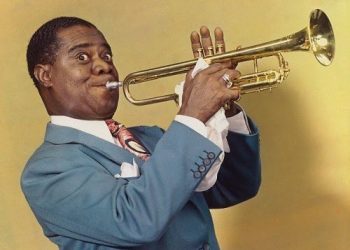
Jazz is more than just a genre; it’s a vibrant tapestry of emotion, culture, and creativity that has shaped the music landscape for over a century. From its roots in the early 20th century to its evolution into a global phenomenon, jazz has produced an array of extraordinary artists who have redefined musical boundaries and influenced countless musicians across genres. This article takes you on a melodious journey through the lives and legacies of the top 15 best jazz artists of all time.
Prepare to be inspired by the bold improvisations of legends like Louis Armstrong, whose trumpet echoed through the ages, and the innovative genius of Miles Davis, who continually reinvented his sound. Discover the sultry vocals of Billie Holiday and the virtuosic piano skills of Thelonious Monk. Each artist on this list has contributed to the rich dialogue of jazz, blending elements of blues, swing, and bebop to create timeless masterpieces.
Join us as we explore their groundbreaking works, unforgettable performances, and the indelible marks they’ve left on the world of music. Whether you’re a seasoned jazz aficionado or a curious newcomer, this celebration of jazz artistry promises to ignite your passion for this captivating genre.
1. Louis Armstrong
Louis Armstrong was more than just a brilliant trumpeter and singer—he was a musical trailblazer who helped shape the very sound and soul of jazz. Born in New Orleans, Armstrong rose from humble beginnings to become one of the most influential figures in 20th-century music. His distinctive gravelly voice and bright, daring trumpet solos introduced the world to a new kind of musical expression: one that was joyful, heartfelt, and deeply human. Classics like “What a Wonderful World” and “Hello, Dolly!” not only demonstrate his technical talent but also highlight his unmatched ability to connect emotionally with audiences. Armstrong’s improvisational genius revolutionized jazz, transforming it from group-based performance into a soloist’s art form. He brought swing, feeling, and flair to the genre in a way that had never been done before. Beyond music, Armstrong’s charisma and charm helped break down racial barriers during a time of deep segregation. He was a true ambassador of goodwill around the world, showing that music could be both deeply personal and universally uplifting. To this day, his legacy lives on, reminding us all that jazz—like Armstrong himself—is full of soul, resilience, and endless creativity.
2. Duke Ellington
Duke Ellington wasn’t just a bandleader or pianist—he was a visionary composer who elevated jazz into a sophisticated and respected art form. Over the course of his 50-year career, Ellington composed more than a thousand pieces of music, many of which have become timeless standards. His orchestra, filled with world-class soloists like Johnny Hodges and Cootie Williams, was known for its lush, textured sound and rich harmonic complexity. Pieces like “Mood Indigo,” “Take the ‘A’ Train,” and “It Don’t Mean a Thing (If It Ain’t Got That Swing)” are cornerstones of the jazz canon. What set Ellington apart was his genius for writing with his musicians in mind—crafting parts that showcased each player’s unique voice. He blended classical influences with blues, swing, and gospel to create music that felt both refined and deeply rooted in African American culture. Ellington was a trailblazer, bringing jazz from clubs and dance halls to prestigious concert stages around the world. His music transcended genre and time, remaining vibrant and inspiring decades later. More than a composer, Duke Ellington was a cultural leader whose work helped define the American sound and the very essence of jazz itself.
3. Charlie Parker
Charlie Parker—affectionately known as “Bird”—was a revolutionary force in jazz, whose lightning-fast saxophone lines and harmonic daring helped birth the bebop movement. In the 1940s, Parker emerged from the Kansas City jazz scene with a new, electrifying style that was more complex, rhythmically intricate, and harmonically advanced than anything that had come before. Tracks like “Ko-Ko” and “Ornithology” show off his unmatched speed, phrasing, and inventiveness. Parker could take a simple melody and twist it into a whirlwind of notes that were both intellectually stunning and emotionally raw. His improvisations weren’t just technically impressive—they told stories, bursting with personality and depth. Despite a turbulent personal life marked by addiction and hardship, Parker’s artistry remained razor-sharp, and his influence reached far beyond jazz. He inspired a generation of musicians—from Miles Davis to John Coltrane—and reshaped the way music was played, taught, and understood. More than just a virtuoso, Parker was a musical thinker whose ideas laid the foundation for modern jazz. His recordings still feel fresh and urgent today, a testament to the brilliance and intensity of a man who lived and played at the speed of light.
4. John Coltrane
John Coltrane was a musical seeker, a saxophonist whose spiritual and emotional journey led to some of the most profound music in jazz history. Early in his career, Coltrane made waves as part of the Miles Davis Quintet and Thelonious Monk’s band, but it was his own groundbreaking work that solidified his legendary status. His 1965 album A Love Supreme is widely considered one of the greatest jazz albums ever made—a deeply spiritual suite of music expressing his gratitude to God and his desire for transcendence through sound. Coltrane’s relentless practice and experimentation led him to explore increasingly complex harmonies, modal structures, and avant-garde expressions, especially in pieces like “Giant Steps” and “Ascension.” His tone—warm, searching, and sometimes fierce—had a way of reaching into the soul of a listener. More than just a technician, Coltrane was a philosopher with a saxophone, always striving for something greater in his art. He expanded what jazz could be, not just as a form of entertainment but as a medium for truth, beauty, and devotion. His influence is vast and enduring, and his music remains a beacon for anyone searching for meaning through music.
5. Billie Holiday
Billie Holiday had a voice like no other—intimate, aching, and full of hard-earned wisdom. Nicknamed “Lady Day,” she was more than a jazz singer; she was a storyteller who sang with deep emotion and vulnerability. Holiday’s phrasing was revolutionary. She bent time to her will, lagging behind the beat or rushing ahead to add dramatic tension and pathos to every lyric. Songs like “Strange Fruit” and “God Bless the Child” remain powerful not just because of their melodies, but because of how she sang them—with raw honesty and unflinching grace. “Strange Fruit,” in particular, was a daring act of protest against racial violence, and its haunting delivery still sends chills down the spine. Holiday didn’t have the widest range or the most conventional tone, but she didn’t need it. Every note she sang carried the weight of her experiences, from love and heartbreak to racism and addiction. She poured her soul into her music, transforming personal pain into universal poetry. Billie Holiday remains one of the most influential jazz vocalists of all time, reminding us that true artistry comes from feeling deeply and sharing that emotion with fearless authenticity.
6. Ella Fitzgerald
Ella Fitzgerald, affectionately known as the “First Lady of Song,” possessed one of the most remarkable voices in music history. Her pure tone, impeccable diction, and dazzling vocal agility made her a standout not just in jazz, but in popular music at large. From her early days singing with the Chick Webb Orchestra to her legendary Songbook recordings, Fitzgerald consistently delivered performances full of warmth, grace, and technical mastery. Songs like “Summertime,” “A Tisket, A Tasket,” and “Misty” display her unmatched ability to interpret a lyric while making each phrase sound fresh and effortless. Ella was also a master of scat singing, turning her voice into an improvisational instrument with fluid melodic invention. Her collaborations with Louis Armstrong, Count Basie, and Duke Ellington brought together some of the greatest talents in jazz. Despite personal hardships, including a difficult childhood and health issues later in life, Fitzgerald maintained a joyful presence in her music. Her long career and extensive discography are a testament to her enduring talent and the love audiences around the world have for her. Ella Fitzgerald didn’t just sing jazz—she embodied it with elegance, heart, and a voice that will echo through time.
7. Miles Davis
Miles Davis was a relentless innovator whose career shaped the direction of jazz across several decades. As a trumpeter, bandleader, and visionary, Davis pushed musical boundaries with every era he touched—from the cool stylings of Birth of the Cool, to the modal explorations of Kind of Blue, to the electric, genre-defying energy of Bitches Brew. Each phase of his career introduced a new sound, a new concept, and often, a new set of musicians who would go on to become legends in their own right. What made Miles unique was his ability to sense where music was headed and then get there first, often leaving others to catch up. His playing was economical, emotionally charged, and expressive—often saying more with a few notes than others could with a flurry. Davis also had an unmatched talent for assembling bands and fostering innovation, launching the careers of players like John Coltrane, Herbie Hancock, and Wayne Shorter. Offstage, he was enigmatic and complex, but onstage, he was a creative force that changed the very language of music. Miles Davis wasn’t just part of jazz history—he continuously rewrote it.
8. Sarah Vaughan
Sarah Vaughan, often referred to as “The Divine One,” had a voice of such richness and control that it seemed almost otherworldly. With her wide vocal range, expressive vibrato, and deep emotional power, Vaughan elevated every song she touched. Starting out as a pianist and vocalist in Billy Eckstine’s big band, she quickly earned recognition as a standout solo performer. Songs like “Misty,” “Lullaby of Birdland,” and “Tenderly” display her ability to shape melodies with stunning nuance and grace. Vaughan could shift effortlessly between jazz, pop, and classical influences, giving each performance a unique blend of technical mastery and heartfelt delivery. Her phrasing was deeply personal, often stretching or reshaping lines to heighten drama or intimacy. Critics praised her for her “operatic” technique, but she remained grounded in the emotive soul of jazz. Whether performing with a trio or a full orchestra, Vaughan’s presence was magnetic. Her influence stretches far beyond jazz circles, inspiring generations of singers across all genres. Sarah Vaughan didn’t just sing songs—she transformed them into something new and unforgettable, each time she stepped up to the microphone.
9. Thelonious Monk
Thelonious Monk was one of the most original and eccentric voices in jazz, both as a pianist and a composer. Known for his angular melodies, unexpected pauses, and percussive keyboard style, Monk’s music was unlike anything his contemporaries were producing. At first misunderstood by critics, his genius eventually earned widespread acclaim. Songs like “’Round Midnight,” “Blue Monk,” and “Straight, No Chaser” are now staples of the jazz repertoire. Monk had a unique sense of rhythm and space—he was unafraid to leave silence between notes or to play in ways that seemed offbeat, yet perfectly intentional. His compositions often featured unusual chord progressions and repetitive motifs that were both challenging and captivating. Onstage, he was known for his signature hats, spinning dances during instrumental breaks, and stoic demeanor. Despite his quirks, or perhaps because of them, Monk left an indelible mark on the jazz world. He influenced countless pianists and composers, from Herbie Hancock to Jason Moran. Thelonious Monk didn’t follow the rules—he created his own, and in doing so, expanded the language of jazz into bold new territories.
10. Chick Corea
Chick Corea was a towering figure in modern jazz, renowned for his work as a pianist, composer, and bandleader. With a career that spanned five decades, Corea was constantly pushing boundaries—exploring jazz fusion, classical, Latin jazz, and beyond. He rose to prominence as a member of Miles Davis’s pioneering electric bands, contributing to groundbreaking albums like Bitches Brew. From there, he founded his own group, Return to Forever, blending electric instrumentation with sophisticated composition and improvisation. Albums like Light as a Feather and Romantic Warrior showcased his ability to merge complex rhythms and harmonies with accessible, melodic hooks. Corea was also a master acoustic pianist, known for dazzling technique and boundless creativity in solo and duet settings. His musical curiosity was endless, and he thrived in every genre he touched. Whether collaborating with Gary Burton, Herbie Hancock, or exploring classical works, Corea always brought his signature sense of playfulness and precision. He earned numerous Grammy Awards and the respect of musicians worldwide. Chick Corea’s legacy is one of innovation, versatility, and a deep love for the art of improvisation—a true pillar of modern jazz.
11. Stan Getz
Stan Getz was a master of the tenor saxophone, known for his warm, lyrical tone and smooth, flowing style. He played with a gentle yet expressive voice that could convey both melancholy and joy with effortless grace. Getz began his career in big bands but truly found his voice in the 1950s and 60s, becoming one of the leading figures in cool jazz. His name became synonymous with the bossa nova movement after his collaborations with Brazilian artists João Gilberto and Antônio Carlos Jobim. Their work on tracks like “The Girl from Ipanema” helped introduce American audiences to this fresh, sensual sound and brought jazz into a new cultural space. Getz’s tone was often described as “singing,” and he had a remarkable ability to make even the most complex solos feel natural and melodic. His versatility also allowed him to explore bebop, fusion, and orchestral jazz throughout his career. Despite personal struggles, Getz’s artistry never waned. He remained dedicated to beautiful, lyrical playing that prioritized emotion over flash. Stan Getz left behind a legacy of elegance and innovation—a true testament to the expressive power of jazz.
12. Ornette Coleman
Ornette Coleman was one of jazz’s most daring pioneers, a saxophonist and composer who challenged conventions and opened the door to the free jazz movement. His 1959 album The Shape of Jazz to Come was aptly named—it heralded a new era where improvisation took precedence over chord changes and fixed forms. Coleman’s style often defied traditional harmony and structure, opting instead for raw, emotional expression and collective improvisation. His sound could be piercing and unpredictable, but always intentional. Tracks like “Lonely Woman” demonstrated a profound sensitivity beneath the seeming chaos. Though controversial at first, Coleman’s vision of music as a vehicle for freedom won over many musicians and critics, earning him a Pulitzer Prize later in life. He believed that the rules of music should serve the emotion, not the other way around. His theories, including the concept of “harmolodics,” revolutionized how musicians approached composition and improvisation. Ornette Coleman’s influence can be felt not just in jazz, but in avant-garde, classical, and experimental music around the world. He was a true innovator who reminded us that art is not bound by convention but driven by courage and imagination.
13. Herbie Hancock
Herbie Hancock is one of the most versatile and forward-thinking artists in jazz history. A piano prodigy who joined Miles Davis’s Second Great Quintet in the 1960s, Hancock helped pioneer a new direction in jazz that emphasized freedom, space, and interaction. His contributions to albums like E.S.P. and Miles Smiles showcased his unique harmonic sense and daring improvisational style. In the 1970s, Hancock took a bold turn toward fusion with albums like Head Hunters, blending funk, rock, and electronic music into a new, accessible sound. The hit track “Chameleon” became a defining moment in jazz-funk, earning him mainstream success while pushing creative boundaries. Throughout his career, Hancock continued to innovate, embracing everything from acoustic duos to hip-hop collaborations. His openness to technology and global influences has kept his music fresh for decades. Hancock’s artistry isn’t just about technique—it’s about exploration, connection, and evolution. He has won numerous Grammy Awards and remained a passionate advocate for music education and cultural diplomacy. Whether behind an acoustic grand or a synthesizer, Herbie Hancock plays with a spirit of discovery that continues to inspire generations of musicians.
14. Cannonball Adderley
Cannonball Adderley was an alto saxophonist known for his upbeat energy, soulful tone, and ability to blend bebop with gospel and blues. His vibrant sound made him a standout in both small groups and big bands, and his presence always lit up the stage. After gaining recognition in the 1950s, he joined Miles Davis’s sextet and contributed to the landmark album Kind of Blue, one of the most influential jazz records ever made. Adderley later formed his own quintet, often featuring his brother Nat on cornet, and explored a more accessible, groove-driven style of jazz that resonated widely with audiences. His hit recording “Mercy, Mercy, Mercy” showcased his gift for combining emotional expression with catchy, singable melodies. Cannonball was also known for speaking directly to his audiences during performances, making jazz feel personal and inviting. His music radiated warmth and optimism, making even complex solos feel joyful and inclusive. Beyond his technical skills, it was his spirit—his joy in playing, his generosity as a bandleader—that truly defined him. Cannonball Adderley remains a symbol of jazz’s soulfulness and its power to uplift and connect.
15. Wynton Marsalis
Wynton Marsalis is a trumpet virtuoso, composer, and educator who has played a major role in revitalizing and preserving traditional jazz. Emerging in the 1980s as a prodigious talent, Marsalis quickly gained recognition for his impeccable technique and deep reverence for the history of the genre. His early recordings channeled the energy of bebop and hard bop, but he has also composed ambitious works that merge jazz with classical music, including concertos, oratorios, and large ensemble pieces. As Artistic Director of Jazz at Lincoln Center, Marsalis has tirelessly promoted jazz as America’s classical music, dedicating himself to education and outreach. His performances—whether soloing with a small combo or leading a full orchestra—are marked by clarity, precision, and expressive power. Marsalis is also known for his thoughtful approach to improvisation, often quoting jazz traditions while finding ways to say something new. Though sometimes a polarizing figure for his purist views, his contributions to the music are undeniable. With multiple Grammy Awards and a Pulitzer Prize for Music, Marsalis has earned his place among the greats. He stands as a beacon of excellence, tradition, and artistic integrity in modern jazz.

Edward Tomlin is a frequent contributor to Singers Room. Since 2005, Singersroom has been the voice of R&B around the world. Connect with us via social media below.