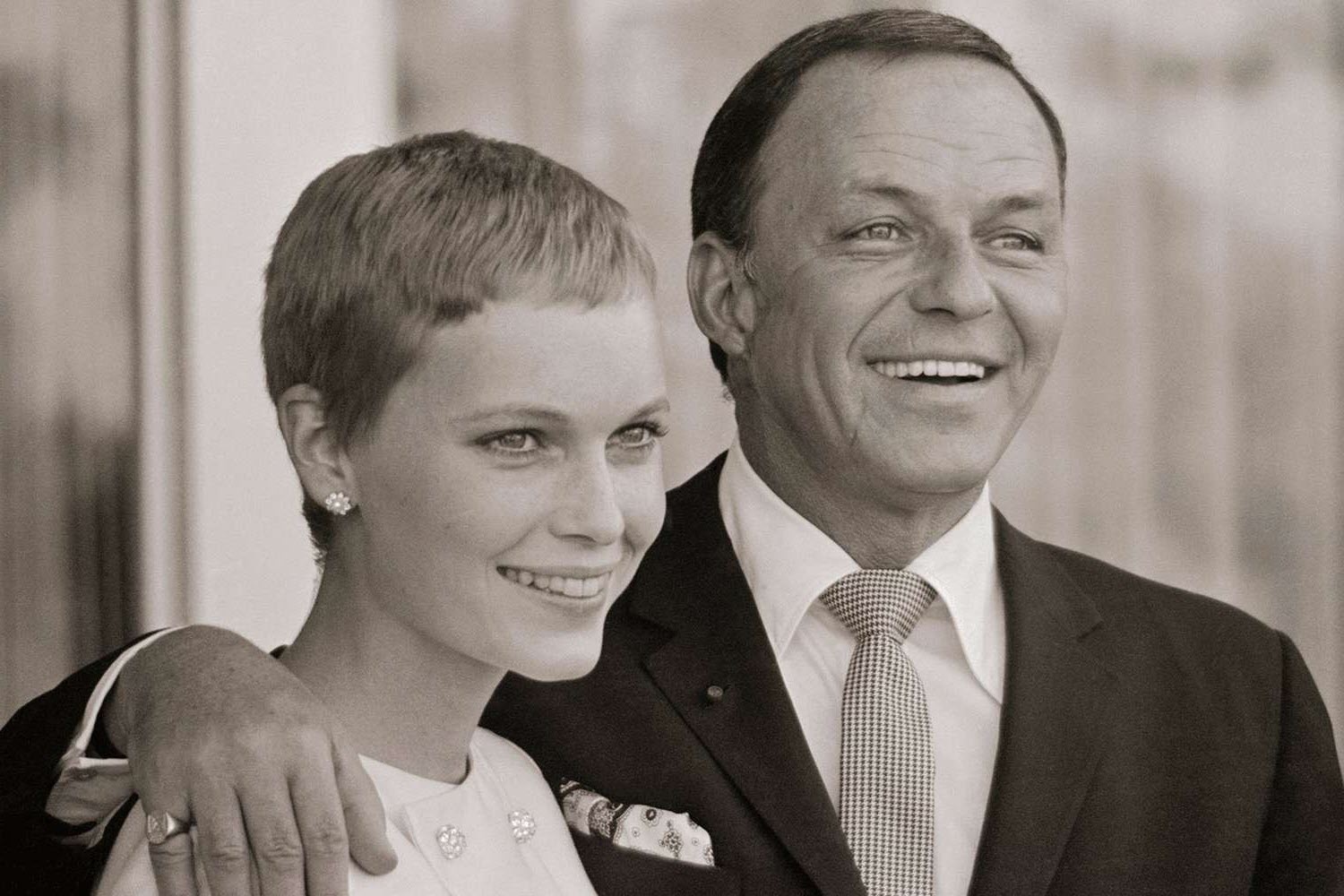
Few voices have shaped the sound of the 20th century quite like Frank Sinatra’s. With his velvet phrasing, magnetic swagger, and timeless style, Sinatra didn’t just perform songs—he lived them. From smoky lounges to grand concert halls, his music captured the soul of romance, resilience, and the American dream. Whether he was crooning about lost love or belting out anthems of ambition, Ol’ Blue Eyes had an uncanny ability to make every listener feel like he was singing just for them. His catalog spans decades and genres, but a few standout tracks have risen above the rest—songs that not only defined his career but also became part of our cultural DNA. In this countdown of the top 10 most popular Frank Sinatra songs of all time, we celebrate the hits that made him a legend. These are the tunes that still echo through city streets, wedding halls, and movie soundtracks—each one a masterclass in vocal artistry. So pour yourself a glass of something smooth, cue up the classics, and join us as we revisit the songs that made Sinatra the gold standard of American music. This is more than a playlist—it’s a journey through the voice that defined an era.
1. My Way (1969)
Few songs in music history embody the spirit of personal defiance and retrospective pride quite like Frank Sinatra’s “My Way.” Released in 1969, the track quickly became a signature piece—not just for Sinatra, but for anyone facing the end of a chapter with a sense of resolve. Adapted from the French song Comme d’habitude, with new lyrics by Paul Anka tailored specifically for Sinatra, the song chronicles the life of a man who lived unapologetically on his own terms. At first, Sinatra wasn’t a huge fan of the song, reportedly finding it a bit self-indulgent. But the public felt differently. “My Way” resonated deeply with audiences around the world, climbing the charts and securing its place in popular culture. The song’s slow-building orchestration and Sinatra’s deliberate, commanding delivery give it an epic, almost cinematic feel. Over the decades, it’s been covered by countless artists—from the velvet voice of Elvis Presley to the sneering punk of Sid Vicious—but none captured its gravitas like Sinatra. His version stands alone as a timeless salute to independence, conviction, and the courage to face the final curtain with dignity.
2. New York, New York (1977)
When Frank Sinatra recorded “New York, New York” in 1979, he didn’t just sing about the city—he became its voice. Originally written by John Kander and Fred Ebb for the 1977 Martin Scorsese film of the same name, the song was first performed by Liza Minnelli. But it wasn’t until Sinatra took the mic that it transformed into a full-blown anthem. Released as a single in 1980, it captured the raw energy and resilient optimism of the city that never sleeps. Sinatra’s version is bold and brassy, with a swagger that echoes down every Manhattan avenue. The opening notes grab your attention like a Broadway curtain rising, and by the time he hits the line “king of the hill,” it’s hard not to feel like you’re standing at the top of the Empire State Building. Whether played at Yankees games, blaring from parade floats, or ringing in the New Year in Times Square, “New York, New York” has become the city’s unofficial theme song. It’s not just music—it’s attitude, ambition, and pride wrapped into three and a half minutes of pure magic.
3. Fly Me to the Moon (1964)
“Fly Me to the Moon” may have started as a gentle jazz tune, but in Frank Sinatra’s hands, it soared to celestial heights—literally. Originally titled In Other Words and written by Bart Howard in 1954, the song found its defining form in 1964 when Sinatra recorded it with Count Basie’s orchestra, arranged by the young genius Quincy Jones. The result was pure elegance and swing, turning a romantic ballad into a suave statement of style and optimism. With Basie’s tight rhythm section and Sinatra’s effortless phrasing, the track pulses with cool sophistication. And when Apollo 11 astronauts played this version on the moon in 1969, it wasn’t just a symbolic gesture—it was a cultural coronation. Sinatra didn’t just sing about reaching the stars; he became the soundtrack to mankind’s actual journey into the cosmos. Beyond its historic associations, the song remains a jazz-pop standard, thanks to Sinatra’s relaxed vocal glide and impeccable timing. He turned a love song into a moment of universal aspiration, making it feel like the most natural thing in the world to grab someone’s hand and float among the stars.
4. Strangers in the Night (1966)
“Strangers in the Night” became one of Frank Sinatra’s biggest commercial hits, but ironically, he reportedly loathed it. Released in 1966, the song was written by Bert Kaempfert, with English lyrics by Charles Singleton and Eddie Snyder. Despite Sinatra’s colorful dismissal of the tune as “a piece of crap,” his silky delivery and the romantic sweep of the melody turned it into a global phenomenon. The story it tells—a brief encounter that sparks a lasting romance—resonated with audiences everywhere. Its lush orchestration and sentimental charm won over fans and critics alike, earning Sinatra three Grammy Awards, including the coveted Record of the Year. And of course, there’s the famous “doo-be-doo-be-doo” scat he throws in at the end—an impromptu touch that somehow became one of his most iconic vocal flourishes. Like many great Sinatra songs, “Strangers in the Night” walks the line between vulnerability and style, sentiment and showmanship. While he may not have loved it, the rest of the world certainly did—and still does.
5. I’ve Got You Under My Skin (1956)
Frank Sinatra’s 1956 version of “I’ve Got You Under My Skin” is often hailed as a masterclass in vocal interpretation. Originally written by Cole Porter in 1936, the song had already been recorded by several artists before Sinatra made it his own on Songs for Swingin’ Lovers!. With Nelson Riddle’s lush, building arrangement behind him, Sinatra takes his time, letting the melody simmer until it boils over in a climactic brass-driven finale. That unforgettable trombone solo? Pure magic. What makes this rendition so special is Sinatra’s control—his ability to play it cool, then unleash passion with perfect timing. It’s seductive, obsessive, and a little dangerous. He’s not just singing about someone being under his skin—he’s confessing, almost involuntarily, to being consumed. This track marked a turning point in pop and jazz music, setting a new standard for how to blend orchestration and emotion. For countless singers who followed, it became a touchstone of how to sing a love song with nuance, swagger, and a little bit of ache.
6. The Way You Look Tonight (1964)
Originally written by Jerome Kern and Dorothy Fields and introduced by Fred Astaire in the 1936 film Swing Time, “The Way You Look Tonight” had already won an Academy Award when Frank Sinatra brought his own touch to it in 1964. Featured on the album Sinatra Sings Days of Wine and Roses, Moon River, and Other Academy Award Winners, his rendition strips away the movie-musical flair in favor of a smoother, more heartfelt delivery. Sinatra’s version leans into the song’s tenderness with understated orchestration and warm phrasing that feels both timeless and intimate. He doesn’t just admire the subject’s beauty—he cherishes it, moment by moment, as if aware that the memory may be all he has one day. His voice carries a sense of longing, nostalgia, and gratitude, making the song less about glamour and more about love’s quieter, enduring moments. It’s the kind of track that makes you want to slow dance with someone you love or think back to the night you first fell for them. Sinatra turns a lovely standard into something personal and deeply moving—a celebration of affection frozen in time.
7. That’s Life (1966)
“That’s Life” is Frank Sinatra at his most bruised and defiant, a gritty anthem of resilience that he turned into a personal creed. First recorded by Marion Montgomery in 1963, the song didn’t find real traction until Sinatra tackled it in 1966, delivering it with all the swagger, bite, and bravado he could muster. From the first bluesy horn blast to the final defiant note, Sinatra commands attention. His voice carries the weight of a man who’s been knocked down more times than he can count—but refuses to stay down. “You’re riding high in April, shot down in May,” he sings, cracking with honesty, before promising to bounce back in June. Backed by Ernie Freeman’s brass-heavy arrangement and a gospel-style chorus, the song straddles the line between nightclub croon and street-corner sermon. It became an anthem not only for Sinatra but for anyone who’s ever stared down hardship and answered with a smirk. It’s not a song of despair—it’s one of guts, grit, and the relentless will to rise again. “That’s Life” isn’t about perfection. It’s about survival with style.
8. Come Fly With Me (1958)
With “Come Fly With Me,” released as the title track of his 1958 concept album, Frank Sinatra didn’t just sing a song—he extended an invitation to pure escapism. Written specifically for Sinatra by the powerhouse songwriting team of Sammy Cahn and Jimmy Van Heusen, the track is buoyant, flirtatious, and full of jet-age optimism. This was the golden age of travel, when flying still felt glamorous, and Sinatra, with Billy May’s energetic arrangement behind him, became its suavest ambassador. The song’s lyrics whisk listeners away on a whirlwind tour of exotic locales—Bombay, Peru, Acapulco—painting romantic fantasies with each verse. Sinatra’s voice practically winks as he guides you through the clouds, cocktail in hand, fedora tilted just right. More than just a catchy tune, “Come Fly With Me” helped define the “concept album” format, with every track on the LP designed to take listeners on a musical vacation. It’s light, it’s stylish, and it captures the carefree vibe of mid-century cool. Whether you’re boarding an actual plane or just dreaming with your headphones on, Sinatra’s classic makes you feel like you’re flying first-class into adventure.
9. Summer Wind (1966)
“Summer Wind” is one of Sinatra’s most evocative ballads, a wistful ode to love fading with the seasons. Originally a German song titled Der Sommerwind, it was reimagined with English lyrics by Johnny Mercer and recorded by Sinatra in 1966 for his Strangers in the Night album. From the moment the first breezy notes drift in, the song feels like a memory—faintly golden, slightly bittersweet. Sinatra’s performance is elegant and restrained, rich with emotional undertones. The lyrics speak of summer love lost, carried away on the same wind that once brought it. With subtle swing and lush orchestration, the track captures the melancholy of time slipping through our fingers. Sinatra doesn’t oversell the sadness—he lets it settle quietly, like autumn leaves. It’s one of those songs that sneaks up on you, its emotional depth hiding behind a deceptively simple melody. “Summer Wind” is more than just a nostalgic tune—it’s a meditation on change, impermanence, and the soft ache of letting go. Sinatra, ever the storyteller, turns it into a reflection that’s both universal and deeply personal.
10. Luck Be a Lady (1965)
When Sinatra took on “Luck Be a Lady” in 1965, he transformed a Broadway show tune into a powerhouse performance dripping with swagger and theatrical flair. Originally introduced by Robert Alda in the 1950 musical Guys and Dolls, the song is sung by gambler Sky Masterson as he hopes for a little fortune at the dice table—and in love. Sinatra’s version, recorded for Sinatra ’65: The Singer Today, is less about hope and more about command. He doesn’t just wish for luck—he demands it, laying down the law with the authority of a man who’s rolled the dice a few times and come out on top. Backed by a roaring big band and swinging rhythm, Sinatra infuses every line with charisma, confidence, and a gambler’s grit. The song became a staple in his live performances, often delivered with a wink and a drink, embodying the high-stakes style that defined much of his career. “Luck Be a Lady” isn’t just about games or women—it’s a metaphor for life itself, where charm, courage, and timing are everything. With Sinatra at the mic, luck doesn’t just show up—it stands up and takes notice.

Samuel Moore is a frequent contributor to Singers Room. Since 2005, Singersroom has been the voice of R&B around the world. Connect with us via social media below.







