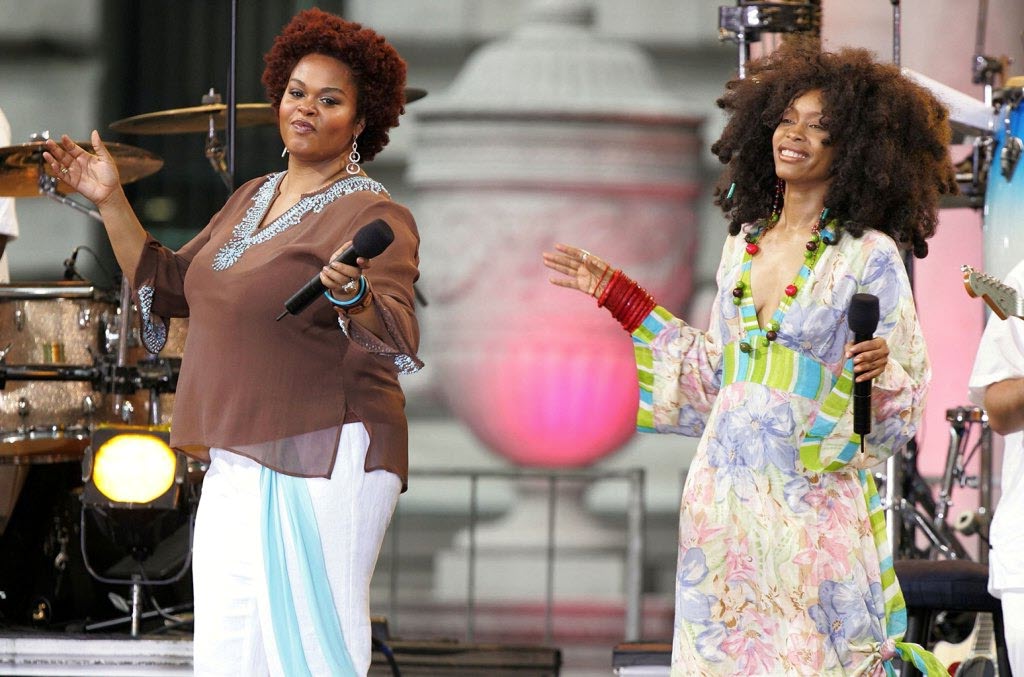
Erykah Badu, the enigmatic queen of neo-soul, has been captivating audiences since her debut in the late ’90s. Known for her sultry voice, profound lyrics, and eclectic style, Badu has carved a unique niche in the music industry, blending elements of R&B, hip-hop, and jazz. Her songs resonate deeply, often exploring themes of love, empowerment, and self-discovery, making her a beloved figure among fans and critics alike. As we dive into the top 10 most popular Erykah Badu songs of all time, we celebrate not just her musical genius but also her cultural impact. Each track on this list showcases her ability to push boundaries and innovate, offering listeners a mix of infectious grooves and thought-provoking messages. Whether you’re a longtime devotee or a newcomer to her soulful sound, get ready to groove to the rhythms that have defined an era. From soulful ballads to upbeat anthems, Badu’s discography is a treasure trove of artistry that continues to inspire. Join us as we revisit the timeless classics that have solidified Erykah Badu’s status as a musical icon and explore the magic behind her most beloved tracks.
1. On & On (1997)
When “On & On” dropped in 1997, it wasn’t just another song—it was the birth of a movement. With this track, Erykah Badu introduced herself to the world through her debut album Baduizm, and right away, she made it clear that she wasn’t here to follow trends—she was here to shape a new path. Blending soul, jazz, and hip-hop with spiritual musings and street wisdom, “On & On” captured the essence of neo-soul before most people even knew what to call it. Her velvet-smooth vocals float over a hypnotic bassline as she contemplates life’s cycles, karma, and growth with poetic flair. The lyrics feel like a riddle wrapped in rhythm—deeply introspective yet instantly accessible. “I go on and on and on and on…” isn’t just a catchy chorus—it’s a mantra for personal evolution. The track’s infectious groove pulls you in, but it’s Badu’s grounded presence and philosophical reflections that make you stay. With “On & On,” she announced her arrival not just as a singer but as a voice for a generation seeking truth, healing, and artistic freedom. Even decades later, the track feels fresh—like a late-night conversation that makes you think differently about everything.
2. Bag Lady (2003)
“Bag Lady” is one of those rare songs that speaks directly to the heart and the soul. Released in 2003 from Erykah Badu’s album Worldwide Underground, the track feels like a gentle but firm conversation between a friend and someone who needs to hear some truth. With its mellow groove and warm percussion, it lulls you into a reflective space where you can’t help but think about the emotional baggage you might be carrying. Badu sings with compassion but doesn’t sugarcoat anything—she encourages listeners to let go of pain, guilt, regret, and all the emotional weight that holds us back. The metaphor of the “bag lady” is brilliant in its simplicity: we all carry things that don’t serve us anymore. “One day, all them bags gon’ get in your way” isn’t just a lyric—it’s a life lesson. There’s healing in this song, and Badu’s delivery makes it feel like a soulful prayer wrapped in melody. It’s not just about relationships—it’s about self-love and the courage to release the past. “Bag Lady” remains a timeless reminder that freedom often starts within—and that we’re all lighter when we let go.
3. Tyrone (1997)
“Tyrone” isn’t just a song—it’s a moment. Recorded live and released in 1997, this Baduizm-era track became an instant classic, not only because of its raw energy but because of the way Erykah Badu delivers every word with sass, humor, and razor-sharp honesty. The scene is familiar: a woman fed up with a man who won’t pull his weight. But in Badu’s hands, it becomes a soulful showdown, a call-out turned anthem. With just a few instruments backing her up, she turns a simple groove into a powerful statement of independence. “You better call Tyrone… but you can’t use my phone” became a cultural catchphrase, a symbol for anyone who’s ever drawn a boundary and meant it. What makes the song iconic is how effortlessly Badu mixes wit and wisdom. Her performance is playful, but the message is serious: know your worth, demand respect, and don’t settle. Whether you’re laughing, nodding in agreement, or both, “Tyrone” hits that sweet spot between entertainment and empowerment. Even decades later, it still resonates—because let’s face it, everybody knows a “Tyrone,” and sometimes, calling him out is exactly what needs to happen.
4. Next Lifetime (1997)
“Next Lifetime” is a dreamy, introspective journey through the complicated emotions of forbidden love. Released in 1997 on Baduizm, the song explores the idea of loving someone deeply—but at the wrong time. Erykah Badu’s voice flows like honey over lush, ambient instrumentation, setting a contemplative mood that’s equal parts beautiful and bittersweet. She tells a story many can relate to: meeting someone who stirs your soul, but circumstances won’t allow the relationship to blossom. Rather than act on impulse, the narrator chooses integrity and patience, imagining a love that might only bloom in another life. The lyrics are tender, poetic, and full of restraint—proof of Badu’s gift for storytelling. It’s not about heartbreak as much as it is about hope: the belief that some connections are eternal, even if they can’t be realized in this life. “Next Lifetime” invites listeners to reflect on love, timing, and the soul’s journey. It’s a song that lingers long after it ends, making you wonder about the lives we don’t live, and the people we never forget. A spiritual love song in every sense, it captures the essence of longing in a way only Badu can.
5. Love of My Life (2002)
“Love of My Life (An Ode to Hip-Hop)” is more than just a love song—it’s a tribute. Released in 2002 from the Brown Sugar soundtrack (and often associated with Badu’s Mama’s Gun era), this collaboration with rapper Common uses the metaphor of a romantic relationship to celebrate hip-hop culture. Erykah Badu’s sultry, smooth vocals blend perfectly with Common’s thoughtful verses, creating a dialogue between two voices in perfect harmony. The beat is laid-back, the vibe nostalgic, and the message clear: hip-hop isn’t just music—it’s a first love, a lifelong companion, and a cultural anchor. Badu’s lyrics track the ups and downs of this relationship, from youthful infatuation to adult complexity, mirroring the way many fans feel about the genre. Her delivery is intimate and sincere, making the listener feel both seen and included. It’s a deeply personal yet universal track, capturing the essence of love, change, and staying grounded through it all. “Love of My Life” went on to win a Grammy—and for good reason. It’s a heartfelt reminder of the emotional power music holds and the way it shapes our lives, especially when it becomes part of our identity.
6. The Healer (2008)
“The Healer” isn’t just a track—it’s a spiritual declaration. Released in 2008 on New Amerykah Part One (4th World War), Erykah Badu uses this song to affirm something many already feel deep inside: music is medicine. From the very first beat, the song wraps around you like a ritual. The production—crafted by Madlib—is minimal yet hypnotic, pulsing with primal rhythms and mystical textures. Over this soundscape, Badu delivers a message that’s both simple and profound: “Hip-hop is bigger than the government.” She’s not exaggerating—she’s testifying. “The Healer” isn’t about charts or radio play; it’s about how sound and soul collide to create change, identity, and resistance. Badu’s voice feels like it’s coming from the core of the earth—steady, sure, and sacred. She speaks directly to the people who’ve found healing in rhythm, community in rhyme, and purpose in the beat. It’s a reminder that music isn’t just background noise—it’s a force, a teacher, and a refuge. “The Healer” is part prayer, part prophecy, and fully Badu—brilliant, bold, and beyond genre. You don’t just listen to it. You feel it in your bones.
7. Window Seat (2010)
“Window Seat” is one of Erykah Badu’s most intimate and courageous offerings. Released in 2010 from the album New Amerykah Part Two (Return of the Ankh), the track captures a deep yearning for escape—from judgment, noise, and the weight of expectation. It opens with a slow, soulful groove that mirrors the feeling of staring out a window on a long trip—lost in thought, seeking clarity. Badu’s voice is soft, almost vulnerable, as she sings about needing space to think and breathe. The message is clear: sometimes, healing requires solitude. The song gained even more attention with its controversial video, where Badu stripped down in public, symbolizing her shedding layers of societal pressure and reclaiming her identity. That visual, combined with the song’s raw honesty, turned “Window Seat” into an anthem of self-liberation. It’s not just about physical space—it’s about emotional and spiritual space too. In a world that often demands conformity, Badu dares to ask for freedom—not just for herself, but for all of us. “Window Seat” is a gentle rebellion, wrapped in melody, that invites listeners to seek truth over comfort, authenticity over approval.
8. Honey (2008)
With “Honey,” Erykah Badu delivers a delicious blend of funk, flirtation, and feel-good energy. Released in 2008 as the lead single from New Amerykah Part One (4th World War), the track is instantly infectious, driven by a bouncing bassline and smooth keyboard riffs that make you want to move. Badu’s vocals are warm and syrupy as she praises the irresistible charm of someone who’s captured her attention. The lyrics are playful and romantic, full of admiration and sweetness—she’s clearly smitten, and it shows in every word. But what elevates “Honey” beyond a typical love song is Badu’s signature creativity. The production is rich and layered, nodding to classic soul while remaining completely fresh. The music video, which cleverly recreates vintage album covers with Badu on each one, is a joyful celebration of Black musical history and visual artistry. “Honey” is flirtation done with style, love presented with groove, and soul served with sparkle. It’s light without being shallow, charming without trying too hard. In a catalog filled with deep reflections and cultural commentary, “Honey” is a radiant, radiant moment of joy—and sometimes, that’s exactly what you need.
9. Janelle Monáe (2018)
Though not a widely released single, “Janelle Monáe” stands as a glowing example of Erykah Badu’s enduring impact and her support for rising voices. Released in 2018, the track serves as both a tribute to fellow genre-bending artist Janelle Monáe and a reaffirmation of the shared values they both hold dear—artistry, authenticity, and unapologetic Black womanhood. The song flows with modern R&B elements while still staying true to Badu’s essence: smooth, wise, and daringly unique. Rather than merely name-dropping Monáe, Badu uses the track to salute individuality and the courage to break molds. In doing so, she reminds listeners that music isn’t just a sound—it’s a lineage. She’s not just passing the torch—she’s celebrating the light it carries. The lyrics are encouraging and full of quiet strength, inviting fans to embrace what makes them different and to uplift others who walk the same path. In a music industry that often pits women against each other, “Janelle Monáe” is a beautiful act of solidarity. It’s more than a song—it’s a message, a nod, and a powerful example of how artists can honor one another with love and creativity.
10. Cleva (2003)
“Cleva” is the sound of radical self-acceptance. Featured on 2003’s Worldwide Underground, the track blends a funky groove with introspective lyrics, showcasing Erykah Badu’s talent for making vulnerability sound empowering. The song opens with a laid-back rhythm that draws you in, setting the stage for a deeply personal meditation on body image, confidence, and inner strength. Badu sings with raw honesty about her perceived imperfections—her “nappy hair,” her “belly”—but instead of lamenting them, she celebrates them. The word “cleva” becomes a badge of honor, a declaration that intellect and authenticity are more valuable than surface-level beauty. It’s refreshing, even liberating, to hear a song that flips the script on insecurity and turns it into strength. The music—rich with bass, subtle keys, and a playful bounce—mirrors the message perfectly. “Cleva” feels like a mirror in song form, one that reflects not what the world wants to see, but what you need to love about yourself. Badu doesn’t just sing about self-worth—she embodies it. And in doing so, she invites her listeners to do the same. It’s soulful, real, and full of light—the kind that comes from truly owning who you are.

Edward Tomlin is a frequent contributor to Singers Room. Since 2005, Singersroom has been the voice of R&B around the world. Connect with us via social media below.









