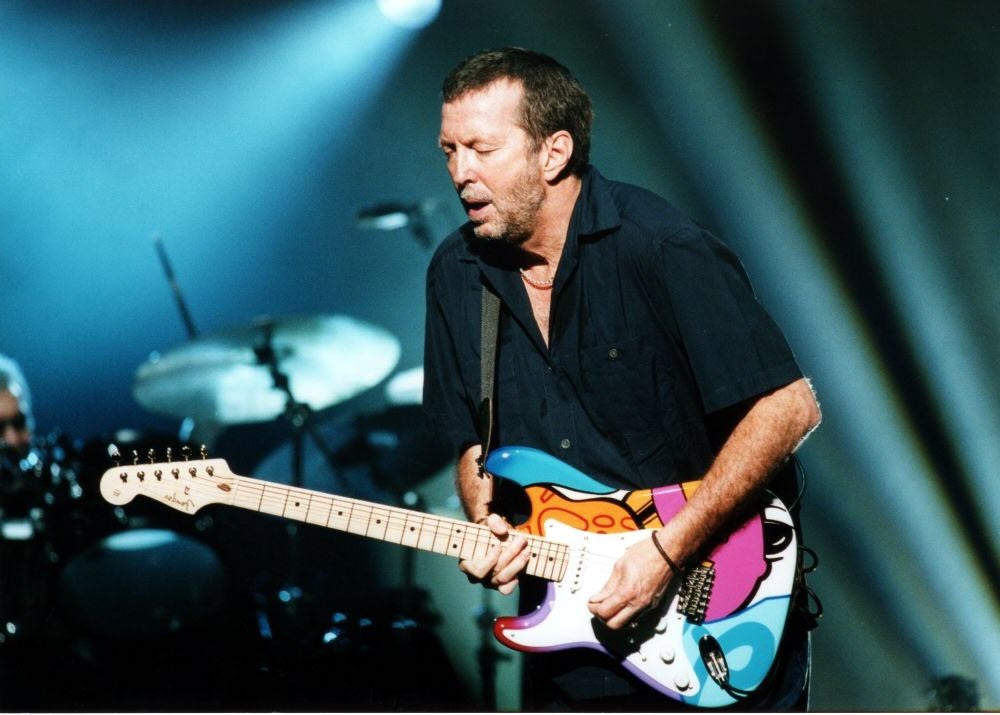
Eric Clapton, the legendary guitarist and singer-songwriter, has woven an indelible mark on the fabric of rock and blues music. With a career spanning over five decades, Clapton’s soulful voice and masterful guitar work have captivated audiences worldwide. From his early days with The Yardbirds and Cream to his iconic solo career, Clapton has produced a treasure trove of unforgettable hits that resonate with both fervent fans and casual listeners alike.
This article dives into the top 10 most popular Eric Clapton songs of all time, showcasing his incredible versatility and emotional depth. Each track tells a story, whether it’s the heart-wrenching balladry of “Tears in Heaven” or the electrifying riffs of “Layla.” Clapton’s ability to blend genres—from blues to rock to pop—has not only earned him numerous accolades but has also solidified his status as one of the greatest musicians in history.
Join us as we celebrate the timeless classics that define Clapton’s legacy, exploring the artistry behind each song and the moments that made them resonate across generations. Get ready to rediscover the magic of Eric Clapton’s music!
1. Layla (1970)
“Layla” is one of the most iconic rock songs ever recorded, capturing a storm of emotion, obsession, and unfulfilled love. Co-written by Eric Clapton and Jim Gordon and released by Derek and the Dominos, the track was inspired by Clapton’s deep and complicated feelings for Pattie Boyd, who was married to his friend George Harrison at the time. The song’s unforgettable opening riff instantly grabs you—it’s urgent, raw, and dripping with desperation. Clapton’s vocals are searing and vulnerable, laying bare the agony of longing for someone he can’t have. The song’s two-part structure is especially powerful: the first half rages with guitar-driven emotion, while the second, a beautiful piano-driven coda by Gordon, glides into a softer, melancholic reflection. Together, these parts create a full arc of heartbreak, from turmoil to acceptance. “Layla” isn’t just a song—it’s a confession, a love letter, and a rock masterpiece rolled into one. It continues to captivate listeners with its emotional depth, masterful musicianship, and unforgettable hook. Decades after its release, “Layla” remains a defining moment in Clapton’s career and one of the most powerful expressions of romantic torment in rock history.
2. Tears in Heaven (1992)
“Tears in Heaven” is perhaps Eric Clapton’s most emotionally powerful song, written in the wake of unimaginable tragedy. After the death of his four-year-old son Conor in 1991, Clapton turned to music as a way to process his grief. The result is a gentle, soul-baring ballad that speaks directly to the heartbreak of losing a loved one. The lyrics are simple yet profound, asking questions that so many who’ve faced loss can relate to: Would we still recognize each other in the afterlife? Can love transcend even death? Clapton’s voice is soft and fragile, full of sorrow and quiet strength, and the acoustic arrangement gives the song an intimate, vulnerable atmosphere. There’s a tenderness in every note—no grand theatrics, just pure emotion. “Tears in Heaven” resonated with millions around the world, offering comfort and a sense of shared sorrow. It went on to win multiple Grammy Awards, but more than that, it became a lasting symbol of healing through art. This song stands apart in Clapton’s catalog as a moment of raw humanity, reminding us of music’s incredible ability to help us mourn, remember, and move forward.
3. Wonderful Tonight (1976)
“Wonderful Tonight” is a slow-burning love ballad that has become one of the most cherished romantic songs in rock history. Written for Pattie Boyd, Clapton’s muse and longtime love interest, the song paints a picture of simple, affectionate moments shared between two people. It captures an evening spent preparing to go out, yet the focus remains entirely on how beautiful and special the woman beside him is. The song’s magic lies in its quiet sincerity—there’s no grand gesture, just a man in awe of the one he loves. Clapton’s guitar work is soft and melodic, echoing the calm devotion in his lyrics. His vocals are warm and understated, creating a sense of closeness and emotional intimacy. Over the years, “Wonderful Tonight” has become a staple at weddings and romantic occasions, treasured for its gentle expression of admiration and gratitude. It’s a reminder that love doesn’t always need fireworks—it can live in small, tender glances and thoughtful words. The song’s enduring popularity is a testament to its universal appeal and Clapton’s gift for turning personal moments into timeless music that continues to move listeners across generations.
4. Cocaine (1977)
Originally written by J.J. Cale, “Cocaine” found new life in Eric Clapton’s hands when he covered it in 1977. With its catchy riff and bold rhythm, Clapton’s version transformed the song into a staple of classic rock radio. On the surface, it might sound like a party anthem, but there’s a layered message beneath the groove. Clapton has said the song is actually a warning against drug use, using irony and repetition to highlight the dangers of addiction. The arrangement is gritty and tight, driven by a bluesy, hypnotic guitar line that perfectly matches the song’s theme of seductive danger. Clapton’s vocals are cool and commanding, giving the track an edge without being preachy. The extended solos during live performances showcase his masterful guitar technique and add an improvisational fire that fans love. “Cocaine” walks a fine line—both a commentary on a lifestyle and a compelling rock jam. It remains one of Clapton’s most performed songs, serving as a reminder of both his musical brilliance and his complex relationship with fame, temptation, and recovery. Whether taken at face value or with its deeper meaning in mind, the song continues to resonate with audiences.
5. Change the World (1996)
“Change the World,” released in 1996, is a smooth, soulful ballad that perfectly captures Eric Clapton’s softer side. Co-written by Tommy Sims, Gordon Kennedy, and Wayne Kirkpatrick, and produced by Babyface, the song blends gentle acoustic guitar with a sleek R&B arrangement, creating a sound that’s warm, inviting, and timeless. Clapton’s vocals are relaxed yet expressive, conveying a deep yearning to make a difference—not through fame or force, but through love. The lyrics speak of a quiet devotion, where the narrator would do anything to show his love, even if it meant changing the very fabric of reality. It’s romantic, heartfelt, and hopeful, with a melody that’s easy to fall into. The track became a massive success, winning three Grammy Awards including Record of the Year, and helped introduce Clapton to a new generation of listeners. “Change the World” stands out for its elegant simplicity and emotional depth, proving that Clapton could excel beyond blues and rock into the world of polished adult contemporary. It’s a love song with a big heart, wrapped in a melody that continues to inspire dreams of connection and transformation through love.
6. I Shot the Sheriff (1974)
Eric Clapton’s version of “I Shot the Sheriff,” released in 1974, brought reggae to the forefront of mainstream rock and introduced Bob Marley’s songwriting to a global audience. While the original by Marley and The Wailers was rooted in Jamaican rhythm and political undertones, Clapton reimagined the track with his own bluesy touch. The result is a hypnotic blend of reggae’s offbeat rhythm with Clapton’s smooth guitar lines and signature vocal delivery. Clapton keeps the essence of the original but infuses it with a laid-back groove that gave the song a fresh identity. Lyrically, it tells the story of a man proclaiming his innocence, insisting he killed the sheriff but not the deputy—a narrative rich with themes of justice, persecution, and rebellion. Clapton’s version topped the Billboard Hot 100, marking a pivotal moment in his career and cementing the song’s place in music history. It also demonstrated his versatility as an artist capable of transcending genres without losing his authenticity. “I Shot the Sheriff” remains a highlight in Clapton’s live performances, where it continues to strike a chord with audiences worldwide for its compelling story, infectious rhythm, and powerful cultural crossover.
7. Bell Bottom Blues (1970)
“Bell Bottom Blues,” one of the standout tracks from Derek and the Dominos’ *Layla and Other Assorted Love Songs*, is a raw and deeply personal expression of heartache. Written by Eric Clapton, the song reflects his painful longing for Pattie Boyd, the woman he loved from afar. The lyrics are emotionally exposed, pleading for love and recognition from someone who may never return his feelings. Clapton’s voice is filled with desperation and vulnerability, and the guitar work is equally emotive—bluesy, aching, and soulful. Unlike the fiery energy of “Layla,” “Bell Bottom Blues” takes a slower, more mournful path, capturing the quiet suffering of unrequited love. The title references the bell-bottom jeans Boyd wore, turning an ordinary image into a symbol of romantic obsession. What makes the song resonate is its honesty; there’s no bravado, just the pain of someone grappling with rejection and helpless hope. It’s a classic example of Clapton’s ability to channel real emotions into his music, creating something both intensely personal and universally relatable. Over time, “Bell Bottom Blues” has grown in stature, recognized not just as a great love song, but as one of Clapton’s most emotionally revealing performances.
8. Crossroads (1969)
Eric Clapton’s explosive version of “Crossroads” is a defining moment in blues-rock history. Originally written and recorded by the legendary Robert Johnson, the song is steeped in myth, symbolizing a man at a spiritual and moral crossroads. Clapton’s take on the track, especially in the live version performed with Cream, transforms it into a high-octane rock anthem. The tempo is faster, the guitar work blistering, and the energy through the roof. Clapton’s solos on this track are some of his most iconic—fast, furious, and technically stunning, while still emotionally charged. Vocally, he captures the urgency of the lyrics, singing like a man desperate for direction and redemption. The “Crossroads” theme resonates deeply with listeners, representing those pivotal moments in life when we must make hard choices. It’s not just a blues song—it’s a spiritual struggle set to music. Clapton’s rendition not only paid tribute to Robert Johnson but also brought his influence to a new generation of rock fans. “Crossroads” remains a staple in Clapton’s live performances, showcasing his roots in blues while affirming his place among rock’s guitar legends. It’s fast, fierce, and unforgettable.
9. After Midnight (1970)
“After Midnight,” originally written by J.J. Cale, was one of the first major hits of Eric Clapton’s solo career and helped establish his signature laid-back style. Released in 1970, Clapton’s version captures the carefree, spontaneous vibe of late-night adventures and unfiltered joy. The groove is infectious, driven by a slinky guitar riff, a lively rhythm section, and Clapton’s relaxed but charismatic vocals. There’s a playful energy in the air—this is a song about cutting loose, staying up late, and living in the moment. While the lyrics don’t overthink things, they perfectly encapsulate the thrill of freedom and rebellion, especially when the sun goes down and anything feels possible. Clapton’s interpretation adds polish without losing the song’s original charm, introducing his bluesy flair and smooth tone. This track helped bridge Clapton’s roots in blues with a more radio-friendly sound, making it a fan favorite and a live staple. “After Midnight” isn’t just about a time of night—it’s a mindset, a celebration of impulsiveness and joy. Whether you’re out dancing or just cruising with the windows down, this song still makes you feel like the night is yours to conquer.
10. My Father’s Eyes (1998)
“My Father’s Eyes” is one of the most introspective and deeply emotional songs in Eric Clapton’s catalog. Released in 1998 on his album *Pilgrim*, the song reflects Clapton’s search for identity and connection, drawing on the pain of never knowing his father and the devastating loss of his son Conor. The lyrics are reflective and tender, with Clapton contemplating what it means to see himself and his son through the eyes of a man he never met. It’s about the legacies we inherit, the ones we pass on, and the spiritual thread that binds us across generations. The music is lush and atmospheric, with a restrained yet emotional arrangement that allows the lyrics to take center stage. Clapton’s voice carries a quiet strength—mature, sorrowful, and full of grace. “My Father’s Eyes” isn’t just a personal tribute; it’s a song about all the ways we seek to understand ourselves through family, loss, and memory. It resonated with many listeners who found healing in its honesty and depth. The track went on to win a Grammy Award, and it remains a moving testament to Clapton’s ability to turn personal pain into powerful, meaningful art.

Edward Tomlin is a frequent contributor to Singers Room. Since 2005, Singersroom has been the voice of R&B around the world. Connect with us via social media below.









