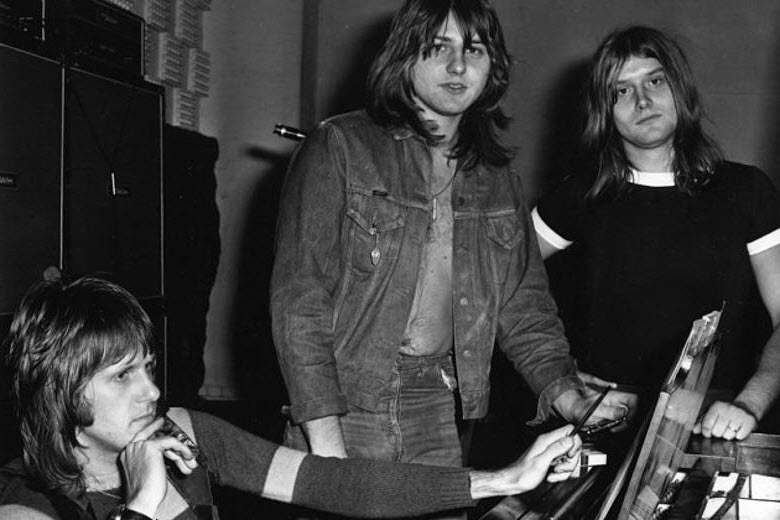
In the pantheon of progressive rock, few bands have left as indelible a mark as Emerson, Lake & Palmer. Formed in the early 1970s, this iconic trio—comprising the virtuoso keyboardist Keith Emerson, the soulful bassist and vocalist Greg Lake, and the dynamic drummer Carl Palmer—pushed the boundaries of music, blending classical influences with rock’s raw energy. Their experimental soundscapes and ambitious compositions captivated audiences and set the stage for a genre that continues to inspire musicians today.
As we delve into the top 10 most popular Emerson, Lake & Palmer songs of all time, prepare to embark on a sonic adventure through epic symphonies, infectious melodies, and thought-provoking lyrics. From the thunderous rhythms of “Karn Evil 9” to the haunting beauty of “Lucky Man,” each track reflects the band’s unparalleled creativity and technical prowess. Whether you’re a lifelong fan or a newcomer eager to discover their brilliance, this countdown promises to reignite your passion for one of rock’s most innovative groups. Join us as we celebrate the legendary music that has left an enduring legacy and continues to resonate with fans across generations!
1. Lucky Man (1970)
“Lucky Man” stands out as one of Emerson, Lake & Palmer’s most emotionally resonant and accessible tracks. Originally written by Greg Lake when he was just 12 years old, the song found a home on the band’s self-titled debut album and has since become one of their most iconic works. Lyrically, it tells the story of a man who had everything—wealth, power, and admiration—yet meets a tragic and ironic end. Its narrative feels timeless, drawing on themes of mortality and the fleeting nature of fortune. Musically, the song is relatively simple in structure but rich in feeling, beginning with Lake’s gentle acoustic guitar and melancholic voice. The most memorable element, however, is Keith Emerson’s groundbreaking Moog synthesizer solo that closes the track. At the time, it was revolutionary—an eerie, space-age sound that elevated the song into something entirely new and unforgettable. “Lucky Man” was a surprise hit and helped introduce many listeners to the band’s signature blend of progressive rock with classical and electronic textures. It remains a concert staple and a fan favorite, embodying both the melodic beauty and experimental edge that made ELP pioneers in the genre.
2. Karn Evil 9 (1973)
“Karn Evil 9” is perhaps Emerson, Lake & Palmer’s most ambitious composition, and a landmark achievement in progressive rock. Spanning nearly 30 minutes, this epic track from the album Brain Salad Surgery is divided into three “Impressions,” each exploring different themes within a dystopian, futuristic narrative. The first part, often known by the line “Welcome back my friends to the show that never ends,” is a theatrical burst of energy and spectacle, critiquing the excess and absurdity of modern entertainment. The second impression veers into complex jazz-fusion instrumentals, highlighting Keith Emerson’s virtuosic keyboard work and Carl Palmer’s dazzling drumming. The third impression is the climax—a sci-fi tale of man versus machine, full of drama and technical brilliance. The suite as a whole combines elaborate musical structures, lyrical depth, and mind-bending instrumental passages that push the boundaries of what rock music can be. “Karn Evil 9” is not just a song; it’s an experience—a journey through sound and storytelling that remains a defining masterpiece in ELP’s catalog and a testament to their fearless creativity.
3. From the Beginning (1972)
“From the Beginning” is one of ELP’s most introspective and beautifully understated songs. Released on the album Trilogy (not Pictures at an Exhibition), this track showcases a softer, more emotional side of the band. Greg Lake’s gentle acoustic guitar and soulful vocals take center stage, offering a reflection on love, vulnerability, and missed chances. The lyrics are direct and heartfelt, resonating with listeners who have experienced the quiet complexities of relationships and personal longing. Emerson adds subtle synthesizer textures that swirl in the background, giving the song a dreamy, almost haunting quality without overpowering the delicate arrangement. The beauty of “From the Beginning” lies in its simplicity. It strips away the usual bombast ELP is known for and instead delivers a song that’s raw, honest, and emotionally accessible. This contrast is part of why the track stands out so vividly in the band’s repertoire. It has endured over the decades as a fan favorite, not for its technical wizardry, but for the way it connects on a human level. It’s a shining example of ELP’s versatility and Greg Lake’s gift for writing timeless, melodic songs.
4. Fanfare for the Common Man (1977)
“Fanfare for the Common Man” is one of the boldest examples of how ELP fused rock with classical music to create something entirely their own. Based on the iconic 1942 composition by American composer Aaron Copland, ELP’s version reimagines the piece with electric vigor and larger-than-life ambition. Released on their album Works Volume 1, the track opens with a powerful, almost cinematic brass-like synthesizer statement by Keith Emerson. It then unfolds into a sprawling instrumental that mixes classical grandeur with progressive rock edge. Carl Palmer’s thunderous drums and Greg Lake’s steady bass ground the composition, while Emerson’s expansive keyboard improvisations take it to the stratosphere. The piece retains the dignity and democratic spirit of Copland’s original, while injecting it with new energy that reflects the band’s love for pushing musical boundaries. ELP’s rendition was embraced widely, even charting in the UK, and it became a rallying anthem for sporting events and public celebrations. More than just a cover, “Fanfare for the Common Man” is a triumphant tribute to the power of ordinary people and a shining example of ELP’s visionary approach to genre-blending.
5. Still… You Turn Me On (1973)
“Still… You Turn Me On” is a delicate, romantic ballad tucked within the grand scale of Brain Salad Surgery, offering a moment of quiet reflection amidst the album’s sweeping intensity. Written and sung by Greg Lake, the song showcases his knack for writing emotionally resonant melodies paired with introspective lyrics. The phrase “You turn me on” is both a statement of love and vulnerability, capturing the essence of longing and devotion in its most human form. The arrangement is sparse but deeply atmospheric—featuring gentle acoustic guitar, light percussion, and subtle touches of Emerson’s keyboards that swirl like whispers in the background. Lake’s voice carries the song with a tender sincerity that makes it feel personal and timeless. Though it was never released as a single, fans embraced the track as one of ELP’s most heartfelt pieces. It remains a favorite at acoustic performances and compilations, often seen as Greg Lake’s love letter to the softer side of progressive rock. “Still… You Turn Me On” proves that even in a band known for technical fireworks, simplicity and genuine emotion can steal the show.
6. Knife-Edge (1970)
https://www.youtube.com/watch?v=TQQdYokbp4E&pp=ygUSIEtuaWZlLUVkZ2UgKDE5NzAp
“Knife-Edge” is one of the standout tracks from Emerson, Lake & Palmer’s debut album, and it perfectly encapsulates the band’s early sound—bold, aggressive, and rich with classical influences. Built around a menacing, march-like rhythm, the song creates a feeling of tension and urgency that reflects its title. The lyrics speak of a precarious world on the brink of collapse, touching on themes of chaos, survival, and existential dread. The song’s dramatic tone is heightened by Keith Emerson’s use of classical motifs—specifically borrowing from works by Leoš Janáček and J.S. Bach—and blending them seamlessly with roaring Hammond organ and pounding drums. Greg Lake’s voice carries a sense of foreboding, giving weight to every line. “Knife-Edge” is a prime example of ELP’s ability to create music that is both intellectually stimulating and emotionally gripping. It helped define their identity early on as a band unafraid to take risks, merging the sophistication of classical music with the raw energy of rock. Over the years, the track has remained a favorite among fans for its dark atmosphere and fiery instrumental interplay.
7. Hoedown (1972)
“Hoedown” is one of Emerson, Lake & Palmer’s most exhilarating instrumental pieces, brimming with energy, wit, and technical fireworks. Adapted from Aaron Copland’s Rodeo, the band’s interpretation transforms the original orchestral suite into a high-octane rock spectacle. Featured on the album Trilogy, “Hoedown” bursts out of the gate with a whirlwind of synthesizers, organ riffs, and percussive flair. Keith Emerson’s mastery of the keyboard is front and center, as he reimagines Copland’s playful melodies with lightning-fast runs and bold electronic textures. Carl Palmer’s drumming is crisp and frenetic, keeping the tempo soaring, while Greg Lake’s bass provides the rhythmic foundation. The result is a joyous blend of Americana and prog rock that makes classical music feel anything but stuffy. “Hoedown” quickly became a fan favorite and a highlight of ELP’s live shows, where its raucous energy and jaw-dropping musicianship always left audiences thrilled. It’s a track that shows how much fun the band could have while still showcasing their technical brilliance, and it remains one of the most infectious examples of classical crossover done right.
8. Toccata (1972)
“Toccata” is one of Emerson, Lake & Palmer’s most daring and avant-garde creations. Taken from Brain Salad Surgery, the track is an adaptation of the 20th-century Argentine composer Alberto Ginastera’s Toccata Concertata. What sets this version apart is not just its faithful homage to the original, but the way ELP injects it with a sense of mechanical fury and sci-fi surrealism. The song opens with a series of jarring, aggressive rhythms and discordant harmonies that immediately challenge the listener. Keith Emerson’s use of synthesizers creates an eerie, almost robotic atmosphere, while Carl Palmer employs an arsenal of percussion—sometimes even using electronic drums and sound effects—to give the piece a cinematic quality. There are no vocals; instead, the instruments engage in a conversation of tension and release, chaos and control. “Toccata” is not an easy listen, but that’s what makes it so thrilling. It’s a bold artistic statement, demonstrating how ELP could not only reinterpret classical music but also redefine the very boundaries of rock. To this day, it stands as a testament to their fearless creativity and technical mastery.
9. Jeremy Bender (1973)
“Jeremy Bender” is a quirky, fun-loving song that offers a refreshing change of pace in the often serious world of progressive rock. First appearing on the album Tarkus and later revisited in a medley on Brain Salad Surgery, the track tells the oddball tale of its titular character in a light-hearted, almost vaudevillian style. The music is rooted in honky-tonk piano and ragtime rhythms, showing off Keith Emerson’s flair for vintage styles with a tongue-in-cheek twist. Greg Lake’s vocals are playful and full of personality, perfectly complementing the song’s humorous lyrics. Though it may seem like a novelty on the surface, “Jeremy Bender” reveals the band’s ability to not take themselves too seriously, even as virtuosos. It also highlights their musical range—venturing beyond the grandiose and into the whimsical. The song’s brevity and charm have earned it a place as a cult favorite among fans, especially those who appreciate ELP’s more humorous and experimental side. It proves that, beneath all the technical prowess and philosophical themes, the band still had a good sense of humor and a deep love for all forms of music.
10. The Curse of the Mummy (1977)
Though not as widely known as some of their earlier work, “The Curse of the Mummy” from Works Volume 1 is a richly atmospheric piece that highlights ELP’s flair for dramatic storytelling. With a title that immediately conjures images of ancient tombs and long-buried secrets, the song delivers a theatrical journey steeped in mystery and cinematic flair. Keith Emerson’s keyboard wizardry sets the tone with exotic scales and eerie motifs that evoke the feeling of wandering through ancient Egyptian ruins. Greg Lake’s vocals narrate the tale with gravitas, while Carl Palmer’s percussion adds layers of tension and suspense. The instrumentation is lush and sweeping, moving through moments of quiet unease to thunderous climaxes that mimic the rise of an ancient curse. Though fictional in subject, the song reflects ELP’s love for grand narratives and their ability to turn music into an immersive experience. “The Curse of the Mummy” may not be their most famous track, but it exemplifies their artistic ambition and storytelling prowess—proving once again that ELP was as much about imagination and atmosphere as they were about technical skill.

Edward Tomlin is a frequent contributor to Singers Room. Since 2005, Singersroom has been the voice of R&B around the world. Connect with us via social media below.









