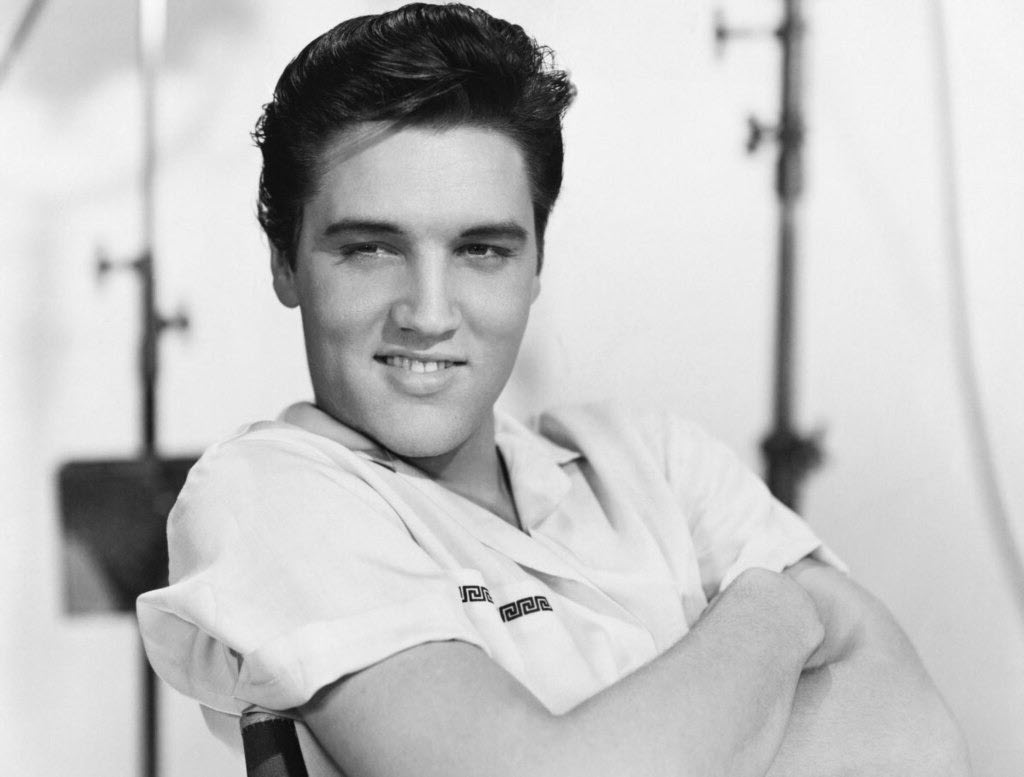
There’s a reason they call him the King. Elvis Presley didn’t just sing songs—he electrified the world with every note, hip shake, and unforgettable lyric. From the moment he burst onto the scene in the 1950s, Elvis redefined music, style, and celebrity. His voice could melt hearts or ignite a dance floor, and his presence was nothing short of magnetic. Over the decades, his songs have become more than hits—they’re part of the fabric of American culture. Whether you’re a lifelong fan or just discovering the magic of Elvis for the first time, these iconic tracks represent the best of what made him a legend. From sultry ballads to explosive rock anthems, each song on this list captures a different side of the man who changed music forever. So crank up the volume, slick back your hair, and get ready to dive into the top 10 most popular Elvis Presley songs of all time—each one a timeless reminder that when Elvis sang, the world listened.
1. “Can’t Help Falling in Love” (1961)
Few love songs have stood the test of time quite like Elvis Presley’s “Can’t Help Falling in Love.” Released in 1961 as part of the Blue Hawaii soundtrack, the song was adapted from the 18th-century French classic “Plaisir d’amour,” but Elvis made it wholly his own. From the moment his rich, velvety baritone delivers the opening line—”Wise men say only fools rush in”—listeners are swept into a world of devotion and tenderness. The gentle, lullaby-like melody and elegant orchestration bring a sense of timeless romance, and Elvis’s performance is both intimate and powerful. Though it peaked at No. 2 on the Billboard Hot 100, the song’s true impact can’t be measured in chart positions. It became a wedding staple, a cultural touchstone, and a musical goodbye Elvis would often use to close his concerts in the 1970s. Over the decades, the song has been covered by countless artists, including UB40’s reggae version and Andrea Bocelli’s operatic rendition—each proving its universal appeal. What makes “Can’t Help Falling in Love” so enduring is its sincerity and simplicity. It’s more than a love song—it’s an emotional experience that continues to resonate across generations.
2. “Jailhouse Rock” (1957)
“Jailhouse Rock” didn’t just shake up the charts in 1957—it helped define the rebellious spirit of rock and roll. Written by the powerhouse duo Jerry Leiber and Mike Stoller, the song was tailor-made for Elvis Presley’s swagger, charisma, and electrifying stage presence. The lyrics paint a cheeky picture of a swinging party inside a prison, but beneath the playful imagery is a bold celebration of youthful freedom and nonconformity. Musically, it bursts with energy—booming drums, raucous guitar licks, and Elvis’s dynamic vocals, which perfectly blend grit and charm. It topped the Billboard Hot 100 and became the centerpiece of Elvis’s third film, also titled Jailhouse Rock. The accompanying choreographed dance number, created by Alex Romero, broke new ground in musical cinema and is still considered one of the most iconic performances of Elvis’s career. “Jailhouse Rock” wasn’t just a song—it was a revolution in three minutes, encapsulating the wild spirit of a generation eager to shake off post-war conformity. Today, it’s hailed as one of the greatest rock songs of all time and a shining example of Elvis at his untamed best.
3. “Hound Dog” (1956)
When Elvis Presley released “Hound Dog” in 1956, he wasn’t just releasing a hit—he was sparking a cultural earthquake. Originally recorded by blues legend Big Mama Thornton in 1952, the song took on a new life with Elvis’s high-octane rendition. His version was faster, louder, and more provocative, underpinned by Scotty Moore’s razor-sharp guitar and DJ Fontana’s pounding drums. Elvis’s snarl and swagger turned it into an anthem of teenage rebellion, and his scandalous TV performances—complete with hip gyrations that outraged many—only fueled its popularity. “Hound Dog” didn’t just top the charts; it dominated them, spending 11 weeks at No. 1 on the Billboard pop chart—an unheard-of achievement at the time. Beyond the numbers, the song marked a shift in American music and culture. It blurred racial boundaries, challenged conservative norms, and helped usher in the rock and roll era with unapologetic force. More than six decades later, “Hound Dog” still crackles with energy and attitude. It’s a defining track in Elvis’s legacy and a landmark moment in the history of rock music.
4. “Love Me Tender” (1956)
“Love Me Tender” showed a different side of Elvis Presley—the gentle crooner capable of melting hearts with a single note. Released in 1956 alongside his acting debut in the film of the same name, the song was adapted from the Civil War ballad “Aura Lee” with new romantic lyrics added. Unlike the rockabilly fire of his earlier hits, “Love Me Tender” is stripped down and delicate, carried by acoustic guitar and Elvis’s soft, sincere vocals. Its emotional honesty connected deeply with listeners, and the song shot to No. 1 on the Billboard charts even before its official release, thanks to overwhelming advance orders. It marked Elvis’s transition from rebellious rock star to multifaceted entertainer, capable of winning over fans of all ages. The success of “Love Me Tender” helped broaden his appeal and showcased his range as both a singer and an actor. Decades later, the song remains a staple on romantic playlists and a favorite among fans. It’s a tender reminder that Elvis wasn’t just about swagger and style—he was also a master of heartfelt simplicity.
5. “Heartbreak Hotel” (1956)
“Heartbreak Hotel” was the track that announced Elvis Presley as a force to be reckoned with. Inspired by a tragic newspaper article about a man’s suicide, the song’s somber lyrics and haunting atmosphere broke from the upbeat rock norm. With its echo-drenched vocals, mournful piano by Floyd Cramer, and sparse, bluesy arrangement, the song created an emotional landscape that felt raw and real. Released in January 1956, it was Elvis’s first single with RCA and became his breakout national hit, topping not just the pop chart but the country and R&B charts as well—a rare trifecta. The track’s moody tone and dark storytelling revealed a depth that many weren’t expecting from a rock and roll newcomer. It was proof that Elvis could deliver more than catchy tunes—he could tap into real pain and emotion. “Heartbreak Hotel” wasn’t just a hit; it was a statement. It opened the door for more complex themes in rock music and helped shape Elvis’s image as a serious, genre-defying artist.
6. “Suspicious Minds” (1969)
“Suspicious Minds” marked a powerful resurgence for Elvis Presley in 1969, proving that the King still reigned supreme. After a period of formulaic movie roles and less impactful soundtracks, Elvis returned to form with this emotionally charged anthem, written by Mark James and recorded at American Sound Studio in Memphis. The song tells the story of a couple torn apart by mistrust and doubt, and Elvis pours every ounce of soul into his performance. His vocals are impassioned, rising and falling with the song’s dramatic crescendos. The arrangement builds tension with layered harmonies, a driving rhythm, and swelling instrumentation that mirrors the song’s emotional turbulence. “Suspicious Minds” hit No. 1 on the Billboard Hot 100, becoming Elvis’s first chart-topper in seven years. It signaled not only a musical comeback but a renewed creative energy. The song’s success revitalized his career and helped launch his celebrated Vegas era. More than just a hit, “Suspicious Minds” remains one of the most emotionally compelling songs in his catalog—a testament to his enduring talent and the timeless relevance of his voice.
7. “All Shook Up” (1957)
“All Shook Up,” released in 1957, captured Elvis Presley at his most exuberant and charismatic. Written by Otis Blackwell, with Elvis himself contributing to the lyrics, the song is a whirlwind of jittery energy and playful emotion. Driven by a bouncy piano line and crisp rockabilly guitar, the track mimics the physical feeling of being overwhelmed by love—restless, excited, and just a little bit dizzy. Elvis’s unique vocal hiccups and bright delivery gave the song its signature charm, turning it into an instant classic. It rocketed to No. 1 on the Billboard Hot 100 and stayed there for eight consecutive weeks, becoming the biggest hit of 1957. “All Shook Up” wasn’t just a radio favorite; it was a cultural phenomenon, capturing the heady excitement of young love and the spirit of a generation that was ready to dance and defy expectations. It’s a song that never loses its spark, still infectious and joyous decades later. For many fans, it’s the quintessential Elvis track—lighthearted, full of swagger, and bursting with irresistible charm.
8. “Blue Suede Shoes” (1956)
Although Carl Perkins originally wrote and recorded “Blue Suede Shoes,” it was Elvis Presley’s fiery 1956 cover that turned the track into a rock and roll staple. Recorded shortly after Elvis signed with RCA, his version injected new life into the song with a faster tempo, sharper instrumentation, and an attitude that practically leapt from the speakers. The lyrics—warning others not to step on his prized footwear—might seem simple, but they resonated as a cheeky declaration of personal pride and independence. Elvis’s delivery was electric, full of confidence and cool, backed by a tight rhythm section that added urgency and bite. His live TV performances of the song helped catapult it into the mainstream and further established him as a rock pioneer. “Blue Suede Shoes” wasn’t just a fun dance number—it became a symbol of youthful rebellion and individuality. The song’s success helped bridge the gap between R&B and pop, further legitimizing rock and roll as a serious musical force. Even today, it remains one of the defining songs of Elvis’s early career and a cornerstone of rock’s golden era.
9. “Are You Lonesome Tonight?” (1960)
Released in 1960, “Are You Lonesome Tonight?” unveiled Elvis Presley’s dramatic, emotionally rich side. Originally penned in 1926, the ballad was revived at the suggestion of Elvis’s manager, Colonel Tom Parker, who wanted to tap into more sentimental material. What resulted was one of the most haunting and heartfelt performances of Elvis’s career. The arrangement is sparse—just gentle guitar, soft backing vocals, and subtle strings—giving full focus to Elvis’s tender voice. The spoken-word bridge, delivered like a monologue, adds a theatrical touch that makes the song even more personal. “Are You Lonesome Tonight?” soared to No. 1 on the Billboard Hot 100 and became one of Elvis’s most enduring ballads. Its emotional resonance continues to strike a chord, conveying themes of loneliness, regret, and vulnerability. While some live performances are remembered for Elvis’s occasional mid-song laughter, the studio version remains a masterclass in emotional subtlety. It’s a reminder that beyond the jumpsuits and stage lights, Elvis was an artist capable of delivering true emotional depth.
10. “Burning Love” (1972)
“Burning Love,” released in 1972, was a late-career jolt of pure rock and roll adrenaline for Elvis Presley. Written by Dennis Linde and originally recorded by Arthur Alexander, the song didn’t fully ignite until Elvis took it on. From the first scorching guitar riff to the unforgettable shout of “Hunka hunka burnin’ love,” the track is an all-out explosion of sound and energy. With its driving beat, gospel-style backing vocals, and searing instrumental layers, “Burning Love” captured the raw intensity that made Elvis a legend. It peaked at No. 2 on the Billboard Hot 100, becoming his biggest hit in years and the last to reach the Top 10 during his lifetime. The song’s success proved that even in the 1970s, Elvis could still rock with the best of them. “Burning Love” was more than just a hit single—it was a defiant roar from a performer who refused to fade quietly. It reestablished Elvis’s rock credentials and reminded the world that the fire still burned bright. It remains one of the most exhilarating entries in his catalog and a thrilling listen to this day.

Samuel Moore is a frequent contributor to Singers Room. Since 2005, Singersroom has been the voice of R&B around the world. Connect with us via social media below.









