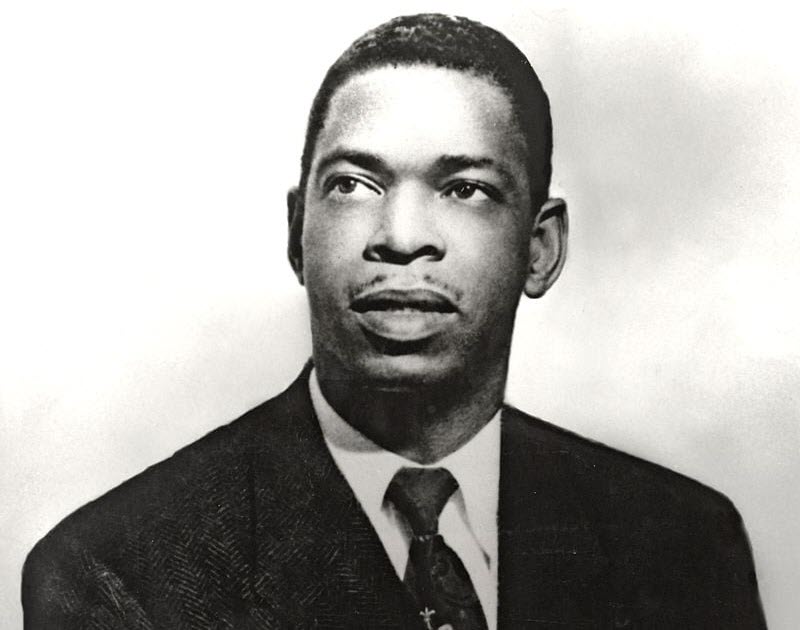
Elmore James, often hailed as the “King of the Slide Guitar,” revolutionized the blues genre with his electrifying style and soulful sound. His music, characterized by passionate vocals and masterful slide guitar riffs, has left an indelible mark on the world of blues and rock alike. As we delve into the top 10 most popular Elmore James songs of all time, prepare to be transported through a sonic landscape where raw emotion meets technical brilliance. From heart-wrenching ballads to energetic anthems, each track showcases James’s unique ability to convey deep feelings through his artistry. His influence can be heard in the works of countless musicians who followed in his footsteps, making his legacy not just enduring but ever-growing. Whether you’re a lifelong fan or new to his sounds, this list promises a thrilling exploration of Elmore James’s greatest hits. Get ready to rediscover the timeless tunes that continue to resonate with audiences today, and understand why this blues legend remains a pivotal figure in music history. Let’s turn up the volume and celebrate the songs that have solidified Elmore James’s place in the pantheon of musical greatness!
1. Dust My Broom (1951)
Released in 1951, “Dust My Broom” is not just a blues classic—it’s a landmark moment in the history of electric guitar. Elmore James took Robert Johnson’s original version and turned it into a fiery, unforgettable anthem with his signature slide guitar style. That piercing opening riff, now legendary, marked the arrival of a bold new voice in the blues world. The song tells the story of a man walking away from heartbreak, ready to leave his troubles behind and start anew. There’s defiance in the rhythm and sorrow in the lyrics, capturing the emotional push and pull that defines so much of the blues. James’ gritty vocals and impassioned delivery make every line feel personal and real. “Dust My Broom” became a template for generations of blues and rock musicians, influencing icons from B.B. King to Eric Clapton. It’s a song that doesn’t just play—it echoes through time, embodying both the pain of love gone wrong and the freedom of moving on. To this day, it remains one of the most recognizable and respected songs in blues history.
2. The Sky Is Crying (1959)
“The Sky Is Crying,” released in 1959, is a heart-wrenching blues ballad that stands among Elmore James’ most iconic recordings. From the very first note, James’ mournful slide guitar seems to weep, perfectly mirroring the sorrow in his voice. The lyrics paint a poetic picture of grief and longing—using the imagery of a crying sky to reflect the inner turmoil of a broken heart. There’s something timeless about the way he blends pain with beauty, turning heartbreak into something hauntingly soulful. James’ guitar phrasing is slow, deliberate, and emotional, allowing every bend and slide to breathe. The song is a masterclass in restraint and feeling, showing that sometimes less is more. “The Sky Is Crying” has since become a staple in the blues canon, covered by legends like Stevie Ray Vaughan and Gary Moore. But no version quite captures the raw vulnerability of the original. It’s more than just a song—it’s a lament, a slow cry into the night that echoes the bluesman’s weary heart. Elmore James didn’t just sing the blues here; he lived them.
3. Shake Your Moneymaker (1961)
With “Shake Your Moneymaker,” released in 1961, Elmore James delivers an energetic, feel-good slice of blues that’s impossible to ignore. The song’s fast tempo, raucous slide guitar, and infectious rhythm make it one of the most danceable tracks in his catalog. Unlike the melancholy themes often found in the blues, this song is pure fun—full of life, movement, and flirtation. James invites the listener into a carefree world where the worries of life can be shaken off, if only for a few minutes. His voice has a gleeful edge, and the rollicking rhythm section gives the track a rock ’n’ roll energy that helped bridge the gap between traditional blues and the coming rock explosion. “Shake Your Moneymaker” has endured through decades, covered by everyone from Fleetwood Mac to the Black Crowes, and remains a party staple. It’s proof that Elmore James wasn’t just a master of heartbreak—he also knew how to get people dancing. With its irresistible groove and magnetic charm, this song still turns heads and moves feet more than 60 years later.
4. It Hurts Me Too (1959)
“It Hurts Me Too,” recorded by Elmore James in 1959, is one of the most emotionally resonant blues songs of its era. With his signature slide guitar gliding alongside heartfelt lyrics, James delivers a performance that aches with empathy. The song tells the story of someone watching a loved one suffer at the hands of another, and feeling that pain as if it were their own. It’s a quiet kind of agony—an emotional burden carried not for oneself, but for someone else. James’ vocal delivery is full of sincerity, and each guitar note seems to tremble under the weight of longing and helplessness. The song’s slow tempo allows the emotion to simmer, giving listeners time to absorb the heartbreak in every verse. Over the years, this track has become a blues standard, covered by artists like Eric Clapton and Bonnie Raitt, but the raw emotion of Elmore James’ version remains unmatched. “It Hurts Me Too” isn’t just about romantic loss—it’s about compassion, sacrifice, and the ache of watching someone you love go through pain. It’s one of James’ most touching and enduring works.
5. Talk to Me Baby (1960)
Released in 1960, “Talk to Me Baby” is a punchy, upbeat blues number that brings together fiery guitar riffs, swinging rhythms, and Elmore James’ commanding vocal presence. Sometimes known by its alternate title, “I Can’t Hold Out,” the song is a plea for communication in the midst of emotional turmoil. James, full of urgency, begs his lover to speak her truth—because silence, in the world of love and heartbreak, can be deafening. His slide guitar work crackles with energy, responding to each lyrical line like a second voice in the conversation. The track has a raw, spontaneous feel that mirrors the emotional volatility of relationships. James’ blend of blues grit and melodic hooks creates a song that feels both passionate and accessible. “Talk to Me Baby” is less about polished perfection and more about capturing the electricity of a moment, which is exactly what makes it so powerful. Whether it’s the tension in the lyrics or the vibrant shuffle of the band behind him, the song is alive with emotion. It’s Elmore James at his most direct—gritty, emotional, and undeniably compelling.
6. Rollin’ and Tumblin’ (1950)
“Rollin’ and Tumblin’,” recorded by Elmore James in 1950, is a high-octane blues track that captures the restless spirit of heartbreak and survival. Based on an older Delta blues standard, James injects the song with his unmistakable slide guitar style and a sense of urgency that grabs the listener from the very first note. The title itself evokes constant motion—rolling through pain, tumbling through life—and the song delivers exactly that. With raw, stomping rhythms and vocals that sound as if they were shouted from the edge of a storm, James makes you feel every twist of emotional chaos. This isn’t the blues of quiet sorrow—it’s the blues of wild unrest, of needing to move to escape the weight of it all. The lyrics are simple, almost primal, but paired with Elmore’s gritty delivery and electric guitar, they gain a visceral power. “Rollin’ and Tumblin’” became a blueprint for future blues and rock artists, influencing everyone from Cream to Bob Dylan. It’s a track that feels alive, constantly surging forward, refusing to sit still. Even today, it remains a furious and unforgettable expression of heartache and drive.
7. I Believe (1960)
Released in 1960, “I Believe” shows a more tender, almost spiritual side of Elmore James. While many of his songs dwell on heartache or passion, this track carries a hopeful tone, anchored in the conviction that love—despite its struggles—is worth holding onto. James sings with sincerity, his voice gentler than usual, yet still packed with feeling. His slide guitar work here is less fiery and more melodic, weaving a calm, reassuring backdrop to the lyrics. You can hear hints of gospel influence in both the structure and tone, giving the song a soulful, church-like quality. “I Believe” is a moment of faith in a turbulent world—a musical breath taken between storms. The message isn’t overly complicated; it’s simple and honest, which is what makes it resonate. This track stands as proof that Elmore James was more than just a blues powerhouse—he had depth, range, and the ability to tap into more delicate emotional spaces. Whether you’re in the middle of love or holding out hope for it, “I Believe” reminds you that there’s always something worth trusting in, even when everything else feels uncertain.
8. My Bleeding Heart (1960)
“My Bleeding Heart,” released in 1960, is one of Elmore James’ most emotionally charged performances. This track dives deep into the anguish of a love that has gone painfully wrong. From the first cry of James’ guitar, you know this is a song steeped in sorrow. His vocals tremble with vulnerability, as if each line is being pulled straight from the wound he’s describing. The lyrics are direct and honest—no poetic disguises, just the raw truth of a man left aching. What elevates the track, though, is James’ guitar work. His slide playing doesn’t just accompany the emotion; it becomes the emotion, moaning and wailing in sync with the lyrics. The pacing is slow, deliberate, giving listeners time to sit with each line and absorb its weight. “My Bleeding Heart” feels like a confession set to music, and its emotional intensity has made it a favorite among blues purists. It’s the kind of song that doesn’t ask for sympathy—it demands it. In less than three minutes, Elmore James gives us an unforgettable look at heartbreak that’s as timeless as it is soul-shaking.
9. Anna Lee (1961)
Released in 1961, “Anna Lee” is a blues tune wrapped in longing, nostalgia, and that aching desire to reconnect with someone unforgettable. Elmore James delivers the lyrics with affection and yearning, as if calling out to someone who still holds a powerful grip on his heart. The storytelling is vivid—Anna Lee isn’t just a name, she’s a presence, a memory, a ghost haunting every chord. James’ slide guitar sways like a lullaby throughout the song, soft but insistent, lending the track a gentle pull that mirrors his emotional state. Unlike his more aggressive tracks, “Anna Lee” stands out for its tenderness. There’s a hopeful tone embedded in the sadness, like he still believes she might return if he just sings loud enough. The melody is simple and warm, and the lyrics are direct, creating a sense of intimacy between the performer and the listener. This isn’t just a song about lost love—it’s a letter, a plea, and a memory all rolled into one. “Anna Lee” shows us a softer side of Elmore James, reminding us that even the most powerful bluesmen carry quiet heartbreaks in their hearts.
10. One Way Out (1961)
“One Way Out,” released in 1961, is a gritty, urgent blues number that captures the thrill of a desperate escape. The song tells the story of a man caught in a precarious situation—trapped in a lover’s house with her man about to walk in the front door. James brings the narrative to life with sharp vocals and a rhythm that moves like a man scrambling for the back exit. The tension is palpable, and the instrumentation matches it beat for beat. His slide guitar slices through the track with precision, adding layers of intensity and energy. This isn’t a ballad—it’s a chase scene set to blues. The genius of “One Way Out” lies in its storytelling: it’s funny, dangerous, and completely alive. Later versions by The Allman Brothers Band brought it new fame, but Elmore’s original carries the rawness and charm of a backroom blues jam. With its punchy delivery and vivid storyline, “One Way Out” captures what makes blues such a vital genre—it’s not just music; it’s life unfolding in real time, messy, risky, and impossible to ignore.

Edward Tomlin is a frequent contributor to Singers Room. Since 2005, Singersroom has been the voice of R&B around the world. Connect with us via social media below.









