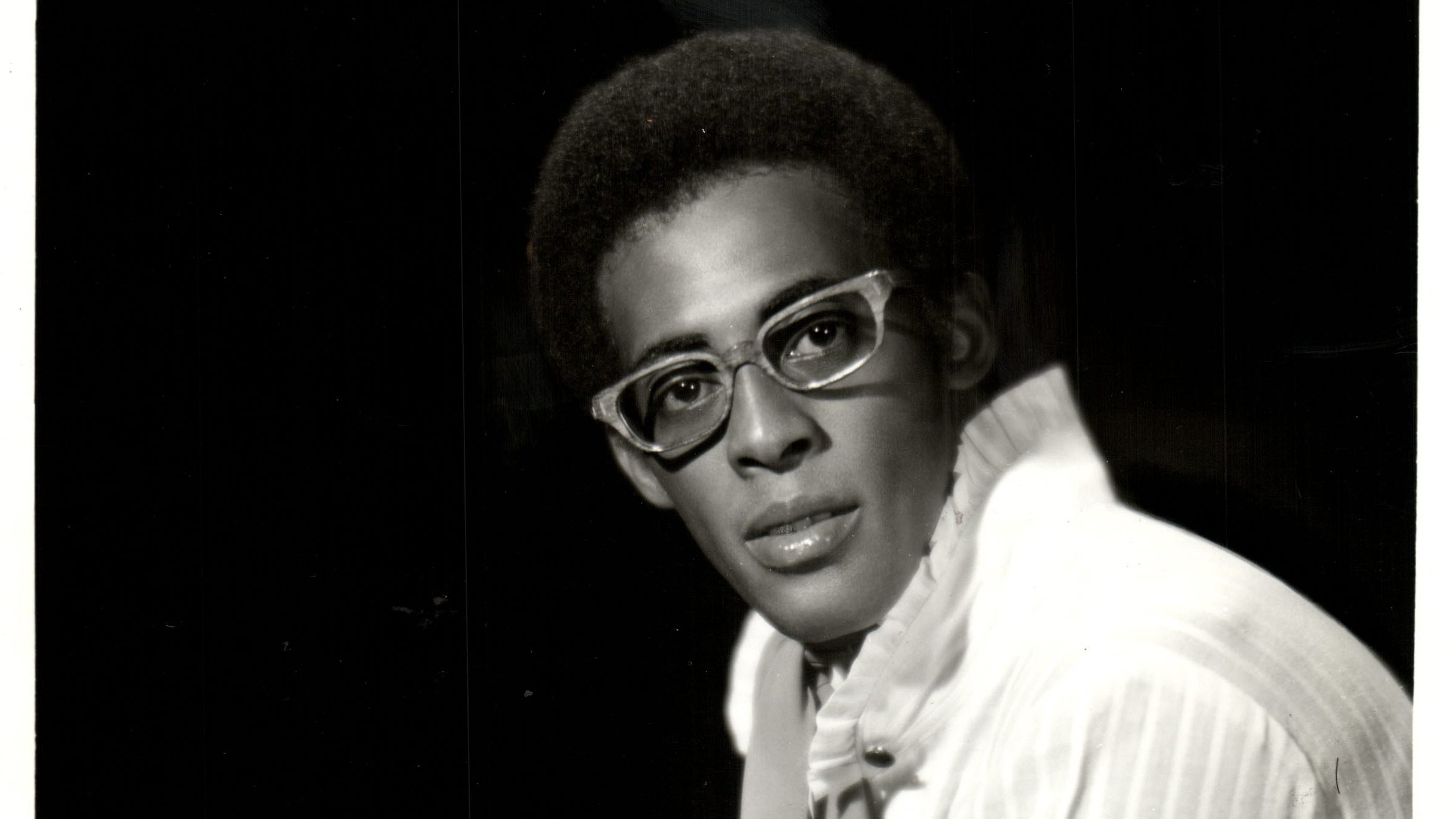
When you talk about soul music royalty, David Ruffin stands tall among the legends. With a voice that could shift from tender to thunderous in a heartbeat, Ruffin was the emotional powerhouse behind some of Motown’s greatest hits. As the gritty, golden voice of The Temptations during their most iconic years, and later as a solo artist, he delivered songs that weren’t just heard — they were felt. His vocals could make hearts ache, feet move, and crowds roar. Whether he was pleading for love, drowning in heartbreak, or standing tall in defiance, Ruffin sang every word like it was his last breath.
This countdown of the Top 10 Most Popular David Ruffin Songs of All Time dives deep into the tracks that defined his legacy — from timeless classics like “My Girl” to soul-stirring solo anthems like “Walk Away from Love.” These are the songs that etched David Ruffin’s name in the granite of music history. Get ready to revisit the unforgettable highs, the wrenching lows, and the raw, unmatched emotion of a voice that could never be duplicated. Whether you’re a lifelong fan or just discovering his genius, this list is your gateway into the soul of David Ruffin.
1. “My Girl” – The Temptations (1964)
Released in December 1964, “My Girl” became an instant classic and remains one of the most beloved love songs in American music. Written by Smokey Robinson and Ronald White specifically for David Ruffin’s distinctively rich voice, the track radiates warmth, joy, and soulful sincerity. From the moment Ruffin sings “I’ve got sunshine on a cloudy day,” the song wraps you in its charm — simple, heartfelt, and irresistibly uplifting. The Temptations’ harmonies glide effortlessly behind Ruffin’s lead, while the iconic bassline and orchestral flourishes turn the track into something magical. It became the group’s first No. 1 hit on the Billboard Hot 100 in March 1965 and helped define the sound of Motown. But beyond its chart success, “My Girl” became part of the cultural fabric — a song that continues to be played at weddings, family reunions, and just about anywhere love is celebrated. Ruffin’s performance is so tender and direct that it feels like he’s singing just to you. Decades later, it still evokes the same warm glow, proving that great songs don’t age — they only grow more timeless with every listen.
2. “Ain’t Too Proud to Beg” – The Temptations (1966)
From the first urgent note, “Ain’t Too Proud to Beg” grabs your attention and refuses to let go. Released in May 1966, this explosive track was penned by Norman Whitfield and Edward Holland Jr., combining brassy instrumentation with a driving beat and emotionally charged lyrics. David Ruffin’s lead vocal is a force of nature — pleading, passionate, and brimming with desperation. With his signature rasp, Ruffin turns what could have been a simple love song into a raw, emotional outpouring. His delivery gives voice to a man unafraid to beg for a second chance, transforming heartbreak into a bold declaration of devotion. The song shot to No. 13 on the Billboard Hot 100 and topped the R&B chart, cementing The Temptations’ reputation for combining soul with real emotional stakes. The band’s harmonies add firepower, but Ruffin’s voice carries the weight of the song’s emotional core. “Ain’t Too Proud to Beg” is more than a danceable hit — it’s a soul anthem about vulnerability and pride, delivered with a sincerity that still hits hard today. It remains one of the defining records of the Motown era.
3. “I Wish It Would Rain” – The Temptations (1967)
Released in December 1967, “I Wish It Would Rain” is one of the most emotionally gut-wrenching songs in The Temptations’ catalog. Written by Motown lyricist Roger Penzabene, who was grieving a real-life heartbreak, the song tells the story of a man so devastated by loss that he longs for rain to mask his tears. David Ruffin delivers the lyrics with aching restraint, never overplaying the sorrow but allowing every line to land with quiet devastation. His voice, always powerful, is especially poignant here—delicate, vulnerable, and deeply human. The arrangement is sparse and haunting, led by a mournful piano and subtle orchestration that lets Ruffin’s vocal take center stage. Though less upbeat than many of their other hits, the track climbed to No. 4 on the Billboard Hot 100 and remains a masterclass in soul balladry. “I Wish It Would Rain” isn’t just a sad song—it’s a deeply cathartic one, where pain is dignified through music. Ruffin doesn’t just sing the heartbreak—he inhabits it, and in doing so, gives the listener space to grieve, too.
4. “Beauty Is Only Skin Deep” – The Temptations (1966)
“Beauty Is Only Skin Deep,” released in August 1966, is a quintessential Motown hit that balances catchy rhythm with a timeless message. Written by the legendary songwriting duo Norman Whitfield and Edward Holland Jr., the track challenges the listener to look beyond surface appearances. David Ruffin leads the charge with a performance that’s equal parts playful and sincere. His voice brings warmth and conviction to lyrics that emphasize the importance of inner beauty, transforming what could have felt like a sermon into a celebration of soulful values. The upbeat groove, complete with a tight rhythm section and crisp horns, makes it easy to dance to, but the lyrics offer something deeper. The song climbed to No. 3 on the Billboard Hot 100 and reached No. 1 on the R&B chart, becoming one of the defining hits of the group’s golden era. More than just a catchy tune, “Beauty Is Only Skin Deep” endures as a feel-good anthem with a powerful message — and Ruffin’s charismatic delivery ensures that it resonates just as much today as it did back then.
5. “(I Know) I’m Losing You” – The Temptations (1966)
Released in October 1966, “(I Know) I’m Losing You” is a volcanic eruption of raw emotion, delivered with staggering intensity by David Ruffin. Written by Norman Whitfield, Eddie Holland, and Cornelius Grant, the song captures the unraveling of love in real time, and Ruffin’s performance mirrors that emotional chaos with unfiltered passion. His vocals explode with desperation and suspicion, marked by growls, cracks, and gut-wrenching pleas that sound like they’ve clawed their way out of his chest. The instrumentation matches the mood — funky, frantic, and relentless, with horns that stab like accusations and a rhythm section that pulses with tension. The song peaked at No. 8 on the Billboard Hot 100 and became one of The Temptations’ most electrifying recordings. Its influence has endured, inspiring rock and soul covers alike, most notably by Rare Earth and Rod Stewart. But no version has ever matched the sheer intensity of Ruffin’s original. “(I Know) I’m Losing You” is more than a breakup song — it’s a full-blown emotional breakdown set to music.
6. “Walk Away from Love” – David Ruffin (1975)
Released in October 1975, “Walk Away from Love” marked a major solo comeback for David Ruffin and introduced his talents to a new generation of soul listeners. Produced by Van McCoy, the track blends the elegance of Philadelphia soul with the smooth polish of the emerging disco era, creating a sound that’s both sophisticated and deeply emotional. Lyrically, it flips the usual heartbreak script: instead of begging someone to stay, Ruffin chooses to leave before his heart is broken. His vocal performance is filled with wisdom and restraint, showing the growth of an artist who had lived through fame, love, and loss. The track’s shimmering strings, gentle rhythm, and layered harmonies provide a perfect backdrop for Ruffin’s expressive phrasing. The song reached No. 9 on the Billboard Hot 100 and topped the R&B chart, becoming the biggest solo hit of his career. It’s more than a catchy tune — it’s a soul survivor’s anthem, a declaration of emotional self-preservation delivered with grace. “Walk Away from Love” proved that Ruffin didn’t need a group to command a song; he only needed a great story, a strong melody, and that unmistakable voice.
7. “My Whole World Ended (The Moment You Left Me)” – David Ruffin (1969)
“My Whole World Ended (The Moment You Left Me)” was David Ruffin’s solo debut, and what a debut it was. Released in January 1969 after his departure from The Temptations, the song arrives with dramatic orchestration and a sense of grandeur that feels almost cinematic. The opening strings signal that this isn’t just another soul ballad—it’s a declaration of personal and artistic heartbreak. Written by Motown heavyweights Harvey Fuqua, Johnny Bristol, Pam Sawyer, and James Roach, the track allowed Ruffin to pour his entire emotional range into the performance. His voice is wounded but commanding, delivering the song’s tale of romantic devastation with gut-wrenching authenticity. When he sings the title line, it sounds less like metaphor and more like lived truth. The single soared to No. 9 on the Billboard Hot 100 and No. 2 on the R&B chart, immediately establishing Ruffin as a formidable solo force. While the song’s story centers on personal loss, it also served as a bold artistic statement: David Ruffin didn’t need to be in a group to break hearts — he could do that all by himself.
8. “I Could Never Love Another (After Loving You)” – The Temptations (1968)
Released in April 1968, “I Could Never Love Another (After Loving You)” is a deeply personal and emotionally intense track that marked the end of an era for The Temptations. It was David Ruffin’s final single as the group’s lead vocalist, and he made sure to leave an unforgettable impression. The song, co-written by Motown regulars Norman Whitfield, Barrett Strong, and Rodger Penzabene, deals with betrayal and heartbreak in stark, unflinching terms. Ruffin’s vocal delivery is nothing short of searing — every note aches with pain, confusion, and lingering love. His voice swells and cracks in all the right places, making the listener feel the devastation with every line. The arrangement is classic Motown: lush strings, a steady rhythm section, and background harmonies that contrast beautifully with Ruffin’s anguish. The track reached No. 13 on the Billboard Hot 100 and topped the R&B chart, but its emotional power outweighs its commercial performance. As Ruffin’s swan song with The Temptations, it captures the full spectrum of his vocal gifts and emotional depth. It wasn’t just the end of a song — it was the end of a legendary chapter.
9. “Statue of a Fool” – David Ruffin (1975)
“Statue of a Fool,” released in 1975, is one of David Ruffin’s most haunting solo performances. Originally a country hit penned by Jan Crutchfield and recorded by Jack Greene, Ruffin reimagined the song through the lens of soul, transforming it into a slow-burning heartache ballad. With a stripped-down arrangement that puts his voice front and center, Ruffin sings with a raw, almost theatrical emotion that turns regret into poetry. The lyrics paint a picture of a man who gave his heart too freely and paid the price, and Ruffin leans into that vulnerability without ever sounding pitiful. Instead, he sounds wounded but dignified, as if testifying to a courtroom of the broken-hearted. Though it wasn’t a massive chart hit, the track has earned cult status among fans and soul purists alike. It’s a hidden gem in Ruffin’s catalog, showcasing his gift for storytelling and emotional interpretation. “Statue of a Fool” reminds us that great songs don’t need elaborate production — just a great voice and an honest performance. And Ruffin, as always, delivers both in spades.
10. “Common Man” – David Ruffin (1973)
Released in 1973, “Common Man” is a stirring and grounded soul ballad that showcases David Ruffin’s ability to speak to everyday experience with deep empathy and grace. In contrast to the grand romantic themes of many Motown hits, this song focuses on dignity, struggle, and self-worth. Ruffin’s delivery is gentle yet resolute, embodying the spirit of the song’s protagonist — an ordinary man who may not have riches or fame, but walks through life with pride and honesty. The arrangement is understated, allowing Ruffin’s vocals to shine without distraction. There are no flashy moments here, just heartfelt storytelling and restrained soul. While “Common Man” didn’t light up the charts, it struck a chord with listeners who saw their own lives reflected in its lyrics. It became an anthem for working people — those who love hard, endure quietly, and stay true to who they are. Ruffin’s performance is full of quiet strength, showing that true greatness doesn’t always come with a spotlight. Sometimes, it comes from standing tall and singing your truth, one note at a time.

Samuel Moore is a frequent contributor to Singers Room. Since 2005, Singersroom has been the voice of R&B around the world. Connect with us via social media below.









