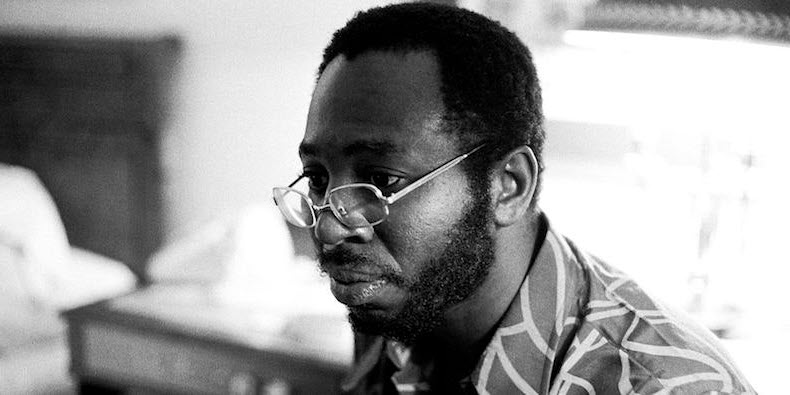
Few artists in music history have blended soul, funk, and social commentary with the grace and power of Curtis Mayfield. A visionary songwriter, electrifying guitarist, and one of the most distinctive falsettos in soul, Mayfield’s music was more than just entertainment—it was a soundtrack for change. From his early days with The Impressions to his groundbreaking solo work in the 1970s, Mayfield gave voice to a generation striving for justice, dignity, and self-empowerment. His songs didn’t just top charts—they inspired movements, challenged norms, and reshaped the landscape of American music. Whether he was delivering a call to action, a tale from the streets, or a message of hope, Mayfield’s sound was always unmistakable: smooth, sharp, and deeply soulful. In this article, we’re counting down the top 10 most popular Curtis Mayfield songs of all time—tracks that defined his legacy and continue to resonate decades later. These aren’t just hits; they’re cultural landmarks that showcase a master at work. So turn up the volume, feel the groove, and take a journey through the music of a true legend—because when Curtis Mayfield speaks, soul listens.
1. “Move On Up” (1970)
Curtis Mayfield’s “Move On Up,” released in 1970 on his debut solo album Curtis, is a jubilant explosion of soul, funk, and inspiration. At over nine minutes long, the song is a marathon of unrelenting positivity, driven by an energetic horn section, Latin percussion, and Mayfield’s trademark falsetto soaring over the rhythm like a beacon. The lyrics are simple but powerful, urging listeners to “keep on pushing” and persevere through life’s challenges. Though it didn’t gain much traction on the U.S. charts initially, the track resonated overseas and found major success in the UK, eventually becoming a cult classic. Its legacy has only grown stronger, famously sampled by Kanye West in “Touch the Sky,” and featured in countless commercials, films, and TV shows. What gives “Move On Up” its staying power is the perfect marriage of message and music—it’s a song that uplifts without preaching, energizes without overwhelming. Even after more than 50 years, it feels as fresh and vital as ever. With each blast of horns and every hopeful lyric, Mayfield delivers a spiritual pep talk set to an infectious groove. It’s not just music—it’s motivation in motion.
2. “Superfly” (1972)
“Superfly,” the title track from Curtis Mayfield’s Super Fly soundtrack, is a masterstroke of 1970s soul-funk storytelling. Released in 1972, this song pairs one of the slickest basslines in music history with a socially aware narrative that sets it apart from its contemporaries. With his smooth falsetto and sharp lyrical insight, Mayfield presents the story of Youngblood Priest—a street hustler caught between survival and self-destruction. Unlike many portrayals of crime and urban life in the blaxploitation genre, Mayfield’s “Superfly” doesn’t glamorize its subject. Instead, he offers a nuanced critique of a system that traps people in desperate circumstances. The track’s cinematic instrumentation—wah-wah guitar licks, delicate flutes, and tight percussion—mirrors the urgency and complexity of the story. It peaked at No. 8 on the Billboard Hot 100, becoming one of Mayfield’s most successful solo singles and a cultural landmark. More than just a soundtrack song, “Superfly” defined a moment in Black cinema and music where social consciousness and funk rhythms collided with brilliance. Mayfield proved that you could groove and think at the same time—and in doing so, he created an enduring classic that still resonates today.
3. “Freddie’s Dead” (1972)
“Freddie’s Dead,” one of the standout tracks from Curtis Mayfield’s Super Fly soundtrack, is a soul-shaking blend of funk groove and tragic storytelling. Released in 1972, the song recounts the fictional fate of Freddie, a character consumed by the harsh realities of inner-city life. What makes “Freddie’s Dead” so haunting is how Mayfield blends his socially conscious lyrics with a driving, cinematic arrangement. The orchestral strings, rich bassline, and rhythmically tight band create a powerful sonic backdrop, while Mayfield’s falsetto delivers lines that cut to the bone—“Everybody’s misused him / Ripped him off and abused him.” It’s a stark, heartbreaking message wrapped in irresistible funk. The song became a major hit, climbing to No. 4 on the Billboard Hot 100 and earning a Grammy nomination. It cemented Mayfield’s role not just as a musical innovator but as a fierce chronicler of urban struggle and resilience. “Freddie’s Dead” doesn’t pull any punches, and that’s exactly why it remains so impactful. It’s a reminder that beneath the groove lies a painful truth—a socially charged anthem that grooves even as it grieves.
4. “People Get Ready” (1965)
Curtis Mayfield’s “People Get Ready,” released in 1965 with The Impressions, stands as one of the most powerful and enduring spirituals in popular music history. Rooted in gospel and soul, the song uses the image of a train as a metaphor for salvation, justice, and collective hope. “People get ready, there’s a train a-comin’,” Mayfield sings with quiet conviction, calling for unity and faith during a time of civil unrest and racial division. At just under three minutes, the track delivers a profound message of peace, inclusiveness, and resilience. The gentle strumming guitar, soft harmonies, and Mayfield’s warm vocal delivery make it both soothing and stirring. The song reached No. 14 on the Billboard Hot 100 and quickly became an unofficial anthem of the Civil Rights Movement. Covered by legendary artists like Aretha Franklin, Rod Stewart, and Bob Marley, its legacy continues to grow—but it’s the original that carries the most emotional weight. “People Get Ready” isn’t just a song—it’s a prayer, a protest, and a promise all rolled into one. In a world still yearning for unity, Mayfield’s timeless hymn remains as vital and moving as ever.
5. “Pusherman” (1972)
“Pusherman” is a bold, haunting portrait of the drug trade, delivered with mesmerizing style by Curtis Mayfield. Featured on the 1972 Super Fly soundtrack, the song adopts the voice of a street dealer, presenting a first-person account of power, addiction, and exploitation. But Mayfield isn’t glamorizing this world—he’s exposing its seductive danger. “I’m your mama, I’m your daddy, I’m that n**** in the alley,” he sings, confronting listeners with the duality of the pusher’s role as both provider and predator. Musically, the track is a slow-burning groove, opening with Latin-influenced percussion and a deep, swaggering bassline. Mayfield’s silky falsetto contrasts with the grim subject matter, enhancing the song’s eerie, ambivalent tone. Though it was never released as a single, “Pusherman” became one of Mayfield’s most iconic tracks, heavily sampled in hip-hop and revered in soul music history. Its influence spans generations, with artists from Ice-T to Notorious B.I.G. nodding to its gritty realism. What makes it unforgettable is how it refuses easy answers—Mayfield makes listeners sit with the discomfort. “Pusherman” is street poetry at its finest, wrapped in an irresistible groove and delivered with chilling honesty.
6. “(Don’t Worry) If There’s a Hell Below, We’re All Going to Go” (1970)
Curtis Mayfield kicked off his solo debut Curtis in 1970 with a thunderous wake-up call: “(Don’t Worry) If There’s a Hell Below, We’re All Going to Go.” The song opens with a spoken-word warning and quickly erupts into a fiery mix of psychedelic funk, social critique, and apocalyptic groove. Its fuzzed-out bass, screaming organ, and chaotic instrumentation create an atmosphere of controlled chaos, reflecting the turbulent times it was born into. Mayfield doesn’t hold back—his lyrics address racial injustice, political corruption, and the collective moral decay of society. The title itself is provocative, a jarring reminder that no one is exempt from the consequences of systemic rot. Though it only reached No. 29 on the Billboard Hot 100, the track’s cultural and political resonance far exceeded its chart position. It became a powerful anthem of protest and paranoia, unlike anything else in soul music at the time. With this song, Mayfield didn’t just step into the spotlight—he shattered expectations. “(Don’t Worry)” is a blistering declaration that soul music could be revolutionary, confrontational, and unflinchingly real.
7. “Keep On Keeping On” (1970)
“Keep On Keeping On” from Curtis Mayfield’s 1970 debut album is a gentle soul anthem that wraps perseverance and wisdom in a warm, melodic groove. Unlike the more fiery political edge found elsewhere on the album, this track offers calm, personal encouragement for those navigating life’s hardships. With a laid-back rhythm section, smooth guitar lines, and Mayfield’s soothing falsetto, the song feels like a heartfelt conversation from an old friend. The lyrics—“Everybody’s a star / It don’t matter who you are”—deliver a powerful reminder that every individual has worth, no matter their background or struggle. Though not released as a single, “Keep On Keeping On” has become one of Mayfield’s most quoted songs, resonating deeply with audiences and influencing countless artists, from John Legend to Paul Weller. It’s the kind of track that doesn’t need to shout to make an impact—it simply offers strength through empathy. In a world full of noise and unrest, this song is a soft, steady hand on your shoulder, urging you to stay the course and believe in yourself.
8. “We the People Who Are Darker Than Blue” (1970)
“We the People Who Are Darker Than Blue,” from Curtis Mayfield’s 1970 solo debut, is one of his most introspective and emotionally resonant songs. It’s not a protest anthem in the traditional sense, but rather a soul-searching dialogue about race, identity, and unity. The track opens with a somber, reflective tone, gradually building into a lush, orchestral arrangement that mirrors the emotional weight of the lyrics. Mayfield addresses the internal struggles within the Black community and challenges listeners to rise above division, saying, “We’re just as good as the other.” His voice—pleading, honest, and full of hope—carries the message with grace and sincerity. Musically, the song is rich with strings, horns, and a slow-burning groove that gives it the feel of a spiritual meditation. While it wasn’t a commercial single, it has become a cornerstone of Mayfield’s catalog and a favorite among fans who admire his lyrical bravery. “We the People” stands as a testament to Mayfield’s willingness to tackle difficult topics with nuance and compassion, making it one of the most profound works in his repertoire.
9. “It’s All Right” (1963)
Released in 1963, “It’s All Right” marked a major milestone for Curtis Mayfield and The Impressions, becoming their first Top 10 hit and establishing Mayfield as a leading voice in soul music. The song radiates joy and assurance with every note—a feel-good groove that wraps listeners in warmth. Its bouncy rhythm, doo-wop-inspired harmonies, and Mayfield’s smooth vocal delivery make it instantly inviting. The lyrics are simple yet effective: “Say it’s all right / Have a good time, ‘cause it’s all right.” At a time when America was teetering on the edge of social upheaval, the song offered a message of calm and comfort, a brief but beautiful moment of peace. It reached No. 4 on the Billboard Hot 100 and has since become a soul standard, covered and celebrated by artists across generations. “It’s All Right” isn’t about escapism—it’s about taking a breath, finding joy in the moment, and trusting that things will work out. It’s the kind of timeless tune that always feels good, no matter when or where you hear it.
10. “Gypsy Woman” (1961)
“Gypsy Woman,” released in 1961, was the song that introduced the world to Curtis Mayfield’s lyrical imagination and falsetto charm. As the first major hit for The Impressions, it climbed to No. 20 on the Billboard Hot 100 and set the tone for Mayfield’s storied career. The song paints a vivid picture of a free-spirited, mystical woman dancing by the firelight, captivating everyone with her beauty and aura. With its blend of doo-wop harmonies, gentle guitar strums, and Latin-inspired percussion, “Gypsy Woman” stands out as a dreamy, romantic ode wrapped in an unforgettable melody. It was unlike anything else on the radio at the time—more poetic than pop, more atmospheric than most R&B of the era. The track became a blueprint for Mayfield’s unique songwriting style, where storytelling and soul seamlessly intersect. Covered by artists like Brian Hyland and referenced in modern samples, “Gypsy Woman” has remained a beloved gem in the soul canon. It’s not just a love song—it’s a soft, mystical portrait that marked the beginning of a legend. In just a few minutes, Curtis Mayfield proved he had something truly special to offer.

Samuel Moore is a frequent contributor to Singers Room. Since 2005, Singersroom has been the voice of R&B around the world. Connect with us via social media below.









