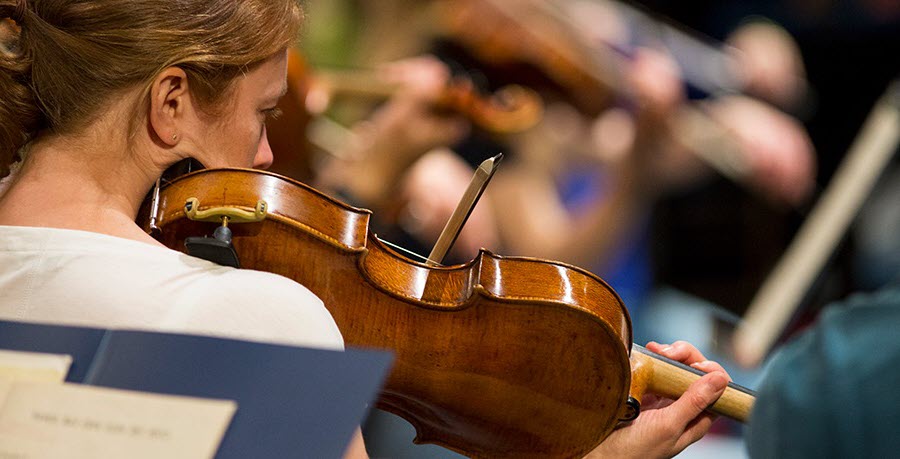
Classical music has the rare power to stir the soul, ignite the imagination, and echo across centuries. From the thunderous drama of Beethoven’s symphonies to the delicate beauty of Debussy’s piano works, these masterpieces are more than just compositions—they are emotional experiences that transcend time and culture. Whether you’ve heard them in concert halls, films, or even video games, these iconic works have become the soundtrack of humanity’s greatest stories.
In this article, we dive into the top 15 most popular classical music pieces ever composed—timeless gems that have captured hearts for generations. These are the symphonies, concertos, and sonatas that continue to inspire awe, from the haunting elegance of Clair de Lune to the triumphant power of Ode to Joy. You don’t need to be a music scholar to appreciate their beauty; their universal appeal lies in their ability to move us, regardless of age or background.
So sit back, turn up the volume, and prepare to embark on a thrilling musical journey through the most beloved classical works of all time. Whether you’re a seasoned aficionado or a curious newcomer, this list will leave you spellbound.
1. Beethoven – Symphony No. 5 in C Minor, Op. 67 (1808)
From the very first four notes—da-da-da-DUM—Beethoven’s Symphony No. 5 makes an unforgettable impression. That bold opening isn’t just iconic; it’s revolutionary. Composed during a time when Beethoven was grappling with increasing deafness, this symphony is a masterclass in emotional expression, structure, and defiance. Premiering in 1808 in Vienna, the work took classical music in a new direction, infusing it with raw passion and an almost narrative arc. The symphony moves from the intensity and foreboding of its first movement through moments of dramatic tension, before exploding into a final movement that feels triumphant, like breaking through darkness into light. It’s often interpreted as a musical journey from struggle to victory—perhaps even Beethoven’s own metaphorical battle against fate. The orchestration is bold, the motifs unforgettable, and the momentum unrelenting. It’s not just a piece of music—it’s a declaration of human perseverance. Over two centuries later, it remains one of the most performed, studied, and revered symphonies in history, proving that true greatness never fades.
2. Mozart – Eine kleine Nachtmusik, K. 525 (1787)
Mozart’s Eine kleine Nachtmusik—which translates to “A Little Night Music”—may be short in name, but it’s long on charm and elegance. Composed in 1787, this serenade for a small string ensemble has become one of Mozart’s most beloved and instantly recognizable works. Surprisingly, it wasn’t published during his lifetime, but it has since become a staple in both classical concerts and popular culture. The piece sparkles with clarity and grace, each movement unfolding with effortless melodic beauty. Its bright, dance-like rhythms and polished structure embody the spirit of the Classical era, yet there’s something timelessly joyful about it. Whether heard in a concert hall, in a movie, or at a candlelit dinner, its upbeat character and lilting melodies never fail to enchant. This is Mozart at his most accessible—sophisticated yet lighthearted, formal yet playful. It’s music that smiles at you and invites you to enjoy the moment. More than two centuries on, Eine kleine Nachtmusik continues to charm listeners across all ages and backgrounds.
3. Debussy – Clair de Lune (1905)
Claude Debussy’s Clair de Lune is a gentle masterpiece that feels like a whispered lullaby to the moon. Though it was composed in the 1890s as part of his Suite Bergamasque, it wasn’t published until 1905. The piece’s name, French for “light of the moon,” was inspired by a poem of the same name by Paul Verlaine, and that poetic spirit flows through every measure. Unlike the bombast of some romantic-era music, Clair de Lune is all about subtlety—its magic lies in its delicate harmonies, soft dynamics, and dreamlike pacing. Debussy’s impressionistic style paints an emotional landscape more than it tells a story. The music evokes moonlit nights, quiet reflection, and bittersweet memories. It doesn’t shout for attention—it floats, shimmers, and lingers. This piece has become one of the most beloved works for solo piano, used in everything from films to weddings to meditative playlists. With just a few notes, Debussy draws listeners into a tranquil, almost sacred space. It’s not just beautiful—it’s timeless, tender, and deeply human.
4. Pachelbel – Canon in D Major (c. 1680)
Pachelbel’s Canon in D Major is a piece that quietly rose from historical obscurity to become one of the most popular and frequently performed works in classical music. Composed around 1680, it remained largely unknown for centuries until it was rediscovered and published in the 20th century. Since then, it’s become a favorite for weddings, graduations, and moments of peaceful reflection. What makes the Canon so enduring is its graceful simplicity—a repeating bass line over which melodies unfold in a cascading, overlapping fashion. This baroque form, known as a canon, allows each voice to echo the others in a seamless, almost meditative pattern. There’s a soothing predictability to it, yet within that repetition lies endless variation and beauty. It builds not through volume or complexity, but through elegance and balance. Every performance feels like a fresh meditation on harmony and order. Pachelbel may not have imagined this modest work would one day become a cultural touchstone, but its quiet power speaks to the universal human love for structure, calm, and beauty.
5. Vivaldi – The Four Seasons (1725)
Antonio Vivaldi’s The Four Seasons, published in 1725, is one of the earliest and most vivid examples of program music—where the music tells a story or paints a scene. In this case, Vivaldi brings the changing seasons to life through four violin concertos, each brimming with character and color. From the cheerful birdsong and babbling brooks of Spring, to the brooding chill of Winter, every note carries visual and emotional weight. Vivaldi even wrote accompanying sonnets to guide listeners through the images he sought to evoke: summer storms, autumn harvests, and icy winds are all depicted in dramatic detail. Technically dazzling and emotionally rich, The Four Seasons showcases Vivaldi’s gift for melodic invention and bold contrasts. It’s astonishing how modern it feels, despite being written nearly 300 years ago. With its virtuosic solo passages and vividly painted scenes, it continues to be a favorite for both performers and audiences. Whether you’re a classical music novice or aficionado, The Four Seasons never fails to capture the imagination and stir the soul.
6. Tchaikovsky – Swan Lake (1877)
Tchaikovsky’s Swan Lake, which premiered in 1877, redefined ballet music with its sweeping melodies, emotional intensity, and lush orchestration. Before Tchaikovsky, ballet scores were often secondary to choreography, but Swan Lake proved that music could be just as central to the story. This haunting fairy tale of love, betrayal, and transformation unfolds through a score that’s as expressive as it is dramatic. The music paints vivid emotional landscapes—from the ominous tension of the villainous Rothbart to the lyrical beauty of the swan-maiden Odette’s theme. The famous main motif, with its mournful elegance, is instantly recognizable and captures the tragic core of the story. Though the ballet’s initial run wasn’t well received, it has since become a cornerstone of the classical repertoire and a cultural icon. Today, Swan Lake is beloved not only for its dazzling choreography but also for its unforgettable music, which can evoke the imagery of moonlit lakes and fluttering wings even without a single dancer onstage. Tchaikovsky’s score endures because it goes beyond ballet—it speaks directly to the heart.
7. Ravel – Boléro (1928)
Maurice Ravel’s Boléro is one of the most hypnotic and daring pieces of the 20th century. Premiered in 1928, it was originally composed as a ballet, but it has since become a standalone concert staple thanks to its unique structure and unforgettable sound. Built around a single, insistent rhythmic pattern and a repeating melodic phrase, Boléro gradually grows from a whisper to a roar over the course of about 15 minutes. Each repetition introduces new instruments and colors, weaving an intricate tapestry of orchestral sound. Ravel once described it as “a piece for orchestra without music”—an ironic nod to its reliance on repetition rather than traditional thematic development. Yet that’s precisely what makes Boléro so fascinating. It challenges expectations, pulls listeners into a trance, and then rewards their patience with a climactic explosion of sound. Few works are so simple in concept yet so masterfully executed. Whether experienced live or through speakers, Boléro is a slow burn that leaves a lasting impression—hypnotic, defiant, and entirely unforgettable.
8. Beethoven – Moonlight Sonata, Op. 27 No. 2 (1802)
Beethoven’s Moonlight Sonata, officially titled Sonata quasi una fantasia, is a deeply emotional work that breaks away from the typical sonata form. Written in 1801 and published in 1802, it didn’t receive its poetic nickname until years later, when a critic likened its haunting first movement to moonlight shining on Lake Lucerne. That first movement is slow, gentle, and introspective—more like a nocturne than a classical opening. It feels personal, as though Beethoven is confiding in the listener. The second movement provides a delicate contrast, almost like a breath between sighs. But it’s the fiery final movement that truly reveals Beethoven’s genius. It bursts forth with stormy passion and technical brilliance, a startling contrast to the stillness that came before. The piece seems to mirror the emotional turbulence of Beethoven’s own life—filled with longing, fury, and unspoken thoughts. To this day, the Moonlight Sonata is one of the most beloved pieces in the piano repertoire, a work that continues to resonate with anyone who has ever loved, lost, or simply stared at the night sky in quiet contemplation.
9. Bach – Toccata and Fugue in D Minor, BWV 565 (c. 1704)
Few pieces in classical music have the instant dramatic punch of Johann Sebastian Bach’s Toccata and Fugue in D Minor. From the thunderous opening chords of the toccata, it grabs listeners and doesn’t let go. Likely composed around 1704 for organ, this work has since become the go-to soundtrack for mystery, grandeur, and even horror—thanks in large part to its use in film and television. But beneath the gothic flair lies a technical masterpiece. After the powerful and improvisatory toccata, Bach launches into a complex fugue that showcases his unmatched contrapuntal brilliance. Each voice weaves in and out with precision, creating a dense, thrilling musical tapestry. Whether echoing through the high arches of a cathedral or adapted for orchestra and other instruments, its emotional impact remains undiminished. The piece is as much a testament to Bach’s deep spiritual energy as it is to his command of musical architecture. Over 300 years later, Toccata and Fugue in D Minor still mesmerizes audiences, proving that true genius speaks across time and genre.
10. Bizet – Carmen Suite (1875)
Georges Bizet’s Carmen didn’t have the warmest welcome when it premiered in 1875—critics were scandalized by its bold characters and gritty realism. But within just a few decades, it was recognized as a masterpiece, and today, Carmen is one of the most performed operas in the world. The Carmen Suite, a compilation of its most iconic orchestral themes, captures the passion, danger, and drama of the full opera. From the seductive flair of the Habanera to the fiery Toreador Song, every melody pulses with Spanish influence and vivid character. Bizet’s music blends classical elegance with street-level realism, bringing to life a world full of romance, jealousy, and fate. The Suite itself is a concert favorite, often performed without vocals, allowing the orchestra to shine in its full expressive range. The rhythms are infectious, the orchestrations are colorful, and the emotional contrasts are razor-sharp. With its intoxicating blend of sensuality and theatricality, the Carmen Suite stands as both a gateway to opera and a thrilling musical experience in its own right.
11. Beethoven – Symphony No. 9 in D Minor, Op. 125 “Choral” (1824)
Beethoven’s Ninth Symphony is more than a musical milestone—it’s a profound declaration of humanity. Completed in 1824, this monumental work was the first symphony to incorporate a full choir and vocal soloists, culminating in the unforgettable Ode to Joy. What makes the Ninth even more extraordinary is that Beethoven composed it while completely deaf, disconnected from the sound he was shaping yet deeply connected to its meaning. The symphony’s four movements chart an emotional odyssey—from tension and struggle to ultimate joy and unity. The final movement, with its choral setting of Friedrich Schiller’s poem, is a celebration of brotherhood and peace, values that transcend any one era or culture. Its impact has echoed far beyond the concert hall: it has been performed at historic moments of triumph, healing, and international unity, from the fall of the Berlin Wall to Olympic Games. The Ninth is not just a symphony—it’s a spiritual experience, one that affirms our shared human spirit in the face of adversity. More than two centuries later, it still stirs hearts and elevates souls.
12. Mozart – Requiem in D Minor, K. 626 (1791)
Few works in classical music carry as much mystery and emotional gravity as Mozart’s Requiem in D Minor. Commissioned anonymously in 1791 and left incomplete at the time of his death, the piece has long been shrouded in legend—some even speculating that Mozart believed he was writing it for his own funeral. While his student Franz Xaver Süssmayr completed the score, the emotional weight of the original movements—especially the chilling Dies Irae and the mournful Lacrimosa—are unmistakably Mozart’s. This Requiem balances terror and transcendence, capturing both divine grandeur and deeply human vulnerability. The orchestration, choral writing, and harmonic richness come together to create a spiritual journey that moves from judgment and fear to solace and peace. Despite being unfinished, it is often cited as one of Mozart’s greatest masterpieces. It’s music that confronts mortality head-on, yet leaves room for grace and redemption. Whether heard in a cathedral, on film, or in quiet reflection, Mozart’s Requiem remains a haunting, sacred farewell from a genius taken too soon.
13. Wagner – Ride of the Valkyries (1856)
Richard Wagner’s Ride of the Valkyries, composed in 1856 as part of his epic opera Die Walküre, is one of the most electrifying orchestral pieces ever written. Opening Act III of the opera, it depicts the Valkyries—mythical warrior maidens—rushing across the sky to collect fallen heroes from the battlefield. The music gallops forward with relentless energy, driven by powerful brass fanfares and surging strings. Wagner’s orchestration is nothing short of cinematic, creating a soundscape that’s both majestic and overwhelming. Even for those unfamiliar with opera, the piece is instantly recognizable, thanks to its use in films like Apocalypse Now, television, and even cartoons. But beyond its pop culture fame, Ride of the Valkyries stands as a bold statement of Wagner’s dramatic genius. It captures the grandeur of mythology while pushing the limits of orchestral power. With its soaring themes and unrelenting drive, the piece is both thrilling and awe-inspiring. Whether performed on stage or blasting from speakers, Ride of the Valkyries never fails to make an impact—it’s a musical stampede that commands attention.
14. Satie – Gymnopédie No. 1 (1888)
Erik Satie’s Gymnopédie No. 1, composed in 1888, is a quiet revolution in sound. At a time when much of classical music was ornate and emotionally charged, Satie dared to go in the opposite direction—toward stillness, minimalism, and introspection. This piece unfolds slowly, with a gentle, almost suspended melody supported by delicate harmonies that seem to float in midair. Its tempo is languid, its atmosphere melancholic yet strangely soothing. Though Satie dubbed his style “furniture music,” suggesting it could drift unobtrusively in the background, Gymnopédie No. 1 commands deep emotional attention. It invites contemplation, not spectacle. Over the years, it has become a favorite for meditation, reflection, and cinematic moments of quiet grace. The piece has influenced generations of composers—from Debussy and Ravel to modern ambient artists. Its simplicity is deceptive; beneath the sparse notes lies an emotional depth that continues to resonate. More than a century later, Gymnopédie No. 1 remains a gentle, enduring whisper in a world that often shouts.
15. Barber – Adagio for Strings (1938)
Samuel Barber’s Adagio for Strings is one of the most heartbreakingly beautiful pieces of music ever written. Originally the slow movement of his 1936 string quartet, it was later adapted for string orchestra and premiered in 1938. Since then, it has become a universal expression of mourning and loss. The piece unfolds slowly, with a single, aching melody that rises and falls in long, sustained lines. Each phrase builds with quiet intensity, only to dissolve into silence, like a cry that fades into resignation. It has been played at national memorials, presidential funerals, and in films such as Platoon, where its emotional weight underscores scenes of tragedy. Yet despite its sorrowful tone, the Adagio is not hopeless—it carries a sense of reverence, dignity, and emotional honesty. Barber once said that he hoped people would simply feel when hearing it. And they do. It speaks to something deep and wordless in the human heart. Even without lyrics, it says what we all feel in moments of grief: the beauty of what was, and the ache of its absence.

Samuel Moore is a frequent contributor to Singers Room. Since 2005, Singersroom has been the voice of R&B around the world. Connect with us via social media below.









