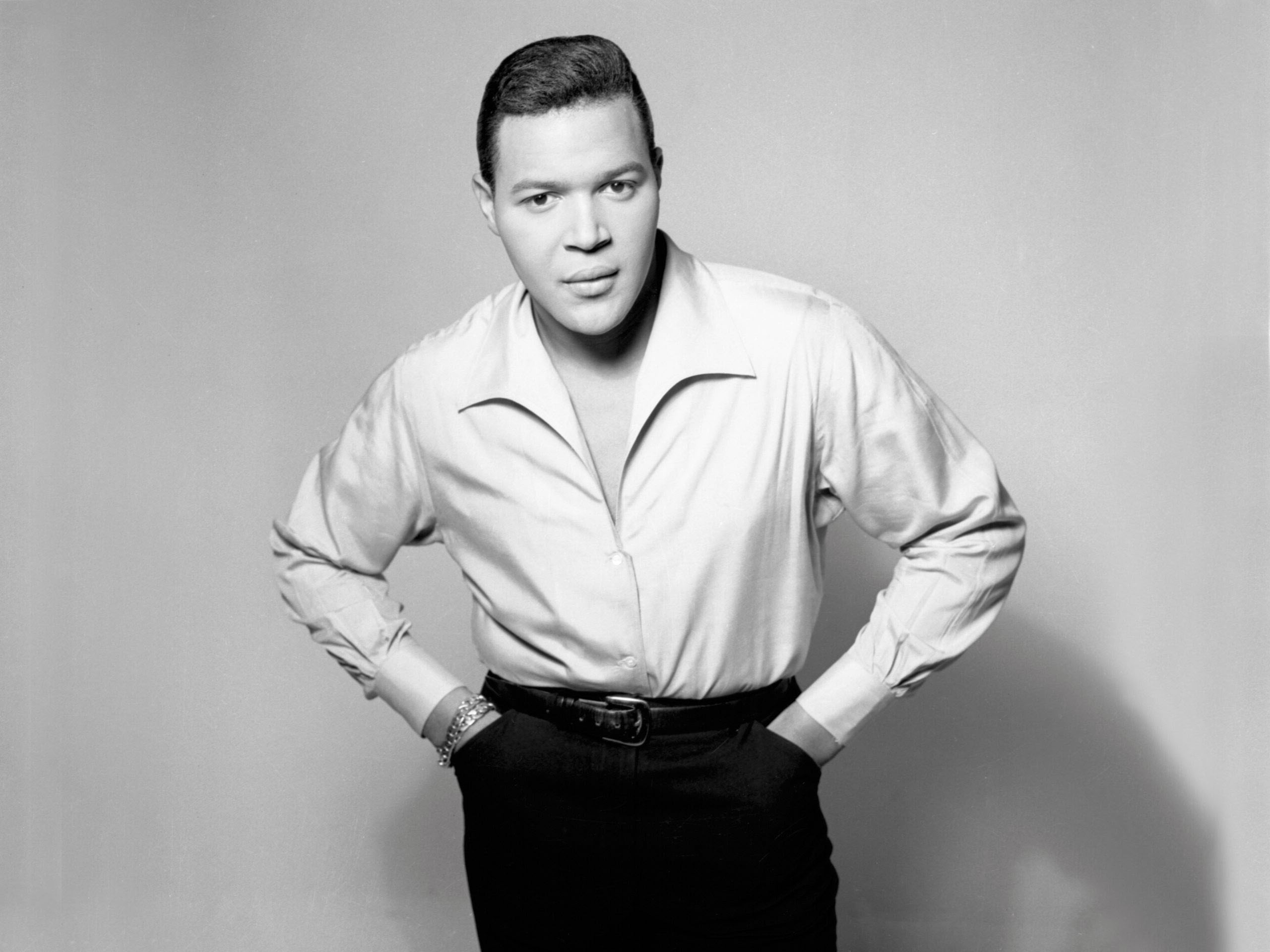
Chuck Berry, the architect of rock and roll, revolutionized music with his infectious rhythms, clever lyrics, and electrifying guitar riffs. His contributions to the genre not only shaped the sound of the 1950s but also laid the groundwork for countless artists who followed. From the moment he burst onto the scene with his iconic hit “Maybellene,” Berry’s music captured the spirit of a generation, blending blues, rhythm, and a touch of rebellious energy that resonated with fans across the globe.
In this article, we’ll take you on a thrilling journey through the top 10 most popular Chuck Berry songs of all time. Each track is a testament to his genius, showcasing his ability to tell stories that connect deeply with listeners. Whether you’re a lifelong fan or new to his work, prepare to revisit the anthems that defined an era and influenced rock icons like The Beatles, Elvis Presley, and Jimi Hendrix. Join us as we celebrate the timeless classics that continue to inspire and entertain, proving that Chuck Berry’s legacy is as vibrant today as it was during his groundbreaking career. Get ready to rock and roll!
1. Johnny B. Goode (1958)
“Johnny B. Goode” is more than just a song—it’s the very heartbeat of rock and roll. Released in 1958, this electrifying track tells the tale of a poor country boy from Louisiana (not New Orleans, as many believe) who dreams of musical stardom. The song’s opening guitar riff is instantly recognizable and helped define the sound of early rock. Chuck Berry, both a pioneer and poet of the genre, poured his own ambitions into this track, creating a semi-autobiographical story of raw talent rising above circumstances. With lines like “He could play the guitar just like ringing a bell,” Berry immortalized not just a fictional character, but also the idea that greatness can come from anywhere. The energy of the song is infectious—its upbeat tempo, rollicking piano, and driving guitar work make it a celebration of youthful ambition and musical passion. “Johnny B. Goode” has since become a rock standard, covered by countless artists and even sent into space aboard the Voyager spacecraft. From garage bands to Grammy winners, this song continues to inspire musicians everywhere, standing tall as one of the most influential tracks in the history of modern music.
2. Roll Over Beethoven (1956)
“Roll Over Beethoven,” released in 1956, is Chuck Berry’s bold proclamation that rock and roll had officially arrived. With this track, Berry didn’t just write a hit—he declared a cultural revolution. The song blends witty, rebellious lyrics with an irresistible rhythm, creating a musical manifesto that told the world it was time to move over and make way for something new. In urging Beethoven to “tell Tchaikovsky the news,” Berry positioned himself and rock music as the new vanguard of artistic expression. The track is built on his signature electric guitar licks and a driving piano that brings a sense of urgency and joy. It’s not just about rebelling against classical music; it’s about celebrating the freedom and youthfulness of a new generation. “Roll Over Beethoven” became a rock anthem that resonated with teenagers across America and beyond, echoing their desire for change, energy, and expression. It also paved the way for future rockers like The Beatles and The Rolling Stones, who would later cover the song in tribute. With this defiant, exuberant classic, Berry carved out a permanent place in music history as one of rock’s original trailblazers.
3. Maybellene (1955)
“Maybellene” roared onto the music scene in 1955 and kickstarted Chuck Berry’s groundbreaking career. This track wasn’t just a hit—it was a revolution. With its fast-paced rhythm, infectious chorus, and dynamic guitar riffs, “Maybellene” introduced rock and roll to a wider audience by fusing rhythm and blues with a new, youthful energy. The song tells the story of a man chasing his unfaithful lover in a high-speed car race, blending themes of heartbreak, rebellion, and freedom. Berry’s lyrics, full of vivid imagery and narrative flair, painted a picture that felt like a mini movie, while his guitar work brought a raw and thrilling edge. The car chase serves as a metaphor for desire and competition, making it more than just a love song—it’s a celebration of passion and perseverance. “Maybellene” became a massive success, reaching #1 on the R&B charts and making waves on the pop charts as well. It marked a pivotal moment in music history, breaking racial and genre boundaries and laying the groundwork for rock music as we know it. It’s not just the start of Chuck Berry’s career—it’s the ignition point of a musical movement.
4. Sweet Little Sixteen (1958)
“Sweet Little Sixteen,” released in 1958, is Chuck Berry’s jubilant tribute to teenage life, music, and the energy of youth. At a time when rock and roll was still finding its voice, this song gave teenagers their own anthem—one that spoke directly to their dreams, excitement, and culture. Berry’s lyrics tell the story of a young girl who’s swept up in the frenzy of rock music, dancing to the latest hits and dreaming of meeting her favorite stars. There’s an affectionate humor in the way Berry captures her enthusiasm, but also a sense of awe at the power of music to shape youth identity. Musically, the song bursts with energy—its driving beat, melodic guitar lines, and sing-along chorus make it instantly irresistible. “Sweet Little Sixteen” became one of Berry’s biggest hits and helped solidify his reputation as a voice for America’s growing teen population. It even inspired later classics, most notably The Beach Boys’ “Surfin’ USA,” which borrowed heavily from its melody. This track captures a joyful, innocent slice of the rock and roll era—when music was fresh, fans were young, and every dance floor felt like the center of the universe.
5. Rock and Roll Music (1957)
“Rock and Roll Music,” released in 1957, is Chuck Berry’s full-throated celebration of the genre he helped define. From the opening line—“Just let me hear some of that rock and roll music”—Berry makes it clear: this music is more than a trend; it’s a way of life. The song is driven by a relentless rhythm and piano-led groove, with Berry’s guitar adding sharp, rhythmic punches throughout. His lyrics are both playful and passionate, calling out jazz, classical, and other genres while pledging allegiance to the raw power of rock and roll. It’s a love letter to music that also functions as a dance-floor command, practically daring listeners to stay still. The song’s infectious energy and universal theme helped it become a hit, and it’s since been covered by numerous artists, including The Beatles and The Beach Boys. “Rock and Roll Music” isn’t just about style—it’s about spirit. It captures the joy, rebellion, and cultural shift that rock music represented in the ’50s, and it continues to resonate as a timeless anthem for anyone who believes in the liberating power of a great song.
6. Memphis, Tennessee (1959)
“Memphis, Tennessee,” released in 1959, is one of Chuck Berry’s most poignant and cleverly crafted songs. On the surface, it sounds like a straightforward plea from a man trying to reconnect with a lost love, but the twist at the end gives it unexpected emotional depth. As the song unfolds, we hear Berry describing calls made to a woman in Memphis, longing to speak with her again. But in the final verse, it’s revealed that “Marie” is not a romantic partner but his six-year-old daughter, and the longing is that of a father separated from his child. This subtle yet powerful narrative turn transforms the song from a standard love ballad into something far more meaningful. Musically, the track features Berry’s trademark guitar style—clean, melodic, and rhythmic—set against a backdrop of gentle rock and roll instrumentation. The song’s blend of heartfelt lyrics and understated delivery showcases Berry’s range as not just a rocker, but a true storyteller. “Memphis, Tennessee” continues to be praised for its lyrical brilliance and emotional nuance, proving that Chuck Berry could tug at heartstrings just as easily as he could fill a dance floor.
7. Nadine (1964)
“Nadine,” released in 1964, is a masterclass in Chuck Berry’s storytelling ability, humor, and rhythmic genius. In this track, Berry trades the traditional love song for a comical and energetic chase scene, as the narrator tries to track down a mysterious and captivating woman named Nadine. From taxis to buses to street corners, the song reads like a movie script set to an upbeat rock and roll soundtrack. Berry’s lyrics are loaded with clever turns of phrase—lines like “I saw her from the corner when she turned and doubled back / And started walkin’ toward a coffee-colored Cadillac” are vivid, cinematic, and brimming with character. Musically, “Nadine” carries Berry’s signature sound: a snappy beat, infectious guitar licks, and a vocal delivery that bounces with charisma. It marked his return to recording after a brief hiatus and showed that his wit, style, and creative spark were as strong as ever. “Nadine” is more than just a fun tune—it’s a fast-paced, lyrical adventure that showcases Berry’s unique talent for blending sharp storytelling with irresistible grooves, keeping his music as engaging as it is danceable.
8. Back in the U.S.A. (1959)
“Back in the U.S.A.” is Chuck Berry’s joyful homecoming anthem, released in 1959 as a tribute to the simple pleasures of American life. Inspired by his return from touring overseas, the song captures Berry’s appreciation for the everyday experiences many take for granted—things like drive-in restaurants, jukeboxes, and freedom of movement. It’s a lighthearted, patriotic tune with a deeper undercurrent of social commentary, especially considering the context of segregation and civil rights struggles during the time. Musically, it features Berry’s usual flair: bright, sharp guitar riffs, a steady rhythm section, and lyrics delivered with enthusiasm and charm. The song’s upbeat tone and catchy melody made it an immediate favorite, and it would go on to be covered by The Beatles and Linda Ronstadt, among others. “Back in the U.S.A.” is not just a celebration of geography—it’s a love letter to the cultural fabric of mid-century America, told through the eyes of someone who’s seen the world and knows what home really means. With its feel-good energy and vivid imagery, it remains a rock and roll staple that continues to strike a chord with listeners of all generations.
9. You Never Can Tell (1964)
“You Never Can Tell,” released in 1964, is a charming, toe-tapping story about young love, optimism, and life’s sweet surprises. With a catchy piano-driven rhythm and playful lyrics, Chuck Berry spins a delightful tale of a teenage couple who marry young and build a happy life together. From buying a modest apartment to celebrating with a homemade wedding cake, the song captures the joy of simple pleasures and shared dreams. The refrain—“C’est la vie,” say the old folks, “it goes to show you never can tell”—adds a French twist to its message of life’s unpredictability. Musically, the track leans into a rock and roll meets New Orleans swing feel, with Berry’s guitar subtly supporting the story instead of dominating it. The song saw a resurgence in popularity when it was famously featured in the dance scene of Quentin Tarantino’s Pulp Fiction, introducing a new generation to Berry’s brilliance. “You Never Can Tell” remains a celebration of love, luck, and the little moments that make life meaningful. It’s one of Berry’s most endearing works—a feel-good classic that shows his storytelling at its most lighthearted and relatable.
10. The Promised Land (1965)
“The Promised Land,” released in 1965, is Chuck Berry’s spirited journey through America—a rock and roll travelogue fueled by determination, grit, and the pursuit of a better life. The song chronicles the narrator’s trek from Norfolk, Virginia, to Los Angeles, painting a vivid picture of buses, trains, trucks, and hardships along the way. What makes the song so compelling is its blend of storytelling, social commentary, and unstoppable energy. Berry’s lyrics, while upbeat, subtly acknowledge the struggle of Black Americans during the civil rights era, making the quest for “The Promised Land” both personal and political. The track’s fast-paced rhythm mirrors the relentless drive of someone who refuses to be held back, and Berry’s guitar injects every verse with urgency and spirit. Inspired by the folk tradition of American travel songs, “The Promised Land” is grounded in hope and the belief that perseverance leads to something better. It became a favorite among both rock and country audiences and was later covered by Elvis Presley and Bruce Springsteen. As both a literal and metaphorical journey, this track cements Chuck Berry’s legacy as a storyteller for all walks of life.

Edward Tomlin is a frequent contributor to Singers Room. Since 2005, Singersroom has been the voice of R&B around the world. Connect with us via social media below.









