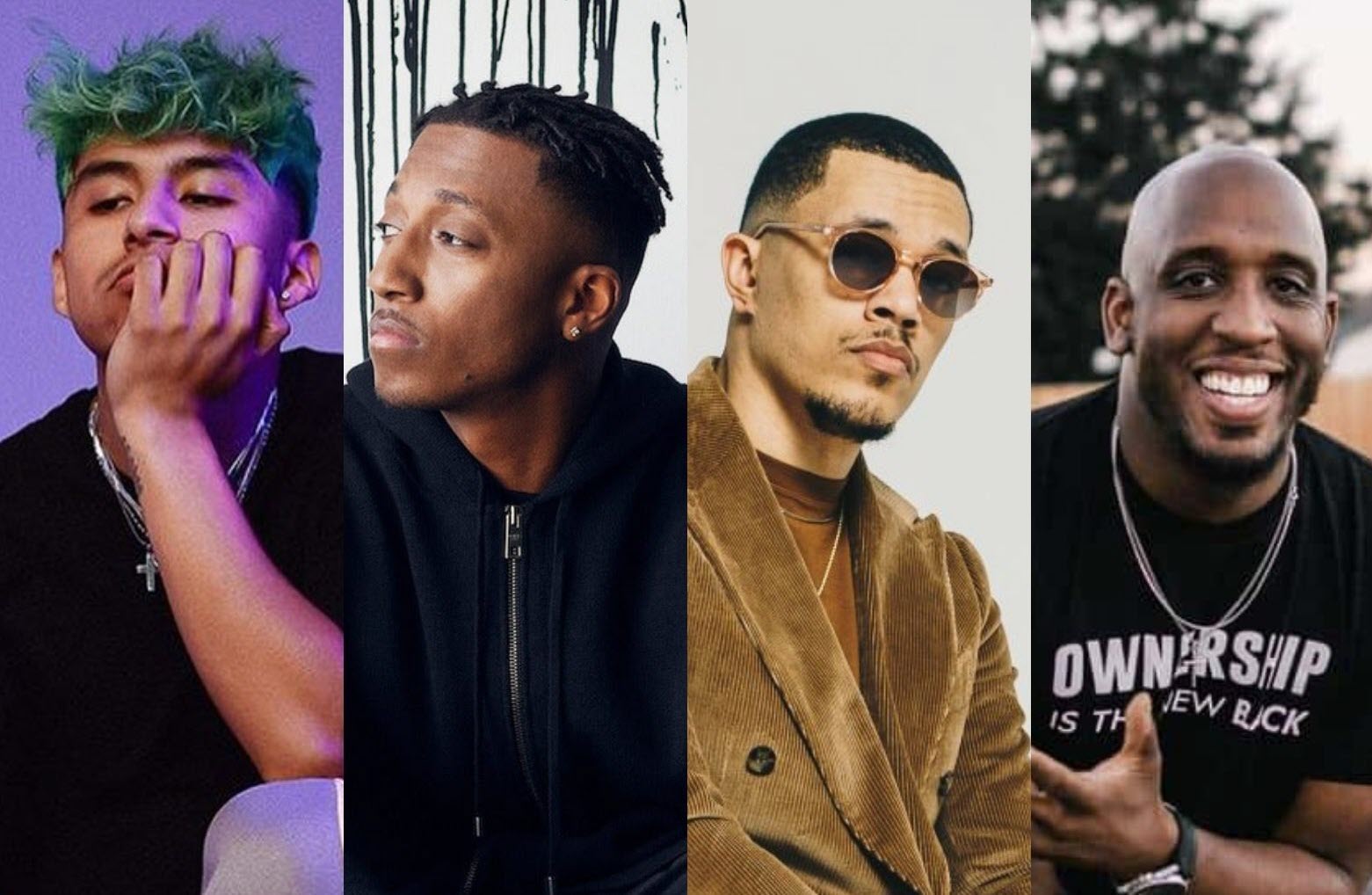
In a world where hip-hop often grapples with themes of struggle, triumph, and identity, a unique movement has emerged that intertwines faith with artistry. Christian rap has become a powerful genre, breaking barriers and reshaping the landscape of contemporary music. From the pulsing beats to the thought-provoking lyrics, these artists have not only pushed the envelope of hip-hop but have also inspired countless listeners to reflect on their spiritual journeys.
As we dive into the top 15 best Christian rappers of all time, we’ll explore the pioneers who laid the groundwork, the innovators who brought fresh perspectives, and the storytellers who have captivated audiences with their profound messages. These artists have used their platforms to address faith, hope, and redemption, proving that rap can be both entertaining and deeply meaningful.
Join us as we celebrate the voices that have shaped this vibrant genre and discover the impact they’ve made on both the music industry and the lives of fans around the world. Whether you’re a lifelong enthusiast or new to the scene, this list promises to enlighten and inspire, highlighting the incredible talent that exists at the intersection of faith and hip-hop.
1. Lecrae
Lecrae is a groundbreaking force in Christian hip-hop, carving out a space where faith and cultural relevance collide with undeniable skill. From the moment he stepped onto the scene with albums like *Rehab* and later *Anomaly*, Lecrae made it clear he wasn’t here to play by the rules. His music speaks candidly about faith, struggle, race, identity, and hope—all while wrapped in tight, polished production and sharp lyricism. What makes Lecrae stand out is his ability to move seamlessly between Christian and mainstream audiences without compromising his message. He’s a Grammy-winning artist, a bestselling author, and a social commentator, yet he still feels incredibly grounded and relatable. Tracks like “Tell the World” and “Blessings” show his range—from worshipful praise to cultural critique. Lecrae doesn’t shy away from tough topics, and that honesty has earned him a loyal fanbase that stretches across generations. His platform is not just about entertainment; it’s about transformation. Whether he’s spitting bars or speaking truth in interviews, Lecrae consistently inspires listeners to think deeper, live boldly, and keep the faith in a complicated world.
2. Andy Mineo
Andy Mineo brings an infectious, creative spark to Christian hip-hop that’s hard to ignore. With his witty lyrics, genre-blending beats, and down-to-earth storytelling, he connects with audiences who crave authenticity and substance. From early mixtapes to major hits like “You Can’t Stop Me,” Andy has built a reputation as one of the most dynamic voices in the scene. What sets him apart is how openly he shares his personal journey—wrestling with doubt, relationships, mental health, and purpose—making his music feel like a real conversation rather than a sermon. His albums like *Uncomfortable* and *Never Land* showcase not just musical evolution, but personal growth too. On stage, Andy is a force—full of energy, creativity, and heart, always leaving audiences uplifted and challenged. He’s also known for collaborating across genres and mentoring younger artists, proving he’s just as committed to the community as he is to the craft. In a world full of filters and facades, Andy Mineo stands out for his refreshing honesty and artistic excellence. He’s not just making music—he’s creating moments that stick with you long after the beat fades.
3. TobyMac
TobyMac is a true legend in Christian music, seamlessly blending pop, rock, hip-hop, and soul into a sound that’s entirely his own. As a founding member of the groundbreaking group dcTalk, he helped shape the landscape of Christian music in the 1990s. But his solo career is where he truly came into his own, delivering hit after hit that speak to the highs and lows of life through a faith-filled lens. Songs like “Lose My Soul,” “Made to Love,” and “I Just Need U” are more than catchy tunes—they’re heartfelt reflections of a man walking through real life with God. TobyMac’s ability to stay relevant across decades is a testament to his creativity and passion. His live shows are high-energy and inspiring, filled with colorful visuals, tight choreography, and a message that always points back to hope. Offstage, TobyMac has been a mentor to countless young artists and a steady voice in both music and ministry. He’s not just an entertainer—he’s a pioneer who continues to push boundaries while keeping his heart rooted in purpose. Through every beat and lyric, TobyMac reminds us that faith can be vibrant, fresh, and undeniably fun.
4. NF
NF (Nathan Feuerstein) is a rare talent in Christian hip-hop—an artist whose music is raw, emotional, and often haunting in its honesty. Known for songs like “Let You Down” and “The Search,” NF doesn’t hold back when it comes to sharing his struggles with anxiety, depression, trauma, and the complexities of life. His music is intensely personal, often feeling more like journal entries than rap tracks, and that vulnerability has struck a chord with millions around the world. Unlike many artists, NF rarely mentions his faith overtly, but it’s woven deeply into the fabric of his storytelling—through themes of hope, redemption, and inner conflict. His cinematic production style and relentless flows set him apart sonically, creating a listening experience that’s immersive and emotionally gripping. NF’s rise from underground artist to chart-topping success is a testament to the power of honesty in art. He’s not interested in pretending or playing a part—he’s here to tell the truth, even when it’s messy. For many fans, NF’s music is more than relatable—it’s therapeutic. He’s proof that Christian hip-hop can be brutally real and still point toward healing.
5. Flame
Flame is a cornerstone of Christian hip-hop, known for his theological depth, thought-provoking lyrics, and unwavering commitment to truth. Hailing from St. Louis, Flame entered the scene with a mission: to clearly communicate the Gospel through rap—and he’s done just that. His album *Our World: Redeemed* is a standout, boldly unpacking the Christian worldview with lyrical precision and heart. Unlike many in the genre, Flame doesn’t shy away from heavy doctrinal topics, yet he delivers them with clarity and creativity that make them accessible to everyday listeners. His flow is smooth but authoritative, and his messages often challenge cultural norms while uplifting biblical truths. Over the years, he’s collaborated with many notable artists and maintained a reputation for both musical and spiritual integrity. Even as Christian rap has evolved, Flame has remained a steady, respected voice in the community. Whether he’s diving into apologetics, personal testimony, or cultural critique, Flame raps with purpose. His music not only entertains—it equips, educates, and encourages. In a world filled with noise, Flame stands out as a voice of conviction and grace.
6. Tim Armstrong
Tim Armstrong is best known as the gravel-voiced frontman of Rancid, one of the defining bands of 1990s punk revival. With his unmistakable vocal grit and ska-influenced rhythms, Armstrong helped bring punk back to the mainstream without sacrificing its streetwise roots. Before Rancid, he made waves with Operation Ivy, a band that blended punk with ska and left a lasting imprint on the scene despite their short lifespan. Armstrong’s style is raw and authentic—he doesn’t polish his sound or image, and that’s exactly what makes him stand out. Beyond his music, he’s a prolific songwriter and producer, having worked with a range of artists through his label Hellcat Records. He’s also known for his strong DIY ethic and support for up-and-coming bands. Armstrong’s lyrics often reflect working-class struggles, urban life, and personal redemption, resonating deeply with fans who find truth in his words. Whether shouting from the stage or crafting behind the scenes, Tim Armstrong continues to embody punk’s gritty resilience and undying energy.
7. Laura Jane Grace
Laura Jane Grace is a trailblazer in both punk rock and the broader cultural conversation. As the lead singer of Against Me!, she’s known for her searing vocals and intensely personal songwriting. In 2012, Grace came out publicly as transgender, making her one of the first major punk musicians to do so. That moment marked a powerful shift—not just for her, but for the entire genre, opening up space for conversations about identity, authenticity, and acceptance in a scene that hasn’t always been inclusive. Her music before and after coming out has remained emotionally charged, tackling everything from politics to personal pain. Albums like *Transgender Dysphoria Blues* reveal a fearless vulnerability, set against blistering punk backdrops. Grace’s courage offstage is just as impactful as her presence on it, and she continues to be a voice for the misunderstood and marginalized. In a genre defined by rebellion, Laura Jane Grace redefined what it means to truly live without compromise.
8. Glenn Danzig
Glenn Danzig brought horror and mythology into punk with a sinister snarl that set him apart from the typical punk frontman. As the founder of the Misfits, he injected macabre imagery, comic book aesthetics, and a fascination with the occult into the punk scene, creating what would later be known as horror punk. His deep, Elvis-inspired croon contrasted sharply with the genre’s usual yells and screams, giving the Misfits a theatrical, almost gothic flair. After leaving the Misfits, Danzig went on to form Samhain and later his self-titled band Danzig, diving deeper into heavy metal and dark, bluesy tones. Despite evolving his sound over the years, he never abandoned the rebellious spirit that punk is built on. His stage presence is intense, mysterious, and larger-than-life, often resembling a villain out of a classic horror flick. Glenn Danzig remains a cult figure in punk and metal alike, proving that the genre can be just as menacing in a cape as it is in a leather jacket.
9. Jello Biafra
Jello Biafra is a punk icon known not only for his shrill, theatrical voice but for his razor-sharp political commentary. As the frontman of Dead Kennedys, Biafra turned punk music into a platform for satire, activism, and anti-establishment critique. His lyrics were packed with biting wit and unflinching honesty, tackling topics like censorship, corporate greed, and U.S. foreign policy with fearless precision. Biafra wasn’t just singing about rebellion—he lived it, running for mayor of San Francisco in the 1970s and staying deeply involved in political causes throughout his career. After Dead Kennedys disbanded, he continued his activism and artistic work through spoken word albums and collaborations. His label, Alternative Tentacles, became a home for underground artists pushing boundaries. Jello Biafra stands as a reminder that punk rock can be more than just loud—it can be a tool for thought, change, and, most of all, speaking truth to power.
10. Kathleen Hanna
Kathleen Hanna brought a revolutionary voice to punk rock with her fearless advocacy for feminism and empowerment. As the frontwoman of Bikini Kill and later Le Tigre, Hanna was a founding force behind the riot grrrl movement—a grassroots feminist punk movement that emerged in the early ’90s. Her stage presence was bold and unapologetic, and her lyrics demanded attention to issues like sexism, assault, and body autonomy. She gave countless young women a reason to pick up a microphone, a guitar, or a zine and express themselves without shame. Beyond her music, Hanna was deeply involved in organizing, writing manifestos, and building community in a scene that often overlooked female voices. Her influence extended into indie and pop culture, inspiring a new generation of artists and activists. Kathleen Hanna wasn’t just a singer—she was and still is a movement. In a male-dominated scene, she proved that punk could be a platform for both rage and radical love.
11. Tim Armstrong
Tim Armstrong is the gritty voice behind Rancid, a punk band that helped shape the 1990s punk revival. With his distinct raspy tone and street-smart lyrics, Armstrong brought a raw, unfiltered energy to the genre that felt both rebellious and authentic. Beyond his work with Rancid, he also played in Operation Ivy—one of the foundational ska-punk bands—showing his love for blending punk urgency with reggae and ska rhythms. Armstrong’s music often reflects working-class struggles, personal demons, and punk unity. What sets him apart is his ability to write anthems that are both catchy and full of heart. Whether he’s growling over fast chords or crooning with a ska beat, Tim Armstrong’s voice carries the spirit of someone who’s lived what he sings. His DIY ethic and involvement in producing and mentoring other punk artists solidify his influence beyond the stage. For many, Armstrong isn’t just a punk singer—he’s a symbol of staying true to your roots while pushing the boundaries of the genre.
12. Exene Cervenka
Exene Cervenka is the fierce and poetic voice of the band X, one of the foundational groups of Los Angeles punk. With her punk snarl mixed with a unique spoken-word cadence, she added a literary and emotional depth to punk music that few others matched. Her vocals—often intertwining with John Doe’s in haunting harmony—reflected both rebellion and vulnerability. Exene’s lyrics dive into personal struggles, American life, and heartbreak, often with a vivid, almost surreal imagery. She stood out not just because she was a woman in a male-dominated scene, but because she brought something intellectually powerful and emotionally raw to the music. X’s blend of punk with rockabilly and poetry helped define the L.A. punk scene as something different from its New York and London counterparts. Outside of music, she’s also a visual artist and writer, proving her creative vision isn’t confined to one medium. Exene Cervenka remains a deeply respected figure in punk—someone who challenged expectations and proved punk could have depth, beauty, and bite.
13. Kevin Seconds
Kevin Seconds, the frontman of 7 Seconds, helped define what became known as “positive hardcore.” While many punk bands were angry and aggressive, Kevin used that same intensity to deliver messages of hope, unity, and social change. His fast, melodic vocal delivery became a blueprint for melodic hardcore, influencing countless bands that came after. What made Kevin Seconds stand out wasn’t just his energy on stage—it was his sincerity. Whether singing about resisting hate or building community, his lyrics always had a heartfelt urgency. 7 Seconds promoted inclusivity and encouraged people to think critically about the world around them without falling into despair. Offstage, Kevin has remained active in music, often playing stripped-down acoustic sets that highlight his songwriting skills and personal reflections. His long-standing presence in the scene and his commitment to keeping punk uplifting and inclusive make him a beloved figure among fans who believe punk can be both fierce and kind. Kevin Seconds proved that shouting didn’t have to be angry—it could be inspiring too.
14. Kathleen Hanna
Kathleen Hanna is a powerhouse voice in punk, not just for her sound but for her message. As the frontwoman of Bikini Kill and one of the key figures in the Riot Grrrl movement, she used punk rock as a platform to speak out against sexism, inequality, and violence. Her vocals are unapologetically loud, brash, and passionate—perfectly suited for the urgent issues she tackled through music. With Bikini Kill, she created a space where women could express rage, joy, and rebellion freely and without apology. Kathleen Hanna didn’t just sing punk—she lived it as a form of feminist activism. Her lyrics were personal and political, often addressing topics that had been taboo in the punk scene and beyond. Later, with her electro-punk band Le Tigre, she continued blending catchy hooks with strong political commentary. Even today, Hanna remains a powerful force in music and activism, continuing to inspire a new generation of artists and fans. She’s more than just a singer—she’s a movement in herself.
15. Mike Ness
Mike Ness is the gravel-voiced frontman of Social Distortion, a band that carved out a unique niche blending punk rock with rockabilly, country, and blues influences. His voice—raw, honest, and often tinged with pain—perfectly matches the themes of struggle, redemption, and hard-earned lessons found in his lyrics. Ness’s songwriting is deeply autobiographical, often drawing from his own battles with addiction, heartbreak, and growing up on the fringes. This vulnerability gave Social Distortion’s music a gritty authenticity that set it apart from typical punk fare. While others in the genre leaned into anarchy or rage, Ness offered introspection and storytelling, making his punk feel lived-in and personal. Over the years, he’s matured without losing his edge, showing that punk rock can grow up and still kick just as hard. Through his music and unmistakable voice, Mike Ness gave punk a soul and a swagger that few others have managed to match.

Edward Tomlin is a frequent contributor to Singers Room. Since 2005, Singersroom has been the voice of R&B around the world. Connect with us via social media below.