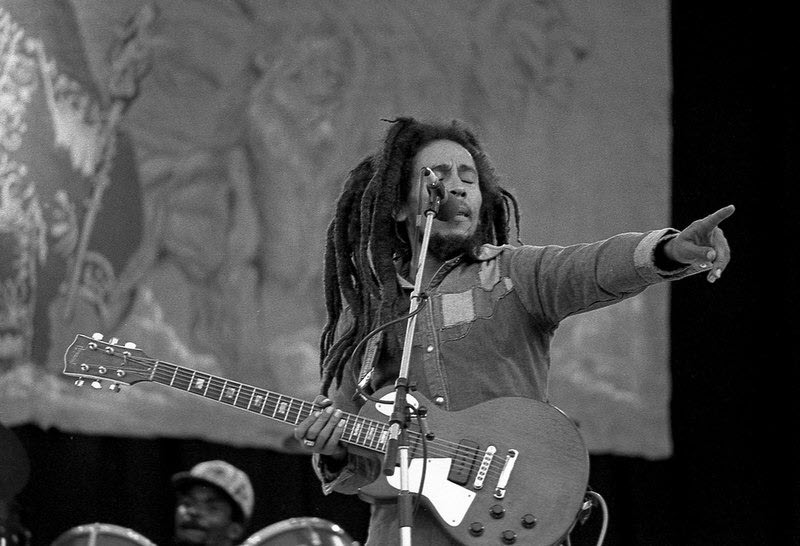
When it comes to reggae music, no name shines brighter than Bob Marley. More than just a musician, Marley was a cultural icon, revolutionary poet, and messenger of peace whose music transcended borders, languages, and generations. From the sun-soaked streets of Kingston, Jamaica, to stadiums and playlists around the world, his songs continue to echo with passion, purpose, and power. Whether it’s a call for justice, a cry of love, or an anthem of spiritual awakening, Marley’s music speaks to the soul like no other. In this article, we’re diving into the top 10 most popular Bob Marley songs of all time—the tracks that defined a movement, inspired millions, and solidified his place as the voice of reggae. These aren’t just hits—they’re timeless expressions of hope, unity, and resilience. From the uplifting melodies of Three Little Birds to the revolutionary spirit of Get Up, Stand Up, each song on this list has left an unforgettable mark on music history. So grab your headphones, turn up the volume, and join us as we celebrate the legendary catalog of a man whose voice still calls for “One Love” across the world. These are the Bob Marley songs you simply must know.
1. “No Woman, No Cry” (1974)
“No Woman, No Cry” is more than a song—it’s a comforting embrace in musical form. Released in 1974 on Natty Dread, this track quickly became one of Bob Marley’s most beloved and enduring anthems. It’s written as a message of reassurance to a woman facing hardship, yet its message of resilience speaks to anyone who has ever struggled. Marley’s lyrics nostalgically recall life in Trenchtown, painting a picture of poverty, camaraderie, and strength. The song’s gentle reggae rhythm, anchored by a warm bassline and soulful organ, gives it a soothing yet powerful quality. While the original studio version introduced its heartfelt narrative, it was the 1975 live performance at London’s Lyceum Theatre that truly captured the emotional weight of the song. That version—raw, intimate, and electrifying—helped catapult it into global consciousness. The chorus line, “Everything’s gonna be alright,” has since become a universal mantra of comfort and hope. Marley’s ability to blend political awareness with emotional sincerity is on full display here. “No Woman, No Cry” stands as a timeless ode to endurance, love, and the small, shared memories that help people survive even the toughest times.
2. “One Love / People Get Ready” (1977)
Blending spiritual conviction with joyous optimism, “One Love / People Get Ready” is one of Bob Marley’s most iconic and uplifting songs. Released in 1977 on the landmark Exodus album, the song masterfully combines Marley’s lyrics with elements of Curtis Mayfield’s classic “People Get Ready,” resulting in a call for unity that transcends genre and borders. Set against a bright, bouncing reggae rhythm, Marley encourages listeners to set aside differences, forgive, and come together in peace and love. His voice radiates warmth and urgency as he sings, “Let’s get together and feel all right,” turning a simple phrase into a global plea for harmony. The song’s infectious energy and singalong chorus have made it a staple at concerts, rallies, and moments of solidarity around the world. But underneath its cheerful sound lies a profound message—one that urges us to acknowledge our shared humanity and act with compassion. After Marley’s passing, “One Love” became even more deeply associated with his vision of justice and equality. Its enduring appeal lies in its universality; it speaks to the human spirit in times of both celebration and struggle. It’s not just a song—it’s a philosophy.
3. “Redemption Song” (1980)
“Redemption Song” is perhaps the most introspective and spiritually profound track in Bob Marley’s catalog. Released in 1980 on the Uprising album, it marked a stark departure from his usual reggae sound. Stripped down to just voice and acoustic guitar, the song is raw, vulnerable, and deeply moving. Written while Marley was battling cancer, it captures the essence of a man confronting his mortality while reaching for something eternal. Inspired in part by a speech from Black nationalist leader Marcus Garvey, the song’s core message—“Emancipate yourselves from mental slavery”—urges personal liberation and inner strength. Rather than protest with force, Marley offers a quiet but powerful reflection on freedom, truth, and spiritual resilience. The lack of heavy instrumentation puts his poetic lyrics front and center, allowing the listener to fully absorb the weight of his message. Over the years, “Redemption Song” has become a universal hymn of hope and human rights, resonating with activists, dreamers, and freedom fighters around the globe. It’s not just a farewell from Marley—it’s a gift of courage and clarity. Timeless and soul-stirring, “Redemption Song” continues to inspire people to rise above their limitations and find strength within.
4. “Three Little Birds” (1977)
If any song could instantly brighten your mood, it’s Bob Marley’s “Three Little Birds.” Released in 1977 as part of the Exodus album, the track is simplicity at its most powerful. With a lighthearted melody and an instantly recognizable chorus—“Don’t worry about a thing, ’cause every little thing gonna be all right”—the song radiates reassurance. Marley uses the image of birds singing at his doorstep as a metaphor for peace, hope, and the natural wisdom found in everyday life. Though often mistaken for a children’s song due to its cheerful tone, “Three Little Birds” carries a much deeper message. It’s about trusting in the universe, staying calm through life’s storms, and finding beauty in the small things. The gentle rhythm and breezy vibe make it a staple for feel-good playlists, but it’s the song’s emotional warmth that has given it lasting power. For generations, it has served as a musical balm, offering solace in times of stress. Whether played during peaceful mornings or challenging days, “Three Little Birds” never fails to uplift. It’s a gentle reminder from Marley that sometimes, joy and reassurance can be found in the simplest of moments.
5. “Buffalo Soldier” (1983)
Released posthumously in 1983 on the Confrontation album, “Buffalo Soldier” is one of Bob Marley’s most historically rich and politically charged songs. Though recorded during his lifetime, it gained even more relevance after his death. The track tells the story of African-American soldiers—many of whom were formerly enslaved—who were recruited by the U.S. Army in the 19th century. Marley reclaims the phrase “Buffalo Soldier” as a symbol of Black endurance and courage. The song’s catchy “woy yoy yoy” chorus contrasts sharply with its serious subject matter, creating a balance of accessibility and gravity. Marley uses the narrative to explore themes of displacement, struggle, and survival, not just in American history but throughout the African diaspora. His voice carries both pride and sorrow, reflecting the complex legacy of these forgotten warriors. The song’s rhythmic bounce makes it instantly appealing, but its lyrics urge deeper reflection. “Buffalo Soldier” is a powerful example of Marley’s ability to fuse entertainment with education, using reggae to tell stories that might otherwise be erased. It’s a musical monument to resilience, making history come alive through melody and meaning.
6. “Could You Be Loved” (1980)
“Could You Be Loved” is Bob Marley at his most infectious, blending deep messages with irresistible grooves. Released in 1980 on the Uprising album, this track merges reggae with touches of disco and funk, resulting in a sound that’s both dancefloor-ready and soul-stirring. From the opening guitar lick, the song pulses with energy, inviting listeners to move. But beyond its rhythm lies a pointed message about authenticity and self-worth. Marley warns against conformity and manipulation with lines like “Don’t let them fool ya, or even try to school ya,” encouraging listeners to stay true to themselves. The harmonies are rich, the production polished, and the mood celebratory. Yet the lyrics challenge us to reflect—can we be loved if we don’t first love and respect ourselves? The track’s universal appeal helped it become a hit across radio waves globally, further cementing Marley’s ability to blend pop sensibility with powerful themes. “Could You Be Loved” remains a testament to his musical versatility and philosophical insight, proving that great songs don’t have to sacrifice depth for catchiness. It’s a reminder that even on the dancefloor, Marley had something to say.
7. “Jamming” (1977)
“Jamming,” from the 1977 Exodus album, is pure joy in musical form. With its breezy rhythm and celebratory spirit, the song captures the essence of what reggae is all about—togetherness, liberation, and living in the moment. “We’re jamming, I hope you like jamming too,” Marley sings, inviting everyone into a space of shared freedom and positive energy. But this isn’t just a feel-good tune—it’s also a subtle declaration of cultural resilience. In Jamaican vernacular, to “jam” is to gather, often in the face of adversity, to express unity through music. Marley takes that idea and elevates it, turning a simple groove into a communal statement. Spiritual themes are woven throughout, as he sings of divine love and righteousness guiding the way. Over time, “Jamming” has become more than just a concert favorite—it’s an anthem for festivals, rallies, and family gatherings alike. The song pulses with life, reminding us that music has the power to connect, uplift, and empower. With every beat and chorus, Marley reaffirms that joy is a form of resistance, and coming together through music is a revolutionary act in itself.
8. “Stir It Up” (1973)
“Stir It Up” reveals a different side of Bob Marley—smooth, romantic, and intimate. First written by Marley in the 1960s and originally recorded by his wife, Rita Marley, the song gained wider acclaim when Marley & The Wailers included their version on the 1973 Catch a Fire album. With its relaxed tempo, soulful guitar riffs, and sensual lyrics, “Stir It Up” is a slow-burning love song that exudes warmth. Marley’s vocals are tender as he calls on his partner to reignite the spark in their relationship. Unlike his more political or spiritual tracks, this song focuses on personal connection and passion, showing his range as a songwriter. Its laid-back rhythm makes it perfect for romantic settings, while the emotional honesty in the lyrics adds depth and sincerity. “Stir It Up” became one of Marley’s early international hits, helping introduce reggae to a wider audience outside Jamaica. It’s a song that proves love can be revolutionary in its own way—gentle, soulful, and completely disarming. A timeless classic, it continues to stir hearts with every listen.
9. “Get Up, Stand Up” (1973)
“Get Up, Stand Up” is Bob Marley at his most defiant and direct. Co-written with Peter Tosh and featured on the 1973 Burnin’ album, the song is a fiery anthem of resistance. It opens with the thunderous command, “Get up, stand up, stand up for your rights,” a line that has echoed through protest movements across generations. With a tight, funky rhythm and bold lyrics, Marley calls out religious hypocrisy, systemic injustice, and spiritual passivity. The message is clear: no one is going to fight your battles for you—you have to rise and claim your freedom. The urgency in Marley’s voice, paired with the track’s relentless drive, gives the song a revolutionary power. It’s not just music—it’s a declaration of war on oppression. Over the decades, “Get Up, Stand Up” has become a global protest anthem, used by activists and human rights defenders around the world. Its impact lies in its simplicity and strength—words that are easy to chant, but packed with meaning. This track cements Marley’s place not just as a reggae icon, but as a global voice for justice and empowerment.
10. “I Shot the Sheriff” (1973)
“I Shot the Sheriff” is one of Bob Marley’s most provocative and widely interpreted songs. Released in 1973 on the Burnin’ album, it tells the story of a man who confesses to killing a sheriff—but denies killing the deputy. On the surface, it reads like a suspenseful crime tale. But dig deeper, and it becomes a layered metaphor about power, authority, and survival. Marley’s haunting delivery and the song’s laid-back groove create an atmosphere thick with tension. Some listeners see the song as a statement against systemic oppression, with the sheriff representing unjust authority. Others interpret it more literally—as a tale of a man pushed to the edge. Regardless of interpretation, it’s a powerful narrative that forces listeners to grapple with issues of justice and self-defense. The song gained mainstream popularity through Eric Clapton’s 1974 cover, but it’s Marley’s original version that carries the emotional and cultural weight. “I Shot the Sheriff” shows Marley’s brilliance as a storyteller and social commentator, blending gripping fiction with real-world resonance. It remains a bold and timeless piece of music that continues to inspire debate and reflection.

Samuel Moore is a frequent contributor to Singers Room. Since 2005, Singersroom has been the voice of R&B around the world. Connect with us via social media below.









