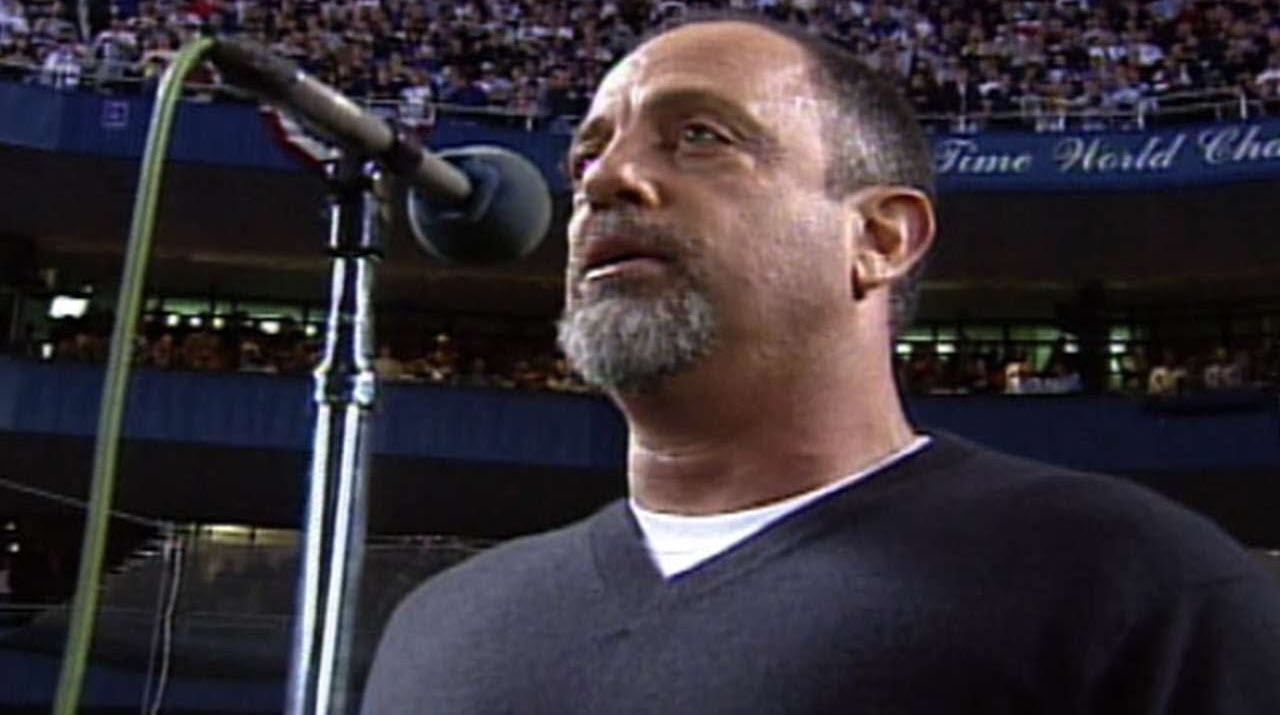
Few artists have captured the heart of America quite like Billy Joel. With a career spanning over five decades, the “Piano Man” has become a living legend — a masterful storyteller whose songs blend rock, pop, jazz, and classical influences into unforgettable anthems. From smoky ballads to foot-stomping hits, Joel’s music transcends generations, painting vivid portraits of love, loss, rebellion, and the ever-changing American landscape. Whether you’re belting out Uptown Girl on a road trip or getting misty-eyed to New York State of Mind, his songs have a way of hitting you right where it counts.
But which tracks stand above the rest? Which songs continue to echo through stadiums, playlists, and karaoke bars decades after their release? In this article, we’re counting down the top 10 most popular Billy Joel songs of all time — the timeless tunes that have defined his legacy and shaped pop culture. Whether you’re a lifelong fan or just discovering his music, this list will take you on a journey through the highlights of one of the greatest songbooks in rock history. So grab a glass of red or white, and let’s dive into the unforgettable melodies of Billy Joel.
1. Piano Man (1973)
“Piano Man,” released in 1973, stands as Billy Joel’s defining breakthrough—a song that not only introduced his storytelling prowess to the world but also cemented his role as the voice of everyday people. Inspired by his time performing under a pseudonym at the Executive Room piano bar in Los Angeles, Joel crafted an unforgettable ballad populated with vivid, melancholy characters: the real estate novelist, the waitress with dreams, and the business types nursing drinks at the end of another long day. Each verse paints a cinematic portrait of loneliness, longing, and camaraderie, all wrapped in the warm embrace of a harmonica and Joel’s waltz-like piano melody. Though it didn’t become an immediate chart-topper, “Piano Man” grew into his signature song, beloved for its unvarnished honesty and its ability to make you feel like you’re right there in that smoky bar, singing along with strangers who suddenly feel like friends. It’s more than a song—it’s a slice of life, a shared moment, and a testament to Joel’s unmatched ability to find poetry in the ordinary.
2. Uptown Girl (1983)
With “Uptown Girl,” released in 1983, Billy Joel delivered a sparkling throwback that felt both nostalgic and fresh. Drenched in the upbeat charm of 1950s doo-wop, the track is a giddy celebration of class-crossing romance, inspired in part by Joel’s relationship with supermodel Christie Brinkley. Emulating the vocal style of Frankie Valli and the Four Seasons, Joel channels a lovestruck underdog pining for a high-society beauty, mixing earnest longing with playful bravado. From its punchy piano chords to its tight vocal harmonies and infectious beat, “Uptown Girl” radiates retro energy. While it stood out in an era dominated by synth-heavy pop, its throwback appeal struck a chord worldwide, climbing to No. 3 on the U.S. Billboard Hot 100 and reaching No. 1 in the U.K. The music video, featuring Brinkley herself, only added to the song’s popularity. Joyful, lighthearted, and endlessly catchy, “Uptown Girl” has endured as one of Joel’s most fun and iconic tracks—a love letter to innocence, ambition, and the magic of opposites attracting.
3. We Didn’t Start the Fire (1989)
Billy Joel’s 1989 hit “We Didn’t Start the Fire” is nothing short of a lyrical whirlwind—a rapid-fire journey through four decades of history, culture, politics, and pop phenomena. Inspired by a conversation with a younger person who believed that chaos was a modern invention, Joel set out to prove that upheaval and unrest have always been part of the human experience. Name-dropping over 100 people, events, and milestones from 1949 to 1989, Joel unleashes a breathless barrage of references, from Marilyn Monroe to the Cold War, Elvis Presley to AIDS. Musically, the song is relatively simple—repetitive piano chords and a steady beat—but that’s the point. The minimal instrumentation allows the relentless momentum of the lyrics to take center stage. Though it sparked mixed reviews from critics, the song’s cultural resonance was immediate, reaching No. 1 on the Billboard Hot 100 and becoming a staple in classrooms and trivia nights alike. More than a song, “We Didn’t Start the Fire” is a time capsule—a dense, fascinating mosaic of modern history that continues to spark conversation and curiosity with every generation.
4. Just the Way You Are (1977)
Released in 1977 as part of the acclaimed album The Stranger, “Just the Way You Are” is one of Billy Joel’s most heartfelt and enduring ballads. Written as a tender ode to his then-wife Elizabeth Weber, the song speaks to the desire for unconditional love—loving someone not for who they could be, but exactly as they are. Its smooth, jazz-inflected arrangement, featuring a warm electric piano and a graceful saxophone solo by jazz great Phil Woods, perfectly complements the sincerity of Joel’s lyrics. Unlike many grandiose love songs, this one whispers rather than shouts, making its emotional impact even more profound. “Just the Way You Are” earned Joel his first major accolades, winning both Record of the Year and Song of the Year at the 1979 Grammy Awards. Despite the eventual end of the marriage that inspired it, the song lives on as a timeless anthem of acceptance and devotion. Often played at weddings and romantic moments, it remains a beloved favorite that captures the quiet strength of genuine love.
5. New York State of Mind (1976)
“New York State of Mind,” released in 1976 on Turnstiles, is a love letter to a city unlike any other. Written after Billy Joel’s return to New York from Los Angeles, the song radiates the comfort of homecoming and the deep, unshakable connection between artist and place. Opening with moody, bluesy piano and building with layers of smoky saxophone, the track feels like a slow cab ride through the city at twilight—nostalgic, moody, and full of soul. Joel’s vocals simmer with emotion as he name-drops locations like the Hudson River line and the New York Times, turning landmarks into lyrical touchstones. Though never released as a commercial single, the song quickly became a fan favorite and has since become synonymous with the spirit of New York itself. It’s been performed at major city events and tributes, especially during times of hardship. More than just a tribute, “New York State of Mind” captures the grit, beauty, and complexity of a city that never sleeps—and the way it becomes part of those who call it home.
6. Only the Good Die Young (1977)
“Only the Good Die Young,” a standout from The Stranger (1977), is Billy Joel at his most playful—and most controversial. With its upbeat, infectious rhythm and jaunty piano groove, the song might seem like harmless fun on first listen. But beneath the catchy exterior lies a provocative message: a challenge to religious repression and a celebration of youthful rebellion. Inspired by a Catholic girl Joel once knew, the lyrics encourage living in the moment rather than being bound by moral restraint. The song was initially met with resistance, banned by some radio stations for its risqué themes—which, ironically, only fueled its popularity. The reggae-tinged rhythm, cheeky vocals, and lyrical boldness made it both a danceable hit and a cultural lightning rod. While it stirred controversy, “Only the Good Die Young” also sparked conversations about faith, freedom, and the line between innocence and experience. Decades later, it remains a rebellious anthem of living boldly, loved for both its audacity and undeniable energy.
7. Scenes from an Italian Restaurant (1977)
“Scenes from an Italian Restaurant” is arguably Billy Joel’s most ambitious and beloved deep cut, a sprawling musical journey released in 1977 as part of The Stranger. Lasting over seven minutes, the song plays like a miniature rock opera, shifting through multiple movements and moods. It begins with a cozy piano ballad set in a neighborhood Italian restaurant, where two old friends catch up over wine and memories. From there, the story unfolds into the tale of Brenda and Eddie, high school sweethearts whose promising romance unravels in adulthood. Joel transitions seamlessly between jazz, pop, and Broadway-style arrangements, showcasing his range as both a musician and a storyteller. The song’s structure mirrors the complexity of life itself—sweet, chaotic, nostalgic, and bittersweet. Though never released as a single, it has become a cult favorite among fans and a staple of Joel’s live performances. “Scenes from an Italian Restaurant” isn’t just a song—it’s a short film in musical form, capturing the wistfulness of growing older and the beauty of shared history.
8. Movin’ Out (Anthony’s Song) (1977)
“Movin’ Out (Anthony’s Song),” from The Stranger (1977), is Billy Joel’s defiant critique of the American Dream’s empty promises. The song centers on Anthony, a working-class guy who watches those around him break their backs chasing wealth and status—only to burn out in the process. With a sharp piano riff, honking horns, and a rock-inflected swagger, the track pulses with frustration and clarity. Joel’s lyrics take direct aim at societal expectations, mocking the notion that a Cadillac, house in Hackensack, or high-paying job guarantees happiness. “It seems such a waste of time,” he sings, urging instead to live authentically. His delivery, laced with sarcasm and insight, hits a nerve for anyone who’s questioned whether climbing the social ladder is truly worth it. While not as emotionally tender as some of his ballads, “Movin’ Out” packs a punch with its mix of satire, melody, and blue-collar soul. It’s an anthem for those ready to break away from the grind and find their own path.
9. She’s Always a Woman (1977)
“She’s Always a Woman,” released in 1977, is a delicate ballad that showcases Billy Joel’s ability to capture emotional complexity with stunning poetic grace. The song, part of The Stranger, was written about his then-wife Elizabeth Weber and explores the contradictions inherent in love and femininity. The lyrics present a woman who is at once tender and tough, kind and cutting, faithful yet independent. Joel’s phrasing is nuanced, walking the line between adoration and critique, ultimately admiring her strength and unapologetic nature. Musically, the arrangement is minimalist—just Joel’s soft piano and subtle strings, which leave room for the lyrics to breathe. The simplicity enhances the intimacy of the piece, making it feel deeply personal. While the song’s chart journey was modest at first, it grew steadily in popularity and has since become one of his most cherished tunes. It resonates with listeners who understand that love, like people, is rarely simple. “She’s Always a Woman” is both timeless and tender—a masterclass in songwriting restraint and emotional depth.
10. My Life (1978)
“My Life,” released in 1978 as the lead single from 52nd Street, is Billy Joel’s declaration of independence set to a punchy piano groove and smooth pop-rock production. With lyrics that assert self-reliance and a refusal to conform, the song taps into the spirit of autonomy and personal freedom. “I don’t care what you say anymore, this is my life,” Joel proclaims, a line that quickly became an anthem for those forging their own paths. The melody is instantly catchy, and the track benefits from backing vocals by Peter Cetera and Donnie Dacus of Chicago, adding a layered polish that complements its bold message. While the lyrics reflect personal frustration, the tone remains upbeat, making it both empowering and fun to sing along to. The song peaked at No. 3 on the Billboard Hot 100 and became one of Joel’s most enduring hits. Whether you’re walking away from expectations, relationships, or limitations, “My Life” is the perfect anthem to remind you that you’re in charge of your own story.

Samuel Moore is a frequent contributor to Singers Room. Since 2005, Singersroom has been the voice of R&B around the world. Connect with us via social media below.









