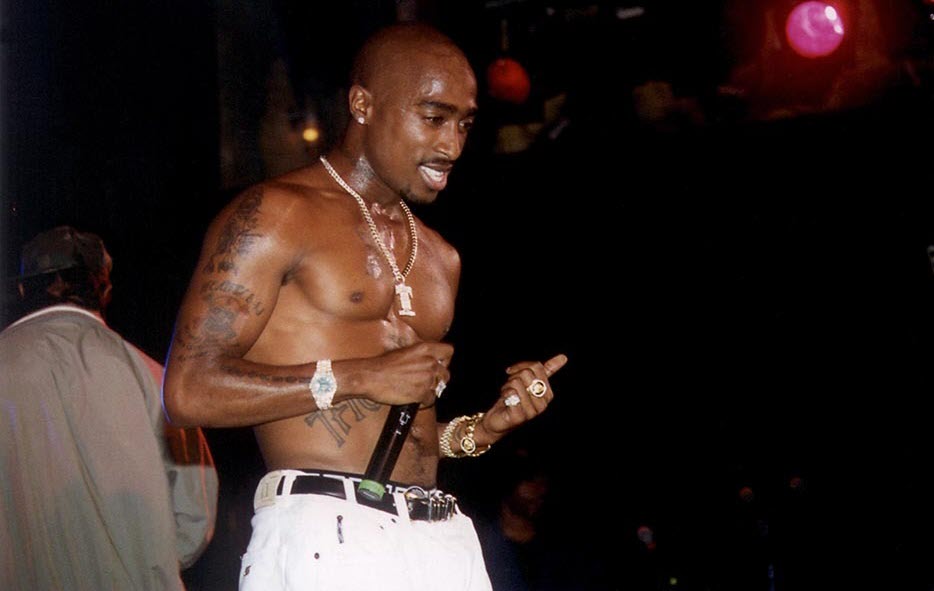
When it comes to hip-hop legends, 2Pac stands in a league of his own. More than just a rapper, he was a revolutionary voice, a poet, and a cultural icon who used music as a weapon of truth. With a career that spanned just a few years before his untimely death in 1996, Tupac Shakur still managed to leave behind a legacy that continues to influence artists and inspire fans across the globe. His songs weren’t just hits—they were statements, reflections of a man battling inner demons, societal injustice, and the weight of fame. From club anthems and street tales to heartfelt tributes and political manifestos, 2Pac’s catalog is as diverse as it is powerful. But which of his tracks truly stand the test of time? In this article, we dive into the Top 10 Most Popular 2Pac Songs of All Time—the ones that defined his legacy, shook the charts, and continue to echo through generations. Whether you’re a lifelong fan or new to his music, these songs showcase why 2Pac remains one of the most vital voices in music history. Get ready to revisit the raw emotion, unfiltered truth, and timeless energy of one of hip-hop’s greatest storytellers.
1. California Love – 1995
When “California Love” hit the airwaves in 1995, it was more than just a song—it was a triumphant moment in hip-hop history. A collaboration between two West Coast giants, 2Pac and Dr. Dre, the track was 2Pac’s grand return following his release from prison and quickly became an anthem for California pride. Dr. Dre’s production is peak G-funk—full of rolling synths, thumping basslines, and that iconic talkbox vocal from Roger Troutman, which gives the song its futuristic bounce. Lyrically, 2Pac is in full command, shouting out cities from Compton to Oakland while capturing the energy, glamour, and grit of the Golden State. The “Mad Max”-inspired music video only amplified the track’s larger-than-life appeal. But beyond the slick beat and cinematic visuals, “California Love” is a celebration of survival, freedom, and cultural identity. It was 2Pac planting his flag in the West Coast soil and reminding the world of his dominance. The track still hits like a freight train, capturing the swagger and spirit of a coast on the rise. Decades later, it remains one of hip-hop’s most enduring party anthems—and one of the genre’s most recognizable songs.
2. Changes – 1998
“Changes” stands as one of 2Pac’s most profound and emotionally powerful tracks. Though released posthumously in 1998, the song was originally recorded in 1992 and showcases Pac at his most thoughtful and politically engaged. Built around a sample of Bruce Hornsby’s “The Way It Is,” the song’s melody is instantly familiar and haunting, serving as the perfect foundation for Pac’s poignant verses. In “Changes,” he tackles everything from police brutality and racial profiling to poverty, drug addiction, and the cyclical violence plaguing Black communities. His delivery is urgent but reflective, his tone full of both despair and determination. Rather than preaching, 2Pac speaks from personal experience, making his insights all the more powerful. What’s most striking is how relevant the lyrics remain today—decades later, the issues he addressed are still pressing. “Changes” is a reminder of Pac’s unique ability to combine poetic introspection with sharp social commentary. It’s more than just a protest song—it’s a heartfelt plea for justice and unity. Catchy yet sobering, it’s one of those rare tracks that stirs both the soul and the conscience, proving 2Pac was as much a visionary as he was a rapper.
3. Hit ‘Em Up – 1996
“Hit ’Em Up” is a track that redefined what a diss record could be—raw, unfiltered, and unapologetically brutal. Released in 1996 as a B-side to “How Do U Want It,” the song finds 2Pac lashing out with pure venom at The Notorious B.I.G. and Bad Boy Records, igniting one of the most infamous feuds in hip-hop history. From the opening line—“That’s why I fed your b**, you fat motherf***r”—Pac pulls no punches. It’s a personal, rage-fueled takedown that doesn’t just aim to insult—it aims to destroy. Backed by The Outlawz, whose verses further fan the flames, Pac’s performance is fierce, relentless, and emotionally charged. The beat is hard-hitting and menacing, perfectly matching the lyrical intensity. “Hit ’Em Up” became a lightning rod for controversy, embodying the East Coast–West Coast rivalry at its peak. Critics have debated whether it crossed a line, but its impact is undeniable. It’s not just a diss track—it’s a moment frozen in time, reflecting the tensions, betrayals, and raw emotions that defined a turbulent era in rap. Love it or hate it, “Hit ’Em Up” remains one of the boldest, most talked-about tracks in hip-hop history.
4. Hail Mary – 1996
“Hail Mary” is unlike any other song in 2Pac’s catalog—a chilling, spiritual meditation on death, revenge, and salvation. Released in 1996 under his Makaveli alias on The Don Killuminati: The 7 Day Theory, the track finds Pac stepping deep into his darker, more introspective side. The production is minimal and eerie, with ghostly vocals, a slow tempo, and haunting piano lines that feel more like a requiem than a rap beat. Pac’s verses are delivered with a preacher’s cadence, as if he’s channeling pain and prophecy at once. He speaks of betrayal, divine justice, and the weight of mortality with unsettling calm. The song’s hook—“Come with me, Hail Mary, run quick see”—feels like both an invitation and a warning. Featuring The Outlawz, the track builds a sense of camaraderie in the face of an inevitable doom. “Hail Mary” showcases 2Pac not just as a rapper, but as a thinker, a storyteller, and a man haunted by the chaos around him. It’s one of the most atmospheric and thought-provoking tracks in hip-hop, offering a glimpse into the tortured soul of a man grappling with fate and legacy.
5. Dear Mama – 1995
“Dear Mama” is one of the most heartfelt songs ever recorded in hip-hop—a tribute that transcends genre, generations, and backgrounds. Released in 1995, the track is 2Pac’s open letter to his mother, Afeni Shakur, and a deeply moving reflection on love, sacrifice, and forgiveness. Over a smooth, soulful beat laced with samples from The Spinners and Joe Sample, Pac reminisces on his childhood marked by poverty and struggle, and the challenges his mother faced—including her battle with addiction. Yet, through all the hardship, he expresses nothing but respect and unconditional love. His lyrics are raw, honest, and deeply personal, showcasing a rare vulnerability in a genre often dominated by bravado. What makes “Dear Mama” so powerful is its sincerity—Pac doesn’t sugarcoat his experiences, but he honors the strength and resilience of the woman who raised him. The song became an anthem for honoring mothers everywhere and is still celebrated every Mother’s Day. “Dear Mama” isn’t just a rap song—it’s a universal message of gratitude, compassion, and redemption, proving once again that 2Pac wasn’t just a rapper—he was a poet of real life.
6. Keep Ya Head Up – 1993
Released in 1993, “Keep Ya Head Up” is one of 2Pac’s most empowering and socially conscious songs. Long before conversations about feminism and racial justice were mainstream in hip-hop, Pac used his voice to uplift women—particularly Black women—and challenge the systems that oppress them. Built around a sample of Zapp’s “Be Alright,” the song glides on a smooth, soulful groove, giving Pac’s message room to breathe. His lyrics tackle serious issues like misogyny, single motherhood, and systemic neglect, all while encouraging resilience and dignity. Pac’s tone is protective and heartfelt as he raps, “I wonder why we take from our women, why we rape our women, do we hate our women?” These aren’t just rhymes—they’re calls to self-reflection and social responsibility. The hook, simple yet powerful—“Keep ya head up”—has become an enduring mantra for perseverance in the face of adversity. This track reveals a gentler, more reflective side of 2Pac: not the outlaw, but the activist and poet. More than 30 years later, “Keep Ya Head Up” still resonates, proving that Pac’s empathy and insight were ahead of his time. It’s one of the clearest examples of how hip-hop can uplift while still delivering hard truths.
7. 2 of Amerikaz Most Wanted – 1996
When 2Pac and Snoop Dogg teamed up on “2 of Amerikaz Most Wanted,” it was a West Coast power move of epic proportions. Released in 1996 on All Eyez on Me, the song pairs two of rap’s most charismatic voices for a track that’s equal parts swagger, menace, and street wisdom. The beat is pure G-funk—smooth, funky, and laced with a touch of danger. Snoop and Pac trade verses like two outlaws who’ve beaten the odds, flaunting their survival while still looking over their shoulders. Their chemistry is undeniable; they sound like they’re having a blast while telling tales of run-ins with the law, disloyal enemies, and life in the fast lane. The song’s laid-back confidence makes it feel like a victory lap for both artists. Despite its playful tone, there’s a deeper narrative of defiance and resilience underneath. “2 of Amerikaz Most Wanted” has become a staple of West Coast rap—a celebration of loyalty, legacy, and living unapologetically. It’s not just a standout from All Eyez on Me, it’s a fan favorite that captures the charisma and attitude that made both Pac and Snoop icons in their own right.
8. I Ain’t Mad at Cha – 1996
“I Ain’t Mad at Cha,” released shortly after 2Pac’s death in 1996, is one of his most contemplative and emotionally mature songs. Built around a soulful piano sample and a mellow, laid-back beat, the track finds Pac reflecting on change—specifically how people grow apart as life takes them in different directions. Instead of bitterness, he expresses understanding and even admiration for those who’ve chosen a different path, particularly those who’ve left behind street life for a more peaceful or spiritual existence. His delivery is warm, reflective, and sincere, showing a level of emotional intelligence that often gets overlooked in discussions of his music. The chorus, sung by Danny Boy, adds a smooth and haunting touch that perfectly complements Pac’s verses. What makes the song even more powerful is the eerily prophetic music video, which depicts Pac being shot and entering the afterlife. “I Ain’t Mad at Cha” feels like a heartfelt farewell, both to his listeners and to the life he once lived. It’s a powerful reminder that beneath his defiant exterior, 2Pac was constantly evolving—an artist who was unafraid to show vulnerability and offer peace in a world that gave him little of it.
9. Ambitionz Az a Ridah – 1996
“Ambitionz Az a Ridah” isn’t just a song—it’s a mission statement. As the opening track to 2Pac’s 1996 double album All Eyez on Me, it immediately sets the tone for everything that follows. With its hypnotic piano loop, thunderous bass, and tightly coiled rhythm, the production—handled by Daz Dillinger—is as menacing as it is mesmerizing. From the first line, “I won’t deny it, I’m a straight ridah / You don’t wanna f*** with me,” Pac is in full warrior mode. The lyrics are brash, unflinching, and dripping with defiance. He raps with a sharp, urgent intensity, asserting his dominance and letting the world know he’s back and more dangerous than ever. It’s not just bravado—it’s a declaration of survival after prison, betrayal, and years of personal struggle. “Ambitionz Az a Ridah” quickly became one of Pac’s most iconic tracks and a rallying cry for those living with their backs against the wall. It’s a song built on grit and unshakable confidence, and its legacy lives on as one of the ultimate anthems of thug life and resilience. This is 2Pac at his rawest, most relentless, and absolutely magnetic.
10. Brenda’s Got a Baby – 1991
Released in 1991, “Brenda’s Got a Baby” was the world’s first glimpse of 2Pac as more than just a rapper—he was a storyteller with a conscience. Inspired by a real-life news story about a 12-year-old girl who became pregnant and was discarded by society, the song tells a heartbreaking tale of neglect, poverty, and systemic failure. Over a somber, minimalist beat, 2Pac delivers a vivid and gut-wrenching narrative, detailing how Brenda’s tragic circumstances lead her into a downward spiral. What makes the track so powerful is the empathy in Pac’s voice; he doesn’t sensationalize Brenda’s story—he humanizes her, mourns her, and challenges listeners to care. At just 20 years old, 2Pac was already addressing issues many rappers wouldn’t touch, from sexual abuse to generational poverty. “Brenda’s Got a Baby” served as a warning and a wake-up call about the realities of inner-city life and the people society chooses to ignore. It marked the beginning of Pac’s legacy as hip-hop’s social conscience. Even decades later, it remains one of the most emotionally impactful songs ever recorded in the genre—a stark, poetic reminder that behind every statistic is a real, suffering human being.

Samuel Moore is a frequent contributor to Singers Room. Since 2005, Singersroom has been the voice of R&B around the world. Connect with us via social media below.









