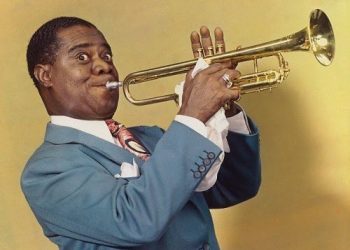
The Green Mountain State might be small in size, but when it comes to musical talent, Vermont hits a high note. Nestled among its scenic hills and maple trees is a vibrant, often underrated music scene that has given the world some truly unforgettable voices. From soulful rockers and indie folk darlings to genre-defying innovators, Vermont has nurtured artists whose sounds have echoed far beyond its borders. Whether they were born here, raised here, or found inspiration in its quiet beauty, these singers have left an indelible mark on the music world.
This list celebrates the Top 10 Most Popular and Famous Singers from Vermont—artists who’ve not only gained national and international recognition but have also stayed true to their roots. Their music spans genres, generations, and emotions, but they all share a connection to the Green Mountains and the creative spirit they inspire. Some are household names; others are rising stars who are redefining what it means to come from a small town with big dreams.
So turn up the volume and get ready to dive into the stories and songs of Vermont’s finest—because this state’s musical legacy is louder and more powerful than you might expect.
1. Radiohead
Radiohead isn’t just a band—they’re an evolution, a shift in how we experience music itself. Emerging from Oxfordshire in the early ’90s with their grunge-tinged debut Pablo Honey, they quickly shed the trappings of alt-rock fame to embark on one of the most daring artistic journeys in modern music. With The Bends and OK Computer, they fused soaring guitar work with existential lyrics, capturing the alienation of a generation teetering on the edge of the digital age. But it was Kid A and Amnesiac that truly rewrote the rules—swapping riffs for glitchy beats, eerie synths, and ambient textures, leaving behind traditional rock forms. Thom Yorke’s haunting falsetto, paired with Jonny Greenwood’s avant-garde guitar experimentation, became the band’s emotional and sonic signature. Radiohead’s music doesn’t just resonate—it challenges, disturbs, and comforts all at once. Whether confronting surveillance culture, ecological disaster, or personal disconnection, their albums feel like cryptic, beautiful warnings. They’ve never clung to trends—instead, they’ve defined their own lane, one that many have tried to follow but few can match. Over decades, Radiohead has remained uncompromising and visionary, proving time and again that music can be both cerebral and soul-stirring.
2. Björk
Björk is a sonic pioneer whose work defies convention at every turn. Hailing from Iceland, her music echoes the raw beauty and unpredictability of her homeland. Since launching her solo career with Debut in 1993, Björk has consistently blurred the boundaries between electronic experimentation, orchestral grandeur, and avant-garde pop. Her voice is its own instrument—fragile, explosive, and instantly recognizable. Albums like Homogenic, Vespertine, and Medúlla aren’t just records; they are immersive emotional landscapes where sound and feeling merge into something deeply human and otherworldly. But Björk’s artistry isn’t limited to audio. She’s a multimedia visionary, constantly collaborating with visual artists, fashion designers, and tech innovators to reimagine what an album can be—from groundbreaking music videos to virtual reality experiences. Each new project feels like a glimpse into a parallel universe uniquely her own. Unafraid to explore vulnerability, nature, technology, and the body, she invites listeners into a world where contradictions coexist: delicate yet fierce, primitive yet futuristic. Björk doesn’t just push boundaries—she erases them entirely. In a world of formulas and repetition, she remains defiantly original, reminding us that art, at its best, should be as complex and limitless as we are.
3. Kendrick Lamar
Kendrick Lamar is one of the most vital storytellers in modern music—an artist who bridges the personal and political with unmatched depth. Growing up in Compton, California, Kendrick turned his lived experiences into narratives that both reflect and dissect America’s cultural fabric. His breakout album good kid, m.A.A.d city was a cinematic coming-of-age tale wrapped in hypnotic beats and razor-sharp bars. But it was To Pimp a Butterfly that elevated him to a cultural icon—fusing jazz, funk, and soul with bold commentary on race, power, and identity. Each album since has expanded his vision, with DAMN. earning him a Pulitzer Prize for its masterful balance of vulnerability, spirituality, and lyrical precision. Kendrick’s ability to speak truth while pushing the boundaries of hip-hop sonically and structurally is rare. His verses are dense with meaning, often inviting multiple listens to fully grasp. But beyond the music, Kendrick is a voice of conscience in a chaotic world—an artist unafraid to wrestle with contradiction, faith, and legacy. His impact goes far beyond charts or awards; it’s in the way he’s reshaped what hip-hop can achieve. Kendrick Lamar doesn’t just make hits—he makes history.
4. Daft Punk
Daft Punk didn’t just make electronic music—they redefined it, transforming the genre into something cinematic, emotional, and timeless. The French duo, Guy-Manuel de Homem-Christo and Thomas Bangalter, burst onto the scene in the mid-’90s with Homework, a gritty, funk-infused debut that helped lay the foundation for modern house music. But it was Discovery that catapulted them to global stardom, blending vintage disco, sci-fi aesthetics, and euphoric melodies into classics like “One More Time” and “Digital Love.” Known for their enigmatic robot personas, Daft Punk built a mystique that let the music speak louder than any image. Their live performances—especially the legendary Alive 2007 tour—set new standards for electronic shows, merging light, sound, and emotion into an unforgettable experience. In 2013, Random Access Memories showed yet another reinvention, trading samples for live instrumentation and nabbing Grammy gold with “Get Lucky.” Even after their breakup in 2021, their influence remains everywhere—from pop charts to underground clubs. Daft Punk didn’t just follow trends; they predicted them. With a rare mix of innovation and soul, they left behind more than songs—they left behind a blueprint for artistic integrity in the digital age.
5. Fleetwood Mac
Fleetwood Mac is a band whose music feels both timeless and deeply personal. Formed in London in 1967 as a blues group, they underwent multiple evolutions before becoming the classic lineup that would define a generation: Stevie Nicks, Lindsey Buckingham, Christine McVie, John McVie, and Mick Fleetwood. Their 1977 masterpiece Rumours turned inner-band turmoil—breakups, betrayals, and emotional chaos—into rock’s most compelling soap opera. But the brilliance of Fleetwood Mac lies in their ability to transform pain into poetry. Songs like “Go Your Own Way,” “Dreams,” and “The Chain” aren’t just hits—they’re cathartic, beautifully layered expressions of human complexity. Their harmonies are lush, their songwriting impeccable, and their emotional honesty striking. Even as members came and went, the band continued to evolve, releasing albums that experimented with new sounds while staying true to their emotional core. Whether you’re dancing, healing, or reminiscing, there’s a Fleetwood Mac song that fits. Their legacy isn’t just in record sales or iconic performances—it’s in the way their music has soundtracked countless lives. Fleetwood Mac didn’t just survive drama; they made it sing.
6. Nine Inch Nails
Nine Inch Nails is the sound of chaos turned into art. Founded in the late ’80s by Trent Reznor, NIN emerged as a singular force in industrial rock—fusing electronic beats, distorted guitars, and soul-baring lyrics into something raw and revolutionary. With albums like Pretty Hate Machine, The Downward Spiral, and With Teeth, Reznor turned his personal demons into sonic confessionals, exploring themes of addiction, alienation, and control with both rage and vulnerability. Each track feels like an exorcism, yet the production is meticulously crafted—layered, tense, and cinematic. But NIN isn’t just about volume and violence; there’s a strange beauty beneath the distortion, a haunting clarity that connects deeply with anyone who’s ever felt lost in their own mind. Reznor’s brilliance extends beyond the band—he’s an acclaimed film composer alongside Atticus Ross, scoring everything from The Social Network to Soul. Still, Nine Inch Nails remains his most intimate creation. It’s music that doesn’t just confront darkness—it lives in it, studies it, and then releases it in a scream, a whisper, or a deafening pulse. For many, NIN isn’t just a band—it’s a lifeline.
7. Tame Impala
Tame Impala is Kevin Parker’s sonic dreamscape—a place where psychedelia, pop, and introspection collide in dazzling technicolor. What began as a solo project in his bedroom in Perth, Australia has grown into one of the most celebrated acts in modern music. Parker writes, records, and produces every track himself, sculpting lush, swirling albums like Lonerism, Currents, and The Slow Rush. His songs are awash in synths, reverb-drenched guitars, and hypnotic grooves, but at their core, they explore deeply human themes: loneliness, change, and the passage of time. Tame Impala’s music feels like nostalgia seen through a prism—familiar yet futuristic, melancholic yet euphoric. Parker has also become a sought-after producer, lending his touch to artists like Rihanna, Lady Gaga, and Travis Scott. Yet Tame Impala remains a singular vision, where Parker turns solitude into sonic transcendence. Whether you’re dancing under the stars or lying awake in reflection, his music feels like a personal soundtrack to both the highs and the lows. With each release, Tame Impala proves that even the quietest thoughts can echo loudly—and beautifully—when given the right sound.
8. Janelle Monáe
Janelle Monáe is a multi-dimensional artist who defies categorization and thrives on reinvention. Blending music, fashion, activism, and futuristic storytelling, she’s built a world entirely her own. Rooted in funk, soul, pop, and Afrofuturism, her early albums—The ArchAndroid and The Electric Lady—introduced her android alter ego, Cindi Mayweather, and a universe where music became resistance. Then came Dirty Computer, a bold celebration of queer identity, Black womanhood, and unapologetic self-expression. It earned critical acclaim and a Grammy nomination, cementing Monáe as a cultural force. But her artistry goes far beyond the studio. As a fashion icon and actor (Moonlight, Glass Onion), Monáe uses every platform to tell stories that challenge, liberate, and inspire. Her performances are electric, theatrical, and deeply intentional. Every song, every outfit, every move carries meaning. She doesn’t just create art—she creates worlds where everyone who’s ever felt like an outsider can feel seen and powerful. Monáe is a torchbearer for radical joy, freedom, and future-forward thinking. In an industry that often rewards conformity, she’s a brilliant reminder that authenticity and imagination are revolutionary acts.
9. The Cure
The Cure is the soundtrack of beautiful sadness—an enduring band that made vulnerability not only acceptable, but essential. Formed in the late ’70s and led by the inimitable Robert Smith, they helped pioneer post-punk and gothic rock with a sound that was as melancholic as it was melodic. Smith’s aching voice, wild hair, and smeared lipstick became iconic, but it’s the emotional depth of The Cure’s music that resonates most. Albums like Disintegration and Pornography plunge into themes of heartbreak, depression, and existential dread, wrapped in atmospheric soundscapes that feel like a dream you can’t quite wake from. Yet, The Cure isn’t all gloom—songs like “Just Like Heaven” and “Friday I’m in Love” show their capacity for joy, whimsy, and lightness. Their emotional range is vast, and their music offers comfort for anyone who’s ever felt out of place. Over four decades, they’ve influenced countless artists and maintained a devoted global fanbase. The Cure never chased trends—they carved out their own space, one where feeling deeply is a superpower. In a world that often demands emotional armor, The Cure invites us to take it off and just feel.
10. Portishead
Portishead crafts music that whispers where others shout. Emerging from the Bristol trip-hop scene in the 1990s, the trio—Beth Gibbons, Geoff Barrow, and Adrian Utley—created a sound that felt like late-night confessions set to noir film scores. Their debut Dummy introduced the world to their unique blend of downtempo beats, ghostly samples, and Gibbons’ chillingly intimate vocals. Rather than aim for radio hits or club anthems, Portishead’s music lingers in emotional twilight—unfolding slowly, layered with longing, regret, and quiet defiance. Albums like their self-titled Portishead and the stark, unsettling Third only deepened their mystique. Gibbons sings like she’s revealing secrets too personal for daylight, and her vulnerability is both haunting and magnetic. The band’s meticulous production turns silence and space into instruments themselves. Though never prolific, every Portishead release feels deliberate, like a diary entry shared only when ready. Their influence runs deep, shaping the textures of modern electronic, alternative, and even pop music. Portishead doesn’t aim to overwhelm—they envelop, pulling you into a world of shadows and soft-spoken truths. In an era of noise, they remind us of the power of quiet.

Samuel Moore is a frequent contributor to Singers Room. Since 2005, Singersroom has been the voice of R&B around the world. Connect with us via social media below.