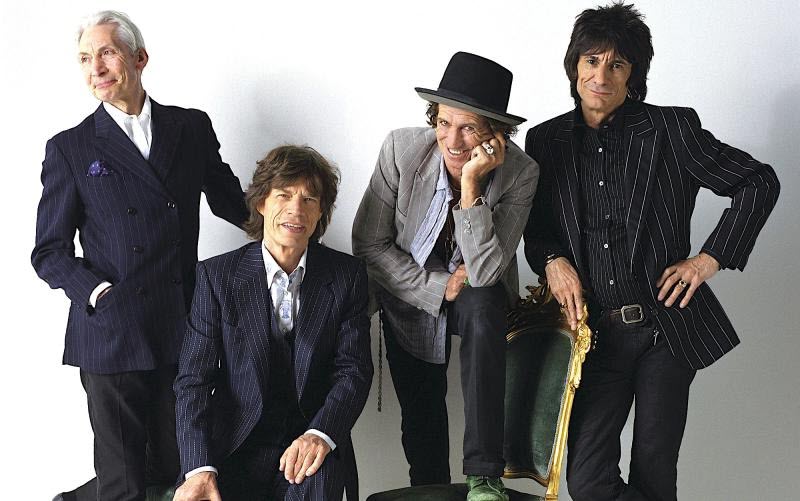
Few bands have shaped the sound and spirit of rock ‘n’ roll quite like The Rolling Stones. With a career spanning over six decades, they’ve delivered some of the most electrifying, rebellious, and unforgettable music ever recorded. From gritty blues roots to swaggering rock anthems and poignant ballads, the Stones have done it all — and they’ve done it with unmatched attitude. Their music isn’t just heard; it’s felt — in stadiums, through speakers, and across generations. But with a catalog as vast and influential as theirs, which songs truly stand out as the most iconic? Get ready to crank up the volume as we take a thrilling ride through the top 10 most popular Rolling Stones songs of all time. These tracks aren’t just hits — they’re cultural milestones that have defined decades, shattered expectations, and cemented the Stones’ place as the ultimate rock legends. Whether you’re a lifelong fan or brand new to their gritty grooves, this list will remind you exactly why the Rolling Stones have earned their crown — and why their music still rocks with the same raw power today. Let the countdown begin!
1. “(I Can’t Get No) Satisfaction” (1965)
Few songs have captured the spirit of rebellion like “(I Can’t Get No) Satisfaction.” Released in 1965, it became a defining moment for The Rolling Stones and the generation they spoke for. The instantly recognizable guitar riff—dreamed up by Keith Richards in the middle of the night and laid down with a fuzzbox—cuts like a knife through the noise of conformity. Mick Jagger’s vocals ooze frustration and contempt as he rails against consumer culture, sexual repression, and the emptiness of modern life. This wasn’t just another pop tune—it was a shot across the bow of mainstream sensibilities. It quickly became the band’s first No. 1 hit in the U.S., cementing their role as the edgier, grittier counterpoint to The Beatles’ clean-cut image. The song’s raw power, driving rhythm, and lyrical bite made it an anthem of youthful dissatisfaction and a cornerstone of rock history. Even decades later, it hasn’t lost an ounce of its urgency. It’s the kind of song that feels like it’s always on the verge of breaking loose—ferocious, honest, and undeniably iconic. “Satisfaction” wasn’t just a breakthrough for the Stones—it was a turning point for rock music itself.
2. “Paint It Black” (1966)
“Paint It Black” burst onto the scene in 1966, a stark and daring departure from The Rolling Stones’ earlier blues-rooted sound. The opening sitar riff, played by Brian Jones, immediately signals that this song isn’t interested in sticking to the usual formula. Inspired by the rising fascination with Eastern music and culture, the song blended rock with Indian instrumentation in a way that felt both fresh and foreboding. But it’s the emotional weight of the lyrics that gives “Paint It Black” its lasting power. Mick Jagger’s voice drips with despair as he sings of grief, depression, and emotional numbness, painting his entire world black in the wake of loss. Charlie Watts’ relentless drumming and Bill Wyman’s brooding bassline build a sense of unstoppable momentum beneath the anguish. It became the first U.S. No. 1 single to feature a sitar, but more importantly, it marked a turning point in the Stones’ artistic evolution. They weren’t just a rock band anymore—they were sonic explorers unafraid to venture into darkness. “Paint It Black” remains one of their most haunting and impactful songs, a psychedelic elegy that still resonates with listeners grappling with their own shadows.
3. “Gimme Shelter” (1969)
“Gimme Shelter” isn’t just a song—it’s a warning siren. Released in 1969 at the height of societal unrest, it opens with an eerie, echoing guitar line from Keith Richards that sounds like a storm rolling in. The mood is instantly apocalyptic. Mick Jagger’s lyrics don’t pull any punches, invoking war, rape, and murder with a chilling calm. But it’s Merry Clayton’s searing guest vocals—especially her unforgettable scream of “rape, murder—it’s just a shot away”—that elevate the song to something otherworldly. Her performance is raw, visceral, and entirely unforgettable. “Gimme Shelter” set the tone for the Let It Bleed album and reflected the chaos of the late ’60s, from Vietnam to the Altamont tragedy that would soon follow. The Stones weren’t glamorizing darkness—they were channeling it, capturing a moment when everything felt like it was falling apart. The interplay between the ominous lyrics and the soulful gospel-inspired delivery makes the song both terrifying and beautiful. Today, “Gimme Shelter” stands as one of the most powerful pieces of protest rock ever recorded—a relentless cry for refuge in a world that seems permanently on the brink.
4. “Sympathy for the Devil” (1968)
Drenched in controversy and layered with poetic brilliance, “Sympathy for the Devil” is one of The Rolling Stones’ most daring creations. Released in 1968 on Beggars Banquet, the track casts Mick Jagger as Lucifer himself, recounting humanity’s darkest moments with eerie detachment and sardonic charm. The samba-style rhythm, driven by Latin percussion and piano, creates an unsettling contrast to the grim historical references—from the crucifixion of Christ to the Russian Revolution. It’s not just provocative for shock’s sake; the lyrics challenge listeners to confront the nature of evil and the role we all play in shaping it. The track was deeply misunderstood at the time, drawing accusations of devil worship, but it’s really a biting satire—an intellectual exercise wrapped in hypnotic grooves. The band’s rhythmic experimentation, especially with congas and hand percussion, gives the song a unique pulse that strays far from their blues roots. “Sympathy for the Devil” forced audiences to think as much as it compelled them to move. It’s become an enduring symbol of rock’s capacity to provoke, to question, and to push boundaries—proof that the Stones were never afraid to blur the lines between sinner and saint.
5. “Angie” (1973)
Gentle and heartfelt, “Angie” revealed a side of The Rolling Stones that fans hadn’t quite seen before. Released in 1973 as the standout ballad from Goats Head Soup, the song swaps swagger for sincerity, with Mick Jagger delivering a pained goodbye to a love that just couldn’t last. Keith Richards’ acoustic guitar work is understated and tender, while Nicky Hopkins’ haunting piano lines add emotional gravity. The identity of “Angie” has been the subject of endless speculation—was it Angela Bowie, Keith’s daughter, or just a fictional muse? But in truth, the song’s strength lies in its universality. It’s about heartbreak, regret, and that complicated peace that comes when a relationship ends. “Angie” reached No. 1 in the U.S. and remains one of the band’s most beloved slow songs, proving that they could master melancholy just as effectively as they delivered grit. In a catalog filled with rock anthems and rebellious hits, “Angie” stands out as a moment of vulnerability—a beautifully rendered ballad that connects on a deeply human level.
6. “Start Me Up” (1981)
“Start Me Up” blasted into the 1980s like a jolt of electricity. Released in 1981 on Tattoo You, it became one of The Rolling Stones’ last truly massive hits—and a defining track of the decade. The song actually started life as a reggae experiment during the Some Girls sessions, but after being reworked into a straight-ahead rocker, it roared to life with Keith Richards’ razor-sharp riff leading the charge. From the opening guitar strum, the energy is undeniable, and Mick Jagger’s cheeky, innuendo-laced vocals only heighten the sense of fun and swagger. It’s pure adrenaline from start to finish—brash, infectious, and impossible to sit still to. The song dominated radio, soundtracked countless sporting events, and even became synonymous with a certain tech company’s global campaign, bringing it to a whole new generation. “Start Me Up” is more than just a great Rolling Stones song—it’s a cultural touchstone, a go-to anthem for kicking things into high gear. Decades later, it still sounds like it’s revving up for something big, and its live performances remain a guaranteed highlight of any Stones concert. It’s rock and roll distilled into its purest, most immediate form.
7. “Jumpin’ Jack Flash” (1968)
By 1968, The Rolling Stones were ready to strip away the psychedelic experimentation of Their Satanic Majesties Request and return to their roots. “Jumpin’ Jack Flash” was the thunderous result. Fueled by a raw, swampy guitar riff from Keith Richards and Charlie Watts’ thumping drums, the song roars with renewed confidence and swagger. Mick Jagger’s lyrics are surreal and defiant—”I was born in a crossfire hurricane” remains one of the most iconic opening lines in rock. It’s a song of survival and transformation, wrapped in bluesy grit and garage-band ferocity. Released as a stand-alone single, it immediately became a live favorite and has remained in heavy rotation at Stones concerts for decades. The energy is primal, the sound unapologetically stripped-down. “Jumpin’ Jack Flash” isn’t about subtlety—it’s a full-throttle burst of what the band does best: dirty, driving rock and roll. In many ways, it marked the rebirth of The Rolling Stones, solidifying their status as the world’s most dangerous rock band. The song is timeless not because it’s polished, but because it captures the raw power of a band reclaiming its identity and unleashing it with full force.
8. “Brown Sugar” (1971)
“Brown Sugar” is a track that’s as incendiary as it is infectious. Released in 1971 as the lead single from Sticky Fingers, it opens with one of the most recognizable guitar riffs in rock history—gritty, jagged, and impossible to ignore. Keith Richards’ playing is on fire, and Charlie Watts drives the beat with relentless force. Mick Jagger delivers the lyrics with sly charisma, but the song’s subject matter—race, slavery, and sexuality—has long sparked controversy. The lyrics, though undeniably provocative, are part of a broader commentary on power, exploitation, and taboo that was characteristic of the era’s boundary-pushing rock. Musically, however, “Brown Sugar” is pure Stones: raunchy, raucous, and irresistibly groovy. It captures the band’s ability to turn even the most contentious themes into a foot-stomping, stadium-filling anthem. Over the years, the track has remained a fixture of their live shows, though it’s also prompted ongoing debates about representation and responsibility in music. No matter where you stand on the lyrics, the song’s sonic impact is undeniable. “Brown Sugar” is rock and roll in its most unapologetically raw form—loud, dangerous, and unforgettable.
9. “Wild Horses” (1971)
“Wild Horses” is one of The Rolling Stones’ most emotionally resonant songs, a slow-burning ballad that captures the ache of love and the inevitability of loss. Released in 1971 on the Sticky Fingers album, it reveals a softer, more introspective side of the band. The song’s origins are rooted in both personal heartbreak and creative introspection, with Jagger and Richards crafting lyrics that speak to the pain of leaving someone you still deeply care for. The melody is simple but deeply affecting—Richards’ acoustic guitar work weaves a delicate foundation for Jagger’s aching vocal delivery. The song straddles the line between rock and country, with a tenderness that’s rare in the band’s discography. It’s not about flashy riffs or rebellious swagger—this is a song for quiet moments and long drives, for reflecting on what we’ve had and what we’ve lost. Over the years, “Wild Horses” has been covered by countless artists, each finding new depth in its haunting refrain. But the original remains unmatched—a moment of vulnerable clarity from a band more often known for its bravado. It’s proof that even rock legends can have their hearts broken.
10. “You Can’t Always Get What You Want” (1969)
“You Can’t Always Get What You Want” closes Let It Bleed with a sense of grandeur and bittersweet wisdom. From its opening notes—featuring the angelic London Bach Choir—it’s clear this is no ordinary Rolling Stones song. What begins with solemn elegance soon gives way to a gospel-tinged rock epic, with piano, French horn, acoustic guitar, and a swelling choir accompanying Jagger’s reflective vocals. The lyrics walk a tightrope between idealism and resignation, delivering one of the most memorable lines in music history: “You can’t always get what you want, but if you try sometimes, you just might find you get what you need.” It’s a message of comfort and hard-earned clarity that resonated deeply at the end of the turbulent 1960s—a decade filled with dreams both realized and crushed. Musically ambitious and emotionally rich, the song encapsulates the Stones’ ability to mix rock attitude with lyrical substance. It’s often used to close their concerts, and for good reason—it leaves the audience with a feeling of catharsis, reflection, and maybe even a little hope. It’s a reminder that even in disappointment, there’s room for grace.

Samuel Moore is a frequent contributor to Singers Room. Since 2005, Singersroom has been the voice of R&B around the world. Connect with us via social media below.









