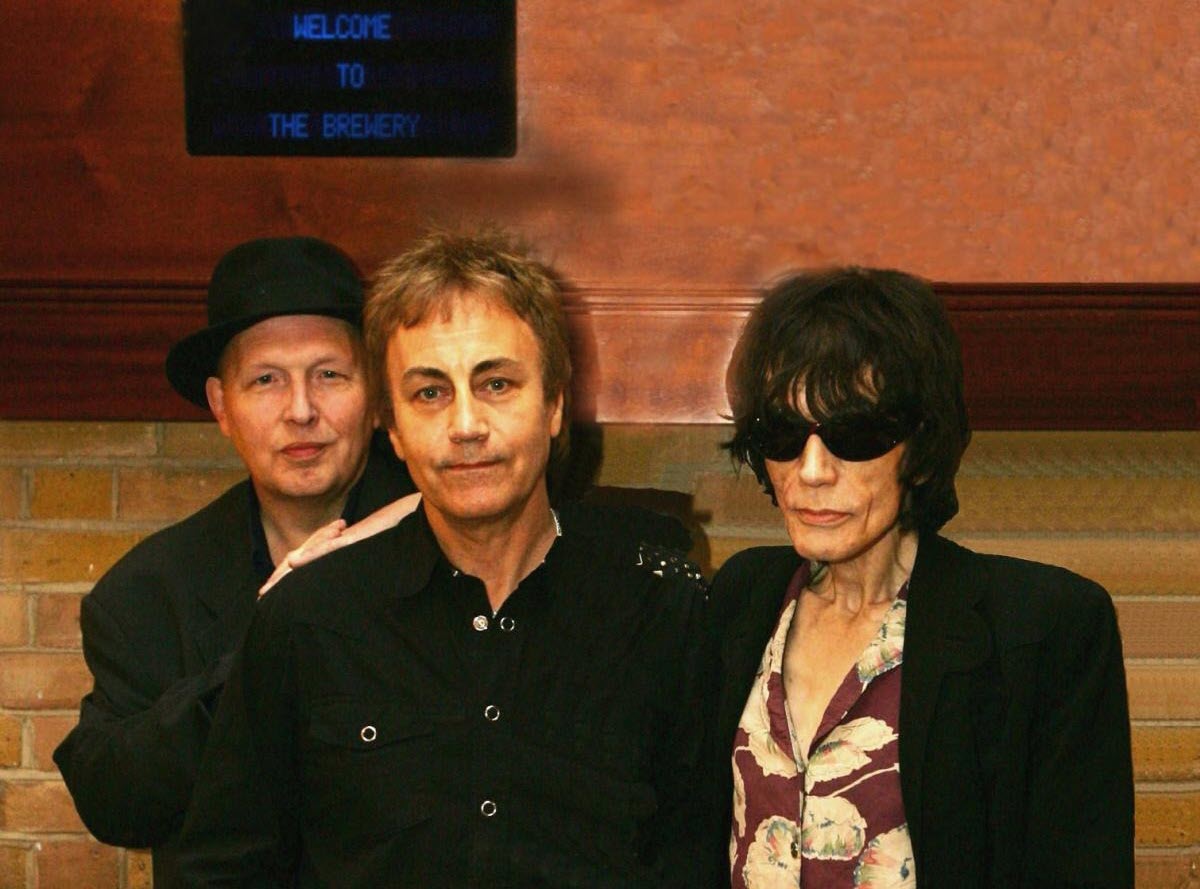
In the vibrant tapestry of rock music, few bands have managed to weave together raw emotion and infectious melodies quite like The Only Ones. Emerging from the bustling punk scene of the late 1970s, this British band quickly captivated audiences with their unique sound—a blend of punk energy, pop sensibility, and poignant lyrics. With hits that span a range of themes, from love and longing to existential musings, The Only Ones carved a niche that resonates with listeners across generations.
As we delve into the top 10 most popular songs of The Only Ones, prepare to embark on a melodic journey that showcases their evolution as artists and their undeniable impact on the music landscape. From their iconic guitar riffs to Peter Perrett’s distinctive voice, each track tells a story that captures the essence of human experience. Whether you’re a long-time fan or new to their music, this countdown will remind you of the timeless quality that makes The Only Ones a cornerstone of rock history. Get ready to relive the magic and discover why these songs remain cherished anthems that continue to inspire and entertain.
1. Another Girl, Another Planet (1977)
“Another Girl, Another Planet” is often hailed as one of the most essential power pop tracks of its era, and for good reason. Released in 1977, this song by The Only Ones effortlessly combines punk energy with emotional depth, telling a story that feels both wild and intimate. The jangly guitars and Peter Perrett’s slightly drawled vocals create a sonic landscape that captures the excitement, confusion, and melancholy of fleeting love affairs. Lyrically, it touches on themes of obsession, escapism, and the emotional rollercoaster of being in love with someone new—and perhaps with the idea of love itself. The chorus is undeniably catchy, and the melody has a staying power that keeps it fresh with every listen. Even though the band never became a household name, this track earned cult status and influenced a wide range of artists across punk, indie, and alternative genres. “Another Girl, Another Planet” isn’t just a song—it’s a feeling. It wraps up youthful recklessness, romantic thrill, and emotional vulnerability in under four minutes. That’s what makes it timeless and why it continues to find new fans decades after its release.
2. Solex (1978)
“Solex,” released in 1978, is a moody, introspective track that highlights The Only Ones’ ability to weave emotional nuance into a rock-driven arrangement. It’s a song that lives in the grey areas—between joy and sorrow, confidence and doubt. The rhythm is steady and propulsive, carried by sharp guitar licks that mirror the lyrical tension. Perrett’s voice, with its distinctive fragility and edge, carries the song’s emotional weight, diving into themes of identity, disillusionment, and longing for connection in a chaotic world. There’s a certain existential unease embedded in the song—an internal dialogue trying to make sense of life and love. While “Solex” doesn’t hit with the immediate pop appeal of some of the band’s bigger tracks, it rewards careful listening with its layered instrumentation and reflective lyricism. It captures the vulnerability and weariness that often lie beneath the surface of our daily struggles. This track showcases how The Only Ones could merge punk’s raw energy with poetic storytelling, offering listeners something that’s both emotionally resonant and musically gripping. It’s a song that invites you to sit with it, reflect, and maybe even see a bit of yourself within its lines.
3. Baby’s Got a Gun (1978)
“Baby’s Got a Gun” is a gritty, energetic track that delivers both edge and melody in perfect balance. Released in 1978, the song opens with a punch and never lets go, pulling listeners into a world where danger and desire collide. The title itself is loaded with metaphor and attitude, hinting at a narrative where love becomes entangled with chaos, perhaps even violence—emotional or otherwise. Perrett’s vocals ride the wave of guitar-heavy instrumentation, conveying both swagger and vulnerability. The track’s punk-influenced sound is unmistakable, but it also possesses a kind of rock ‘n’ roll sheen that keeps it from feeling too raw or unpolished. The chorus is bold, with just enough grit to make it stick in your head. More than just a rebellious anthem, the song speaks to the volatility of relationships—the power struggles, the intensity, the unpredictability. “Baby’s Got a Gun” captures that explosive emotional space in a tight, hook-laden package. It’s one of those tracks that begs to be played loud, a perfect example of The Only Ones’ ability to channel emotional chaos into compelling, urgent music that still resonates today.
4. The Whole of the Law (1978)
“The Whole of the Law,” released in 1978, is a haunting and poetic track that explores the complexities of love, morality, and emotional devotion. The song begins with a gentle, almost dreamy guitar line that sets the tone for Perrett’s reflective, emotionally raw vocals. It’s a piece that feels both intimate and philosophical, questioning the limits we impose on ourselves and others in the name of love. The lyrics are beautifully ambiguous—part romantic confession, part existential musing—allowing listeners to find their own meaning in the words. Musically, the band creates a rich, layered atmosphere with subtle dynamics that mirror the song’s lyrical depth. It’s one of those tracks that grows more poignant the more you listen. At just over two minutes, it’s remarkably concise yet emotionally expansive. It feels like a whispered secret or a final thought scribbled in a notebook—fleeting but profound. “The Whole of the Law” is a testament to The Only Ones’ ability to move beyond the punk and power pop labels often assigned to them, proving that they were capable of profound emotional storytelling wrapped in deceptively simple melodies.
5. No Peace for the Wicked (1980)
“No Peace for the Wicked,” released in 1980, dives headfirst into the darker corners of human experience. The track simmers with tension, driven by a tightly wound rhythm and melancholic guitar work that sets a haunting tone. Perrett’s vocals are weary yet compelling, narrating a tale of inner turmoil, societal conflict, and personal unrest. The lyrics touch on themes of guilt, alienation, and the search for solace in a world that rarely offers it. There’s an existential weight to the song that feels deeply relatable—particularly to anyone who’s struggled to find meaning or peace in the midst of chaos. Despite its heavy themes, the song is undeniably catchy, with hooks that pull you in and a chorus that lingers long after the music stops. It’s a striking example of The Only Ones’ ability to create music that is both sonically engaging and emotionally resonant. “No Peace for the Wicked” doesn’t offer easy answers, but it gives listeners a space to confront their own inner demons through music. It’s a compelling and cathartic listen that still feels relevant in today’s complex, fast-moving world.
6. I Don’t Want to Talk About It (1980)
“I Don’t Want to Talk About It,” released in 1980, is a deeply affecting song that captures the pain of emotional vulnerability and the difficulty of confronting hurt. From the opening notes, there’s a palpable sense of sadness and introspection that sets this track apart from The Only Ones’ more upbeat offerings. Perrett’s voice carries a weariness that feels incredibly human—as if he’s reliving every heartbreak while singing each line. The instrumentation is restrained but expressive, with gentle guitar and subtle percussion building a somber mood that lets the lyrics breathe. This isn’t a song about resolution—it’s about avoidance, about trying to push past pain even as it lingers just beneath the surface. The repeated refrain of not wanting to talk about it rings true for anyone who has ever struggled to put their feelings into words. The track’s emotional honesty, paired with its melancholic beauty, makes it one of the most poignant moments in the band’s catalog. “I Don’t Want to Talk About It” is a song you sit with—quietly, maybe alone—and let it remind you that sometimes, silence speaks volumes.
7. The Big Sleep (1978)
“The Big Sleep,” released in 1978, is a haunting, atmospheric track that explores themes of mortality, detachment, and emotional numbness. There’s an eerie elegance to the song, with its slow-burning rhythm and shadowy guitar lines casting a spell that’s both unsettling and hypnotic. Perrett’s vocals feel distant, almost ghostlike, as he delivers lyrics that reflect on life’s impermanence and the quiet allure of letting go. The phrase “the big sleep” is often used as a euphemism for death, and here it serves as a metaphor for escape—not just from life, but from pain, love, and disappointment. What makes the song so powerful is its subtlety; nothing is overstated, yet the emotion behind every note is unmistakable. It’s the kind of track that creeps up on you and leaves you reflecting long after it ends. This song showcases The Only Ones’ ability to move beyond traditional punk or rock tropes and dive into more poetic, introspective territory. “The Big Sleep” isn’t just a song—it’s an experience, one that invites listeners to contemplate the quiet corners of their own minds and hearts.
8. My Rejection (1979)
“My Rejection,” released in 1979, is a visceral and emotionally charged anthem that captures the sting of being turned away—whether by a lover, a friend, or the world itself. The Only Ones turn that raw emotion into music that’s both cathartic and infectious. The guitar work is sharp and unrelenting, propelling the song forward with a sense of urgency, while Perrett’s voice balances between wounded vulnerability and defiant strength. Lyrically, the track delves into the mental spiral that often follows rejection: self-doubt, confusion, and the desperate need for validation. What makes “My Rejection” so memorable is that it doesn’t try to sugarcoat those feelings—it meets them head-on with poetic honesty and powerful musicianship. The chorus is instantly catchy, yet it never loses its emotional weight. This track exemplifies the band’s talent for blending deeply personal themes with irresistible melodies. It’s a song that resonates with anyone who’s ever felt cast aside but still found the courage to keep moving forward. “My Rejection” turns pain into art—and in doing so, reminds listeners that they’re not alone in theirs.
9. Another Girl, Another Planet (Live) (1980)
The 1980 live version of “Another Girl, Another Planet” captures The Only Ones at their most electric and alive. While the studio version of this beloved track is polished and powerful, the live rendition brings a raw, visceral energy that amplifies its emotional core. You can feel the crowd’s anticipation, the adrenaline of the band, and the connection that happens when a great song meets a live audience. Perrett’s voice cracks with emotion, and the guitars feel more urgent—less restrained, more volatile. The slightly faster tempo and edgier sound give the performance a punkier feel, adding a new layer of intensity to the song’s tale of love, addiction, and longing. It’s not just a repeat of the original; it’s a reimagining. The spontaneity and imperfections of the live setting bring out new shades of feeling that you might not catch on the album version. This performance proves why The Only Ones were such a compelling live band and why “Another Girl, Another Planet” remains one of their most enduring songs. Hearing it live is like hearing it for the first time all over again—raw, real, and unforgettable.
10. The Only Ones (1976)
“The Only Ones,” released in 1976, is a self-titled track that introduces listeners to the band’s unique identity—equal parts punk attitude, melodic finesse, and lyrical sophistication. From the very first chord, the song commands attention with its tight instrumentation and hook-laden structure. But beneath the surface, it’s more than just a great rock song—it’s a mission statement. The lyrics reflect a sense of separation and individuality, tapping into the feelings of not quite belonging, of standing on the edges of scenes, trends, and expectations. Perrett’s vocals carry a tone of weary defiance, suggesting someone who’s seen too much to be naive but still holds on to a sliver of hope. The track is both a declaration of independence and a subtle invitation to anyone who’s ever felt like an outsider. “The Only Ones” is a fitting introduction to the band’s ethos: smart, emotionally complex, and unwilling to follow the rules. In just a few minutes, they set the tone for everything that would follow in their music—beautifully flawed, brutally honest, and undeniably original.

Edward Tomlin is a frequent contributor to Singers Room. Since 2005, Singersroom has been the voice of R&B around the world. Connect with us via social media below.









