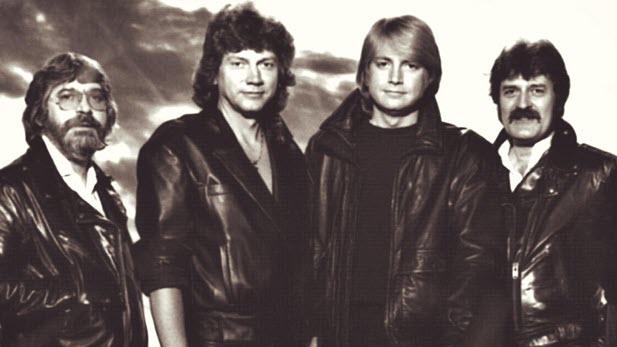
Few bands have carved as distinct and timeless a path through the landscape of rock music as The Moody Blues. Blending symphonic grandeur with poetic introspection, they pioneered a sound that bridged the experimental spirit of the 1960s with the polished sophistication of later decades. From their orchestral rock epics to their synth-laced ‘80s reinvention, The Moody Blues captivated generations with music that was as emotionally stirring as it was sonically groundbreaking. Whether you discovered them through the haunting strings of Nights in White Satin or the soaring optimism of Your Wildest Dreams, their songs have a way of staying with you—resonating across time, memory, and imagination.
In this countdown, we’re diving deep into the Top 10 Most Popular Moody Blues Songs of All Time—tracks that not only defined their legacy but also left an indelible mark on rock history. These songs span eras, moods, and styles, yet all carry the unmistakable touch of a band that never stopped pushing musical boundaries. So whether you’re a lifelong fan or a curious newcomer, get ready to journey through decades of brilliance, where lush harmonies, philosophical lyrics, and unforgettable melodies meet in perfect harmony. Let the music and the memories begin.
1. Nights in White Satin (1967)
“Nights in White Satin” is more than a song—it’s an emotional odyssey. Released in 1967 on Days of Future Passed, this iconic track became The Moody Blues’ signature masterpiece. At just 19 years old, Justin Hayward penned lyrics that captured the aching loneliness and yearning of unrequited love. His vocal delivery, tender and vulnerable, blends perfectly with sweeping orchestration provided by the London Festival Orchestra. Mike Pinder’s haunting Mellotron adds an ethereal layer, creating a dreamy, almost cosmic atmosphere that became a hallmark of progressive rock. The song closes with the spoken-word piece “Late Lament,” a philosophical musing on time and human longing that turns the track into a poetic meditation. While it didn’t make a huge splash on initial release, “Nights in White Satin” soared in popularity when re-released in 1972, becoming a massive international hit. It endures not only for its sonic beauty but for the raw emotional depth it conveys. With its seamless fusion of rock, classical, and poetry, the song stands as a timeless testament to the band’s ambition and emotional reach.
2. Tuesday Afternoon (Forever Afternoon) (1967)
“Tuesday Afternoon” offers a more gentle, introspective side of The Moody Blues, capturing the spirit of the late 1960s with poetic grace. Found on their 1967 landmark album Days of Future Passed, the song opens with soft acoustic guitar and Justin Hayward’s vivid, thoughtful lyrics about walking through a field and pondering life’s mysteries. It feels like a quiet moment of reflection in the middle of the chaos, a musical escape into sunlight and stillness. The Mellotron adds a layer of lushness, slowly building into a richer orchestral swell that gives the track a dreamlike feel. The subtitle “Forever Afternoon” hints at the song’s goal—to bottle the warmth and wonder of an everlasting moment. While it wasn’t a chart-topping hit like “Nights in White Satin,” it became a staple on progressive and classic rock radio, admired for its lyrical sincerity and melodic beauty. It remains a favorite among fans and a shining example of how the band could blend folk, rock, and symphonic elements to create something deeply personal yet universally resonant.
3. Question (1970)
“Question” bursts out of the gate with urgency and conviction, showcasing The Moody Blues at their most politically and emotionally engaged. Released in 1970 as the lead single from A Question of Balance, it starts with Justin Hayward’s frantic acoustic guitar strumming and impassioned vocals, demanding answers about war, love, and the state of the world. These were questions that resonated deeply during the Vietnam War era, and Hayward’s delivery channels both frustration and hope. Midway through, the song shifts gears—slowing into a reflective, melodic section that explores vulnerability and peace. This dramatic contrast highlights the band’s brilliance in balancing intensity with introspection. Musically, “Question” is a rollercoaster ride—dynamic, complex, and unforgettable. It became one of their biggest UK hits and a live show favorite, often performed with heightened energy and emotion. The track’s power lies in its timelessness; its themes remain relevant, its structure still daring. More than just a protest song or love song, “Question” is a musical plea for clarity in a chaotic world.
4. The Story in Your Eyes (1971)
In under three minutes, “The Story in Your Eyes” delivers a thunderbolt of emotion and energy. Released in 1971 on Every Good Boy Deserves Favour, the track marked a shift in The Moody Blues’ sound—leaning more toward rock while retaining their signature introspection. The song’s opening guitar riff is electric and urgent, immediately gripping the listener. Justin Hayward’s vocals are raw and intense as he explores themes of truth, emotional exposure, and the elusive nature of connection. While the track lacks the orchestral flourishes of earlier works, Mike Pinder’s Mellotron remains present, adding depth beneath the rock-forward production. It’s this blend of muscle and mysticism that gives the song its unique power. Lyrically, it suggests an emotional confrontation—reading someone not by their words, but by the story in their eyes. Though concise, it packs a punch and has remained a fan favorite for decades. It’s a standout not only for its catchy energy but for the emotional clarity it achieves in such a compact form.
5. Ride My See-Saw (1968)
Opening 1968’s In Search of the Lost Chord, “Ride My See-Saw” immediately sets the tone for an album that’s both energetic and contemplative. Written and sung by bassist John Lodge, the track explodes with driving guitar riffs, a pulsing bassline, and a sense of youthful rebellion. But beneath the sonic exuberance lies a deeper message—challenging societal expectations and exploring the highs and lows of self-discovery. The titular see-saw becomes a metaphor for life’s emotional and philosophical ups and downs, making the track as intellectually probing as it is fun. Unlike the more orchestral works on previous albums, this song taps into the band’s psychedelic and Eastern influences, a direction the rest of the album would follow. It’s bold, rhythmic, and irresistibly catchy, proving that The Moody Blues could rock hard without losing their reflective core. Over time, “Ride My See-Saw” became a concert staple, beloved for its dynamic energy and philosophical bite. It’s a high-powered anthem for questioning minds.
6. Your Wildest Dreams (1986)
By the mid-1980s, The Moody Blues had evolved, and “Your Wildest Dreams” was the perfect vehicle for their rebirth. Released in 1986 on The Other Side of Life, this synth-pop gem saw the band embracing a sleek, modern sound without abandoning their emotional sincerity. Written by Justin Hayward, the song is a wistful look back at a past romance and the aching curiosity about how life turned out for a former love. Its sparkling synthesizers and polished production place it squarely in the MTV era, yet Hayward’s heartfelt delivery and lyrical depth keep it grounded. The accompanying music video, which depicted the younger band and their rise to fame, struck a chord with audiences and earned heavy rotation on television. It became one of their biggest hits in the U.S., introducing them to a new generation of fans. “Your Wildest Dreams” proved that the band could adapt to changing times while keeping their core emotional resonance intact—a bittersweet anthem for anyone who’s ever looked back and wondered, “What if?”
7. I’m Just a Singer (In a Rock and Roll Band) (1973)
“I’m Just a Singer (In a Rock and Roll Band)” is The Moody Blues at their most defiant. Released in 1973 on Seventh Sojourn, this John Lodge-penned rocker pushes back against the idea that musicians are sages or spiritual guides. Instead, it reclaims the identity of the band as artists and entertainers, not prophets. With its thunderous rhythm section, blazing guitars, and powerful vocals, the track is one of the most aggressive in their catalog. Lyrically, it offers a dose of realism, confronting fans and critics who may have read too deeply into the band’s earlier, more philosophical work. Yet, it doesn’t abandon the big questions—it reframes them through the lens of human limitation. The track’s hard-hitting sound helped it climb the U.S. charts, and it remains a concert favorite, often closing shows with its celebratory energy. “I’m Just a Singer” stands as a rare moment of self-aware pushback, a declaration of the band’s true role in the cultural conversation.
8. Isn’t Life Strange (1972)
“Isn’t Life Strange” is a deeply reflective piece that showcases the more contemplative side of The Moody Blues. Released in 1972 on Seventh Sojourn, the song was written by John Lodge and features a slow, almost hymn-like progression that mirrors its philosophical tone. Built on a mournful melody and layered with elegant orchestration, the track evokes a sense of quiet wonder about life’s unpredictable twists. Lodge’s vocals are calm and measured, allowing the emotional nuance of the lyrics to gradually unfold. The Mellotron and lush arrangements lend the song a baroque-pop grandeur, making it feel timeless and emotionally resonant. Unlike the band’s more commercial hits, “Isn’t Life Strange” is a slow burn—it doesn’t grab you right away but grows richer with each listen. It’s a meditation on fate, love, and the passage of time, the kind of track that rewards patient ears and thoughtful reflection. It remains a hidden gem in their discography, beloved by fans who appreciate its emotional complexity.
9. The Voice (1981)
Released in 1981 on Long Distance Voyager, “The Voice” captures The Moody Blues confidently transitioning into the new wave-influenced sound of the ’80s. Justin Hayward’s vocals soar over shimmering synths and crisp production, crafting a song that feels both spiritually grounded and futuristic. The lyrics focus on inner guidance, intuition, and universal connection—classic themes for the band—but now delivered with renewed clarity and modern energy. The track’s anthemic chorus and driving rhythm make it one of their most radio-friendly efforts, and it resonated widely, becoming a Top 20 hit in the U.S. “The Voice” stands out as a successful evolution of their style, retaining the soul of their psychedelic and symphonic roots while embracing the sound of a new musical era. It’s a song that feels like a bridge—between past and future, introspection and affirmation. Whether you’re discovering it for the first time or revisiting it decades later, “The Voice” remains an uplifting and inspiring listen.
10. Gemini Dream (1981)
“Gemini Dream” is where The Moody Blues let loose and embrace the pop-rock sensibilities of the early 1980s. Released in 1981 on Long Distance Voyager, the track was co-written by Justin Hayward and John Lodge and marked a distinct stylistic shift. With its catchy synth bassline, punchy tempo, and infectious energy, the song has all the hallmarks of a radio-friendly hit. The lyrics play with the idea of duality, imagination, and movement—fitting for a song named after the zodiac sign known for its twin nature. There’s a playful vibe to “Gemini Dream,” a confidence in its hook-driven approach that shows the band was not afraid to evolve. While it departs from their orchestral roots, it maintains the lyrical depth that fans had come to expect. The track became one of their biggest U.S. successes, proving The Moody Blues could reinvent themselves without losing their identity. “Gemini Dream” is a bold, catchy, and exciting slice of early ’80s optimism, and it cemented their relevance in a new musical decade.

Samuel Moore is a frequent contributor to Singers Room. Since 2005, Singersroom has been the voice of R&B around the world. Connect with us via social media below.









