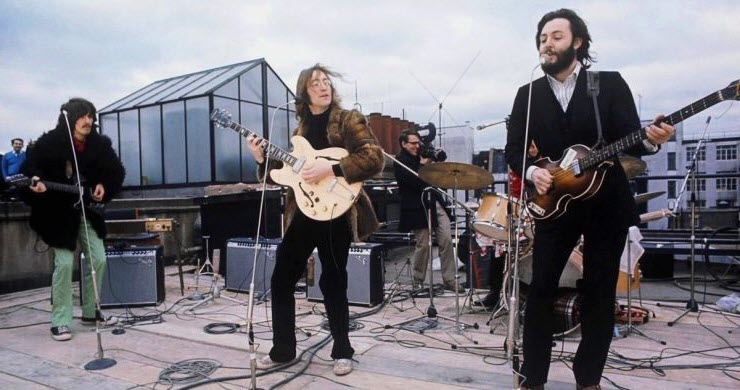
The Beatles, often hailed as the greatest band in music history, revolutionized the music landscape with their innovative sound and timeless lyrics. From their early days in Liverpool to their meteoric rise on the global stage, the Fab Four crafted an extensive catalog that has left an indelible mark on culture and continues to resonate with fans across generations. But which of their iconic tracks truly stand out? In this article, we delve into the top 10 most popular Beatles songs of all time, celebrating the melodies that defined an era and shaped the future of music.
From the harmonious bliss of “Hey Jude” to the psychedelic experimentation of “Lucy in the Sky with Diamonds,” each song tells a unique story, reflecting the band’s evolution and artistry. Whether you’re a lifelong Beatlemaniac or a newcomer to their enchanting world, prepare to embark on a musical journey that showcases the brilliance of John, Paul, George, and Ringo. Join us as we countdown these unforgettable hits, filled with nostalgia, emotion, and the revolutionary spirit that only The Beatles could deliver. Let the music play!
1. Hey Jude (1968)
“Hey Jude” is more than just a song — it’s a comforting anthem that has uplifted millions for decades. Written by Paul McCartney to console John Lennon’s son, Julian, during his parents’ divorce, the song delivers a timeless message of reassurance and hope. Opening with a gentle, piano-driven melody, McCartney’s tender vocals encourage the listener to not be afraid of sadness and to embrace the hope of better days. As the track progresses, it gradually builds in intensity, culminating in an unforgettable, almost hypnotic sing-along section of “na-na-na” that stretches for over four minutes. This iconic outro transforms the song into a communal experience of joy and release. The combination of heartfelt lyrics, soaring orchestration, and emotional delivery makes “Hey Jude” feel like a musical embrace. It’s a song that transcends generations, often sung together at concerts, celebrations, and even moments of personal struggle. Its universal message — to take a sad song and make it better — continues to resonate with listeners worldwide. Decades after its release, “Hey Jude” remains one of The Beatles’ most enduring and beloved masterpieces.
2. Let It Be (1970)
“Let It Be” is a song of solace, acceptance, and quiet strength. Written by Paul McCartney during a turbulent time both personally and for The Beatles, it was inspired by a dream in which his late mother, Mary, appeared to him offering comforting words — “Let it be.” This simple yet profound phrase became the heart of the song’s message: to trust in the passage of time and allow things to unfold as they should. With its gentle piano chords, soothing harmonies, and spiritual undertones, the track feels like a calming prayer in the midst of chaos. McCartney’s voice carries both reassurance and vulnerability, offering listeners a peaceful refuge from life’s storms. The lyrics don’t promise that problems will disappear but rather that comfort and clarity will come in due time. Released during the band’s breakup, it served as a farewell of sorts, reflecting both sorrow and serenity. “Let It Be” has since become one of The Beatles’ most universally beloved songs, frequently played at memorials, gatherings, and moments when people need encouragement to find peace amid uncertainty.
3. Yesterday (1965)
“Yesterday” is a beautifully melancholic reflection on lost love, regret, and the longing for simpler times. Written and performed solely by Paul McCartney, it marked a departure from The Beatles’ rock roots, embracing a minimalist approach featuring just an acoustic guitar and a haunting string quartet. The vulnerability in McCartney’s voice perfectly matches the introspective lyrics — “Why she had to go, I don’t know, she wouldn’t say…” — capturing the universal pain of wondering what went wrong. Its timeless melody has an elegant simplicity that resonates deeply with anyone who has experienced heartbreak or change. Despite its stripped-back production, “Yesterday” carries immense emotional weight, demonstrating that sometimes the simplest songs can leave the most profound impact. The song quickly became one of the most covered tracks in music history, with artists from every genre offering their own renditions. “Yesterday” remains a testament to McCartney’s songwriting genius and The Beatles’ willingness to experiment beyond the confines of pop music. Even today, it continues to touch listeners with its raw honesty and haunting beauty.
4. Come Together (1969)
“Come Together,” released in 1969, is a hypnotic blend of blues, rock, and surreal poetry that stands as one of The Beatles’ most distinctive tracks. Opening with that iconic, slinky bass line, the song instantly pulls listeners into a groove that’s both cool and mysterious. John Lennon’s cryptic lyrics introduce eccentric characters — “He wear no shoeshine, he got toe-jam football…” — each seemingly representing a piece of counterculture or perhaps even subtle nods to his bandmates. Lennon’s laid-back yet commanding vocal delivery enhances the song’s enigmatic charm, while Ringo Starr’s drumming provides a tight, infectious rhythm. The song feels like a sonic puzzle, open to interpretation — is it a call for unity, a playful jab at fame, or simply lyrical nonsense? Whatever the meaning, its swagger and cool attitude are undeniable. The fusion of bluesy guitar licks, layered harmonies, and rhythmic precision creates a sound that feels both laid-back and powerful. “Come Together” remains one of The Beatles’ most beloved and recognizable tracks, proving that sometimes groove and mystery are the perfect combination.
5. A Hard Day’s Night (1964)
“A Hard Day’s Night” captures the whirlwind excitement of Beatlemania and the relentless pace of fame. Released in 1964 as the title track for their first feature film, the song kicks off with one of the most famous opening chords in rock history — a jangling burst of sound that immediately commands attention. John Lennon’s lively vocals narrate the experience of working tirelessly only to find joy and comfort in returning home to a loved one. Paul McCartney’s harmonies add warmth and balance, contributing to the song’s infectious energy. The upbeat tempo, paired with George Harrison’s crisp guitar riffs and Ringo Starr’s driving drumbeat, creates a sense of joyful urgency. Beneath its catchy exterior lies an authentic reflection of the band’s hectic lifestyle at the time, constantly touring, recording, and engaging with adoring fans. The song embodies the youthful optimism and sheer fun that defined The Beatles’ early years. Its enduring appeal comes not only from its unforgettable melody but also from its honest depiction of finding meaning and happiness in the midst of life’s chaos.
6. Help! (1965)
“Help!” might sound like an energetic pop anthem, but at its core, it’s one of John Lennon’s most honest cries for assistance. Written during a period when The Beatles were grappling with overwhelming fame and personal turmoil, Lennon later admitted that the song was a genuine expression of his vulnerability and unhappiness behind the scenes. Despite its upbeat tempo and singable chorus, the lyrics reveal a man feeling increasingly lost — “Help me if you can, I’m feeling down…” The contrast between the joyful, driving beat and the plea for emotional support adds a compelling depth to the track. Ringo’s steady drums, George’s crisp guitar fills, and the group’s signature harmonies give the song an infectious energy that disguises the raw emotion underneath. “Help!” serves as a turning point in The Beatles’ songwriting, marking a shift from carefree love songs to more introspective, honest reflections. Its universal message — the courage it takes to admit you need help — resonates just as powerfully today as it did in 1965.
7. All You Need Is Love (1967)
“All You Need Is Love” is a universal anthem of peace, simplicity, and compassion. Written by John Lennon for the first live global television broadcast, Our World, in 1967, the song was designed to convey a message everyone could understand: love is the answer. Its opening brass flourish and familiar strains of “La Marseillaise” immediately set a grand, celebratory tone. The Beatles blend simple, repetitive lyrics with an eclectic arrangement, featuring a mix of orchestral instruments, harpsichord, and layers of harmony. The message isn’t buried in metaphor — it’s direct and powerful: love transcends borders, conflicts, and differences. The singalong chorus reinforces that sense of unity, making it easy for audiences worldwide to join in. Released during the Summer of Love, the song captured the idealism of the 1960s counterculture while offering a timeless truth that continues to resonate. Beyond its historical context, “All You Need Is Love” endures as a reminder that, despite the complexities of life, the simplest virtues often hold the greatest power.
8. Twist and Shout (1963)
“Twist and Shout” is pure, unfiltered rock and roll energy. Though originally written by Phil Medley and Bert Berns and recorded by other artists, it’s The Beatles’ version — especially John Lennon’s famously raspy vocal — that made it legendary. Recorded at the very end of a marathon studio session in 1963, Lennon’s voice was already worn out, which only added to the raw, gritty feel of his performance. The moment he belts the opening scream, you know you’re in for something electric. Backed by Ringo’s pounding drums, Paul’s enthusiastic harmonies, and George’s rhythmic guitar, the song explodes with infectious joy. Lyrically simple but irresistibly fun, “Twist and Shout” invites everyone to get up, move, and shout along. It became a staple at Beatles concerts and remains one of their most enduring covers. The track perfectly captures the youthful exuberance of the early ’60s and the sheer, unrestrained power of rock and roll at its finest. Even decades later, it’s impossible to hear this song and not want to dance.
9. Something (1969)
“Something,” written by George Harrison, is often hailed as one of the most beautiful love songs ever penned — not just by The Beatles, but in the history of popular music. Released in 1969 on the Abbey Road album, the song is a masterclass in simplicity, elegance, and emotional depth. From the very first guitar notes, Harrison sets a tender, romantic mood that feels both intimate and timeless. His lyrics — “Something in the way she moves attracts me like no other lover…” — capture the mystery and allure of love without needing to overcomplicate it. The gentle verses swell into a soaring bridge, supported by lush orchestration and one of Harrison’s most tasteful and melodic guitar solos. Unlike many Beatles songs that leaned on playful or experimental lyrics, “Something” is direct, sincere, and profoundly moving. Its universal appeal has led to countless covers by artists ranging from Frank Sinatra to James Brown. For Harrison, this song wasn’t just a career highlight — it was his declaration that his songwriting was every bit as powerful as Lennon’s or McCartney’s.
10. Lucy in the Sky with Diamonds (1967)
“Lucy in the Sky with Diamonds” is a psychedelic voyage through a surreal dreamscape that epitomizes The Beatles’ experimental period. Inspired by a drawing from John Lennon’s son, Julian, the song paints vivid scenes of “tangerine trees” and “marmalade skies,” inviting listeners into a fantastical world that feels straight out of a storybook. Musically, it’s a masterful blend of whimsical melodies, a haunting organ, and Lennon’s ethereal vocals, which float above the shifting tempo from the airy verses to the punchy, upbeat choruses. While often associated with psychedelic culture — partly due to the coincidental initials spelling “LSD” — Lennon consistently denied that the song was about drugs, insisting it stemmed purely from his imagination. Regardless of its origins, “Lucy in the Sky with Diamonds” remains a defining track of the Sgt. Pepper’s Lonely Hearts Club Band era, showcasing the band’s willingness to push the boundaries of what pop music could be. It’s not just a song; it’s an invitation to escape reality, if only for a few enchanting minutes.

Edward Tomlin is a frequent contributor to Singers Room. Since 2005, Singersroom has been the voice of R&B around the world. Connect with us via social media below.









