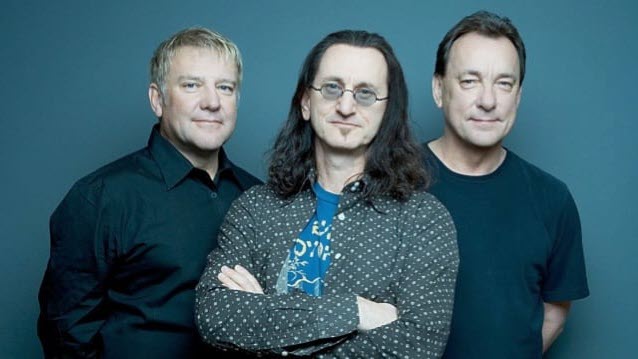
Few bands have pushed the boundaries of rock music quite like Rush. With their unmatched fusion of complex musicianship, thought-provoking lyrics, and genre-defying innovation, the Canadian power trio built a legacy that spans over four decades and inspired generations of musicians and fans alike. Whether you were drawn in by Neil Peart’s thunderous, poetic drumming, Geddy Lee’s soaring vocals and virtuosic bass, or Alex Lifeson’s electrifying guitar work, Rush offered something that went far beyond the ordinary. Their music wasn’t just heard—it was experienced. From sprawling sci-fi epics to tight, radio-friendly anthems, Rush continually evolved while staying true to their artistic vision. In this article, we’re diving headfirst into the Top 10 Most Popular Rush Songs of All Time—tracks that not only define their storied career but also capture the essence of what made them legends. These aren’t just fan favorites; they’re cultural milestones, concert staples, and timeless compositions that still electrify listeners today. So crank up the volume, cue the air drums, and join us on a journey through the songs that turned a Canadian trio into one of the most revered bands in rock history. This is Rush at their very best.
1. Tom Sawyer (1981)
When “Tom Sawyer” roared out as the opening track of Moving Pictures in 1981, it instantly stamped itself as Rush’s defining anthem. A perfect storm of musicianship and vision, the song fuses cerebral lyrics, innovative synths, and hard-hitting rock in a way that few bands could ever replicate. Geddy Lee’s rubbery bass lines dance with Neil Peart’s explosive yet precise drumming, while Alex Lifeson’s searing guitar solo slices through the complex arrangement with emotion and finesse. The lyrics, co-written with Pye Dubois, offer a modern twist on Mark Twain’s icon of youthful rebellion—now reimagined as a fiercely independent figure navigating a conformist world. It’s a powerful ode to nonconformity and intellectual freedom, making it much more than just a prog-rock hit. “Tom Sawyer” became an instant fan favorite and a mainstay in Rush’s live performances, its dynamic shifts and layered textures remaining endlessly captivating. More than four decades later, it still sounds fresh and vital—a song that challenges your mind while thrilling your ears. In many ways, “Tom Sawyer” is the perfect introduction to Rush’s genius: technical, thoughtful, and unmistakably bold.
2. Limelight (1981)
“Limelight,” another standout from Moving Pictures (1981), pulls back the curtain on the complex relationship between fame and personal identity. Written largely by Neil Peart, who often wrestled with the demands of being in the public eye, the lyrics are a poetic meditation on the alienating effects of celebrity. “I can’t pretend a stranger is a long-awaited friend” captures this tension with poignant clarity. Musically, the track strikes a balance between accessibility and depth—Lifeson’s fluid, emotive guitar riff anchors the song, while Geddy Lee’s voice channels both vulnerability and defiance. The guitar solo, one of Lifeson’s most expressive, simmers with restrained passion, adding emotional gravity without overstatement. Unlike some of Rush’s more fantastical or conceptual songs, “Limelight” is grounded and deeply human. It’s an introspective track that reveals the band’s own growing pains as they rose to international fame. Despite its personal origins, the song resonates universally with anyone who’s ever struggled with being seen but not truly understood. That emotional transparency, paired with the band’s signature musicianship, has made “Limelight” an enduring classic—beloved not just for its sound, but for the soul it lays bare.
3. The Spirit of Radio (1980)
“The Spirit of Radio,” which launches Permanent Waves (1980), is Rush at their most joyful and genre-bending. From the very first notes of Lifeson’s chime-like guitar riff, the song radiates energy and optimism. Inspired by Toronto’s CFNY-FM, one of the last bastions of freeform radio at the time, the lyrics celebrate the emotional and unifying power of music—while warning against the creeping commercialization of the airwaves. Peart’s words are witty, layered, and passionate, speaking to the heart of anyone who’s ever been moved by a song on the dial. Musically, the track is a marvel: shifting time signatures, sudden stylistic pivots (including a memorable reggae breakdown), and laser-precise interplay between bass, drums, and guitar. And yet, it never loses its sense of fun. “The Spirit of Radio” marked a pivotal point in Rush’s evolution—they managed to craft a catchy, radio-friendly hit without sacrificing their complexity or identity. It’s a celebration, a critique, and a love letter to the very thing that launched their careers: radio. Decades later, it remains an anthem not only for Rush fans, but for all music lovers who value sincerity and artistic freedom.
4. Subdivisions (1982)
Released in 1982 on Signals, “Subdivisions” is one of Rush’s most emotionally charged and socially observant tracks. Trading dominant guitars for sweeping synthesizers, the song marked a sonic shift for the band—and a thematic deepening. Neil Peart’s lyrics paint a vivid picture of suburban life and adolescent angst, touching on the quiet desperation that often lurks beneath cookie-cutter neighborhoods. The line “Be cool or be cast out” became an anthem for outsiders, a rallying cry for anyone who’s felt the pressure to conform. Geddy Lee’s vocals carry a haunting sincerity, while his layered synth work adds a brooding, almost cinematic atmosphere. Lifeson’s guitar provides shimmering accents that echo the melancholy tone, proving that subtlety can be just as powerful as showmanship. What makes “Subdivisions” so enduring is its honesty—it doesn’t offer solutions, but it does offer understanding. The song resonates across generations because it captures a universal moment: feeling out of place in a world that demands uniformity. In Rush’s vast catalog of epics and experiments, “Subdivisions” stands out for its relatability. It’s not just a song—it’s a mirror held up to the quiet struggles of growing up.
5. 2112 (Overture/The Temples of Syrinx) (1976)
The title suite from 1976’s 2112 is more than just a progressive rock milestone—it’s a bold artistic declaration. In an era when record labels pushed for radio hits, Rush bet everything on a 20-minute sci-fi epic, and it paid off. The opening “Overture” is a thunderous instrumental blitz, setting the stage with sweeping riffs and cascading rhythms. Then comes “The Temples of Syrinx,” where Geddy Lee’s impassioned vocals introduce the totalitarian Priests who banish creativity in favor of control. Inspired in part by Ayn Rand’s philosophy of individualism, Neil Peart’s lyrics tell a dystopian tale of rebellion through art, where the discovery of a simple guitar becomes a revolutionary act. Lifeson’s guitar work is incendiary and precise, while Peart and Lee drive the narrative with rhythmic intensity and emotional urgency. At a time when their career was on the line, 2112 catapulted Rush into a new realm of artistic freedom. This wasn’t just a song—it was a statement of intent. For fans, it remains a transcendent experience, one that combines storytelling, philosophy, and musical virtuosity into something mythic. 2112 didn’t just save Rush—it defined them.
6. Closer to the Heart (1977)
“Closer to the Heart,” from 1977’s A Farewell to Kings, distills everything that makes Rush special into a concise, heartfelt anthem. At under three minutes, it’s deceptively simple on the surface—but underneath lies a rich tapestry of meaning and musicianship. Co-written by Neil Peart and poet Peter Talbot, the lyrics call for individual responsibility and societal compassion, beginning “with the men who hold high places” and reaching down to “the blacksmith and the artist.” It’s a rare Rush song that embraces gentleness over grandeur. Geddy Lee’s vocals are earnest and impassioned, rising above a delicate acoustic intro that blossoms into a soaring crescendo. Alex Lifeson’s guitar solo is elegant and emotive, perfectly complementing the song’s uplifting message. “Closer to the Heart” was a breakthrough moment for Rush, becoming one of their first hits outside of their core prog-rock audience. It bridged the gap between accessibility and depth, showing that powerful ideas don’t always need complex arrangements to resonate. The song remains a fan favorite and a fixture in their live performances—not for its technical showmanship, but for its emotional core. It’s a reminder that true change begins on a personal level, from the heart outward.
7. YYZ (1981)
“YYZ,” the electrifying instrumental from 1981’s Moving Pictures, is a jaw-dropping showcase of Rush’s unparalleled musicianship. Named after the code for Toronto Pearson International Airport, the song begins with a rhythmic pattern that spells out “YYZ” in Morse code—just one of many brilliant details in a track packed with technical wizardry. From the first pulse of that coded intro, it launches into a flurry of dizzying time signatures and musical interplay. Geddy Lee’s bass playing is a masterclass in both precision and power, effortlessly shifting between melodic runs and thunderous grooves. Neil Peart delivers one of his most dynamic drum performances, juggling polyrhythms and tempo changes with finesse. Alex Lifeson’s guitar parts are inventive and razor-sharp, adding texture and tension to the composition. Despite having no lyrics, “YYZ” tells its own vivid story through sound—it’s like listening to an intricate conversation between three virtuosos, each pushing the other to higher levels. What makes “YYZ” extraordinary isn’t just the complexity, but the passion and spontaneity that pulse through every note. It’s not just a technical exercise; it’s a celebration of musical chemistry. Decades later, it remains a cornerstone of instrumental rock and a must-hear for any aspiring musician.
8. Red Barchetta (1981)
“Red Barchetta,” from the Moving Pictures album, plays like a high-octane short film set to music. Inspired by a futuristic short story, the song imagines a world where cars are outlawed—and a young man takes a rebellious joyride in his uncle’s forbidden sports car. The imagery is vivid: country roads, police chases, wind in the hair. Geddy Lee’s vocals bring every scene to life with breathless excitement, while Neil Peart’s lyrics tap into the deep human desire for freedom and rebellion. Musically, it’s an intricate ride. Lifeson’s guitar riffs start mellow, then gradually build into a full-blown rock sprint, mimicking the growing adrenaline of the journey. Peart’s drumming propels the song forward with unrelenting momentum, while Lee’s bass anchors the shifts in dynamics and mood. Despite its sci-fi roots, “Red Barchetta” is grounded in emotion—the joy of escape, the thrill of speed, the bittersweet end of a dream. It captures Rush’s ability to blend narrative storytelling with technical brilliance, creating songs that aren’t just listened to—they’re experienced. “Red Barchetta” remains a fan favorite for a reason: it makes you feel like you’re behind the wheel, defying the odds, if only for a few minutes.
9. Freewill (1980)
“Freewill,” from 1980’s Permanent Waves, is a thunderous declaration of personal agency and philosophical defiance. Rush has never been shy about diving into complex ideas, and this track is one of their most thought-provoking. Neil Peart’s lyrics challenge notions of fate and determinism, famously declaring, “If you choose not to decide, you still have made a choice.” It’s a powerful reminder that passivity is itself a decision—and that we each shape our own path. Musically, “Freewill” is a tour de force. The song’s rapid tempo, jagged rhythms, and shifting time signatures demand attention. Geddy Lee delivers an absolutely blistering bass performance, weaving in and out of the melody with jaw-dropping precision. Lifeson’s guitar solos are both technically intricate and emotionally raw, while Peart’s drumming is a lesson in control and chaos. Despite its complexity, the song never feels clinical—it burns with urgency and conviction. “Freewill” is a perfect example of Rush’s unique blend of intellectual depth and rock intensity. It challenges the mind as much as it energizes the spirit. Whether you agree with its message or not, there’s no denying the power behind its argument—and the brilliance behind its execution.
10. La Villa Strangiato (1978)
“La Villa Strangiato,” the sprawling instrumental from 1978’s Hemispheres, is both a technical marvel and a playful sonic dreamscape. Subtitled “An Exercise in Self-Indulgence,” it may sound tongue-in-cheek, but make no mistake—this is one of the most revered instrumentals in rock history. Inspired by a series of surreal dreams Alex Lifeson had, the song unfolds in multiple sections, each with its own mood, tempo, and genre influence. From classical-style acoustic passages to jazz-fusion grooves and thunderous rock riffs, it’s a genre-hopping journey that never feels disjointed. Geddy Lee’s bass playing is athletic and melodic, pushing boundaries while still holding the structure together. Neil Peart is at his most adventurous here, his drumming a whirlwind of syncopation and storytelling. Lifeson, of course, is front and center—crafting a sonic narrative that ranges from whimsical to epic. What makes “La Villa Strangiato” so enduring isn’t just its complexity, but its sense of fun. Despite the virtuosic playing, the track has moments of levity and surprise that make it endlessly replayable. It’s Rush letting loose, challenging themselves and their listeners, and reveling in their collective creativity. A masterpiece of instrumental rock, it remains a fan-favorite—and a musician’s rite of passage.

Samuel Moore is a frequent contributor to Singers Room. Since 2005, Singersroom has been the voice of R&B around the world. Connect with us via social media below.









