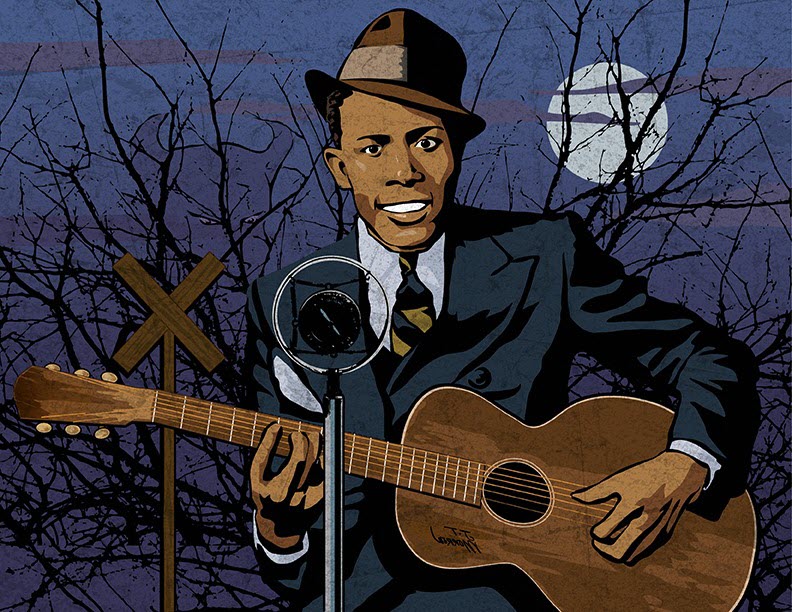
Step into the haunting world of Robert Johnson, a figure shrouded in myth and legend, whose music transcends time and continues to resonate with audiences today. Born in the heart of the Mississippi Delta in 1911, Johnson’s brief yet impactful life left an indelible mark on the landscape of blues music. With just a handful of recordings to his name, he crafted an emotional depth and complexity that few have matched. His songs weave tales of heartache, love, and the struggles of life, all delivered with a haunting voice and intricate guitar work that still inspires countless artists.
In this article, we’ll explore the top 10 most popular Robert Johnson songs of all time, each a cornerstone of the blues genre. From the spine-chilling “Cross Road Blues” to the stirring “Hellhound on My Trail,” these tracks not only showcase Johnson’s profound musical talent but also provide a glimpse into the soul of a man who famously sold his soul at the crossroads. Join us on this journey through his most iconic works, and discover why Robert Johnson remains a towering figure in music history, influencing generations of musicians across genres.
1. Cross Road Blues (1936)
“Cross Road Blues” is arguably Robert Johnson’s most famous and mysterious song, filled with haunting emotion and legendary storytelling. The track tells the tale of a man stranded at the crossroads, desperately pleading for salvation and direction. Many listeners have connected this imagery to the myth that Johnson sold his soul to the devil in exchange for his extraordinary guitar skills. Whether true or not, the song captures the deep struggle between right and wrong, fate and free will. Johnson’s intricate slide guitar work complements his raw, pleading vocals perfectly, creating an atmosphere that feels both ghostly and deeply personal. His rhythmic fingerpicking forms a steady, almost hypnotic backdrop, while his soulful voice carries the weight of despair, loneliness, and the hope for redemption. The crossroads becomes more than just a place—it’s a powerful symbol of life’s difficult decisions and uncertain paths. Long after the final chord fades, listeners are left reflecting on their own life choices, making this song timeless. Over the years, “Cross Road Blues” has influenced countless musicians across blues, rock, and folk, proving Robert Johnson’s lasting legacy as one of the most important figures in American music history.
2. Hellhound on My Trail (1937)
“Hellhound on My Trail” is one of Robert Johnson’s darkest and most haunting songs, evoking an intense feeling of fear, dread, and paranoia. The lyrics speak of a relentless hellhound chasing him, a chilling metaphor for the burdens of guilt, anxiety, and the troubles that seem impossible to escape. Johnson’s voice trembles with urgency, while his mournful guitar slide accentuates the looming sense of doom that hangs over the entire song. Every note feels like a step closer to being caught by something terrifying and inescapable. Whether interpreted as a symbol for personal demons, depression, or even the harsh realities of life as a Black man in the Jim Crow South, the song resonates deeply with listeners who’ve faced their own fears and hardships. The blues has always been about expressing pain, and here, Johnson elevates it to something almost spiritual. His ability to translate intangible emotions into music is unparalleled. “Hellhound on My Trail” remains a cornerstone of the Delta blues tradition, frequently covered and referenced by blues artists and rock musicians alike, a testament to its enduring power and Johnson’s unmatched ability to convey the struggles of the human condition.
3. Sweet Home Chicago (1936)
“Sweet Home Chicago” is one of Robert Johnson’s most joyful and enduring anthems, blending a sense of longing with infectious energy. Unlike his darker, more haunting songs, this track radiates an upbeat spirit that celebrates the idea of heading to a better place—in this case, the vibrant city of Chicago. With its catchy guitar riffs, driving rhythm, and playful lyrics, Johnson invites listeners to imagine the promise of new beginnings and brighter days. While the song mentions Chicago, it’s often interpreted more broadly as a symbolic destination for hope, opportunity, and escape from hardship, especially during the era of the Great Migration when many African Americans moved north. Johnson’s spirited vocals paired with his lively, rhythmic guitar create a foot-tapping groove that’s impossible to resist. Over time, “Sweet Home Chicago” has become a foundational piece of the blues canon, covered by countless legends like Eric Clapton, Buddy Guy, and The Blues Brothers. Despite its widespread popularity, Johnson’s original recording remains unmatched in its authenticity, charm, and sense of adventure. This song continues to bring people together, proving the universal appeal of the blues.
4. I Believe I’ll Dust My Broom (1936)
“I Believe I’ll Dust My Broom” stands out as one of Robert Johnson’s most influential tracks, blending a sense of resilience with infectious energy. The phrase “dust my broom” is a clever blues idiom that hints at leaving troubles behind and moving on from a bad situation, likely a broken relationship. Johnson delivers this message with an upbeat tempo, crisp guitar lines, and a rhythm that drives the song forward like a train gaining steam. His fingerpicking technique shines here, weaving melodic riffs with a steady, rolling bass line that gives the track its signature bounce. Beneath the playful energy is a sense of personal empowerment—choosing freedom over heartache. This song became so iconic that it heavily influenced future blues legends like Elmore James, whose electric slide version turned it into a post-war blues standard. Johnson’s original, though, retains an earthy, raw charm that captures the spirit of the Delta blues. “I Believe I’ll Dust My Broom” speaks to anyone who’s ever felt the need to walk away, start fresh, and reclaim their life. It’s blues at its most defiant and cathartic.
5. Love in Vain (1937)
“Love in Vain” is one of Robert Johnson’s most beautifully tragic songs, a masterclass in expressing heartache and longing. With a gentle, mournful guitar accompaniment, Johnson pours his soul into the story of unrequited love. The lyrics describe a painful goodbye at a train station, where the woman he loves leaves him behind. His voice trembles with sorrow, capturing the raw vulnerability of watching love slip away. The simple yet elegant guitar work mirrors the ache in his words, offering a quiet but powerful backdrop to his emotional storytelling. The universal theme of lost love resonates deeply, making this song timeless for listeners across generations. “Love in Vain” found renewed fame decades later when The Rolling Stones covered it, introducing Johnson’s work to rock audiences worldwide. Yet, the haunting beauty of the original remains unmatched in its authenticity and emotional depth. This is the blues in its purest form—a lament, a confession, and a testament to the pain of the human experience. Johnson’s ability to distill profound sadness into just a few verses and melodies is part of what makes him such an enduring musical icon.
6. Ramblin’ on My Mind (1936)
“Ramblin’ on My Mind” captures the very essence of the wandering blues spirit—a deep yearning for freedom mixed with the sorrow of separation. Robert Johnson delivers this song with heartfelt intensity, his nimble guitar lines weaving around his aching vocals. The lyrics paint a picture of a man unable to settle down, torn between his desire for love and the need to keep moving. Whether it’s the pain of a failed relationship or the restless pull of the open road, Johnson’s words speak to anyone who’s ever felt caught between staying and leaving. His guitar work is particularly mesmerizing here, using a steady bass rhythm paired with melodic flourishes that give the track a hypnotic, traveling feel. “Ramblin’ on My Mind” has been covered by countless blues and rock artists, including Eric Clapton, who cited it as one of the first blues songs he ever learned. The song’s enduring power lies in its honesty—an unflinching reflection on loneliness, love, and the constant search for something just out of reach. It’s the blues personified: beautiful, restless, and full of soul.
7. Stop Breakin’ Down Blues (1937)
“Stop Breakin’ Down Blues” is one of Robert Johnson’s most spirited and infectious tracks, blending humor, frustration, and classic blues grit. The song revolves around a narrator who’s fed up with a troublesome lover causing him endless grief. His plea—“Stop breakin’ down”—is both a demand and a cry of exasperation. Johnson’s guitar work is fiery and energetic, matching the intensity of his vocal delivery. The playful yet biting lyrics reflect the universal experience of romantic conflict, something listeners across generations can instantly relate to. What makes this song stand out is its irresistible groove, driven by Johnson’s expert fingerpicking and rhythmic slide guitar. Over the years, “Stop Breakin’ Down Blues” has been embraced by artists far beyond the blues world, with The Rolling Stones famously delivering their own rock-infused version. Yet, as always, Johnson’s raw and emotive original captures a depth of feeling that no cover quite matches. This track exemplifies the magic of the blues—taking personal pain and turning it into something both cathartic and wildly entertaining.
8. Preaching Blues (1936)
“Preaching Blues” offers listeners a vivid glimpse into the life of a traveling bluesman, blending spiritual imagery with the realities of hardship, loneliness, and temptation. Robert Johnson approaches this song with fiery intensity, letting loose on his guitar with a driving rhythm that mirrors the urgency of his message. The lyrics reflect a man torn between the sacred and the profane—a common tension in blues music. Johnson likens his guitar to a preacher, spreading the gospel of the blues wherever he goes. His vocal delivery is raw and impassioned, filled with both frustration and fervor. The song speaks to the duality of the musician’s life: the joy of playing music and the burdens that come with constant wandering. “Preaching Blues” is more than just a song; it’s a testimony. Johnson’s ability to fuse the spiritual with the secular demonstrates his genius in crafting music that feels both deeply personal and universally relatable. The track has become a symbol of the blues itself—a music born out of struggle, yet full of resilience and soul.
9. Traveling Riverside Blues (1937)
“Traveling Riverside Blues” is a lively and playful song that captures Robert Johnson’s adventurous spirit and his love for life on the road. With an infectious slide guitar riff that dances throughout the track, Johnson paints vivid scenes of his travels along the southern rivers, chasing freedom, excitement, and romance. The lyrics are filled with clever double entendres, a hallmark of Johnson’s songwriting style, making the song both flirtatious and fun. His guitar work is particularly impressive here—fluid, dynamic, and bursting with energy—perfectly complementing the upbeat mood. This track highlights a lighter side of the blues, celebrating movement, change, and the thrill of new experiences. “Traveling Riverside Blues” became widely known to later generations when Led Zeppelin borrowed lyrics and riffs from it, showcasing its lasting influence on rock music. Despite the countless covers and adaptations, Johnson’s original recording remains fresh and captivating, offering listeners a glimpse into the wanderlust and restlessness that defined much of his life. It’s a joyful reminder that the blues isn’t just about sorrow—it’s also about freedom and the pursuit of joy.
10. When You Got a Good Friend (1936)
“When You Got a Good Friend” is a heartfelt reflection on loyalty, trust, and the importance of cherishing meaningful relationships. Robert Johnson delivers the song with a gentle yet expressive vocal style, accompanied by his intricate, finger-picked guitar. The lyrics focus on the bittersweet realization of how easy it is to take someone for granted until they’re gone. Johnson sings about wanting to treat his good friend right, hinting at past mistakes and the regret that often follows. The song balances tenderness with melancholy, capturing the fragility of human connections. His masterful guitar work, full of subtle rhythmic shifts and melodic flourishes, provides the perfect backdrop for his introspective lyrics. “When You Got a Good Friend” resonates deeply because its message is timeless—reminding listeners that true companionship is rare and worth valuing. Whether interpreted as a romantic relationship or a close friendship, the emotions conveyed are universal. Over the years, this song has been covered by many blues and folk artists, but Johnson’s original stands as a moving testament to the importance of love, loyalty, and learning from our past.

Edward Tomlin is a frequent contributor to Singers Room. Since 2005, Singersroom has been the voice of R&B around the world. Connect with us via social media below.









