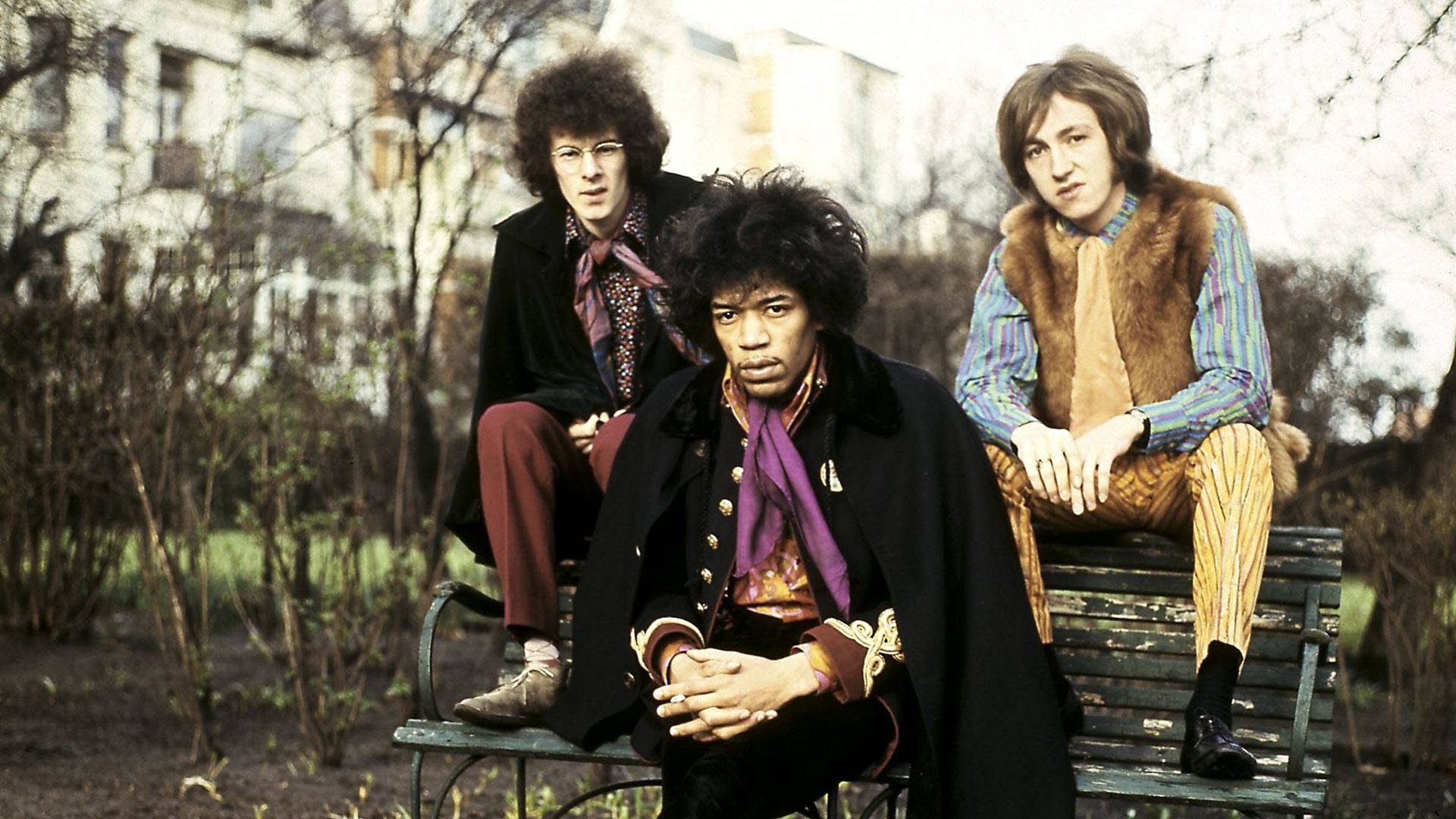
Step into a swirling kaleidoscope of sound, where guitars melt, lyrics transcend reality, and songs feel more like cosmic voyages than radio singles. Psychedelic rock isn’t just a genre—it’s an experience. Born in the mind-expanding haze of the 1960s counterculture, it fused surrealism, spiritual exploration, and sonic innovation into something that shook the very foundation of popular music. These weren’t just songs to be heard; they were meant to be felt—deeply, vividly, and often with your third eye wide open.
In this list, we dive headfirst into the most electrifying, influential, and beloved psychedelic rock songs of all time. From the sitar-laced experiments of The Beatles to Jimi Hendrix’s otherworldly guitar wizardry, each track is a portal to a different dimension of sound. Whether you’re a seasoned psych-rock connoisseur or a curious newcomer ready to drop into the rabbit hole, these tracks will guide you through the genre’s most iconic moments.
So turn down the lights, turn up the volume, and prepare for an auditory adventure that will twist your perception and expand your musical mind. These are the 15 psychedelic rock songs that changed the game—and still blow minds today.
1. “Tomorrow Never Knows” – The Beatles (1966)
When “Tomorrow Never Knows” hit the airwaves in 1966 as the closing track on Revolver, it didn’t just change The Beatles—it helped redefine what a rock song could be. Inspired by Timothy Leary’s adaptation of the Tibetan Book of the Dead, John Lennon penned lyrics that served as a kind of spiritual instruction manual for ego death. But it wasn’t just the words that stunned listeners. With tape loops, backward guitar solos, manipulated vocals, and Ringo Starr’s hypnotic drumbeat, the song felt like a transmission from another planet. George Martin, often called the “fifth Beatle,” transformed the studio into a laboratory of sonic exploration, pushing boundaries in production that hadn’t even been imagined before. The band discarded traditional song structures in favor of a one-chord drone, making the entire track a swirling, immersive experience. Eastern philosophy, acid-era mysticism, and studio wizardry all collide here in a bold, experimental burst of creativity. “Tomorrow Never Knows” wasn’t just a song—it was a psychedelic manifesto and a harbinger of the mind-bending soundscapes that would define the late ’60s. It’s no exaggeration to say that this track paved the way for modern experimental rock and electronic music alike.
2. “White Rabbit” – Jefferson Airplane (1967)
Jefferson Airplane’s “White Rabbit,” released in 1967 on Surrealistic Pillow, remains one of the most iconic and daring psychedelic rock songs of its era. Written by Grace Slick, the track uses the fantastical imagery of Lewis Carroll’s Alice’s Adventures in Wonderland to deliver a subversive commentary on mind expansion, conformity, and the counterculture’s growing curiosity about psychedelics. The music builds like a spell—starting softly, then gradually swelling to a fever pitch. Inspired by the crescendo of Ravel’s Boléro, the arrangement moves with hypnotic intensity, driven by a marching drumbeat and ominous organ. At the climax, Slick’s powerful, declarative voice pierces through with the unforgettable command: “Feed your head!” The song’s concise runtime only adds to its impact, packing a universe of meaning and atmosphere into just a few minutes. At a time when female rock vocalists were still breaking into the mainstream, Slick’s authoritative presence broke barriers and reshaped expectations. “White Rabbit” became an anthem of the Summer of Love and a landmark moment in psychedelic music. It challenged radio norms, mainstream sensibilities, and opened the floodgates for deeper lyrical themes in rock—proof that a fairy tale could become a radical rallying cry.
3. “Purple Haze” – The Jimi Hendrix Experience (1967)
“Purple Haze,” released in 1967, wasn’t just Jimi Hendrix’s breakthrough—it was a sonic lightning strike that electrified rock music. From its opening riff, a snarling, fuzzed-out assault on the senses, Hendrix announced that the rules had changed. His guitar work on this track was nothing short of revolutionary—using distortion, feedback, and the newly invented Octavia pedal to create sounds no one had ever heard from a guitar. Backed by Mitch Mitchell’s explosive jazz-influenced drumming and Noel Redding’s steady bass lines, Hendrix let loose a psychedelic storm. The lyrics, famously cryptic (“’Scuse me while I kiss the sky”), added to the mystique, suggesting either a surreal dreamscape or a hallucinatory trip—depending on who you ask. What made “Purple Haze” so enduring was its blend of raw power and otherworldly flair. Hendrix fused blues roots with futuristic tones, pushing rock into uncharted territory. It’s not just a song—it’s an experience. A declaration that the guitar, in the right hands, could be as expressive and limitless as any instrument in existence. “Purple Haze” didn’t just introduce Hendrix to the world—it changed that world forever.
4. “See Emily Play” – Pink Floyd (1967)
“See Emily Play” was Pink Floyd’s second single, and it offered an early glimpse into the kaleidoscopic vision of Syd Barrett. Released in June 1967, this whimsical gem captures the youthful surrealism and sonic curiosity that would come to define the band’s early work. Written by Barrett, the song introduces Emily, a dreamlike character whose story unfolds in a shimmering, hallucinatory haze. With its layered vocal effects, backward guitar parts, playful piano lines, and echo-drenched choruses, “See Emily Play” sounds like a children’s storybook filtered through an LSD trip. The band used studio tricks like tape manipulation and oscillators to craft a sound that was simultaneously charming and disorienting. At a time when British pop was flirting with the avant-garde, Pink Floyd dove straight in—and “See Emily Play” became a modest chart hit that hinted at the band’s experimental potential. Though it predates their full-blown concept albums, the song stands as a snapshot of Barrett’s fragile genius—a moment when fantasy, melancholy, and creativity collided. It remains a beloved touchstone of British psychedelia and a reminder of the brief, brilliant spark that was Syd Barrett’s contribution to music.
5. “Strawberry Fields Forever” – The Beatles (1967)
Few songs capture the surreal, introspective magic of psychedelia like “Strawberry Fields Forever.” Released in 1967 as a double A-side single with “Penny Lane,” the track represents John Lennon at his most vulnerable and imaginative. Inspired by a Salvation Army children’s home near his childhood home in Liverpool, Lennon transformed a place of innocent memory into a dreamlike meditation on identity, confusion, and detachment. The recording itself was groundbreaking: producer George Martin famously fused two different takes recorded at different tempos and pitches—creating a fluid, disorienting soundscape that perfectly mirrored Lennon’s lyrical uncertainty. Musically, the song is a lush mosaic of Mellotron flutes, cello lines, backwards cymbals, and layered vocals. The result is both intimate and cosmic, grounded in nostalgia but swirling into abstraction. “Strawberry Fields Forever” wasn’t just a technical achievement; it was a philosophical and emotional journey that pushed the Beatles further away from pop convention and deeper into artistic innovation. It remains one of the most beloved and studied pieces in the Beatles’ catalog, a psychedelic masterpiece that captures the spirit of an era while revealing the inner world of one of rock’s most complex minds.
6. “Time Has Come Today” – The Chambers Brothers (1967)
“Time Has Come Today” by The Chambers Brothers is one of the boldest blends of soul, rock, and psychedelia to emerge from the turbulent late 1960s. Originally recorded in 1966, the definitive 11-minute version released in 1967 turned into a counterculture anthem—equal parts political statement and sonic experiment. The song opens with the ominous sound of a ticking clock, signaling not just the passing of time but a cultural shift. As the music builds, echoed vocals and shouted refrains of “Time!” punctuate layers of fuzzed-out guitar, reverb-heavy breakdowns, and gospel-influenced intensity. The track veers into extended jam territory, almost psychedelic trance, creating a space where urgency and reflection coexist. The Chambers Brothers, who began as a gospel group, brought a raw emotional weight to the song that elevated it beyond genre. It became a protest song without ever explicitly referencing war or politics—its message was in its mood and force. “Time Has Come Today” remains one of the most compelling examples of genre fusion from the 1960s, and a powerful sonic document of a generation grappling with change, rebellion, and awakening.
7. “Eight Miles High” – The Byrds (1966)
“Eight Miles High” was a bold move for The Byrds when it was released in March 1966—a swirling fusion of folk-rock, free jazz, and Indian raga that defied expectations and helped give birth to psychedelic rock. Written by Gene Clark, Roger McGuinn, and David Crosby, the song was inspired by the band’s uneasy tour of the UK and the emotional and cultural alienation they experienced. Musically, it marked a dramatic evolution from their earlier jangle-pop hits. McGuinn’s 12-string Rickenbacker guitar mimics the phrasing of John Coltrane’s saxophone, while the drone-like structure hints at Indian classical influences. The result is a disorienting, hypnotic sound that felt radically new. Although it was banned by some radio stations for perceived drug references, the song’s hazy, cerebral quality spoke volumes to a generation in flux. Lyrically abstract and musically ambitious, “Eight Miles High” set a new standard for what rock could aspire to. It wasn’t just about catchy hooks anymore—it was about atmosphere, experience, and expanding consciousness. This track signaled the start of The Byrds’ transition from folk-rock pioneers to psychedelic explorers and opened the door for countless artists to follow.
8. “In-A-Gadda-Da-Vida” – Iron Butterfly (1968)
“In-A-Gadda-Da-Vida” isn’t just a song—it’s an odyssey. Released in 1968, this 17-minute psychedelic behemoth by Iron Butterfly became an unlikely hit and a symbol of the era’s excess, experimentation, and mind-altering ambition. The title was famously a drunken mispronunciation of “In the Garden of Eden,” and the music itself carries that same surreal, slightly off-kilter energy. From the first notes of its doom-laden organ riff, the track locks listeners into a hypnotic groove. What follows is an extended journey through tribal drum solos, droning guitar riffs, and vocal lines that feel chanted rather than sung. Doug Ingle’s baritone delivery, Ron Bushy’s legendary drum solo, and the band’s repetitive, trance-like motifs make the song more of a ritual than a conventional rock track. Despite being dismissed by some critics at the time, “In-A-Gadda-Da-Vida” became a massive commercial success, cementing its place in rock history. It encapsulates the psychedelic experience in its most indulgent form—long, loud, and larger than life. For better or worse, it pushed the boundaries of what a “radio single” could be and remains a touchstone of the genre’s sprawling, cosmic ambition.
9. “Sunshine of Your Love” – Cream (1967)
“Sunshine of Your Love,” released in December 1967 on Disraeli Gears, is a thunderous fusion of blues and psychedelia that helped pave the way for hard rock. From the opening riff—crafted by bassist Jack Bruce and instantly recognizable—it’s clear this track means business. Eric Clapton’s guitar snarls with a thick, distorted tone, while Ginger Baker’s jazz-influenced drumming adds a rhythmic sophistication that sets it apart from other rock tracks of the time. The lyrics blend romantic yearning with vivid, almost dreamlike imagery, casting the song in a sultry, twilight glow. Clapton’s guitar solo, soaked in the signature “woman tone” he developed, drips with attitude and soul, elevating the track to psychedelic blues perfection. “Sunshine of Your Love” wasn’t just a radio hit—it was a declaration that the British blues invasion had entered a new, heavier phase. The song’s thick groove and raw energy captured the spirit of the late ’60s while hinting at the heavier sounds that would dominate the next decade. It’s a cornerstone of Cream’s legacy and a timeless track that bridges blues roots with the electric roar of psychedelic innovation.
10. “Light My Fire” – The Doors (1967)
“Light My Fire,” released in April 1967, ignited The Doors’ rise to fame and became a defining anthem of psychedelic rock. At its core, it’s a love song—guitarist Robby Krieger originally wrote it as a romantic ballad—but under the band’s spell, it evolved into something far more hypnotic and transcendent. Jim Morrison’s deep, seductive vocals blend passion with poetic mysticism, transforming desire into a kind of spiritual awakening. Ray Manzarek’s organ riff is unforgettable, spiraling like a serpent through the mix and lending the song a mysterious, almost Eastern atmosphere. The extended album version stretches out with a jazz-influenced instrumental break that showcases the band’s improvisational talents, particularly Manzarek and drummer John Densmore. “Light My Fire” wasn’t just a hit—it was a mood, a vibe, a seductive spell that captured the late-’60s fascination with sensuality, rebellion, and altered states. Its success pushed radio stations to embrace longer songs and gave The Doors the platform to explore even darker and more experimental territory. More than 50 years later, its flame still burns bright—smoky, sultry, and undeniably iconic.
11. “White Room” – Cream (1968)
“White Room,” released in September 1968 on Wheels of Fire, is one of Cream’s most dramatic and atmospheric tracks—an epic swirl of despair, beauty, and controlled chaos. The song opens with a striking 5/4 rhythm and haunting strings, instantly pulling listeners into a moody, surreal landscape. Lyricist Pete Brown crafted vivid, poetic lines that conjure feelings of loneliness and psychological isolation: “In the white room with black curtains near the station.” Jack Bruce delivers them with powerful emotion, backed by his soaring vocals and pounding bassline. Eric Clapton’s guitar work is incendiary yet restrained, featuring his signature wah-wah effect that adds bite and texture. Ginger Baker’s inventive drumming moves between subtle complexity and full-force intensity, anchoring the song’s many shifts. “White Room” encapsulates the darker, more introspective side of psychedelia—eschewing whimsy for stark emotional honesty and a near-cinematic sense of scale. It’s a song that doesn’t just play; it unfolds like a short film. With its rich arrangement and lyrical ambiguity, it remains one of Cream’s most enduring and influential pieces, a high-water mark in the merging of psychedelic rock with poetic sophistication.
12. “All Along the Watchtower” – The Jimi Hendrix Experience (1968)
When Jimi Hendrix covered Bob Dylan’s “All Along the Watchtower” in 1968, he didn’t just reinterpret the song—he reimagined it entirely. Where Dylan’s original was spare and enigmatic, Hendrix transformed it into a soaring, apocalyptic masterpiece layered with fiery guitar solos and haunting atmosphere. Recorded over several sessions with meticulous care, Hendrix layered multiple guitar parts to create a dense, swirling sound that envelops the listener. His vocals—urgent, weathered, and full of gravitas—add to the song’s mysterious tone, suggesting a world on the brink of collapse. Each verse builds tension, and each solo tears through it like a lightning bolt. Noel Redding and Mitch Mitchell provide a tight, powerful backdrop, but it’s Hendrix’s vision that dominates. Dylan himself was so impressed by the cover that he began performing the song more like Hendrix’s version in his own live shows. “All Along the Watchtower” stands as a masterclass in musical transformation—a testament to how psychedelic rock could not only reflect a song’s message but amplify and transcend it. Hendrix turned Dylan’s cryptic parable into a sonic prophecy, and in doing so, created one of the greatest rock recordings of all time.
13. “The End” – The Doors (1967)
“The End,” the final track on The Doors’ self-titled debut album, is one of the most haunting and ambitious songs of the psychedelic era. Spanning nearly 12 minutes, it’s part elegy, part fever dream, and part mythological journey. What began as a breakup song evolved into a sprawling, surreal meditation on love, death, identity, and Oedipal conflict. Jim Morrison’s lyrics unfold like a stream of consciousness—dark, poetic, and unflinching—delivered in a voice that moves from whisper to incantation. Robby Krieger’s guitar weaves hypnotic, Eastern-inspired melodies, while Ray Manzarek’s minimalist keyboard and John Densmore’s tribal drumming build a tense, ritualistic atmosphere. “The End” plays like a descent into the subconscious—a slow-burning journey into the human psyche’s most shadowy corners. Its climactic spoken-word section, controversial and shocking at the time, helped push rock lyrics into territory once reserved for literature and theater. Though it challenged listeners, it also mesmerized them. “The End” was a bold closer, not just for the album but for an entire idea of what a rock song could be. It’s a hypnotic, dangerous, and unforgettable piece of musical storytelling that continues to echo through the decades.
14. “Are You Experienced?” – The Jimi Hendrix Experience (1967)
“Are You Experienced?”—the title track of Jimi Hendrix’s 1967 debut album—isn’t a song in the conventional sense; it’s a psychedelic transmission from another realm. From its backward guitar loops to its layered effects and cryptic lyrics, the track offers listeners an invitation to step outside reality and enter a dreamlike soundscape. Unlike the fiery guitar assaults of “Fire” or “Purple Haze,” this song is slower, more introspective, yet just as impactful. Hendrix’s voice is calm, almost coaxing, as he extends a surreal question: “Are you experienced? Have you ever been experienced?” The backward drum and guitar tracks swirl around his words, creating a sensation of time folding in on itself. Noel Redding’s bass holds everything together as Mitch Mitchell’s drumming subtly complements the off-kilter atmosphere. This isn’t a showcase of Hendrix’s technical fireworks; it’s a demonstration of his ability to craft a mood so immersive and mysterious it almost feels sacred. “Are You Experienced?” is psychedelic music at its most evocative—not just about sound, but sensation and perception. It closes the album like a ceremonial curtain drop, leaving listeners dazed, enlightened, and forever changed.
15. “I Am the Walrus” – The Beatles (1967)
“I Am the Walrus” is perhaps the most gloriously bizarre track The Beatles ever released. Dropping in November 1967 as the B-side to “Hello, Goodbye” and featured in Magical Mystery Tour, the song is John Lennon’s satirical jab at over-interpretation and a celebration of absurdity. Lennon drew from Lewis Carroll’s nonsense poetry, LSD-fueled inspiration, and snippets of real-world randomness—including a BBC broadcast of King Lear layered into the final mix. Musically, the song is a kaleidoscope of orchestration, featuring strings, choirs, electric piano, and radio fuzz that form a surreal backdrop for lyrics like “yellow matter custard” and “semolina pilchard climbing up the Eiffel Tower.” Lennon wrote it partially to confound fans who were obsessed with dissecting Beatles lyrics—ironically making it one of their most dissected songs. George Martin’s masterful production turns the chaos into a brilliantly cohesive mess, walking the line between structured song and Dadaist experiment. “I Am the Walrus” doesn’t just bend reality—it gleefully breaks it. It’s psychedelic rock at its most playful, rebellious, and avant-garde, inviting listeners to stop making sense and simply enjoy the ride through madness.

Samuel Moore is a frequent contributor to Singers Room. Since 2005, Singersroom has been the voice of R&B around the world. Connect with us via social media below.









