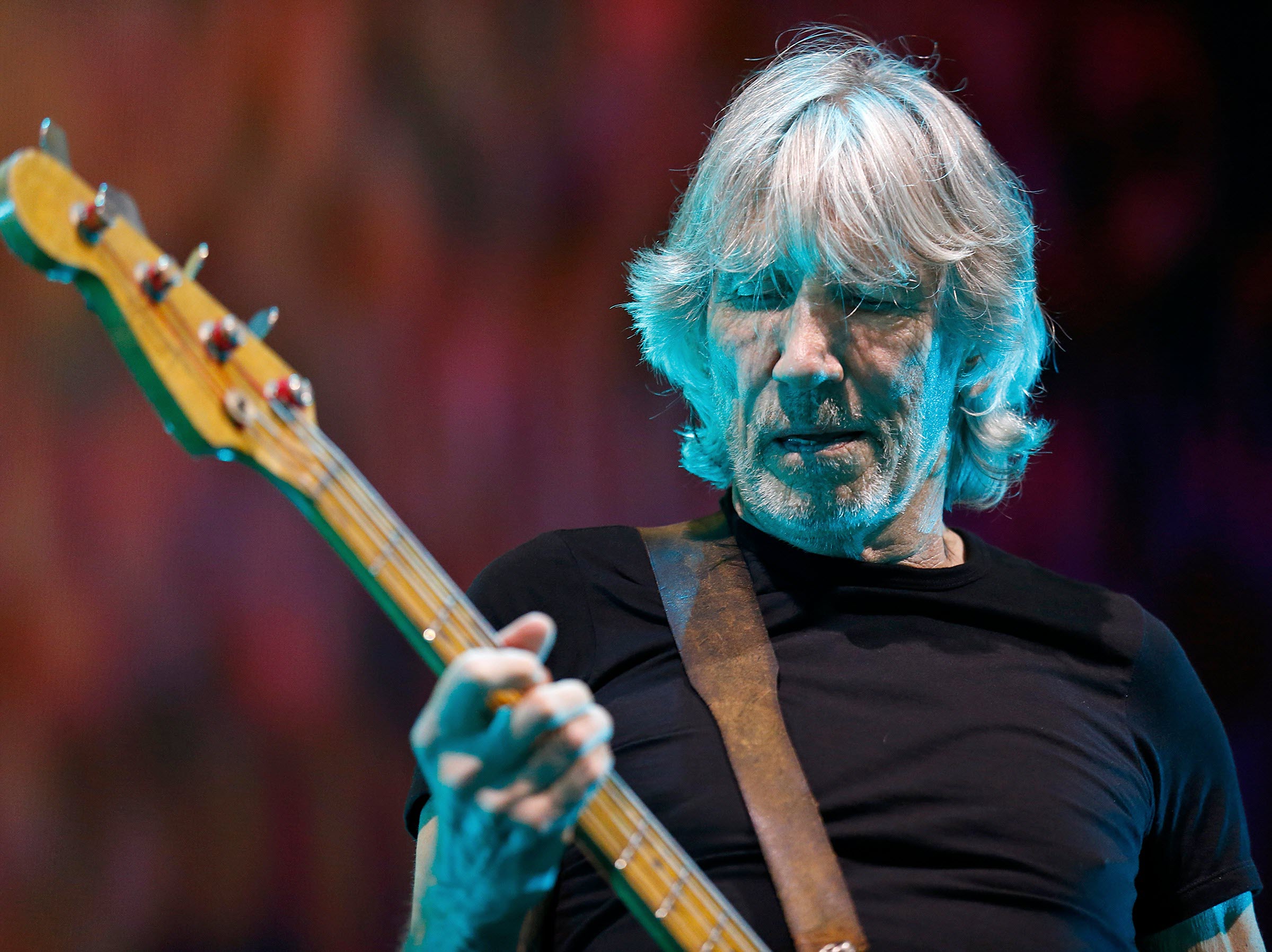
Pink Floyd, the iconic British rock band, has left an indelible mark on the music landscape with their innovative sound, thought-provoking lyrics, and groundbreaking album concepts. From the haunting melodies of “Wish You Were Here” to the psychedelic journey of “The Dark Side of the Moon,” their music transcends generations, exploring themes of alienation, war, and the human experience. With a career spanning more than three decades, Pink Floyd has crafted a legacy that resonates with fans old and new.
In this article, we delve into the top 10 most popular Pink Floyd songs of all time, celebrating the tracks that have not only defined the band’s career but also influenced countless artists across genres. Each song on this list showcases the band’s unique blend of progressive rock, intricate instrumentation, and profound storytelling. Whether you’re a lifelong fan or just discovering their music, join us as we journey through the soundscapes and lyrical brilliance that make Pink Floyd a timeless force in rock history. Prepare to relive the magic and explore the musical masterpieces that continue to captivate listeners around the world!
1. “Wish You Were Here” (1975)
“Wish You Were Here” stands as one of Pink Floyd’s most emotionally moving tracks. Written as a tribute to Syd Barrett, the band’s founding member who struggled with mental health issues, the song is a heartfelt reflection on absence, loss, and the passage of time. From the moment the haunting acoustic guitar fades in, listeners are drawn into a deeply introspective space. The lyrics speak to the universal feeling of longing—not just for a person, but for a sense of connection in a world that often feels cold and disconnected. As the song unfolds, it wrestles with themes of authenticity, questioning whether we are truly present or merely going through the motions in life. The simplicity of its arrangement—a gentle guitar, delicate harmonies, and soulful vocals—only amplifies its emotional power. What makes this song resonate across generations is how it transforms personal grief into a shared experience, allowing listeners to reflect on their own losses and relationships. Whether mourning a loved one, missing a friend, or simply contemplating life’s fleeting moments, “Wish You Were Here” remains a timeless reminder of how absence can be as powerful as presence.
2. “Comfortably Numb” (1979)
“Comfortably Numb” is more than just a song—it’s an emotional journey that captures the feeling of being detached from reality. Featured on the album The Wall, it portrays a conversation between a rock star and a doctor, symbolizing the struggle between emotional numbness and the desperate desire to feel alive again. Roger Waters’ verses convey the distant, hollow voice of someone withdrawn from the world, while David Gilmour’s soaring choruses break through with warmth, clarity, and longing. The duality in the vocals mirrors the conflict within the mind: the tension between shutting out pain and yearning for genuine experience. Of course, what truly elevates this song are Gilmour’s legendary guitar solos—widely regarded as some of the greatest in rock history. They rise and fall with aching beauty, expressing emotions that words could never fully capture. The haunting atmosphere, lush orchestration, and powerful narrative combine to create a masterpiece that resonates with anyone who has ever felt overwhelmed, disconnected, or lost. “Comfortably Numb” remains one of Pink Floyd’s most defining achievements, a timeless reflection on isolation and the fragile balance between escape and healing.
3. “Another Brick in the Wall, Part 2” (1979)
“Another Brick in the Wall, Part 2” became an anthem for rebellion, striking a chord with anyone who has ever felt crushed by rigid systems. Known for its unmistakable bassline and the unforgettable children’s choir chanting, “We don’t need no education,” the song pushes back against the oppressive, cookie-cutter nature of traditional schooling. But it’s more than just a critique of education—it’s a broader commentary on how society often tries to mold individuals into conformists, stripping away creativity, freedom, and identity. The driving rhythm and catchy groove mask a much deeper frustration with authority figures who impose rules without fostering understanding or individuality. Its placement in The Wall reflects the emotional walls people build in response to being hurt, silenced, or misunderstood. The track’s message resonates far beyond classrooms, speaking to anyone who’s ever felt pressured to fit into expectations rather than being their authentic selves. Decades later, the song remains as relevant as ever, reminding listeners to question authority, stand up for themselves, and remember that true education empowers rather than restricts.
4. “Shine On You Crazy Diamond” (1975)
“Shine On You Crazy Diamond” is Pink Floyd’s sprawling, nine-part tribute to Syd Barrett—a founding member whose mental decline deeply impacted the band. This epic track, divided between the beginning and end of the album Wish You Were Here, immerses listeners in an ocean of sound filled with haunting synths, ethereal guitar lines, and bluesy solos. The slow, gradual build at the start feels like drifting into a dream or a memory, setting the stage for lyrics that honor Barrett’s brilliance while lamenting his tragic withdrawal from reality. The words “Shine on, you crazy diamond” serve both as an affectionate farewell and a lasting wish for him to continue radiating, despite being lost to the world around him. The music itself conveys as much emotion as the lyrics—every bend of Gilmour’s guitar strings seems to echo grief, admiration, and love. Beyond its tribute to Barrett, the song speaks more broadly to the fragility of genius, the toll of fame, and the way mental illness can isolate even the brightest souls. It remains one of Pink Floyd’s most profound and emotionally resonant works.
5. “Time” (1973)
“Time” is a powerful meditation on how easily life can slip away if we’re not paying attention. Opening with an eerie cacophony of chiming clocks, the song jolts listeners into realizing the relentless forward march of time. The lyrics speak directly to the universal experience of realizing, sometimes too late, that the days have passed without truly living them. As the verses unfold, they capture the feeling of wasting time in youth, only to wake up one day facing the consequences of inaction. Musically, the track is layered with intensity—driving basslines, soaring guitar solos, and haunting vocals from both David Gilmour and Richard Wright. The mid-song shift from urgency to reflection mirrors the journey from restless ambition to the sobering understanding that time is finite. As part of The Dark Side of the Moon, it ties seamlessly into the album’s overarching themes of existence, mortality, and the human condition. Decades after its release, “Time” continues to resonate with anyone who’s ever felt the sting of regret or the urgency to make their life count before the clock runs out.
6. “Money” (1973)
“Money” is one of Pink Floyd’s most recognizable songs, driven by a hypnotic bassline and an unconventional 7/4 time signature that immediately sets it apart. The song opens with the sounds of cash registers, coins, and paper bills—a sonic reflection of the consumer-driven world it critiques. Lyrically, it dives deep into the seductive, yet corrupting, influence of wealth. With biting sarcasm, it exposes how the pursuit of money can lead to selfishness, moral compromise, and spiritual emptiness. Gilmour’s fiery guitar solo adds another layer of grit and intensity, perfectly capturing the tension between material success and inner satisfaction. As the track shifts into a more straightforward rock groove midway, it mirrors how money can both destabilize and control. “Money” fits perfectly within The Dark Side of the Moon’s exploration of modern anxieties, serving as both a critique and a mirror to society’s obsession with wealth. Its message remains strikingly relevant in today’s world, challenging listeners to ask themselves: Are we controlling our money, or is it controlling us?
7. “Breathe” (1973)
“Breathe” opens The Dark Side of the Moon with a warm, almost hypnotic groove that feels like a gentle invitation into deep reflection. Its smooth slide guitar, mellow keyboards, and airy vocals create a soundscape that immediately soothes yet provokes thought. The song’s lyrics serve as a quiet yet powerful reminder about the importance of mindfulness and living authentically. It urges listeners not to fall into the trap of running the rat race or chasing empty ambitions that lead nowhere. Instead, it calls for balance—to breathe, to slow down, and to truly experience life. The line “Don’t be afraid to care” hits especially hard, encouraging vulnerability in a world that often pushes us toward detachment. Despite its calming tone, the song carries an underlying tension—an awareness that life is fleeting, and ignoring its impermanence can lead to regret. “Breathe” sets the philosophical tone for the entire album, blending existential reflection with musical serenity. It continues to resonate with anyone seeking clarity, peace, or simply a moment to step back and remember what really matters.
8. “Hey You” (1979)
“Hey You” is a desperate cry for connection from someone trapped behind an emotional wall. This haunting ballad from The Wall conveys deep loneliness and regret, capturing the pain of self-imposed isolation. The track opens with a mournful acoustic guitar, immediately evoking a sense of emptiness. The lyrics portray someone reaching out, hoping there’s still someone out there listening, someone who cares. As the song progresses, the intensity builds—electric guitars and crashing drums underscore the growing sense of urgency and despair. Roger Waters’ vocals bleed vulnerability, making the plea feel raw and genuine. “Hey You” reflects the album’s central theme: the walls we build to protect ourselves often become prisons that cut us off from love, community, and healing. This song resonates with anyone who has ever felt distant, either emotionally or physically, from others. It’s not just a song about loneliness—it’s a reminder of the human need for connection and the painful consequences of shutting the world out. Its emotional depth makes it one of the most impactful tracks in Pink Floyd’s catalog.
9. “Learning to Fly” (1987)
“Learning to Fly” represents a turning point for Pink Floyd, coming from their post-Roger Waters era. The song captures the exhilaration and uncertainty of stepping into the unknown, both literally and metaphorically. David Gilmour, who co-wrote the track, drew inspiration from his real-life experience of learning to fly airplanes, but the song’s meaning extends far beyond aviation. It’s about personal growth, breaking free from limitations, and facing change with courage. The driving rhythm and uplifting melodies give it an airier, more optimistic feel compared to the band’s earlier, darker work. The lyrics reflect the nervous thrill of taking control—whether of a plane, one’s destiny, or life itself. Echoes of liberation and vulnerability intertwine, making it relatable to anyone confronting change or pursuing new beginnings. “Learning to Fly” also showcases the band’s evolution, proving that Pink Floyd could reinvent themselves while maintaining the introspective depth fans loved. It stands as an anthem for anyone learning to navigate life’s uncertainties and daring to soar despite fear.
10. “The Wall” (1979)
“The Wall,” while often used to refer to the entire concept album, is also represented through various key songs that articulate its central theme of emotional isolation. As the album unfolds, it tells the story of Pink, a rock star who constructs a metaphorical wall around himself to protect against pain, rejection, and trauma. The title track, especially in the closing sections like “The Trial” and “Outside the Wall,” reveals the devastating consequences of building such barriers. The music shifts between theatrical, aggressive, and hauntingly somber, reflecting Pink’s psychological unraveling. The narrative forces listeners to confront difficult questions: Do the walls we build truly protect us, or do they imprison us? The culmination of the story suggests that while walls may shield us temporarily, they ultimately lead to loneliness, regret, and disconnection. The sweeping orchestration, combined with blistering guitar riffs and gut-wrenching lyrics, makes “The Wall” a profound exploration of the human experience. It’s a timeless cautionary tale about the cost of shutting others out—and the hope that even the thickest walls can someday be torn down.

Edward Tomlin is a frequent contributor to Singers Room. Since 2005, Singersroom has been the voice of R&B around the world. Connect with us via social media below.









