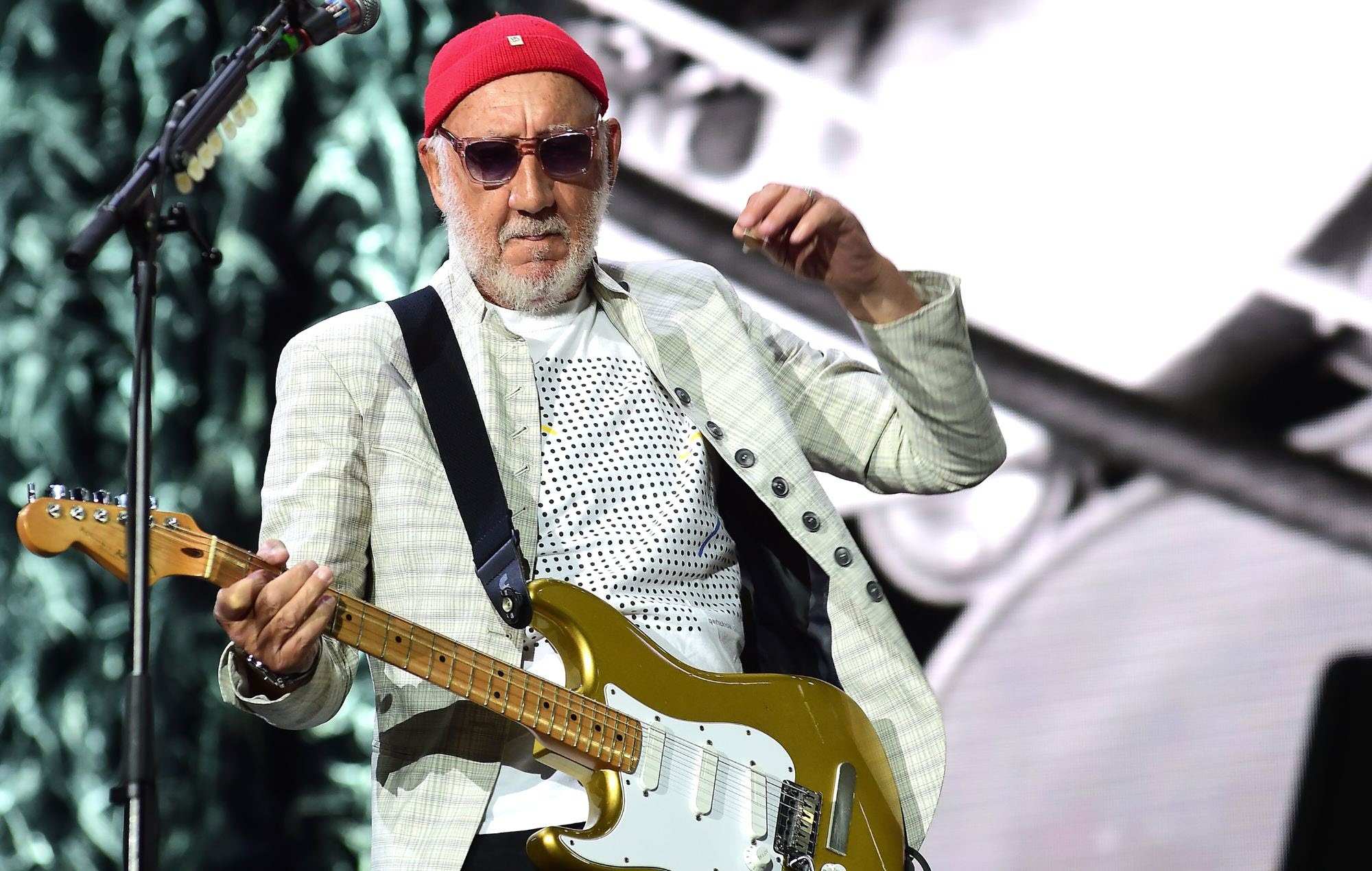
Pete Townshend, the legendary guitarist and songwriter of The Who, has left an indelible mark on rock music with his innovative sound and powerful lyrics. As a driving force behind some of the most iconic tracks in music history, his work transcends generations, captivating fans with its raw emotion and unforgettable melodies. From anthems of rebellion to introspective ballads, Townshend’s songs reflect the tumultuous spirit of the times and his own personal journey.
In this article, we delve into the top 10 most popular Pete Townshend songs of all time, exploring the stories and themes behind each track. Whether you’re a lifelong fan or new to his music, this list showcases the depth and brilliance of Townshend’s artistry. From the explosive energy of “My Generation” to the poignant reflection in “Let My Love Open the Door,” these songs not only define a career but also resonate with the heart of rock itself. Join us as we celebrate the timeless contributions of Pete Townshend—an artist whose influence continues to inspire and ignite passion in music lovers around the world. Get ready to rediscover the magic of his extraordinary songwriting!
1. “Baba O’Riley” (1971)
“Baba O’Riley” is much more than just a rock anthem—it’s a cultural statement that captures the spirit of youthful rebellion and the quest for meaning. Released in 1971 as the opening track to Who’s Next, the song is instantly recognizable for its hypnotic, looping synthesizer intro, which was groundbreaking at the time. The title pays tribute to spiritual guru Meher Baba and minimalist composer Terry Riley, both major influences on Pete Townshend’s artistic vision. Lyrically, it’s a snapshot of disillusioned youth trying to escape the trappings of a crumbling world. Roger Daltrey’s soaring vocals deliver lines like “Don’t cry, don’t raise your eye, it’s only teenage wasteland” with an urgency that feels both defiant and poignant. The song balances that existential weight with a sense of freedom, culminating in Dave Arbus’s electrifying violin solo that feels like a wild, untamed cry for liberation. Over the decades, “Baba O’Riley” has remained a staple of The Who’s live shows and a generational anthem that speaks to anyone who’s ever felt stuck between the pressures of society and the desire to break free.
2. “My Generation” (1965)
“My Generation” isn’t just a song—it’s a thunderous declaration of youthful defiance that helped define an entire era. Released in 1965, this blistering anthem was The Who’s rebellious answer to the social norms and expectations of the older generation. Roger Daltrey’s unforgettable stuttering vocal—“Why don’t you all f-f-fade away!”—was originally meant to mimic nervousness but became an iconic symbol of resistance and frustration. Fueled by John Entwistle’s aggressive bass solo, Keith Moon’s chaotic drumming, and Pete Townshend’s slashing guitar riffs, the track captures the raw energy of disaffected youth. The message is simple but powerful: young people refuse to be sidelined, dismissed, or molded into something they’re not. Its explosive closing, where the band literally smashes their instruments, wasn’t just theatrics—it was a visceral rejection of the status quo. Even decades later, “My Generation” remains an enduring rallying cry for those who feel misunderstood, overlooked, or underestimated. Whether it’s the 1960s or today, its rebellious spirit continues to resonate with anyone who refuses to be told to “know their place.”
3. “Pinball Wizard” (1969)
“Pinball Wizard” is one of The Who’s most instantly recognizable and delightfully eccentric tracks, originally released as part of the 1969 rock opera Tommy. The song tells the tale of Tommy, a deaf, dumb, and blind boy who somehow becomes a world-class pinball champion. It’s an absurd concept on paper, but Townshend’s genius turns it into a riveting piece of musical storytelling. The song’s bright, percussive acoustic guitar riff drives the melody, giving it a playful yet powerful energy. Roger Daltrey’s vocals perfectly convey the disbelief and admiration of those who witness Tommy’s supernatural skills at the pinball table. Beneath the quirky premise, the song touches on themes of triumph over adversity and the idea that greatness can come from the most unexpected places. The infectious hook—“That deaf, dumb, and blind kid sure plays a mean pinball”—has made it an enduring fan favorite. Whether heard within the context of Tommy or as a standalone hit, “Pinball Wizard” remains a testament to The Who’s ability to blend theatrical storytelling with infectious, high-octane rock music.
4. “Behind Blue Eyes” (1971)
“Behind Blue Eyes” reveals a vulnerable, deeply introspective side of The Who that contrasts sharply with their usual explosive sound. Released in 1971 on the album Who’s Next, the song begins with a soft, almost hymn-like acoustic section that conveys loneliness and quiet despair. The lyrics, sung with aching sincerity by Roger Daltrey, express the inner turmoil of someone battling anger, sadness, and isolation, hidden behind the metaphor of “blue eyes.” The gentle opening eventually gives way to a thunderous electric guitar-driven climax, where frustration boils over into raw intensity. This sudden shift mirrors the emotional rollercoaster of suppressing pain until it becomes impossible to contain. Townshend originally wrote the song as part of an abandoned rock opera project called Lifehouse, and it reflects a deep sense of spiritual struggle. What makes “Behind Blue Eyes” resonate so powerfully is its universal theme: the loneliness of feeling misunderstood and the struggle to maintain control over darker impulses. Both musically and lyrically, it stands as one of The Who’s most moving and emotionally charged songs.
5. “Who’s Next” (1971)
While Who’s Next is the title of The Who’s groundbreaking 1971 album, it isn’t a song itself. However, within that album lies an unofficial thematic centerpiece: “Won’t Get Fooled Again.” This track serves as a scathing critique of political revolutions that end up replicating the very systems they sought to overthrow. Built on one of the most famous synthesizer sequences in rock history, the song combines cutting-edge electronic elements with thundering rock riffs and Keith Moon’s explosive drumming. Roger Daltrey’s iconic scream near the climax is one of the most cathartic moments in rock. Lyrically, Townshend delivers a skeptical view of change with lines like, “Meet the new boss, same as the old boss.” The song questions whether true change is even possible or whether history is doomed to repeat itself. Its anthemic power and driving rhythm have made it a staple not only in rock concerts but also in popular culture. Decades later, “Won’t Get Fooled Again” remains a defiant warning against blind faith in leaders, wrapped in an exhilarating package of sound and fury.
6. “Love Reign O’er Me” (1973)
“Love Reign O’er Me” is the breathtaking finale of The Who’s 1973 rock opera Quadrophenia and one of the most emotionally charged songs in their catalog. From the opening sounds of thunder and rainfall to the sweeping piano intro, the song immediately sets a tone of both desperation and hope. It tells the story of Jimmy, the opera’s troubled protagonist, as he reaches a moment of spiritual awakening and surrender. The lyrics are a plea—not just for romantic love, but for a kind of redemptive, transcendent love that can cleanse and heal. Roger Daltrey’s vocal performance is nothing short of monumental, pushing his voice to its emotional limits in the song’s climactic cries of “Love!” Meanwhile, the soaring guitar lines, pounding drums, and orchestral elements build to a cathartic, almost operatic crescendo. More than just a song, “Love Reign O’er Me” feels like a spiritual experience. It’s about hitting rock bottom and finding something larger than yourself—whether that’s love, God, or purpose—to lift you back up. It’s one of The Who’s most profound and soul-stirring achievements.
7. “I Can See for Miles” (1967)
“I Can See for Miles” is one of The Who’s most ambitious and intricately produced songs, released in 1967 during the height of the psychedelic era. Built around a relentless, pounding rhythm, the track is both a sonic assault and a lyrical warning. Pete Townshend wrote it as a declaration of all-seeing, all-knowing suspicion, aimed at a partner’s dishonesty. Its driving drums, layered guitars, and Daltrey’s piercing vocals create a tense, almost paranoid atmosphere. The repetitive, hypnotic nature of the track builds suspense, giving it a sense of relentless pursuit. It was The Who’s highest-charting single in the U.S. at the time and showcased their ability to balance melodic hooks with aggressive, layered production. Critics and fans often point to this song as a precursor to heavier rock sounds that would dominate the next decade. It’s not just a song about betrayal; it’s about the clarity—and sometimes the torment—that comes with seeing through lies and illusions. “I Can See for Miles” remains a testament to The Who’s fearless experimentation and their ability to push rock’s boundaries.
8. “You Better You Bet” (1981)
“You Better You Bet” marked a new era for The Who in the early ’80s, blending their signature rock energy with a more polished, radio-friendly sound. Released in 1981 on the album Face Dances, the song captures the tension and excitement of romantic relationships, particularly the push and pull between devotion and independence. Townshend’s lyrics reflect both playfulness and sincerity, delivering lines that are simultaneously cheeky and heartfelt. The infectious chorus—“You better you bet”—becomes a playful mantra, balancing need with confidence. Musically, the track is driven by bright guitar riffs, pulsing synths, and a tight rhythm section that gives it a buoyant, danceable groove. Roger Daltrey’s vocal performance is confident and charismatic, perfectly capturing the song’s mix of swagger and vulnerability. “You Better You Bet” became one of The Who’s last major radio hits and proved that even after decades in the business, they still had the ability to evolve. It’s a fun, engaging song that captures the complexities of love without ever taking itself too seriously.
9. “The Real Me” (1973)
“The Real Me” explodes out of the gate with one of the most jaw-dropping bass performances in rock history, courtesy of John Entwistle. As part of the Quadrophenia rock opera released in 1973, the song dives deep into themes of identity, confusion, and the desperate quest to be understood. Jimmy, the story’s central character, struggles with fractured versions of himself, bouncing between therapists, authority figures, and lovers in search of answers. The relentless energy of Keith Moon’s drumming combined with Pete Townshend’s slashing guitar lines creates a chaotic yet perfectly controlled backdrop for this existential crisis. Roger Daltrey’s vocals are fierce and commanding as he belts out the protagonist’s frustration: “Can you see the real me, doctor?!” The song mirrors the turbulent emotions of someone wrestling with who they really are beneath the masks they wear. Beyond its narrative role in Quadrophenia, “The Real Me” stands alone as an exhilarating rock song about the universal struggle for authenticity, making it a fan favorite both on stage and on record.
10. “Let My Love Open the Door” (1980)
“Let My Love Open the Door” stands out as one of Pete Townshend’s most uplifting and accessible solo hits, released in 1980 from his album Empty Glass. While The Who were known for their loud, brash rock anthems, this song delivers something more intimate—a warm invitation for healing through love. Built around a catchy, jangly keyboard riff and an infectious pop-rock beat, it’s impossible not to sing along. Lyrically, Townshend offers his love as a refuge, a safe space for someone going through pain or hardship. His message is simple yet profound: when the world feels heavy, let love be the key that unlocks relief and joy. The chorus is both reassuring and irresistible, elevating the song into an anthem of hope. Unlike much of Townshend’s more introspective or experimental solo work, this track is straightforward in its emotional clarity. “Let My Love Open the Door” continues to resonate with listeners as a reminder that even in the darkest times, love—whether romantic, spiritual, or communal—has the power to lift us up.

Edward Tomlin is a frequent contributor to Singers Room. Since 2005, Singersroom has been the voice of R&B around the world. Connect with us via social media below.









